

Are you curious about how cloud computing can revolutionize your business? Imagine having the power to access and manage your data seamlessly from anywhere in the world.
Web services in cloud computing can make this a reality. By leveraging these services, you can enhance flexibility, reduce costs, and streamline your operations. This isn’t just about technology; it’s about transforming the way you work and compete. Dive into this article to discover how web services in cloud computing can empower you to reach new heights.
Your business’s future could depend on it.
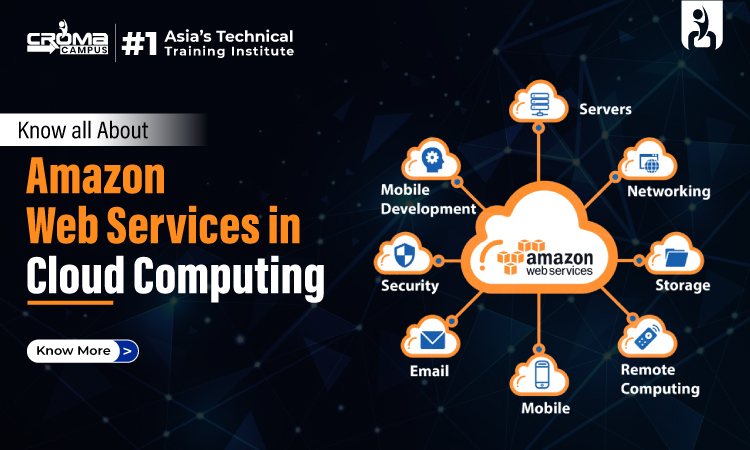
Credit: www.cromacampus.com
Evolution Of Web Services
The evolution of web services in cloud computing has transformed how businesses operate. Initially, companies relied on on-premise servers to host applications. This method had limitations. High costs. Maintenance challenges. Limited scalability.
With the advent of cloud computing, web services evolved significantly. They shifted from traditional setups to modern, efficient solutions. This evolution allowed businesses to access services over the internet. It enhanced flexibility and reduced costs. Let’s explore this journey.
From On-premise To Cloud
Before the cloud, businesses used on-premise servers. These servers required physical space and maintenance. They were costly and inflexible. Cloud computing changed this landscape. It offered virtual servers accessible via the internet. Businesses could now scale resources easily. They enjoyed reduced costs and increased efficiency.
The transition to cloud was gradual. Initially, there was skepticism. But benefits like scalability and cost-effectiveness drove adoption. Today, most businesses use cloud-based services. The shift from on-premise to cloud is now a standard practice.
Key Milestones In Development
The development of web services saw several key milestones. First, the introduction of XML-based services. XML allowed data exchange between different systems. This was a significant step. It enabled interoperability.
Next, the emergence of RESTful services. REST introduced simplicity and efficiency. It became a popular framework for web services. Cloud service providers started offering APIs. These APIs enabled seamless integration between applications.
Another milestone was the rise of microservices architecture. This approach broke applications into smaller, manageable pieces. It improved deployment and scalability. Microservices became a game changer for cloud applications.
Lastly, the introduction of serverless computing. It allowed developers to run code without managing servers. Serverless reduced operational costs and improved efficiency. This innovation marked a new era in cloud computing.
Core Components
Cloud computing has transformed how businesses use technology. Web services in cloud computing play a vital role in this transformation. Understanding the core components helps to grasp their functionality. These components include APIs, protocols, and service-oriented architecture. Each component contributes significantly to web services in the cloud.
Apis And Protocols
APIs stand for Application Programming Interfaces. They enable different software applications to communicate. APIs provide a set of rules and tools. Developers use them to build software applications. Protocols are the standards that guide this communication. HTTP, HTTPS, and SOAP are common protocols in cloud computing. They ensure secure and efficient data exchange.
Service-oriented Architecture
Service-Oriented Architecture, or SOA, structures software into services. Each service performs a specific function. These services interact over a network. SOA enhances flexibility and scalability in cloud computing. It allows for easier integration of new features. Services can be reused, minimizing development time and cost.
Types Of Web Services
Web services in cloud computing connect applications over the internet. They allow different systems to communicate without knowing each other’s details. Various types of web services exist. Understanding these types helps choose the right one for your needs.
Soap Vs. Rest
SOAP (Simple Object Access Protocol) is a protocol used for sending messages. It uses XML format. SOAP is known for its security features. It’s often used in enterprise environments. REST (Representational State Transfer) is an architectural style. It uses standard HTTP methods like GET and POST. REST is simpler and more flexible than SOAP. It is popular for web services due to its ease of use.
Microservices Architecture
Microservices architecture breaks applications into smaller, independent services. Each service performs a specific function. They communicate with each other through APIs. Microservices offer scalability and flexibility. Developers can update one service without affecting others. This makes it easier to manage and update applications.
Benefits In Cloud Computing
Cloud computing web services offer flexible access to resources over the internet. They help reduce costs and increase efficiency. Businesses can easily scale services to match their needs, promoting better resource management.
Benefits in Cloud Computing Cloud computing has transformed the way businesses operate, offering a myriad of benefits that can enhance efficiency and innovation. Whether you’re a small startup or a large enterprise, understanding these benefits is crucial. Let’s dive into the key advantages that make cloud services indispensable.Scalability And Flexibility
One of the most striking benefits of cloud computing is its scalability and flexibility. Imagine you run an e-commerce platform that experiences fluctuating demand. During the holiday season, your website traffic might skyrocket. Cloud services allow you to easily scale up resources to meet this demand without missing a beat. Once the peak period is over, you can scale down, saving costs and resources. This flexibility ensures that you pay only for what you use, optimizing your operations efficiently. Isn’t it reassuring to know you can adapt quickly without overhauling your entire infrastructure?Cost Efficiency
Cloud computing shines in terms of cost efficiency, making it a favorite for businesses aiming to cut unnecessary expenses. Traditional IT infrastructure requires significant upfront investment in hardware and maintenance. Cloud services, however, operate on a pay-as-you-go model. Consider this: you no longer need to buy expensive servers or worry about their maintenance. This shift can free up resources for other strategic initiatives within your organization. With cloud computing, you can allocate your budget more effectively and focus on what truly matters—growing your business. By leveraging these benefits, you’re not just adopting a new technology—you’re setting your business up for sustainable growth and success. Have you considered how cloud computing can specifically benefit your operations? Exploring these advantages may just be the game-changer you need.Challenges And Solutions
Web services in cloud computing face challenges like security risks and data management issues. Solutions include encryption techniques and scalable storage solutions to ensure safety and efficiency. Adopting robust security protocols and optimizing resources helps maintain smooth operations in cloud environments.
When it comes to web services in cloud computing, challenges are inevitable, but solutions are within reach. The dynamic nature of the cloud environment can present hurdles, yet overcoming these obstacles is essential for leveraging the full potential of cloud technology. Let’s delve into some specific challenges you might face and explore solutions that can help you navigate these complexities effectively.Security Concerns
Security is a top priority when using web services in the cloud. You must ensure that your data is protected from unauthorized access and breaches. Consider encrypting your data both in transit and at rest. Implementing robust authentication and authorization mechanisms can make a huge difference. Regularly updating your security protocols and conducting audits can help in identifying vulnerabilities early. What measures are you taking to safeguard your data? Staying vigilant and proactive is key in addressing security concerns effectively.Data Integration Issues
Integrating data across various platforms in a cloud environment can be tricky. You may face compatibility issues or data silos that hinder seamless communication. Utilizing APIs can facilitate better data integration. These interfaces allow different systems to communicate effortlessly and share information. Are you leveraging the right tools for data integration? Exploring cloud-native solutions can help streamline processes and enhance data flow. Taking small, deliberate steps towards addressing these challenges can lead to significant improvements. Embrace the solutions available and transform potential setbacks into opportunities for growth.Impact On Business Connectivity
In today’s fast-paced digital world, web services in cloud computing have reshaped how businesses connect. The seamless integration of these services allows companies to interact across borders, time zones, and even platforms, making business connectivity more efficient than ever. You might wonder how this impacts collaboration and innovation in your organization. Let’s break it down.
Enhancing Collaboration
Imagine working on a project with team members scattered around the globe. Cloud-based web services make this not only possible but remarkably efficient. You can share files instantly, hold virtual meetings, and track progress in real-time. This level of collaboration was once a dream.
Tools like Slack or Microsoft Teams enable instant communication. They allow you to brainstorm ideas, resolve issues quickly, and ensure everyone is on the same page. These platforms create a shared workspace, fostering a sense of unity among team members.
Have you ever struggled with conflicting schedules? Cloud services eliminate this hurdle. With everything accessible online, you can collaborate asynchronously, keeping projects moving without waiting for a convenient meeting time.
Fostering Innovation
How do web services drive innovation within your business? They provide easy access to advanced technologies and resources. You can experiment with new ideas without heavy investments in hardware or software. This freedom to explore sparks creativity.
Think about all the data at your fingertips. Cloud computing allows you to analyze vast amounts of information effortlessly. With insights gained from data analytics tools, you can make informed decisions, adapt strategies, and innovate products.
But innovation isn’t just about new tools. It’s also about culture. Encourage your team to leverage cloud-based platforms for brainstorming and prototyping. This openness to experimentation can lead to unexpected breakthroughs.
As you consider the impact of web services on your business, ask yourself: How can you use these tools to enhance collaboration and foster innovation? The possibilities are endless, and the benefits are tangible. Embrace the change, and watch your business connectivity flourish.
Future Trends
Cloud computing shapes the future of web services. It offers flexibility and scalability for businesses worldwide. Enhanced security and cost efficiency drive its adoption, transforming digital landscapes.
The world of web services in cloud computing is evolving at a rapid pace. As technology continues to advance, we are witnessing shifts that promise to redefine how businesses operate. Let’s dive into some of the future trends that could shape your digital strategies.Ai And Machine Learning Integration
AI and machine learning are no longer just buzzwords. They are becoming integral to web services in cloud computing. Think about how your email filters spam or how streaming services recommend shows you’ll love. These are examples of machine learning in action. In the future, AI will likely enhance cloud services by automating tasks, improving data analysis, and optimizing resource management. Imagine a cloud service that predicts your needs before you even know them. That’s where we’re heading. Are you ready to embrace this change?Edge Computing Advancements
Edge computing is transforming how data is processed. Instead of relying solely on centralized cloud servers, data processing is moving closer to where data is generated—at the edge of the network. This shift reduces latency and improves response times. Consider a smart factory where machines process data in real-time to optimize production. That’s edge computing at work. As edge computing grows, you might find opportunities to enhance your cloud strategy with faster, more efficient data handling. How will you leverage edge computing to stay ahead? The future of web services in cloud computing is exciting and full of potential. As these trends continue to develop, staying informed and adaptable will be key to leveraging them for your advantage. How will you prepare for these changes?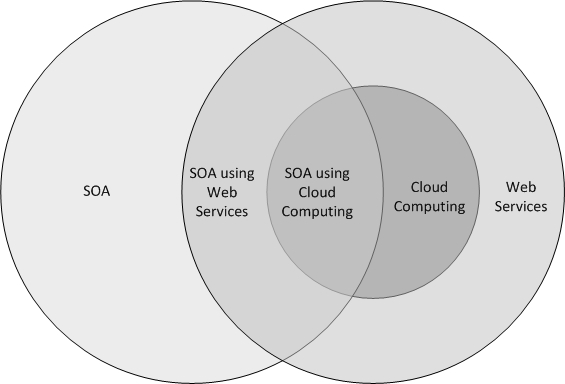
Credit: www.service-architecture.com

Credit: www.researchgate.net
Frequently Asked Questions
What Are Web Services In Cloud Computing?
Web services in cloud computing are tools enabling applications to communicate over the internet. They facilitate data exchange between different systems. Web services use standardized protocols like HTTP. This ensures smooth integration and interoperability across various platforms and applications in the cloud environment.
How Do Web Services Enhance Cloud Functionality?
Web services enhance cloud functionality by enabling seamless integration between different applications. They provide standardized interfaces for communication. This allows cloud applications to interact effortlessly. Web services also support scalability and flexibility. This makes cloud systems more efficient and adaptable to changing needs.
Are Web Services Secure In Cloud Computing?
Web services in cloud computing can be secure when implemented with best practices. They utilize protocols like HTTPS for encrypted communication. Authentication and authorization mechanisms are crucial. Regular security updates and monitoring help protect against vulnerabilities. Ensuring security is essential for safeguarding data and maintaining trust.
Can Web Services Be Customized In Cloud Computing?
Yes, web services can be customized in cloud computing to meet specific needs. They offer flexible interfaces. Developers can tailor functionalities to suit particular business requirements. Customization allows for unique integrations, enhancing performance and user experience. This adaptability is a key benefit of using web services in cloud environments.
Conclusion
Web services in cloud computing offer many benefits. Businesses gain flexibility. They scale resources quickly. This reduces costs significantly. Data storage becomes safer and more efficient. Teams collaborate better with cloud solutions. Access anywhere, anytime is possible. This boosts productivity.
Understanding web services is crucial for growth. Companies adopt them for competitive advantage. Cloud computing transforms operations. Reliable and secure service is essential. Explore these services for improved business outcomes. Embrace the change for future success. Cloud computing holds the key.
Discover its potential today. Stay informed and stay ahead.