
Have you ever wondered about the origins of the smartphone you hold in your hand every day? It’s a fascinating story that traces back to a time before most people could even imagine a phone that did more than just make calls.
The first smartphone ever made marked a revolutionary leap in technology and paved the way for the sleek devices we now can’t live without. Curious about what this pioneering piece of tech looked like and how it functioned? You’ll dive into the intriguing history of the very first smartphone, exploring its features and the visionary minds that brought it to life.
Get ready to discover the roots of the technology that keeps you connected to the world.
Credit: simpletexting.com
The Birth Of Mobile Technology
The birth of mobile technology marked a new era in communication. It began with the creation of the first smartphone, a groundbreaking device. This innovation brought the world closer and made information easily accessible. Smartphones have become an essential part of our lives, shaping how we interact, learn, and stay connected. Understanding the origins of this technology helps us appreciate its impact today.
The Dawn Of A New Era
In 1992, IBM introduced the first smartphone, named Simon Personal Communicator. It was not just a phone. It combined several features into one device. This was a significant leap in mobile technology. Simon had a touchscreen interface, a rare feature at that time. Users could make calls, send emails, and access a calendar. This integration of features set the stage for future smartphones.
Features Of Simon Personal Communicator
Simon Personal Communicator offered more than just calling. It had a touchscreen interface, which allowed simple navigation. Users could send and receive faxes, manage contacts, and schedule appointments. It also had a stylus for easy input. These features were advanced for its time, making it a pioneer in mobile technology.
The Impact On Society
The introduction of Simon changed how people communicated. It laid the groundwork for future innovations in mobile technology. People started expecting more from their mobile devices. Simon’s features inspired future designs and developments. It showed that a phone could do much more than just make calls.
The Legacy Of The First Smartphone
Simon Personal Communicator’s legacy continues today. It set the standard for multifunctional devices. Modern smartphones still rely on its foundational features. Touchscreen interfaces and integrated services are now standard. Simon’s influence on mobile technology is undeniable, marking the birth of a new era.
Early Mobile Communication
Early mobile communication laid the groundwork for today’s smartphones. It began with simple devices. These devices enabled people to talk over long distances. The journey to the first smartphone involved many steps. Understanding these steps helps appreciate modern technology.
Radio Telephone Systems
Radio telephone systems were the first steps in mobile communication. These systems used radio waves to connect calls. They were bulky and not portable. In the 1940s, people used these systems in cars. They were mainly for important business conversations. Communication was limited to specific areas.
Radio telephone systems had poor voice quality. Signals often dropped, making conversations hard. Despite the issues, they were innovative for their time. These systems showed the potential of mobile communication.
Cellular Network Development
Cellular networks marked a big change in mobile technology. They allowed phones to connect without large equipment. In the 1970s, engineers developed the first cellular networks. These networks divided areas into cells. Each cell had its own signal tower.
Cellular networks improved call quality. They made phones more reliable and accessible. People could move freely while talking. This development paved the way for modern mobile phones. It was a key step towards creating the first smartphone.
The Concept Of A Smartphone
The IBM Simon Personal Communicator, released in 1994, is the first smartphone ever made. It combined features of a mobile phone and a PDA, offering email, calendar, and touchscreen capabilities in a single device. This innovation marked the beginning of an era where communication and organization merged seamlessly in handheld technology.
The concept of a smartphone emerged long before the sleek devices we use today. Early innovators envisioned a phone that could do more than make calls. They wanted a device that could manage data, connect users, and offer computing power. This vision set the stage for the first smartphone.Features Beyond Voice Calls
The first smartphone had features beyond traditional voice calls. It included basic email functions and a calendar. Users could send and receive faxes and even access simple notes. These features transformed the phone into a personal assistant. It marked a shift from mere communication to productivity.Integration Of Computing Functions
Integration of computing functions was a key step. Early smartphones combined phone capabilities with computing power. They could store data and run applications. Users experienced an early form of mobile computing. It was the beginning of blending communication with technology.Ibm Simon: The Pioneer Device
IBM Simon, launched in 1994, is considered the first smartphone ever made. This pioneering device combined mobile phone capabilities with PDA features, offering email, calendar, and touchscreen functionalities, paving the way for modern smartphones.
Imagine a world where the concept of a smartphone was a futuristic dream. That’s where the IBM Simon comes into play, marking a pivotal moment in technology. Released in the early 90s, this device was more than just a phone—it was a pocket-sized computer that laid the groundwork for the smartphones we use today. As you dig into its story, you’ll appreciate how far mobile technology has come and what sparked this incredible journey.Launch And Features
IBM Simon made its debut in 1992, initially showcased at the COMDEX trade show in Las Vegas. It officially hit the market in 1994, capturing the imagination of those who craved mobile computing. The device featured a monochrome touchscreen, a novel concept at the time, allowing users to interact with their phone in ways previously unimaginable. It combined the functionality of a cell phone, pager, fax machine, and PDA (Personal Digital Assistant), all in one. Simon included apps like a calendar, address book, and even an early form of email. The design was bulky by today’s standards, weighing over a pound. But at that time, it was a marvel of miniaturization.Market Reception
Despite its groundbreaking features, IBM Simon’s market reception was lukewarm. It was priced at around $899 with a service contract, making it a luxury item for most consumers. The battery life was another drawback, lasting only about an hour. For those who remember the frustration of a dying phone battery, this device was no exception. However, it did manage to sell approximately 50,000 units during its lifetime. This was a modest number compared to today’s smartphone sales, but it was a significant step forward at the time. IBM Simon may not have been a commercial success, but it ignited the spark for future innovations. It makes you wonder—what would our world look like if IBM Simon had never existed? Would we still have pocket-sized computers connecting us to the world, or would we be tethered to our desktops? This pioneer device reminds us that every big leap starts with a single step, often overlooked but crucial in shaping our digital lives.Key Technologies In Ibm Simon
The IBM Simon Personal Communicator, or simply IBM Simon, holds the distinction of being the first smartphone ever made. Launched in 1994, it was a groundbreaking device that brought together telephony and computing in a way no other device had before. Let’s dive into the key technologies that made IBM Simon a pioneer in the world of smartphones.
Touchscreen Interface
The IBM Simon was ahead of its time with its innovative touchscreen interface. Unlike the physical buttons that dominated phones of its era, Simon used a monochrome LCD touchscreen. This allowed users to navigate the device with a stylus, which was a novel concept back then.
Touchscreen technology changed how we interact with devices, making it more intuitive. Have you ever used a stylus on a modern tablet? Imagine doing that in the ’90s, when most people were still using rotary phones. It was a glimpse into the future we now take for granted.
Software Applications
IBM Simon was not just a phone; it was a handheld computer. It came preloaded with a suite of software applications, including a calendar, address book, and email capability. These apps were basic by today’s standards but revolutionary at the time.
Think about how you use your smartphone today. Scheduling a meeting, checking emails, setting reminders—these are all daily tasks. Simon was the first to bring such functionalities to a mobile device, changing the way we manage our day-to-day activities.
Have you ever wondered what it would be like to use an early smartphone like Simon? Would its basic features meet your needs, or have we become too accustomed to the multitasking powerhouses in our pockets now? The IBM Simon set the stage for the smartphones we can’t live without today.
Impact On The Tech Industry
The first smartphone, IBM Simon, launched in 1994, changed communication forever. It combined a phone with computer functions. This innovation paved the way for today’s advanced smartphones, significantly impacting the tech industry.
The introduction of the first smartphone marked a pivotal moment in the tech industry, setting the stage for a digital revolution that continues to evolve today. This device not only transformed how we communicate but also reshaped the landscape of technology by merging mobile communication with computing power. Let’s delve into how this innovation influenced future devices and left a lasting legacy in mobile innovation.Influence On Future Devices
The first smartphone was a precursor to the multifunctional devices we now rely on daily. Its introduction sparked creativity and competition among tech companies, leading to rapid advancements. Think about the countless features your current phone offers—cameras, games, apps, and more. These capabilities have roots in the pioneering elements of that first smartphone. It challenged companies to think beyond basic communication and explore endless possibilities. As a consumer, you benefit from this innovation. You have access to a device that combines functionality, entertainment, and connectivity. This is a direct result of the influence the first smartphone had on technology’s trajectory.Legacy In Mobile Innovation
The first smartphone laid the groundwork for a legacy of continuous innovation in mobile technology. Each new model strives to offer faster speeds, better cameras, and smarter software. Consider how your phone now serves as a mini-computer, a camera, and a personal assistant. This legacy is evident in the constant push for better features and enhanced user experiences. The industry continues to evolve, with companies investing heavily in research and development. Have you ever wondered what new features your next phone might have? This ongoing innovation cycle stems from the ambitions set by the first smartphone. The initial leap into smartphone technology has forever changed how we interact with the world. It opened a realm of possibilities that still inspire and challenge the tech industry. As a user, you are part of this exciting journey, witnessing the evolution firsthand.Evolution Of Smartphones
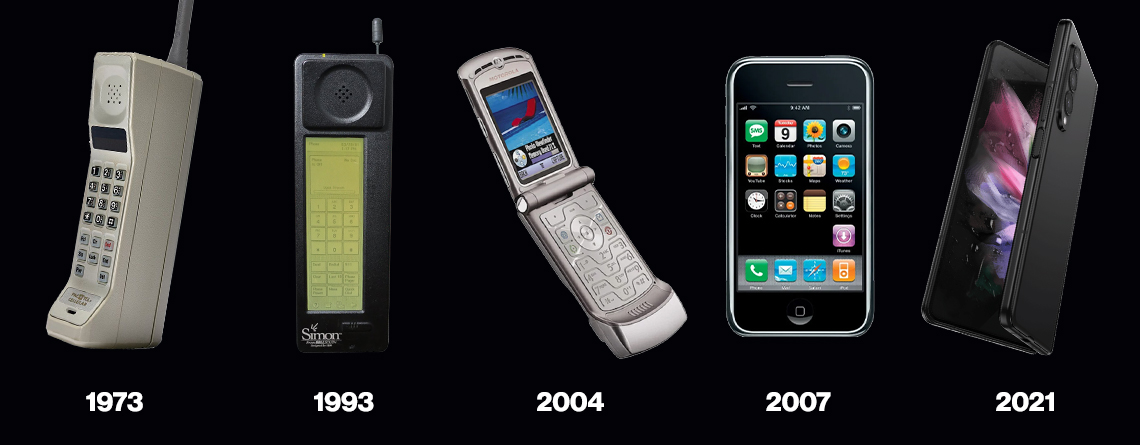
The evolution of smartphones began with a simple concept. A device that could do more than make calls. The first smartphone was a breakthrough in technology. It paved the way for today’s powerful devices. Over the years, smartphones have transformed significantly. From basic communication tools to multifunctional gadgets. This transformation is largely due to advancements in hardware and software.
Advancements In Hardware
Early smartphones had limited capabilities. They featured small screens and basic functions. The first smartphone, IBM Simon, debuted in 1992. It combined a phone with PDA features. As technology advanced, so did smartphone hardware. Companies started introducing color screens and cameras. Memory and storage capacities expanded quickly. Today, smartphones boast high-resolution displays. They include multiple cameras and powerful processors. These changes have made them indispensable tools.
Software Development
Smartphones evolved with software development too. The first models had basic operating systems. They could only run limited applications. The introduction of mobile operating systems changed this. Platforms like Android and iOS offer endless possibilities. These systems support a wide range of apps. Users can now play games, work, and stay connected. Regular updates enhance user experience and security. Software development has truly shaped smartphone evolution.
Credit: www.cellularsales.com
Modern Smartphones And Their Roots
The journey of modern smartphones began with IBM’s Simon Personal Communicator, launched in 1994. It combined phone capabilities with PDA features, paving the way for today’s advanced devices. Simon’s unique design and functions marked a significant milestone in mobile technology history.
The smartphone in your pocket today is a marvel of modern technology, but have you ever wondered about its origins? Modern smartphones, with their sleek designs and powerful capabilities, owe much to their roots. Understanding these roots gives us a sense of how far we’ve come and what we might expect in the future. These devices have evolved from simple tools for communication to essential parts of our daily lives. Think about the first time you used a smartphone and the sense of wonder it brought. Now, let’s dive into the journey from the first smartphone to the ones we use today.Comparing Features
The first smartphone, IBM’s Simon Personal Communicator, was released in 1994. It combined a phone with a PDA, featuring a touchscreen and the ability to send emails. Fast forward to today, and smartphones now offer high-resolution cameras, GPS, and apps for almost everything. Back then, Simon’s battery lasted only an hour of talk time. Now, modern smartphones boast all-day battery life. What features do you most rely on that weren’t even imagined in the 90s?Consumer Expectations
Consumer expectations have evolved alongside smartphone technology. In the early days, simply having a mobile phone was a luxury. Today, consumers expect seamless connectivity, high-speed internet, and constant innovation. Think about the pressure on companies to release new models annually. Does this rapid pace of development always meet your needs, or do you find yourself longing for more stability and longevity in your devices? Remember the excitement of holding your first smartphone. What did you expect it to do? Compare that to your expectations now. It’s fascinating how our demands have shaped the evolution of these devices. Modern smartphones are a testament to human ingenuity and our relentless pursuit of connectivity. As you use your smartphone today, consider how its roots have influenced its current state. What features do you think will define the next generation of smartphones?Smartphone Revolution Today
The smartphone revolution began with IBM’s Simon Personal Communicator in 1992. It featured a touchscreen and basic apps. This innovation paved the way for modern smartphones.
The smartphone revolution today is nothing short of extraordinary. Decades ago, the idea of carrying a powerful computer in your pocket seemed like science fiction. Now, it’s an everyday reality. Smartphones have transformed how we connect, work, and entertain ourselves. But how deep is this transformation, and what does it mean for you and the world around you?Global Connectivity
Smartphones have turned the world into a global village. With just a tap, you can communicate with someone on the other side of the planet. This instant connectivity wasn’t possible before the smartphone era. Video calls, social media, and instant messaging apps have made long-distance communication as easy as talking to a neighbor. Think about your everyday communication. How many times do you text, call, or video chat each day? Each interaction shrinks the world, bringing distant friends and family closer. The smartphone is your personal bridge to the world, making global connectivity feel local.Societal Impact
The societal impact of smartphones is profound. They’ve changed how we consume news, shop, and even think. Access to information is unprecedented—news breaks not in hours but in seconds. Your smartphone is a portal to real-time updates, enabling informed decisions. Smartphones have also redefined commerce. Mobile shopping lets you compare prices, read reviews, and make purchases from anywhere. It’s convenience at your fingertips. But there’s a downside too—constant connectivity can lead to information overload and reduced face-to-face interactions. Have you noticed how often people around you are glued to their screens, even in social settings? The challenge is balancing digital life with real-world interactions. How do you manage this balance in your daily life? Smartphones have revolutionized the world in ways we never imagined. Their impact is visible in every corner of your life, from how you connect to how you engage with society. As you navigate this digital landscape, consider how your smartphone usage shapes your reality.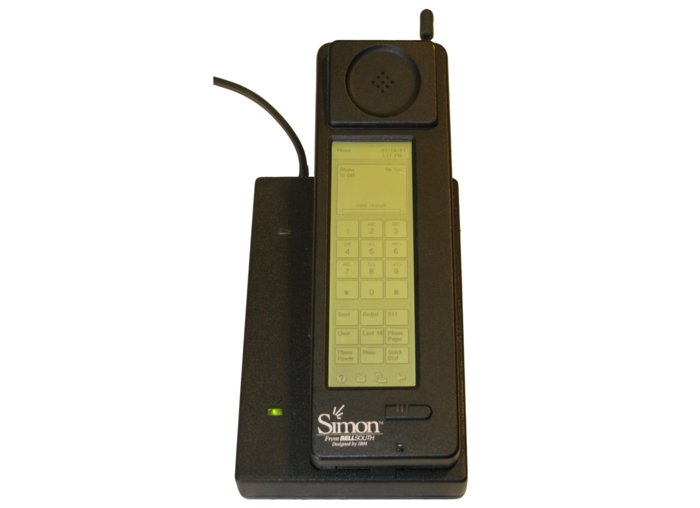
Credit: www.mobileshop.eu
Frequently Asked Questions
What Is The World’s First Smartphone?
The IBM Simon, launched in 1994, is considered the first smartphone. It combined mobile phone capabilities with PDA features, like email and calendar. This pioneering device paved the way for modern smartphones, integrating communication and computing into one handheld unit.
When Was The First Smartphone Released?
The first smartphone, IBM Simon, was released in 1994. It featured a touchscreen, email, and fax capabilities. Its release marked a significant advancement in mobile technology, bridging the gap between telecommunication and personal computing.
Who Invented The First Smartphone?
IBM is credited with inventing the first smartphone, the IBM Simon. Released in 1994, it showcased advanced features, including touchscreen and email. This innovation marked a turning point in mobile technology, influencing subsequent smartphone designs.
Why Is Ibm Simon Called A Smartphone?
IBM Simon is called a smartphone due to its multifunctionality. It combined telephony with computing, offering features like email and calendar. This integration of phone and PDA capabilities set the foundation for today’s smartphones, enhancing mobile communication and productivity.
Conclusion
The first smartphone marked a big step in tech history. It changed how people communicate. It combined a phone and a computer. This led to new ways of living and working. Smartphones now play a key role in everyday life.
From banking to social media, they are essential tools. Understanding the first smartphone helps us appreciate today’s technology. It shows how far we have come. We move forward, but we remember where it started. Each new model builds on that first innovation.
The journey of smartphones continues, shaping the future of communication.



