
Have you ever wondered about the origins of that indispensable device you carry everywhere? The smartphone has transformed the way you live, work, and communicate, but when did this revolution actually begin?
Understanding the year the smartphone was invented not only satisfies your curiosity but also offers a glimpse into how technology evolved to become an essential part of your daily life. By exploring this pivotal moment in history, you gain a deeper appreciation for the innovation and ingenuity that brought you the powerful gadget you now can’t imagine living without.
Dive into this fascinating story and discover how one invention changed the world forever.
Credit: www.cellularsales.com
Early Mobile Communication
The journey of mobile communication has been fascinating. It’s hard to imagine life without smartphones now. But have you ever wondered how this all began? Before smartphones, there were early mobile communication devices that paved the way for the technology we take for granted today. Understanding this evolution not only connects us with the past but can also inspire future innovations.
First Mobile Phones
In the early days, mobile phones were large and cumbersome. Think about carrying a brick around just to make a call. These devices were primarily used by business professionals who needed to communicate on the go.
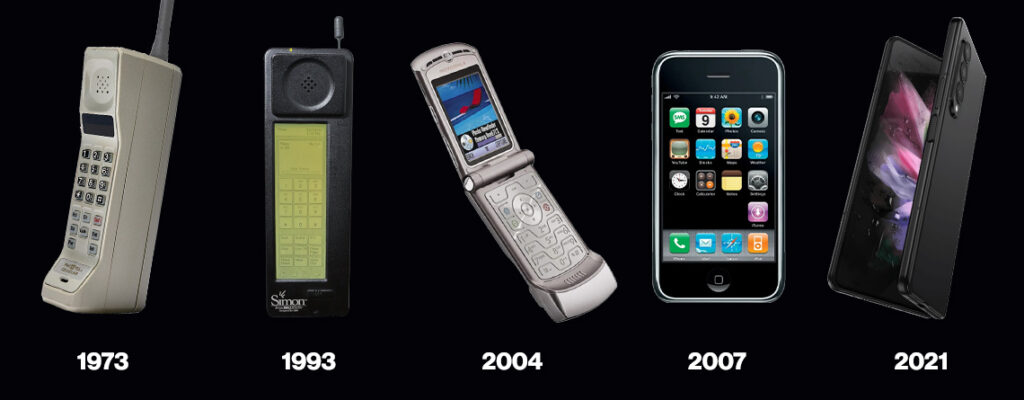
The first mobile phone was introduced by Motorola in 1973. Known as the DynaTAC 8000X, it was a groundbreaking invention despite its hefty size. It offered a glimpse into the future possibilities of mobile communication, sparking a wave of excitement and innovation.
Cellular Network Beginnings
The success of early mobile phones depended heavily on the creation of cellular networks. Before these networks, mobile phones had limited range and were not very practical. The development of the first cellular network in Japan in 1979 changed everything.
Imagine living in a world where you could only call someone if you were in a specific location. Cellular networks transformed this by allowing calls to be made from virtually anywhere. This was a pivotal moment, making mobile communication more accessible and reliable.
As these networks grew, so did the popularity of mobile phones. By the 1980s, several countries had launched their own networks, connecting more people than ever before. Can you think of how different your life would be without today’s seamless connectivity?
The evolution from these early days of mobile communication to today’s smartphones shows just how far we’ve come. It’s a testament to human ingenuity and the relentless pursuit of better communication.
Birth Of The Smartphone
The smartphone has become an essential part of our daily lives, but have you ever wondered when this revolutionary device was born? It all began with a pioneering gadget that transformed the way we communicate. The birth of the smartphone marked a significant leap in technology, setting the stage for the modern devices we hold in our hands today. Let’s dive into the origins of this innovation and explore its journey from the first smartphone to the key features that defined early models.
Ibm Simon: The Pioneer Device
In 1992, IBM unveiled a device that would set the foundation for what we now call a smartphone. The IBM Simon Personal Communicator was introduced to the world at the COMDEX trade show. It wasn’t just a phone; it was a combination of a mobile phone and a PDA.
This groundbreaking device allowed users to make calls, send emails, and manage contacts. Imagine having these capabilities in the early ’90s—it was nothing short of revolutionary. The Simon was bulky and had a limited battery life, but it paved the way for future innovations.
Think about how far technology has come since then. Could you imagine carrying a device like the Simon around today? It’s fascinating to see how the smartphone has evolved from such humble beginnings.
Key Features Of Early Smartphones
Early smartphones had features that were considered cutting-edge at the time. They included touchscreens, albeit primitive compared to today’s standards, and built-in apps like calculators and calendars.
These devices also introduced the concept of mobile email, which was a game-changer for professionals on the go. Can you imagine the excitement of checking emails without needing a computer? It was a new frontier for communication.
Another standout feature was the ability to store contacts digitally. Gone were the days of jotting down numbers in a notebook. This was the beginning of digital organization, a feature we now take for granted.
Reflect on how these early features laid the groundwork for today’s smartphones. What features do you think are essential now that weren’t even imagined back then?
The birth of the smartphone was a pivotal moment in tech history. As you hold your smartphone today, remember its journey from the IBM Simon to the powerful tool it is now. Consider the possibilities that lie ahead as technology continues to advance. What innovations will future smartphones bring to your fingertips?
Technological Innovations
The smartphone’s invention marks a pivotal moment in technological history, transforming how we communicate, work, and entertain ourselves. The journey of innovation didn’t happen overnight. It was a series of breakthroughs that led to the powerful devices you hold in your hands today. Let’s dive into some key innovations that played a crucial role.
Touchscreen Revolution
Remember the first time you swiped your fingers across a screen? It was like magic. Touchscreens changed everything. Before them, phones had tiny keyboards and clunky buttons. The introduction of touch technology made phones sleek, interactive, and user-friendly. It wasn’t just about aesthetics; it was about making technology accessible. Imagine trying to navigate the internet on those tiny keypads! Touchscreens paved the way for more intuitive interfaces. They made smartphones smart.
Integration Of Internet And Apps
Think back to a time when accessing the internet on your phone felt like science fiction. The integration of the internet into smartphones reshaped connectivity. It’s hard to imagine life without instant access to information at your fingertips. Apps further personalized this experience. They turned phones into multifunctional tools. From social media to banking, apps brought convenience and functionality. Have you ever thought about how much you depend on them daily? This integration made smartphones indispensable.
As you reflect on these innovations, consider how they’ve impacted your daily life. Do you ever wonder what the next big breakthrough might be? Technological advancements continue to shape our world, ensuring that the story of the smartphone is far from over.
Evolution Of Smartphone Design
The smartphone’s design has changed a lot over the years. From bulky devices to sleek gadgets, its transformation is fascinating. This change is not just about looks. It’s also about making the phone easier to use and carry. Let’s explore the evolution of smartphone design.
From Keypads To Touchscreens
Early smartphones had physical keypads. These were similar to those on old cell phones. Users pressed buttons to type or dial. This design was practical but limited. Then came touchscreens. They changed everything. Touchscreens allowed for more interaction with the device. Swiping, tapping, and pinching became common actions. This made smartphones more versatile.
Rise Of Sleek And Slim Models
Smartphones started as bulky devices. They were heavy and thick. Over time, design became important. Manufacturers focused on making phones thin and light. Sleek models became popular. They fit easily in pockets and hands. This change appealed to users who wanted style and convenience. Today, slim smartphones are the norm. They combine beauty with functionality.
Impact On Society
The invention of the smartphone marked a significant shift. It transformed how people interact, work, and live. From communication to daily tasks, smartphones have reshaped society.
With a smartphone, information is always at your fingertips. It bridges gaps and connects people across the globe. The social impact is profound and widespread.
Changing Communication Habits
Smartphones changed how we communicate. Texting and instant messaging became common. People prefer these over phone calls. Emojis and stickers add emotion to messages. They make texting more expressive and fun.
Social media apps like Facebook and Twitter grew. They became platforms for sharing news, thoughts, and ideas. Users interact and engage with content in real-time.
Video calls are now easy and accessible. Families and friends can connect face-to-face, regardless of distance. Communication is faster and more direct.
Smartphones In Everyday Life
Smartphones are integral to daily routines. They serve as alarms and calendars. People manage schedules and reminders with ease.
Access to the internet is constant. Users browse websites, check emails, and stream videos. This connectivity is vital for work and leisure.
Apps simplify tasks like shopping and banking. Transactions are completed with a few taps. Convenience is key to modern living.
Smartphones offer entertainment on demand. Music, movies, and games are available anytime. Leisure activities are more accessible and diverse.
Navigation apps guide users through cities. GPS technology helps find routes and destinations. Travel is easier and less stressful.

Credit: www.weforum.org
Future Trends
The smartphone’s invention marked a turning point in technology. It opened doors to endless possibilities. As we look ahead, future trends in smartphones promise exciting advancements. These changes could reshape our daily lives and communication.
Emerging Technologies In Smartphones
Smartphones are embracing new technologies fast. Artificial intelligence is playing a larger role. AI improves user experience through smart assistants and predictive text. Augmented reality features are becoming more common. They enhance gaming and shopping experiences.
Foldable screens are a recent innovation. They offer flexibility and new design possibilities. 5G technology is expanding rapidly. It promises faster internet and smoother streaming.
Potential Innovations Ahead
Future smartphones might have holographic displays. Imagine seeing 3D images without glasses. Battery technology is evolving too. Phones could last days without charging.
Biometric security is advancing. Fingerprint and facial recognition may become more precise. Virtual reality might integrate more deeply into phones. This could change how we watch videos or play games.
Environmental impact is a focus. Manufacturers aim for sustainable materials and energy-efficient designs. The future holds endless potential for smartphones.
-min.jpeg)
Credit: www.textedly.com
Frequently Asked Questions
When Was The First Smartphone Released?
The first smartphone, IBM Simon, was released in 1994. It combined mobile phone functionality with PDA features. It was a groundbreaking device that laid the foundation for modern smartphones. Despite its limited sales, it influenced future technological innovations in mobile communication.
Who Invented The First Smartphone?
IBM and BellSouth jointly developed the first smartphone, known as IBM Simon. It was invented by Frank J. Canova. This innovative device integrated telephone and PDA capabilities, setting the stage for future smartphone advancements.
What Features Did The First Smartphone Have?
IBM Simon offered basic PDA functions like calendar, address book, and email. It also had a touchscreen interface. Though primitive by today’s standards, these features marked a significant step towards modern smartphones.
How Did Smartphones Evolve After Ibm Simon?
Smartphones evolved rapidly after IBM Simon, with improvements in design, functionality, and connectivity. Companies like Nokia, BlackBerry, and Apple played key roles. Each brought innovative features, such as internet access, cameras, and apps, transforming smartphones into essential everyday devices.
Conclusion
The smartphone’s invention marked a pivotal moment in tech history. It began with IBM’s Simon in 1992. Since then, smartphones have changed how we live and work. They connect us instantly and provide endless information. Each year brings new features and improvements.
Smartphones are now essential in our daily lives. Their evolution shows our drive for innovation and convenience. As technology advances, the smartphone continues to adapt. It remains a powerful tool in our hands. The journey from the first smartphone to today has been incredible.
What’s next? We can only imagine.



