
Have you ever wondered when smartphones first made their grand entrance into our lives? These powerful little devices have become an essential part of our daily routines, but their origins might surprise you.
Imagine a world where your phone was just a phone, without the endless apps, internet browsing, or GPS navigation. Hard to believe, right? But that was the reality not too long ago. By understanding the history of smartphones, you gain a new appreciation for the technology you often take for granted.
Keep reading to discover the fascinating story of how these revolutionary devices came to be and how they changed the way you communicate and connect forever.
Early Mobile Communication
Before smartphones, early mobile communication laid the groundwork for today’s devices. This era marked the beginning of wireless connectivity. People started exploring ways to communicate without landlines. The journey was full of experiments and discoveries.
The Birth Of Mobile Phones
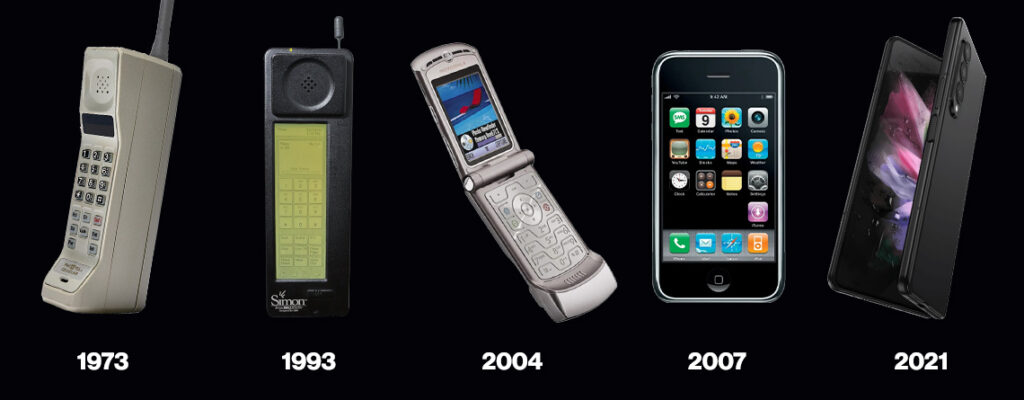
In 1973, the first mobile phone call was made. Martin Cooper from Motorola made this call. It was a significant moment in technology history. The phone used was a large handheld device. It was not compact or user-friendly. This invention paved the way for future innovations.
First Mobile Networks
The 1980s saw the rise of the first mobile networks. These networks were called 1G networks. They provided basic voice communication. The coverage was limited and often unreliable. But they were a big step forward. Mobile networks began expanding globally. This growth set the stage for further advancements. The foundation for modern smartphones was established.

Credit: www.textline.com
The First Smartphones
Smartphones changed how people communicate. They merged multiple functions into one device. People could call, send messages, and browse the web. The journey started in the early 1990s. The first models laid the foundation for the phones we use today. This era marked the birth of smart devices. Let’s explore the pioneers in smartphone history.
Ibm Simon: The Pioneer
The IBM Simon was the first smartphone. Launched in 1994, it combined a phone and a PDA. Simon had a touchscreen interface. Users could make calls and manage contacts easily. It featured an email service. This was groundbreaking at the time. Simon also included basic apps. These apps allowed users to schedule tasks and write notes. The device was bulky and had a short battery life.
Features Of Early Smartphones
Early smartphones had simple features. Touchscreens were not as responsive as today. They often used stylus pens for navigation. Connectivity options were limited. Internet access was slow and costly. Early models included basic apps. These apps helped with personal organization. Features like calendars and calculators were common.
Early smartphones had basic games. They offered simple entertainment options. Storage capacity was limited. Users could store few contacts and messages. Screens were small and monochrome. Display quality improved over time. These devices laid the groundwork for modern smartphones.
Evolution Of Smartphone Technology
The journey of smartphones is a fascinating tale of technological evolution. From bulky devices with limited functions to sleek, powerful gadgets that fit in your pocket, smartphones have transformed the way you communicate, work, and play. Have you ever wondered how your phone became so smart? Let’s dive into the key advancements that shaped this incredible evolution.
Advancements In Software
The software in your smartphone is like the brain behind its operations. Early smartphones had simple applications, but today, they run sophisticated software that allows multitasking, gaming, and productivity on-the-go. Remember the first time you used an app to order food or navigate a new city? Such experiences were made possible by continuous software advancements.
Companies are constantly updating software to improve performance and security. These updates often bring exciting new features, keeping your device fresh and functional. Have you noticed how your phone gets smarter every time you install an update? That’s the magic of software advancements.
Touchscreen Innovations
Touchscreens have revolutionized how you interact with your phone. Do you recall the first time you swiped across a screen? It felt like magic. Early smartphones relied on physical buttons, but touchscreen technology has streamlined interaction, making it intuitive and engaging.
Innovations in touchscreen technology have made displays more responsive and vibrant. You can pinch, zoom, and swipe effortlessly, thanks to these advances. Touchscreens have also paved the way for larger screens, enhancing your viewing experience. Ever wondered what your favorite game would be like without a touchscreen?
Rise Of Mobile Operating Systems
Mobile operating systems are the backbone of smartphone functionality. Systems like Android and iOS have defined the user experience and set standards for efficiency and ease of use. Do you remember switching from a flip phone to a smartphone? The operating system played a big part in that transition.
Mobile OS updates bring new capabilities, turning your phone into a versatile tool. Whether you’re streaming music, managing tasks, or connecting with friends, the operating system makes it all possible. How much do you rely on your phone’s OS daily?
The evolution of smartphone technology is a testament to human ingenuity and innovation. As you hold your smartphone, consider the advancements that have brought it to life. What will the next decade of smartphone evolution bring? The possibilities are endless, and you are part of this exciting journey.
Smartphones In The 2000s
The 2000s was a transformative decade for technology, with smartphones emerging as a central player in our daily lives. During this time, the mobile phone evolved from a simple communication device to a powerful tool that combined the internet, computing, and multimedia in one pocket-sized device. This evolution changed not only how we communicate but also how we work, learn, and entertain ourselves.
Apple’s Iphone Revolution
In 2007, Apple launched the iPhone, a device that arguably redefined what a smartphone could be. Its innovative touch screen replaced the physical keyboard, making the device sleek and easy to use. The iPhone also introduced the App Store, allowing users to customize their phones with applications that met their personal needs.
Remember the time when you had to carry a separate camera, phone, and MP3 player? The iPhone changed all that by integrating these features seamlessly. It wasn’t just a phone; it was a lifestyle shift that redefined mobile technology.
Android’s Emergence
While Apple was making waves, Android was quietly building its ecosystem. Released in 2008, the Android operating system offered an open platform, allowing various manufacturers to create diverse devices. This openness fueled innovation and competition, leading to a wide array of affordable smartphones that catered to different user needs.
Consider the choices you have today when buying a smartphone. Android’s flexibility and variety can be traced back to its early days when it broke the mold of a one-size-fits-all approach. This diversity not only increased smartphone accessibility but also spurred rapid technological advancements.
The 2000s were more than just the dawn of smartphones; they were a decade of choice and customization. As you think about your current smartphone, ask yourself: would it exist without these pioneering steps? The innovations of the 2000s laid the foundation for the digital world we navigate today, one tap at a time.
Key Milestones In Smartphone History
The smartphone’s journey has been full of significant milestones. These milestones have changed how we live and communicate. From simple communication devices, smartphones have evolved into powerful tools. Let’s explore some key milestones that shaped smartphone history.
Integration Of Internet And Apps
Smartphones first integrated the internet in the late 1990s. This feature enabled users to browse websites on the go. It marked a shift from basic phones to smarter devices. The launch of apps followed soon after. Apps transformed smartphones into multi-functional gadgets. They offered tools for productivity, entertainment, and social connection. Each app added more value to the smartphone experience.
Introduction Of Cameras And Multimedia
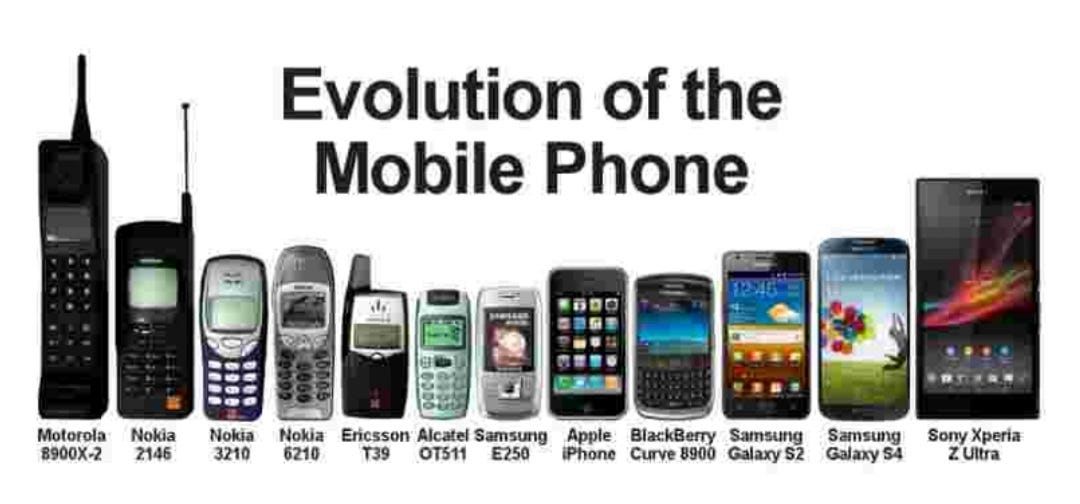
The first smartphone with a camera appeared in the early 2000s. It allowed users to capture memories instantly. This was a major leap in smartphone features. Soon, multimedia capabilities expanded. Smartphones began playing music and videos. This added a new dimension to personal entertainment. Cameras and multimedia functions became essential in smartphones. They changed how people share and consume media.
Credit: jaaduse.com
Impact On Society And Culture
Smartphones first emerged in the late 1990s, transforming communication and daily life. Their influence reshaped social interactions, making digital connectivity a norm. Society and culture adapted, embracing new technologies and changing lifestyles.
The introduction of smartphones has revolutionized society and culture, altering how we interact, work, and perceive the world. These pocket-sized devices have become integral to daily life, reshaping communication patterns and influencing our daily routines. But how deep is their impact on our lives?Changing Communication Patterns
Smartphones have drastically changed the way you communicate. Texting, instant messaging, and social media platforms have replaced traditional phone calls and face-to-face conversations. Consider how often you reach for your phone to send a quick message instead of dialing a number. This shift has made communication faster and more accessible, but it also brings new challenges. Are we losing the personal touch in our interactions? With smartphones, you’re never truly offline. This constant connectivity means you can share moments instantly. However, it raises questions about privacy and the pressure to be available at all times. How do you balance staying connected and maintaining personal space?Influence On Daily Life
Think about your morning routine. Chances are, your smartphone plays a significant role. From checking emails to browsing news, these devices have become your first and last point of contact each day. Smartphones have transformed how you manage daily tasks. You can book a cab, order groceries, or even track your fitness with just a few taps. But have these conveniences made life simpler or more hectic? The impact is also evident in entertainment. Streaming services and mobile games offer endless distractions, often competing for your attention. How do you ensure your smartphone enhances rather than detracts from your daily life? Reflect on these changes. Smartphones have undeniably impacted society and culture, but how do you harness their benefits while mitigating their challenges? The key lies in finding a balance that works for you.Future Of Smartphones
As we stand on the brink of the next wave of technological advancement, the future of smartphones promises to be nothing short of revolutionary. From sleek designs to groundbreaking functionalities, the evolution of smartphones is set to transform the way we connect, communicate, and even think. Imagine a world where your phone understands your needs before you do, and adapts to make your life easier and more efficient.
Predicted Technological Innovations
One of the most exciting predictions is the rise of foldable and flexible screens. These innovations will allow you to carry a compact device that unfolds into a larger display when needed. This not only enhances portability but also improves your viewing experience.
Artificial intelligence integration is another anticipated leap. Your smartphone will become more intuitive, learning from your habits and preferences. Picture having a personal assistant that anticipates your schedule, helps with tasks, and even suggests personalized content just for you.
With advancements in battery technology, charging might become a thing of the past. Wireless charging stations could be everywhere, ensuring your device is always powered up. Or even better, solar-powered smartphones could emerge, harnessing energy from the sun.
Potential Changes In User Experience
Consider how smartphones could reshape your daily interactions. The user interface might become even more seamless, responding to gestures and voice commands with precision. This intuitive design will make navigation effortless and enjoyable.
Augmented reality is poised to take center stage. You could use your phone to overlay digital information on the real world, making shopping, travel, and learning more immersive and interactive. Imagine walking into a store and immediately seeing reviews and prices hovering over products.
Security is another key area of change. Future smartphones may utilize advanced biometric systems, such as facial recognition and fingerprint scanning, to ensure your data remains secure. This will give you peace of mind, knowing your information is protected.
As these innovations unfold, one must wonder: How will these changes impact our reliance on smartphones? Will they become even more integral to our lives, or will there be a shift towards more human-centric experiences? Your thoughts on this could shape the future of smartphone development.
Credit: www.cellularsales.com
Frequently Asked Questions
What Year Were Smartphones First Introduced?
Smartphones first made their debut in 1992 with the release of the IBM Simon. It combined mobile phone capabilities with PDA features. Although primitive by today’s standards, it laid the groundwork for future smartphone developments. It wasn’t until the 2000s that smartphones gained widespread popularity.
Who Invented The First Smartphone?
The first smartphone, the IBM Simon, was invented by Frank J. Canova. Released in 1992, it offered features like email, calendar, and touchscreen. Canova’s invention paved the way for modern smartphones, revolutionizing communication and technology. It marked the beginning of a new era in mobile devices.
How Did Smartphones Evolve Over Time?
Smartphones have evolved significantly since their inception. Early models combined basic mobile functions with limited computing capabilities. Over time, they integrated cameras, internet access, and app stores. Today, smartphones are advanced devices with multi-core processors, high-resolution screens, and AI features, transforming how we communicate and interact.
What Was The First Touchscreen Smartphone?
The IBM Simon was the first touchscreen smartphone, launched in 1992. It featured a monochrome LCD touchscreen and combined phone and PDA functionalities. Despite its limitations, it was groundbreaking for its time. It set the stage for the development of modern touchscreen smartphones widely used today.
Conclusion
Smartphones changed how we communicate. They made life easier and faster. From the first model to now, their growth is impressive. Each year, technology advances and surprises us. The journey started years ago but continues today. Smartphones are more than gadgets; they connect people worldwide.
They offer countless apps for work, play, and learning. As technology progresses, smartphones will keep evolving. The future holds exciting possibilities for these devices. Stay curious and watch the next steps in smartphone history. Always keep an eye on new trends and updates.
The journey of smartphones is far from over.