
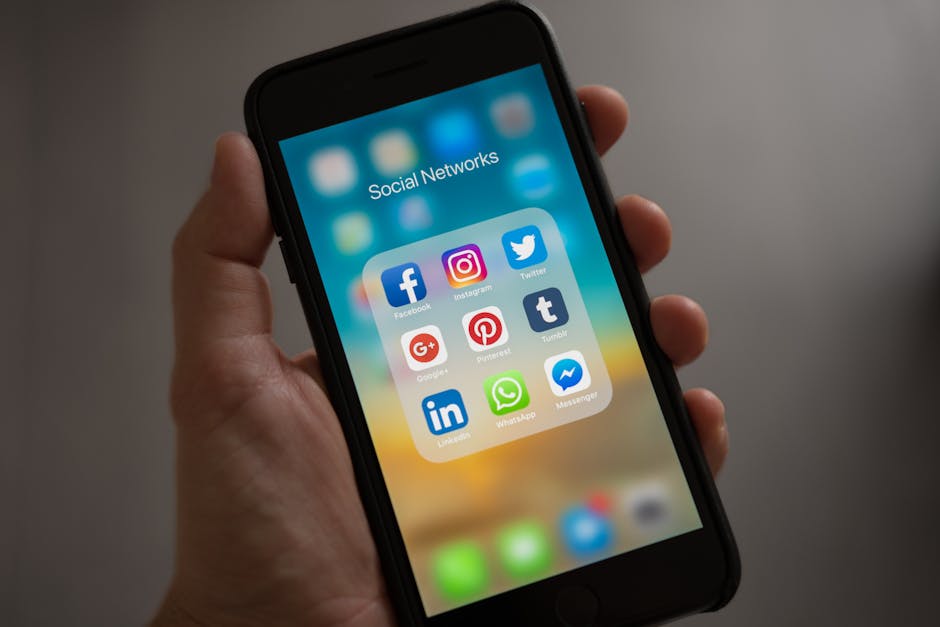
Have you ever wondered who invented the touch screen smartphone? You probably use it every day, tapping and swiping effortlessly.
But do you know the story behind this groundbreaking technology? The touch screen smartphone has revolutionized how you communicate, work, and entertain yourself. It’s hard to imagine a world without it. You’ll uncover the fascinating journey and the brilliant minds that made this innovation possible.
Prepare to be intrigued and amazed as you delve into the history of a device that’s become an essential part of your life. Let’s explore the origins and find out who truly deserves the credit for this technological marvel.
Early Innovations
The first touch screen smartphone was created by IBM. Called Simon, it debuted in 1992. This device had a monochrome screen and offered basic apps.
In the realm of modern technology, the touch screen smartphone stands as a revolutionary invention, transforming the way we interact with the digital world. But have you ever wondered where it all began? The journey of touch screen smartphones is rooted in early innovations that laid the foundation for the devices we now can’t live without. These early milestones are not just fascinating; they also offer a glimpse into the forward-thinking minds that dared to dream beyond the conventional.Origins Of Touchscreen Technology
The concept of touch-based technology dates back to the 1960s. It was initially developed for air traffic control systems, where precision was key. The first known touch screen was created by E.A. Johnson at the Royal Radar Establishment in the UK. His work was groundbreaking at that time. It aimed to ease the interaction between humans and machines. Johnson’s touch screen could detect contact at a single point, a simple yet pivotal development.Key Contributions In The 20th Century
Moving into the 1970s, touch screen technology began to evolve further. Companies like CERN and the University of Illinois started experimenting with multi-touch interfaces. These innovations were crucial stepping stones towards the technology we use today. By the 1980s, the first capacitive touch screen was developed by American inventor George Samuel Hurst. Although initially intended for computers, it sparked interest in broader applications. This led to more companies exploring the potential of touch screens. What might have happened if these inventors hadn’t taken those initial steps? Would we still be swiping and tapping our way through digital life as we do now? As you hold your smartphone, consider the layers of history embedded within its sleek design. Each feature you use daily was once a novel idea in a research lab. The journey of touch screen technology is a testament to human innovation and curiosity. Understanding these early innovations not only enriches your appreciation for your device but also inspires you to think about the next big leap in technology. What future innovation will you witness that will reshape our digital interactions?
Credit: www.cnbc.com
The First Touchscreen Devices
Have you ever wondered how the touchscreen revolution began? The journey to the smartphone in your pocket today started with some fascinating early devices. These pioneers laid the groundwork for the technology that keeps us connected and informed.
Ibm Simon: The Pioneer
The IBM Simon was the first touchscreen smartphone, debuting in 1992. It combined the features of a mobile phone with a PDA, offering email, calendar, and even fax capabilities. Imagine owning a device that could send a fax!
Simon was bulky and had limited battery life, yet it was revolutionary. It showed the world that a phone could be more than just a device to make calls. Would you have guessed that a piece of technology from the early ’90s would lead us to today’s sleek designs?
Other Early Contenders
While IBM Simon was groundbreaking, other devices also contributed to the touchscreen evolution. Remember the PalmPilot? It was a handheld device that allowed you to organize your life digitally. It didn’t have phone capabilities, but it was a step closer to the touchscreen world.
And then there was the Apple Newton. It struggled with market acceptance but introduced handwriting recognition, a feature we use daily. These early devices faced challenges but paved the way for innovation. What if they hadn’t pushed the boundaries?
Think about how far we’ve come since those days. Early touchscreen devices might seem outdated now, but they were the stepping stones to the powerful tools we hold in our hands today.
Apple’s Breakthrough
Apple’s entry into the smartphone market marked a significant shift. The company introduced a new way to interact with technology. Their creation changed how people viewed mobile devices. The touch screen smartphone became a reality thanks to Apple’s efforts. This invention made communication easier and more intuitive for users.
Before Apple’s breakthrough, phones had keyboards or styluses. Apple removed these and replaced them with a touch screen. This move simplified user interaction with the device. It also set a new standard for smartphone design worldwide.
Introduction Of The Iphone
In 2007, Apple launched the iPhone. It was sleek, modern, and user-friendly. The iPhone’s touch screen allowed users to tap, swipe, and pinch. No need for buttons. The device combined a phone, music player, and internet device. All in one small package. This innovation caught the attention of both tech enthusiasts and regular users.
Steve Jobs introduced the iPhone to the world. His presentation captivated audiences and demonstrated the phone’s capabilities. The iPhone was a device ahead of its time. It quickly became a symbol of modern technology and innovation.
Impact On The Market
The iPhone set a new benchmark in the mobile market. Competitors scrambled to create similar devices. Many adopted the touch screen design. The smartphone market grew rapidly due to this innovation. Users embraced the ease of use and sleek design.
Apple gained significant market share with the iPhone. It became a leader in the tech industry. The introduction of the App Store further boosted the iPhone’s appeal. Developers created apps that enhanced the phone’s functionality. People could now customize their phones like never before.
Other companies followed Apple’s lead. They introduced their own touch screen smartphones. But Apple’s iPhone remained a favorite for many users. Its simplicity, design, and functionality set it apart from competitors.

Credit: www.weforum.org
Other Industry Players
While Apple’s iPhone often gets credit, several companies contributed to touchscreen smartphone evolution. These industry players played crucial roles in shaping today’s mobile landscape.
Samsung’s Role
Samsung entered the smartphone market with innovative designs. Their Galaxy series introduced advanced features. Touchscreens became more responsive and user-friendly. Samsung focused on improving display quality. AMOLED screens offered vibrant colors and deeper blacks. Their devices gained popularity for sleek designs.
Samsung also emphasized software enhancements. Their Android interface provided customization options. Users could personalize their smartphones easily. Samsung’s contributions helped elevate touchscreen technology standards.
Innovations By Nokia And Others
Nokia was once a dominant player in mobile technology. Early models featured resistive touchscreens. Though less responsive, they allowed basic touch functions. Nokia focused on durability and battery life. Their devices were known for reliability.
Other companies like LG and HTC also contributed. LG launched devices with capacitive screens. HTC introduced intuitive user interfaces. These innovations improved touchscreen functionality. Each player added unique elements to the market.
Collectively, these companies pushed boundaries. Their efforts paved the way for modern smartphones. The landscape evolved, offering users better experiences.
Technological Evolution
The touch screen smartphone has changed how we interact with technology. It has simplified tasks and expanded possibilities. Understanding its journey helps appreciate its value. Let’s dive into its technological evolution.
Advancements In Touchscreen Technology
Touchscreens started as a simple feature in devices. They evolved rapidly over time. Early models used resistive technology. This required pressure to register input. Capacitive technology later replaced it. This new method sensed touch through electric charge. Capacitive screens offered smoother and more precise interaction. They quickly became popular.
These screens improved with every iteration. Multi-touch capabilities were introduced. Users could now zoom or rotate images with ease. This added a new level of interaction. Durability also increased. Screens became resistant to scratches and impacts. Enhanced clarity and responsiveness became standard features. These advancements made touchscreens indispensable.
Software Innovations Driving Change
Software development played a key role. It matched the hardware’s pace. Operating systems were optimized for touch inputs. They became intuitive and user-friendly. Gestures and swipes replaced buttons. Apps offered seamless navigation. This created an engaging user experience.
Developers focused on maximizing the screen’s potential. Apps were designed to be visually appealing. Features like drag-and-drop and pinch-to-zoom became standard. These innovations made tasks more efficient and enjoyable.
Software updates ensured devices stayed relevant. They introduced new functionalities. This kept users engaged and satisfied. The harmony between software and hardware pushed technology forward. The result was a smartphone that met user needs effectively.
Cultural Impact
The touch screen smartphone reshaped our daily interactions and lifestyle. Its cultural impact is profound, affecting how we communicate, work, and entertain ourselves. The device’s introduction brought significant changes in consumer habits and societal norms.
Shift In Consumer Behavior
The touch screen smartphone altered how people purchase and use technology. Consumers now prefer devices with multifunctional capabilities. The demand for apps and digital services soared. Smartphones became essential tools for both work and leisure. Shopping habits changed too. People started buying online more frequently. Digital wallets and mobile banking gained popularity.
Global Adoption And Influence
Smartphones influenced cultures worldwide. They bridged communication gaps across continents. People shared ideas and traditions effortlessly. Languages and cultures became more accessible. Social media became a hub for cultural exchange. Global trends spread swiftly through smartphone screens. The touch screen smartphone connected diverse societies.
The Future Of Touchscreen Smartphones
The touchscreen smartphone has transformed how we interact with technology. But what does the future hold for these ubiquitous devices? As technology advances, touchscreen smartphones will continue to evolve, offering new features and capabilities that can change your daily life. Imagine a world where your phone adapts to your needs, becoming more intuitive and integrated into your environment.
Emerging Technologies
Smartphones are getting smarter. New technologies are emerging that could redefine your interaction with these devices. Think about foldable screens that allow for larger displays without sacrificing portability. This innovation might soon be in your pocket, enabling you to multitask with ease.
Another exciting development is haptic feedback. It’s not just about vibrations anymore. Imagine feeling textures through your screen. This could enhance gaming experiences or make typing more tactile and enjoyable.
Potential Developments
What if your smartphone could sense your mood? Future devices might use AI to adapt their interface based on your emotions. Picture a phone that dims its brightness when you’re stressed or plays calming music when needed. This personalization could make your phone a true companion.
There’s also a possibility of phones becoming more health-centric. With sensors capable of monitoring your vital signs, your smartphone might soon help you track your fitness goals more accurately. It could alert you before you even feel sick, acting as a personal health assistant.
The touchscreen smartphone’s future is bright and full of potential. How will these innovations impact your life? Are you ready for a phone that understands and adapts to you? As we anticipate these advancements, it’s clear that the journey of touchscreen smartphones is far from over.
-min.jpeg)
Credit: www.textedly.com
Frequently Asked Questions
Who First Developed Touch Screen Technology?
Touch screen technology was first developed in the 1960s. E. A. Johnson at the Royal Radar Establishment in England was a key contributor. His work laid the foundation for future touch interfaces in various devices.
When Was The First Touch Screen Smartphone Released?
The first touch screen smartphone was released in 1992. IBM introduced the Simon Personal Communicator, a pioneering device. It combined phone capabilities with PDA functions, marking a significant technological leap.
Which Company Popularized Touch Screen Smartphones?
Apple popularized touch screen smartphones with the iPhone in 2007. The iPhone’s intuitive interface and sleek design captured global attention. It revolutionized how people interact with mobile devices.
What Features Did Early Touch Screen Smartphones Have?
Early touch screen smartphones had basic features. They included email, calendar, and simple apps. Over time, features like internet browsing and multimedia expanded their functionality.
Conclusion
The journey of the touch screen smartphone is fascinating. Early innovators paved the way. Their creativity shaped today’s technology. From basic touch interfaces to advanced screens, progress continued rapidly. Each inventor contributed unique ideas. The smartphone now dominates daily life.
Its evolution reflects human ingenuity and need for connection. Understanding its history helps appreciate its impact. The touch screen smartphone revolutionized how we communicate and access information. It transformed our world. Exploring its origins offers valuable insights. The touch screen smartphone remains a symbol of technological advancement.
An essential tool in modern society.



