
Are you ready to dive into a world where pixels became more than just tiny squares on a screen? The era of 4th generation video game consoles was a game-changer, literally.
These consoles didn’t just entertain; they revolutionized the way you played, offering a whole new dimension of fun and excitement. From the iconic clashes between Sega Genesis and Super Nintendo, to the groundbreaking innovations that paved the way for modern gaming, this era holds a special place in gaming history.
By understanding the magic of these systems, you’ll uncover why they still capture the hearts of gamers today. Let’s explore what made these consoles so special and why they continue to influence the gaming landscape. Keep reading to discover how these classic consoles laid the foundation for your favorite games and shaped the experiences you cherish.
Rise Of 16-bit Systems
The rise of 16-bit systems marked a pivotal moment in gaming history. These consoles brought a fresh wave of graphics, sound, and gameplay, leaving an indelible mark on gamers worldwide. As technology advanced, so did our expectations for immersive gaming experiences. The transition from 8-bit systems to 16-bit consoles wasn’t just an upgrade; it was a revolution in how games were created and enjoyed.
Transition From 8-bit
Remember the days of pixelated landscapes and choppy soundtracks? Those were the hallmarks of 8-bit systems. As technology evolved, so did the desire for richer visuals and smoother gameplay. The leap to 16-bit allowed developers to create more complex worlds and characters. Suddenly, games weren’t just about completing levels; they were about exploring vibrant, detailed environments.
Think about the impact this had on you as a gamer. Did you notice how much more you got immersed in the storyline? With better graphics and sound, games became more than just a pastime; they became an experience. You could lose yourself for hours, captivated by the enhanced detail and depth.
Key Players In The Market
During the rise of 16-bit consoles, several key players emerged, each vying for dominance. Sega and Nintendo were at the forefront, each offering unique experiences that captivated audiences. Sega’s Genesis brought speed and attitude, while Nintendo’s Super Nintendo Entertainment System (SNES) offered a diverse library of games.
Consider the impact these companies had on your gaming preferences. Did you find yourself drawn to Sega’s edgy titles or Nintendo’s classic adventures? These choices shaped not only your gaming experience but also your nostalgia. What game from this era still holds a special place in your heart?
Other companies tried to compete but often struggled against these giants. The competition pushed innovation, leading to even better games and consoles. As a gamer, you benefited from this rivalry, enjoying the fruits of their battle for supremacy.
The rise of 16-bit systems wasn’t just about technology; it was about transforming gaming into a more immersive and personal experience. Whether you were a Sega fan or a Nintendo loyalist, the transition to 16-bit left an undeniable impact on how you view games today. What do you remember most about this era?

Credit: www.youtube.com
Iconic Consoles
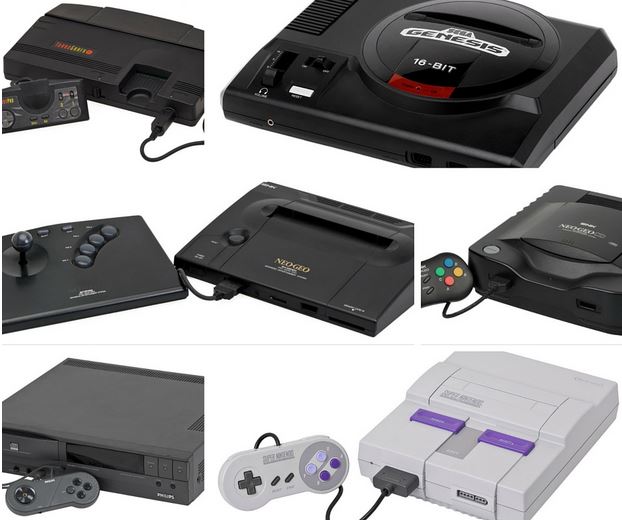
The 4th generation of video game consoles brought incredible excitement. Gamers experienced better graphics, engaging gameplay, and more interactive worlds. Some consoles became legends in gaming history. Each offered unique features and unforgettable games. Let’s explore these iconic consoles.
Super Nintendo Entertainment System
Released by Nintendo, the Super Nintendo Entertainment System (SNES) became a household name. It offered improved sound and graphics over its predecessor. Games like “Super Mario World” and “The Legend of Zelda: A Link to the Past” captured hearts worldwide. SNES introduced gamers to thrilling adventures and memorable characters.
Sega Genesis
Sega Genesis brought fierce competition to the gaming market. Known for its fast-paced games, Genesis challenged players with titles like “Sonic the Hedgehog.” The console featured a sleek design and powerful hardware. Sega Genesis became a favorite for many gamers seeking action-packed experiences.
Neo Geo
Neo Geo stood out with its arcade-quality graphics. Known for fighting games, it appealed to fans of intense gameplay. Titles like “Metal Slug” and “King of Fighters” offered thrilling action. Neo Geo was a luxury console with a high price but unmatched gaming quality.
Turbografx-16
TurboGrafx-16 introduced gamers to a new world of entertainment. It was smaller but packed with powerful features. Games like “Bonk’s Adventure” and “Castlevania: Rondo of Blood” showcased its capabilities. TurboGrafx-16 remained a unique choice for enthusiasts seeking diverse gaming experiences.
Technological Advancements
The leap from the third to the fourth generation of video game consoles was nothing short of revolutionary. The technological advancements during this era transformed gaming into a more immersive and engaging experience. These innovations not only set the stage for the future of gaming but also reshaped how players interacted with their favorite titles. Let’s delve into two key areas of technological progress: improved graphics and sound, and the introduction of game cartridges.
Improved Graphics And Sound
Imagine playing your favorite game and seeing it come to life with vibrant colors and detailed textures. The fourth generation consoles made this possible. The shift to 16-bit graphics allowed for a richer visual experience. Games looked more realistic and characters were more expressive.
Sound wasn’t left behind either. Enhanced audio capabilities added depth to the gaming experience. You could hear every footstep, explosion, and musical score with clarity. This made games more captivating and emotionally engaging.
Think back to the first time you noticed the difference in graphics when you switched consoles. It felt like stepping into a new world. Such advancements made gaming more than just a pastime; they became an art form.
Introduction Of Game Cartridges
Gone were the days of bulky disks and tapes. The fourth generation introduced game cartridges, changing the way you stored and played games. These cartridges were compact and easy to use. You could swap games effortlessly, a convenience that was previously unheard of.
The introduction of cartridges also meant faster load times. You no longer had to wait for minutes before diving into your game. This was a significant improvement and made gaming more seamless and enjoyable.
Have you ever wondered how these cartridges changed the landscape for developers? They enabled more complex and expansive games, pushing the boundaries of what was possible. Cartridges were a game-changer, and their impact is still felt today.
As you think about these advancements, ask yourself: What would gaming look like today without these innovations? The fourth generation set the foundation for the immersive experiences we enjoy now. The journey from pixels to lifelike graphics began with these pivotal changes.
Memorable Game Titles
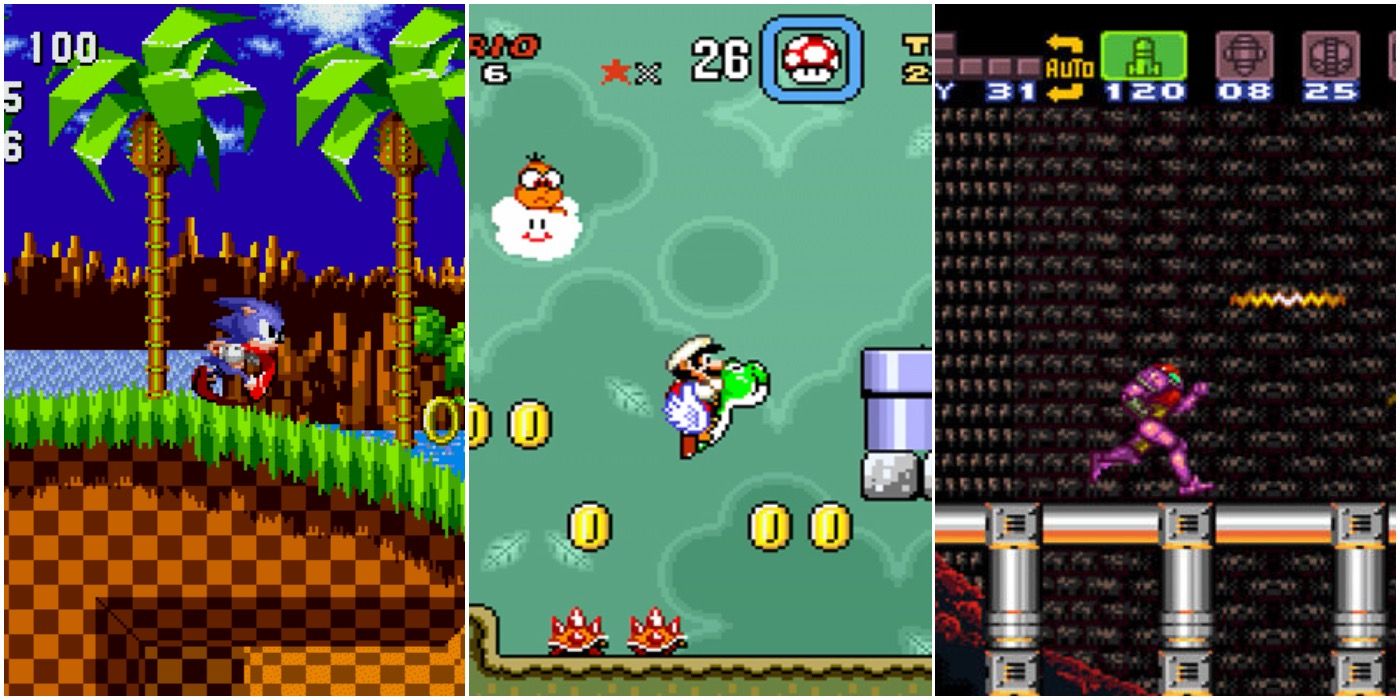
The 4th generation video game consoles introduced unforgettable titles that shaped gaming history. Classics like “Sonic the Hedgehog” and “Super Mario World” captivated players worldwide. These games set new standards for creativity and entertainment.
The 4th Generation of video game consoles, often referred to as the 16-bit era, brought a wave of unforgettable game titles that left a lasting impact on gamers worldwide. This era was a golden age for creativity and innovation in gaming, offering titles that not only entertained but also shaped gaming culture. Let’s delve into some of the most memorable game titles from this iconic period, focusing on legendary franchises and their cultural impact.Legendary Franchises
During this period, game developers introduced franchises that became household names. Think of “Sonic the Hedgehog” on the Sega Genesis, which dazzled players with its speed and vibrant graphics. Sonic became a symbol of the 16-bit era, showcasing what was possible with new technology. On the other hand, “The Legend of Zelda: A Link to the Past” on the Super Nintendo Entertainment System (SNES) expanded the adventure genre, captivating players with its immersive world and intricate puzzles. These games weren’t just titles; they were experiences that defined an era.Cultural Impact Of Iconic Games
These games didn’t just entertain; they shaped cultural conversations. “Street Fighter II” revolutionized the fighting game genre and became a staple in arcades, bringing people together for competitive play. Its characters and moves became a part of popular culture, influencing everything from fashion to language. What about “Super Mario World”? It wasn’t just another platformer. It set a standard for game design, with levels that encouraged exploration and creativity. It taught gamers that there were no limits to what a game could be. Have you ever wondered how these games influenced your gaming habits? They set a benchmark for quality and innovation that still influences game development today. How many modern games owe their existence to the groundwork laid by these 4th-generation classics? Reflecting on these iconic titles, it’s clear they were more than just games. They were cultural phenomena that continue to inspire and entertain. Whether you grew up in the 16-bit era or discovered these games later, their legacy is undeniable.Competitive Console Wars
The 4th generation of video game consoles brought fierce rivalry. Companies battled for market dominance. Each aimed to capture the hearts of gamers worldwide. The competition was intense, pushing innovation and creativity. This era saw the rise of iconic consoles. It set the stage for future gaming advancements. Let’s explore the tactics that fueled these console wars.
Marketing Strategies
Marketing played a crucial role in this era. Companies devised clever campaigns. They aimed to outshine their rivals. Eye-catching ads filled TV screens and magazines. Bold slogans caught gamers’ attention. Promotions highlighted console strengths. These strategies created buzz and anticipation. Gamers eagerly awaited each new release.
Consumer Loyalties
Brand loyalty was strong among gamers. Each console had its devoted fan base. Gamers formed communities around their favorite systems. They engaged in spirited debates. Console features and exclusive games fueled these discussions. Loyalty often passed from one generation to the next. This loyalty shaped purchasing decisions. It influenced the success of each console.
Credit: www.cbr.com
Influence On Modern Gaming
The 4th generation video game consoles marked a pivotal shift in gaming. These consoles brought vibrant graphics and immersive gameplay experiences. They introduced features that laid the groundwork for today’s gaming innovations. Gamers around the globe witnessed a transformation in how games were played and perceived. While technology has advanced significantly, the influence of this era remains evident.
Legacy Of 4th Generation Consoles
The legacy of the 4th generation consoles is undeniable. They introduced iconic franchises that continue today. Developers began pushing boundaries with storytelling and design. Games became more engaging and complex. The leap in graphics set new standards for the industry. These consoles were instrumental in shaping modern gaming narratives. Their impact is seen in the diverse genres we enjoy now.
Enduring Popularity Of Retro Gaming
Retro gaming enjoys enduring popularity among enthusiasts. Many players still seek the nostalgic feel of classic games. Collecting vintage consoles and cartridges has become a hobby for many. The simple yet challenging gameplay appeals to new and seasoned gamers alike. Retro gaming communities thrive, sharing tips and experiences. This passion keeps the spirit of the 4th generation alive.
Credit: gamebroscentral.com
Frequently Asked Questions
What Are 4th Generation Video Game Consoles?
Fourth-generation consoles include the Super Nintendo Entertainment System and Sega Genesis. Released in the late 1980s and early 1990s, they marked a significant shift in gaming technology with improved graphics and sound capabilities, paving the way for more immersive gaming experiences.
Which Consoles Were Popular In The 4th Generation?
The Super Nintendo Entertainment System and Sega Genesis were the most popular. They introduced iconic games like Super Mario World and Sonic the Hedgehog, which became cultural staples and helped solidify the gaming industry’s growth during that era.
How Did 4th Generation Consoles Change Gaming?
Fourth-generation consoles improved graphics and sound, offering more immersive experiences. They introduced the use of 16-bit technology, allowing for more complex games. This evolution attracted a broader audience, contributing to the mainstream popularity of video gaming.
What Games Define The 4th Generation Consoles?
Iconic games include Super Mario World, Sonic the Hedgehog, and The Legend of Zelda: A Link to the Past. These games showcased the improved graphics and storytelling capabilities of 4th generation consoles and remain popular among gamers today.
Conclusion
The 4th generation of video game consoles brought excitement and innovation. These consoles shaped gaming for years to come. They introduced better graphics and sound. Games became more immersive and fun. Players experienced new worlds and challenges. This era marked a significant leap in gaming history.
It influenced future console designs and game development. Many gamers fondly remember this generation. It holds a special place in gaming culture. As technology advances, we still appreciate these groundbreaking consoles. They laid the foundation for modern gaming. Their legacy continues to inspire developers and gamers alike.



