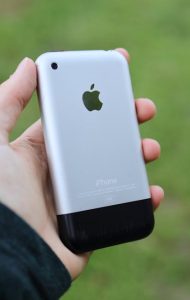
Imagine holding a device in your hand that not only connects you to the world but also fits perfectly into your daily life. You’re likely carrying one right now.
But have you ever wondered how this incredible piece of technology came to be? The first modern smartphone revolutionized how you communicate, work, and entertain yourself. It’s more than just a phone; it’s a hub for your life. As you scroll through this article, you’ll uncover the fascinating story behind the creation of the first modern smartphone, a device that changed everything.
Get ready to discover the innovation, challenges, and genius that brought this technological marvel into your hands. Are you curious about the origins of this device that you rely on so much? Let’s dive into the captivating journey of the first modern smartphone and see how it set the stage for the digital world you live in today.
Credit: medium.com
The Birth Of The Modern Smartphone
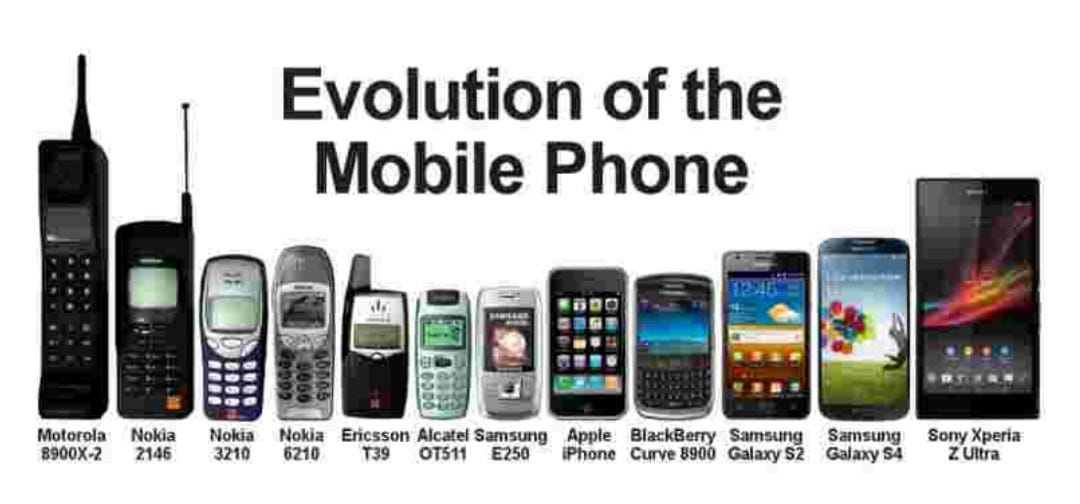
The modern smartphone has changed the way we live and work. Its birth marked the beginning of a new era in technology. It combined features of a phone, camera, and computer. This innovation made life more convenient and connected. Let’s explore how the first modern smartphone came to be.
The Rise Of Mobile Technology
The late 20th century saw rapid growth in mobile technology. People wanted more from their mobile phones. They needed devices to do more than just make calls. This demand pushed companies to innovate. They began adding features like SMS and basic games. These were the building blocks of modern smartphones.
The First Smartphone: Ibm Simon
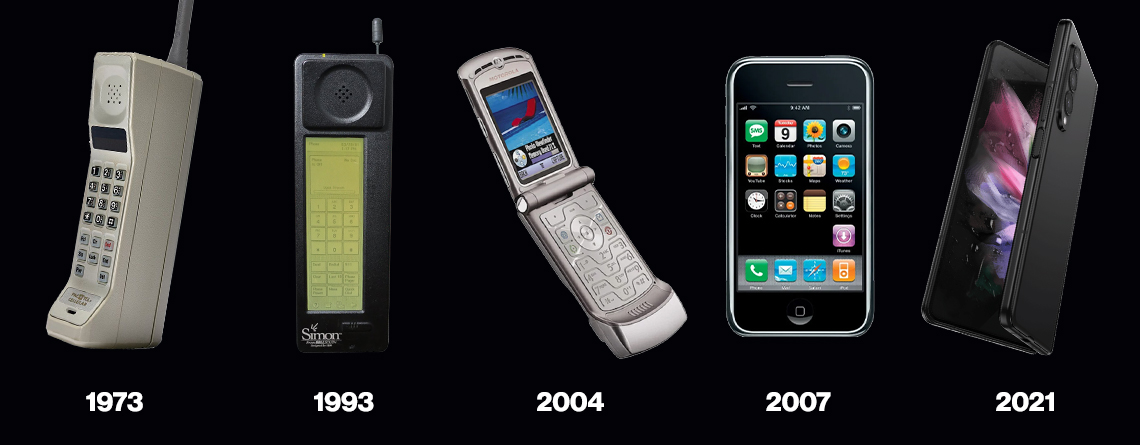
In 1994, IBM launched the Simon Personal Communicator. It was the first device to be called a smartphone. Simon combined phone functions with PDA features. It had a touchscreen, email, and calendar. These features were groundbreaking at the time.
Touchscreen Technology Takes Off
Touchscreen technology was a game-changer for smartphones. It allowed users to interact with their devices in new ways. The Simon had a monochrome touchscreen. Users could tap on icons to navigate. This feature set the stage for future innovations.
Integration Of Internet And Apps
The integration of the internet was vital for smartphones. It allowed users to browse the web on the go. Early smartphones also introduced basic apps. These apps expanded the device’s functionality. They offered tools for productivity and entertainment.
The Impact On Communication
Smartphones transformed how people communicated. They made it easier to stay connected with others. Text messaging and emails became more accessible. People could communicate instantly from anywhere. This change had a lasting impact on society.
Key Innovations
The first modern smartphone marked a turning point in technology. It introduced several key innovations that changed the way we communicate, work, and entertain ourselves. These advancements laid the foundation for the smartphones we use today. Let’s explore some of the most significant innovations of the first modern smartphone.
Touchscreen Technology
Touchscreen technology was a breakthrough. It replaced physical buttons with a touch-sensitive screen. This made navigation more intuitive and user-friendly. Users could interact directly with the display. This opened up new possibilities for applications and games.
Internet Connectivity
Internet connectivity was another major innovation. Smartphones could access the web, bringing information to our fingertips. Email, browsing, and social media became accessible on the go. This connectivity expanded communication beyond calls and texts.
App Ecosystem
The app ecosystem provided endless opportunities. Developers could create and distribute applications easily. Users could customize their devices with apps that suited their needs. This innovation led to the diverse functionalities available on smartphones today.
Impact On Communication
The first modern smartphone changed how people communicate. It made interactions faster and more personal. This device opened new ways to connect. It brought significant changes in how messages, calls, and social media are used.
Instant Messaging
Smartphones made instant messaging quick and easy. Texting became a favorite way to chat. People could send messages anytime, anywhere. This form of communication replaced long phone calls. It also reduced the use of email for casual conversations. Messaging apps like WhatsApp and Messenger grew popular. They offered features like group chats and media sharing. These apps made communication more interactive.
Video Calls
Video calls became a reality with smartphones. Seeing the person while talking was now possible. This feature made conversations more personal. It helped friends and families stay connected. People could share moments despite the distance. Business meetings also benefited from video calls. They made remote work more effective. Smartphones with front cameras improved video call quality.
Social Media Integration
Social media became easier to access with smartphones. Apps like Facebook and Twitter were integrated into the device. Users could post updates and share photos quickly. They stayed connected with friends and followers effortlessly. Notifications kept users updated on their social circles. Smartphones made social media more engaging and immediate. People could follow trends and news on the go.
Credit: www.cellularsales.com
Cultural Shifts
The first modern smartphone marked a significant cultural shift, changing the way people communicate and access information. This innovation integrated various technologies, making life more connected and mobile. It influenced social interactions, transforming everyday routines and habits globally.
The advent of the first modern smartphone marked a significant turning point, not just technologically but culturally. It changed how people interact, communicate, and perceive the world. With its introduction, the smartphone brought about cultural shifts that affect our daily lives in unexpected ways. As smartphones became more prevalent, they started to influence our social norms and etiquette. Let’s explore how these cultural shifts have transformed our society.Changing Social Norms
Social norms began to evolve rapidly with smartphones. Suddenly, being constantly connected became the norm. You probably remember the first time you realized you could send a message instantly, regardless of where you were. Smartphones made it socially acceptable to multitask in new ways. You could be at a dinner table and still engage with someone miles away. While this connectivity is powerful, it also challenges traditional social norms. Do you feel that people sometimes prioritize digital interaction over face-to-face conversation? As smartphones became commonplace, so did the idea of sharing personal experiences online. Many now feel a subtle pressure to document their lives. This shift towards digital sharing has altered how people perceive privacy and personal space.Digital Etiquette
With new technology comes new etiquette. Smartphone users had to develop a digital etiquette that governs how we communicate. Have you ever found yourself questioning whether it’s rude to send a text during a meeting? Texting introduced a new layer of communication, one that’s fast but can be easily misunderstood. Emojis and abbreviations became tools to convey emotions and tone. Yet, relying on them can sometimes lead to misinterpretation. The smartphone also introduced the art of managing notifications. An endless stream of alerts can be overwhelming. Learning to balance responsiveness with personal space is a new skill many are still mastering. How do you manage the constant buzz of your smartphone without letting it intrude on your personal life? Smartphones have reshaped our cultural landscape. As you navigate this digital world, consider how these shifts affect your daily interactions. Embrace the changes, but also be mindful of maintaining genuine connections.Economic Implications
The advent of the first modern smartphone was a game-changer, not just for technology but for economies worldwide. It sparked a new era of innovation, reshaping industries and creating opportunities in ways previously unimagined. The economic implications of this breakthrough were profound, influencing everything from employment to consumer behavior.
Growth Of The App Market
Remember the first time you downloaded an app? It was like opening a box of endless possibilities. The smartphone created a new digital marketplace that exploded with potential. Developers could reach users directly, bypassing traditional gatekeepers.
This app market grew rapidly, becoming a multi-billion dollar industry. It offered low barriers to entry, enabling small businesses and individual entrepreneurs to thrive. Companies like Instagram and Snapchat started as small apps, and now they’re household names. The question is, what does this mean for you and your business? Are there untapped opportunities in this ever-expanding market?
New Business Models
The smartphone didn’t just bring apps; it brought a shift in how businesses operate. Subscription models, freemium services, and on-demand economies emerged. Think about how you consume media, hail rides, or even order food. All these actions have been transformed by mobile technology.
Consider streaming services like Netflix or music platforms like Spotify. They adjusted their business models to fit the smartphone era, offering flexibility and convenience. This shift encourages companies to rethink their strategies. As a business owner or aspiring entrepreneur, are you ready to pivot and capitalize on these new models?
It’s time to reflect. How has the smartphone reshaped your economic landscape? Are you leveraging its potential to grow your ventures? The first modern smartphone was just the beginning; the economic implications continue to unfold, offering endless opportunities for those willing to adapt and innovate.
Technological Advancements
The first modern smartphone marked a pivotal moment in technology. It brought together advanced features and innovations. This device transformed communication and daily life. Let’s explore the technological advancements that made it possible.
Hardware Improvements
The smartphone introduced groundbreaking hardware enhancements. It featured a sleek design with a touch screen interface. Users enjoyed a compact device with powerful capabilities. Advanced processors increased speed and efficiency. Longer battery life allowed more usage without frequent charging. The integration of cameras allowed capturing moments instantly.
Software Evolution
Software advancements played a crucial role in the smartphone’s success. The operating system was user-friendly and intuitive. It enabled seamless navigation and multitasking. App stores offered access to countless applications. Users could customize their device with a few taps. Regular updates ensured stability and added new features. Security measures protected personal information effectively.
Future Prospects
The first modern smartphone paved the way for today’s tech advancements. Future prospects include smarter, faster devices. Enhanced connectivity and AI integration may transform daily life, making technology more intuitive and seamless.
The future prospects of smartphones are exciting and rapidly evolving. As technology advances, smartphones are set to revolutionize our daily lives in unimaginable ways. Let’s dive into some of the most promising areas of development.5g And Beyond
The arrival of 5G has opened a world of possibilities. Imagine downloading a full movie in seconds or streaming ultra-high-definition content without a hitch. 5G promises faster speeds and more reliable connections, transforming how you interact with your smartphone. Yet, 5G is just the beginning. The future might bring even faster networks that could support real-time virtual reality experiences. How will this impact your daily life? Consider how seamless connectivity might change your commute, your work, or even your leisure time.Ai Integration
Artificial Intelligence in smartphones is not just about voice assistants anymore. Think of AI as your personal tech assistant, understanding your habits and preferences. It’s becoming more intuitive, and you might find your phone anticipating your needs before you even realize them. Imagine your smartphone learning your favorite routes and suggesting shortcuts. Or perhaps it could automatically adjust settings based on your environment. AI integration is making smartphones smarter and more personalized. How might this transform your relationship with technology? The future of smartphones is not a distant dream; it’s unfolding right now. As you embrace these advancements, consider how they might change the way you live, work, and interact with the world around you. What possibilities excite you the most?
Credit: www.inc.com
Frequently Asked Questions
What Defines A Modern Smartphone?
A modern smartphone combines advanced computing capabilities with mobile communication features. It typically includes touchscreens, internet access, and multimedia functionalities. Modern smartphones support various applications and offer enhanced user experiences through powerful hardware and software integrations. They have become essential tools for daily communication, entertainment, and productivity.
When Was The First Modern Smartphone Launched?
The first modern smartphone, IBM Simon, was launched in 1994. It featured a touchscreen interface and combined telephony with computing capabilities. IBM Simon paved the way for future smartphone developments, offering functionalities such as email, fax, and simple applications. It marked the beginning of the smartphone era.
How Did Smartphones Evolve After Ibm Simon?
Smartphones evolved rapidly after IBM Simon with improved designs and functionalities. Manufacturers introduced internet connectivity, app stores, and touch interfaces. Features like GPS, cameras, and sensors became standard. The introduction of iPhone in 2007 revolutionized smartphones, emphasizing user-friendly interfaces and seamless app experiences.
What Impact Did The Iphone Have On Smartphones?
The iPhone significantly influenced smartphone design and functionality. It introduced a multi-touch interface, app ecosystem, and sleek design. Apple’s emphasis on user experience and innovation set new industry standards. The iPhone’s launch accelerated smartphone adoption and shifted focus to software and services integration.
Conclusion
The first modern smartphone changed how we connect and interact. Its features brought new possibilities to our fingertips. We could call, text, and surf the web from one device. People loved the convenience and flexibility it offered. It marked a shift from traditional phones to smarter technology.
Now, smartphones are essential in daily life. They help us stay organized, informed, and connected. This innovation set the stage for future advancements. It paved the way for smarter, more efficient devices. What began with a simple idea transformed into a crucial tool for modern living.