
Are you curious about how your business can tap into the power of public cloud computing? Imagine having access to cutting-edge technology without the hefty investment in hardware.
Public cloud computing companies are revolutionizing the way organizations operate, offering scalable solutions tailored to your needs. You could save costs, increase efficiency, and focus on what matters most—growing your business. You’ll discover the key players in the public cloud space and learn how their services can enhance your operations.
Don’t miss out on understanding how these companies can transform your digital landscape. Dive in and unlock the potential of cloud computing for your enterprise.
Key Players In Public Cloud Computing
Public cloud computing has transformed how businesses operate and innovate. Several major companies lead in providing cloud services. These companies offer a range of solutions. Each has unique strengths. Understanding them can guide your cloud strategy.
Amazon Web Services (aws)
Amazon Web Services, or AWS, is a dominant force in cloud computing. It offers a vast array of services. From computing power to storage and databases. AWS caters to businesses of all sizes. Its global infrastructure ensures reliable and fast service. AWS often leads in innovation, introducing new services regularly. It supports a wide range of industries and needs.
Microsoft Azure
Microsoft Azure is another major player in the cloud market. It integrates well with Microsoft products. This makes it popular among enterprises using Windows. Azure offers robust solutions in AI and machine learning. Its hybrid cloud capabilities are strong. Azure provides flexible pricing and a broad range of services. It is a preferred choice for businesses needing seamless integration.
Google Cloud Platform
Google Cloud Platform, known as GCP, is a strong contender. It leverages Google’s expertise in data analytics and AI. GCP is known for its big data and machine learning capabilities. It offers competitive pricing and robust security features. GCP’s global network ensures fast data processing. This platform is ideal for data-driven businesses.
Ibm Cloud
IBM Cloud focuses on enterprise needs. It offers a blend of public, private, and hybrid cloud solutions. IBM Cloud excels in AI and blockchain technology. Its strong security features appeal to many businesses. IBM Cloud supports various industries with tailored solutions. It is a reliable choice for companies seeking advanced technologies.

Credit: iot-analytics.com
Innovative Technologies And Services
Public cloud computing companies are at the forefront of technology. They offer innovative services that transform how businesses operate. These companies continuously develop new solutions to meet evolving needs. Their advancements drive efficiency and enhance capabilities across industries.
Ai And Machine Learning Integration
Cloud providers integrate AI and machine learning into their services. These technologies offer powerful data analysis capabilities. Businesses can automate processes and gain insights from vast data sets. This integration helps organizations make informed decisions quickly.
Serverless Computing
Serverless computing is a revolutionary concept. It allows developers to run code without managing servers. This approach reduces operational costs and complexity. Cloud providers offer platforms that simplify deployment and scaling. Businesses can focus on developing applications rather than infrastructure.
Hybrid And Multi-cloud Solutions
Hybrid and multi-cloud solutions provide flexibility. They allow businesses to use multiple cloud services efficiently. Companies can balance workloads across different environments. This strategy enhances resilience and reduces dependency on a single provider. It ensures better data management and accessibility.
Security And Compliance Measures
Public cloud computing companies prioritize security and compliance. These measures ensure safe data storage and usage. Protecting user information is essential. Compliance with regulations is crucial for trust. By understanding their security strategies, users can make informed choices.
Data Protection Strategies
Public cloud providers use encryption to guard data. Data is scrambled before storage. Only authorized users can access it. Firewalls are another layer of defense. They block unauthorized access. Regular security updates fix vulnerabilities. This keeps systems secure and reliable.
Compliance With Global Standards
Cloud companies adhere to international guidelines. They follow GDPR in Europe. HIPAA standards protect health data in the US. Compliance ensures user trust. It also avoids legal issues. Continuous audits verify adherence. This maintains high compliance levels.
Risk Management Approaches
Identifying risks is the first step. Cloud providers assess potential threats. They develop plans to mitigate them. Regular training for staff is essential. Educated employees reduce security risks. Incident response teams act quickly. They manage breaches effectively, minimizing damage.
Market Trends And Growth Prospects
Public cloud computing companies are witnessing dynamic growth due to increasing demand for scalable and cost-effective solutions. Emerging technologies, like AI and IoT, fuel market trends, offering diverse opportunities for innovation and expansion. Businesses are rapidly adopting cloud services, enhancing efficiency and connectivity worldwide.
Public cloud computing companies are at the forefront of technological change, offering endless opportunities for businesses worldwide. With the surge in digital transformation, the market trends and growth prospects for these companies are nothing short of exciting. As you navigate this space, understanding emerging markets, sustainability initiatives, and future technological innovations is key to staying ahead.Emerging Markets
Emerging markets present a goldmine for public cloud providers. Countries in Africa, Asia, and Latin America are rapidly expanding their digital infrastructure. Businesses in these regions are eager to adopt cloud solutions, looking for scalability and cost-effectiveness. For your business, this means fresh opportunities to tap into new customer bases and offer tailored solutions. The question is, are you ready to explore these new territories and reap the benefits?Sustainability Initiatives
Sustainability is more than just a buzzword; it’s a necessity. Public cloud companies are investing in green energy and eco-friendly data centers. Google Cloud, for example, is committed to operating on carbon-free energy by 2030. Amazon Web Services is also making strides with their sustainable operations. By choosing a cloud provider with strong sustainability initiatives, you not only reduce your carbon footprint but also appeal to eco-conscious customers. What are your business’s sustainability goals?Future Technological Innovations
The cloud computing landscape is ever-evolving. Innovations like edge computing, AI integration, and quantum computing are set to transform how we do business. Edge computing, for example, reduces latency and enhances performance by processing data closer to where it’s generated. AI integration offers predictive analytics and automation, enhancing decision-making. Are you prepared to integrate these innovations into your business strategy? Staying informed and ready to adapt can position your business as a leader in the digital age. By keeping an eye on these trends, you can make informed decisions that align with your business goals. Your understanding of these areas will be your compass in navigating the exciting future of public cloud computing.Challenges And Opportunities
Public cloud computing companies face data security challenges while handling sensitive information. They find opportunities in flexible service offerings and cost-effective solutions for businesses. Expanding global reach and improving infrastructure are key focuses for growth.
In the fast-evolving world of public cloud computing, companies face unique challenges and opportunities. These factors shape how businesses adopt and benefit from cloud services. Recognizing and addressing these can lead to better cloud strategies and outcomes.Scalability And Cost Management
Scalability is a major advantage of public cloud services. Businesses can expand resources when needed. Yet, managing costs effectively can be tricky. Unplanned expenses can arise with resource overuse. Companies need strategies to optimize usage. Monitoring tools help track and manage spending. This ensures businesses only pay for what they use.Interoperability Issues
Cloud services from different providers may not easily work together. This creates interoperability issues for businesses using multiple services. Companies must ensure different systems communicate well. Choosing compatible services can reduce friction. Standards and protocols play a crucial role. Proper integration planning is essential for seamless operation.Opportunities For Smbs
Small and medium businesses (SMBs) find unique opportunities in public cloud computing. The cloud provides access to advanced technology without large investments. SMBs benefit from flexible pricing models. This allows them to scale as they grow. The cloud also offers competitive advantages. Access to global markets and improved efficiency are significant benefits for SMBs.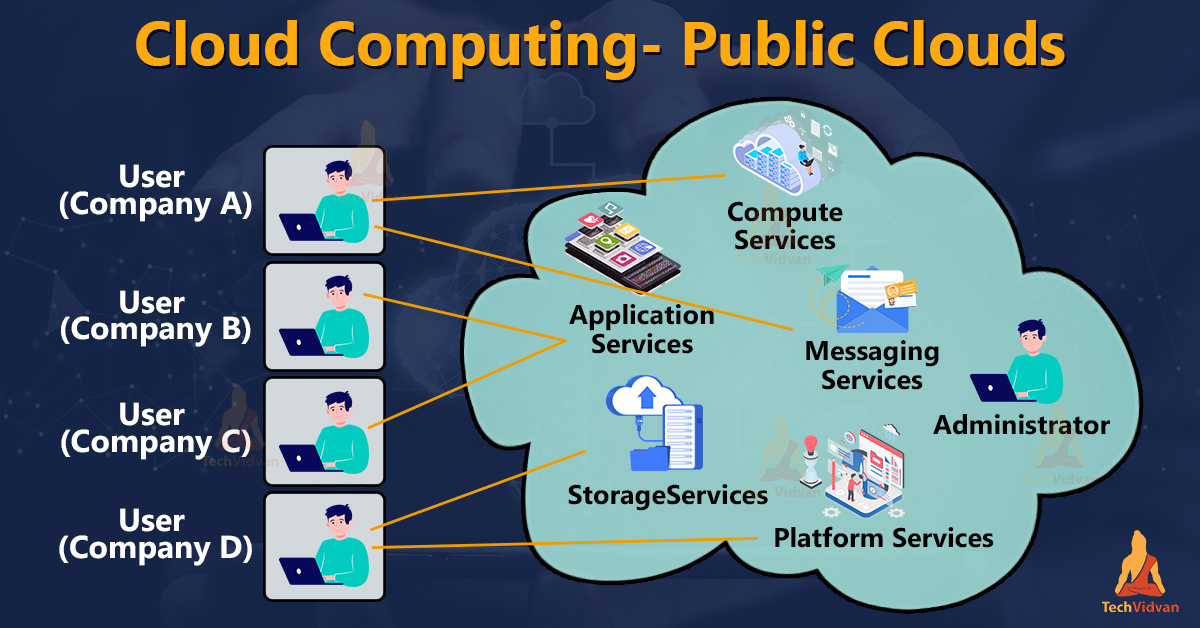
Credit: techvidvan.com
Impact On Industries
Public cloud computing companies are reshaping various industries. Their impact is profound and widespread. Industries are experiencing changes that drive efficiency and innovation. From healthcare to retail, every sector feels the transformation.
Healthcare Advancements
Cloud technology boosts healthcare services. Patient data is more accessible and secure. Doctors can collaborate in real-time across borders. This enhances treatment plans and speeds up diagnoses. The cloud also supports telemedicine. Patients receive care from home, increasing convenience and reducing costs.
Retail And E-commerce Transformation
The retail sector benefits immensely. Cloud services streamline operations and inventory management. Businesses analyze customer data to improve experiences. They offer personalized recommendations based on shopping habits. E-commerce platforms handle spikes in traffic effortlessly. This ensures smooth transactions during peak times.
Financial Services Revolution
Financial institutions use the cloud to enhance security. Sensitive data gets encrypted and stored safely. Cloud computing also aids in fraud detection. It processes transactions rapidly, reducing risks. This technology allows banks to offer mobile banking services. Customers manage their finances anywhere, anytime.
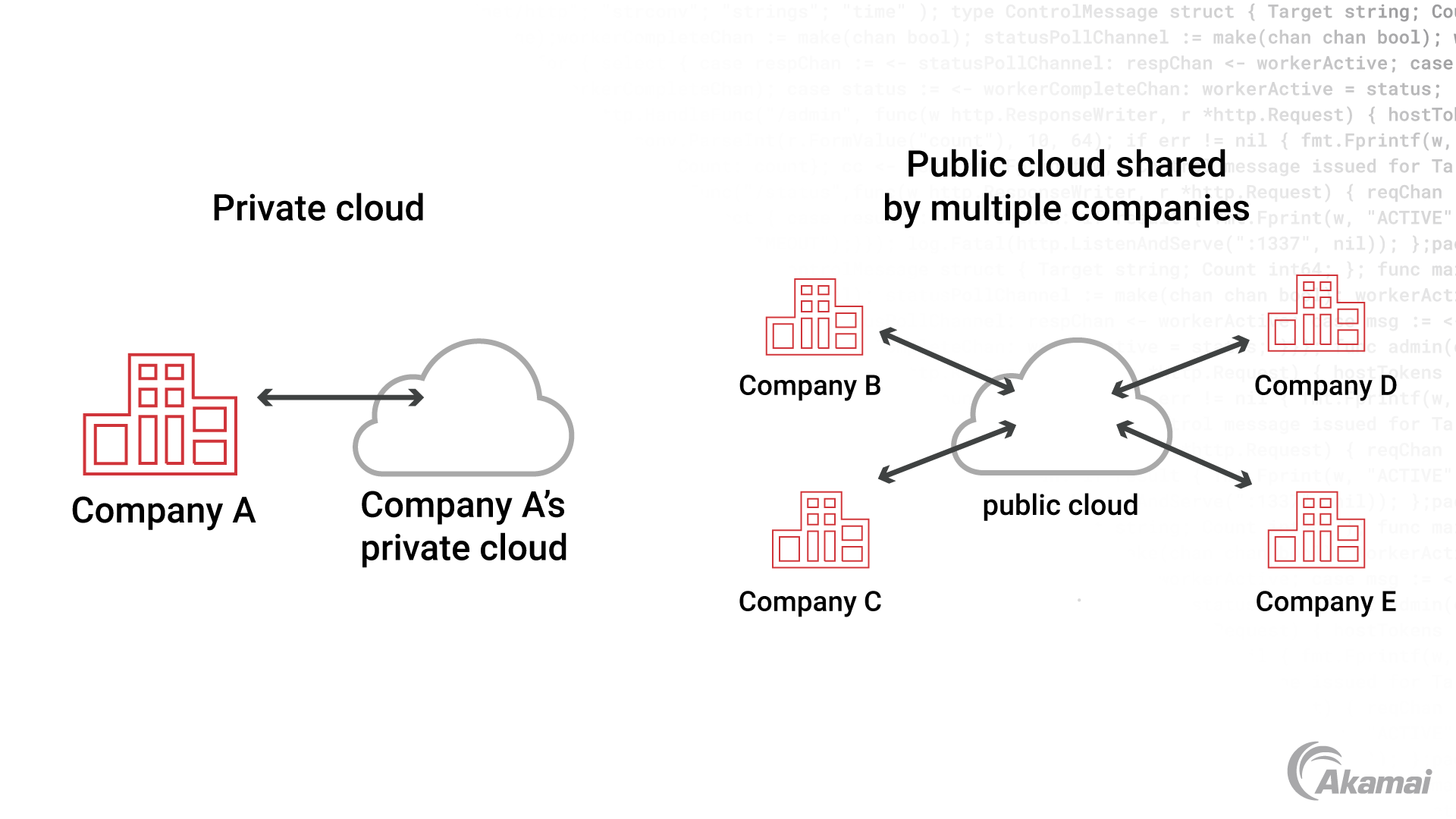
Credit: www.akamai.com
Frequently Asked Questions
What Are Public Cloud Computing Companies?
Public cloud computing companies provide cloud-based services over the internet. They allow users to access computing resources without owning infrastructure. Major players include Amazon Web Services, Microsoft Azure, and Google Cloud. These companies offer scalable and flexible solutions for businesses, enabling them to focus on core operations without hardware concerns.
Why Choose Public Cloud Over Private Cloud?
Public cloud offers scalability and cost-effectiveness compared to private cloud. It provides on-demand resources, reducing capital expenditure. Users benefit from global reach and reliability. Public clouds are maintained by providers, ensuring security and updates. They suit businesses seeking flexibility, rapid deployment, and efficiency in operations.
How Do Public Cloud Services Work?
Public cloud services work by providing resources over the internet. Providers host and manage infrastructure, offering services like storage and computing. Users access services via web interfaces, paying for what they use. This model enables businesses to scale operations efficiently without managing hardware, ensuring flexibility and growth.
Are Public Cloud Services Secure?
Public cloud services are designed with robust security measures. Providers implement encryption, authentication, and compliance standards. Regular updates and monitoring ensure data protection. While security is strong, businesses should adopt best practices and understand shared responsibility. Public clouds offer secure environments for various applications and data.
Conclusion
Public cloud computing offers many advantages for businesses. Cost savings stand out. Companies can scale resources easily. This flexibility supports growth and innovation. Security features protect data efficiently. Various providers cater to different needs. Choosing the right one is crucial.
Evaluate options based on your business goals. Understand each provider’s strengths and weaknesses. Make informed decisions to benefit fully. Cloud computing continues to evolve rapidly. Stay updated on trends and developments. Leverage these advancements for better results. Embrace cloud technology for a competitive edge.
Your business can thrive in this digital age.