
Imagine settling in for a cozy night of binge-watching your favorite shows on your smart TV. It’s a common scene in many homes.
But have you ever paused to wonder if your smart TV is watching you back? This isn’t just a plot from a sci-fi movie; it’s a real concern that more and more people are starting to question. As technology becomes more integrated into our daily lives, the lines between convenience and privacy blur.
Your smart TV, with all its bells and whistles, could potentially be spying on you. How much do you really know about the device sitting in your living room? Are you aware of how it could be tracking your habits, collecting data, and maybe even listening to your conversations? Dive into this article to uncover the truth about smart TVs and learn how you can protect your privacy while enjoying modern technology. Are you ready to take control of your digital life? Keep reading to find out more.
How Smart Tvs Work
Smart TVs connect to the internet, offering streaming and apps. Concerns arise over privacy, as these devices may collect user data. Ensure settings are secure to protect personal information from being accessed or shared.
As we cozy up on our couches to binge-watch our favorite shows, have you ever paused to think about how your smart TV actually works? These modern devices are more than just screens—they’re mini-computers that connect to the internet and offer a plethora of features. Understanding how they function can help you make informed decisions about privacy and security in your home.Connectivity And Features
Smart TVs connect to the internet, usually through Wi-Fi or an Ethernet cable. This connection allows you to stream content from platforms like Netflix, Hulu, or YouTube. It also lets you download apps, browse the web, and even play games. Most smart TVs come equipped with voice recognition software, allowing you to control the TV using your voice. Imagine saying, “Play the latest episode of my favorite series,” and your TV obeys. However, this feature might also be listening more than you expect.Data Collection Mechanisms
Smart TVs collect data to improve user experience and provide personalized content. This might include tracking what shows you watch, how long you watch them, and even your browsing history. Some models use Automatic Content Recognition (ACR) to identify the content displayed on your screen. ACR helps in suggesting content but also sends data back to the manufacturers or third parties. It’s like having a silent observer noting your viewing habits. You might wonder, how much control do you have over this data collection? Often, you can tweak privacy settings to limit data sharing. But do you really know what’s being collected and how it’s used? This is a question worth exploring for peace of mind. As you settle in for your next movie night, consider the balance between convenience and privacy. Does the ability to control your TV with your voice outweigh the potential for being listened to? The decision is yours.
Credit: thehackernews.com
Privacy Concerns
Smart TVs offer a range of features. From streaming services to internet browsing, they bring entertainment to our living rooms. Yet, their connectivity raises privacy concerns. Many wonder if these devices can spy on them. Let’s explore how Smart TVs handle your data.
Data Tracking And Analytics
Smart TVs collect user data. They track viewing habits and app usage. This data helps improve user experience. Manufacturers use analytics for better recommendations. They study your preferences. This means your TV knows what you like. It can suggest shows based on your past choices.
Data collection isn’t always transparent. Users might not know what is being tracked. This can lead to privacy worries. Knowing what information is gathered is crucial. It helps users make informed decisions. Understanding data practices can ease concerns.
Third-party Access To Information
Third-party apps may access your data. Streaming services often collect information. They might share it with advertisers. This is common in the digital world. Users should be aware of data sharing practices. Reading privacy policies is important.
Third-party access can compromise privacy. Some apps may misuse your information. Protecting personal data is vital. Users must stay informed. Reviewing app permissions is a good habit. It ensures your privacy is respected.
Security Vulnerabilities
Smart TVs offer convenience and entertainment, but they can pose security risks. Many users are unaware of the vulnerabilities that these devices may have. These vulnerabilities can lead to unauthorized access and data breaches.
Potential For Hacking
Smart TVs connect to the internet, making them targets for hackers. Hackers exploit weaknesses to gain control over the device. This can lead to unauthorized access to personal information. Users may unknowingly expose sensitive data stored on their TVs.
Weaknesses In Software
Software in smart TVs is not always updated regularly. Outdated software can have security gaps that are easy to exploit. Manufacturers may take time to release updates, leaving TVs vulnerable. Users should check for software updates frequently to stay protected.

Credit: www.youtube.com
Manufacturer Practices
In the age of smart technology, the TVs in our living rooms might be doing more than just streaming our favorite shows. Many people have raised concerns about whether smart TVs can spy on us. This brings us to the practices of manufacturers who design these devices. Understanding how these companies handle your data is essential to safeguarding your privacy. Let’s dive into the policies and transparency that manufacturers offer regarding your smart TV’s data usage.
Data Usage Policies
When you buy a smart TV, it often comes with a thick user manual. Hidden within it might be a section on data usage policies. These policies outline what kind of data the TV collects and how it is used.
Some manufacturers use your viewing habits to recommend content. Others might share data with third-party companies. It’s crucial to read these policies to understand what you’re agreeing to.
Have you ever wondered how much data your TV is collecting? It’s worth checking the fine print to find out. You might be surprised at how much information is being gathered.
Transparency In Privacy Settings
Many smart TV manufacturers offer privacy settings, but how transparent are they? These settings are supposed to give you control over what data is collected. However, they can often be buried deep within menus.
Sometimes, even if you adjust these settings, data might still be collected. This raises questions about the effectiveness of these privacy controls. Are they truly protecting your privacy, or just giving the illusion of security?
Imagine trying to adjust settings on your TV, only to find them confusing and unclear. It’s a common frustration. Manufacturers could improve by making these settings more user-friendly and transparent.
As a smart TV owner, it’s essential to be proactive. Regularly check and update your privacy settings to ensure you’re in control. After all, it’s your data at stake.
So, next time you sit down to watch TV, take a moment to consider: Who else might be watching you?
User Experiences And Reports
Smart TVs are in many homes today. They offer easy access to streaming services and apps. But some users worry about privacy risks. Several reports suggest these TVs might spy on us. People share stories and experiences online. Let’s explore some of these reports.
Incidents And Case Studies
There are many stories about smart TVs acting suspiciously. One user reported hearing voices from their TV when it was off. Another case involved a TV sending data without permission. This data included viewing habits and even conversations. Some TVs record audio to improve user experience. But this can lead to privacy concerns.
In another incident, a smart TV was hacked. It allowed the hacker to access the user’s camera and microphone. These incidents raise questions about how secure our smart TVs are. They remind us to be careful about what we share around our devices.
Consumer Awareness
Many consumers are unaware of these privacy issues. They don’t read the terms and conditions. These documents often reveal how data is collected and used. Some companies use this data for targeted advertising. Others might share it with third parties.
Consumers should take steps to protect their privacy. This includes regularly updating their TV’s software. They should also review the privacy settings. Disabling features that they don’t need can help too. Being aware can help reduce the risk of spying.
Protecting Your Privacy
Smart TVs offer amazing features. But they can also pose privacy risks. Protecting your privacy is important. Learn how to safeguard your data. Use simple steps to ensure your information stays private. Many smart TVs have settings that can help. You can also use external tools for added security.
Adjusting Settings And Permissions
Start by checking your TV’s privacy settings. Most smart TVs have options to limit data sharing. Disable voice recognition if you do not use it. This stops the TV from listening. Turn off unnecessary permissions. Block access to your camera and microphone. Regularly update your TV’s software. Updates often include security improvements. Review privacy policies. Understand what data your TV collects.
Using External Privacy Tools
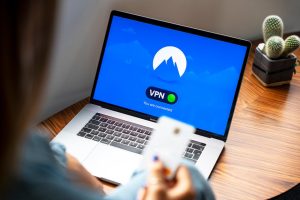
Consider using external devices for extra privacy. VPNs can mask your internet activity. They encrypt your data. This makes it harder to track you. Install antivirus software on your smart TV. It can detect and block threats. Use a network firewall. It adds another layer of security. Keep your router password strong. Change it regularly to prevent unauthorized access. Research privacy-focused apps. They can provide additional protection features.
Future Of Smart Tv Technology
The future of smart TV technology promises exciting advancements. With rapid growth in digital innovation, smart TVs are becoming more sophisticated. These devices offer features beyond traditional television viewing. Yet, the evolution comes with concerns about privacy and data security. Let’s explore what’s on the horizon for smart TV technology.
Developments In Privacy Features
Smart TV manufacturers are focusing on enhancing privacy features. New models include options to disable data collection. Voice commands and camera functions now have better security controls. Users can manage what data is shared with apps and services. These improvements aim to give users peace of mind.
Regulatory Impacts
Governments are recognizing the need for regulations. Laws are being introduced to protect consumers from data misuse. Companies must comply with strict guidelines on data handling. These regulations ensure transparency in how smart TVs use personal information. Consumers can expect more control over their digital privacy.
/How-to-stop-your-smart-TV-from-spying-on-you-02.png?width=900&name=How-to-stop-your-smart-TV-from-spying-on-you-02.png)
Credit: www.avast.com
Frequently Asked Questions
Can Smart Tvs Listen To Conversations?
Smart TVs can potentially listen to conversations if voice recognition is enabled. They use microphones to process voice commands. While this feature enhances user experience, it raises privacy concerns. It’s essential to check your TV’s settings and disable voice recognition if you’re uncomfortable with it.
Do Smart Tvs Collect Personal Data?
Yes, smart TVs can collect personal data like viewing habits and preferences. This data helps improve recommendations and advertisements. Manufacturers may share this information with third parties, raising privacy concerns. Users should review privacy policies and settings to limit data collection.
How Can I Improve Smart Tv Privacy?
To enhance privacy, disable features like voice recognition and personalized ads. Regularly update your TV’s software to protect against vulnerabilities. Also, consider using external streaming devices with better privacy controls. Reviewing privacy settings can help minimize data collection from your smart TV.
Are Smart Tv Cameras A Privacy Risk?
Some smart TVs have built-in cameras for interactive features. These cameras can pose privacy risks if not properly managed. It’s advisable to cover or disable the camera when not in use. Check your TV’s settings to ensure you’re comfortable with its features and permissions.
Conclusion
Smart TVs offer great entertainment, but privacy concerns exist. They collect data to enhance user experience. This raises questions about personal privacy. Protect your information by adjusting settings. Regularly update your TV’s software. Understand the risks. Awareness is key. Manufacturers take steps to secure data.
You should be proactive too. Use secure networks for added safety. Make informed choices. Stay safe in the digital world. Keep enjoying your smart TV with peace of mind. Always prioritize your privacy. Stay informed and cautious.