
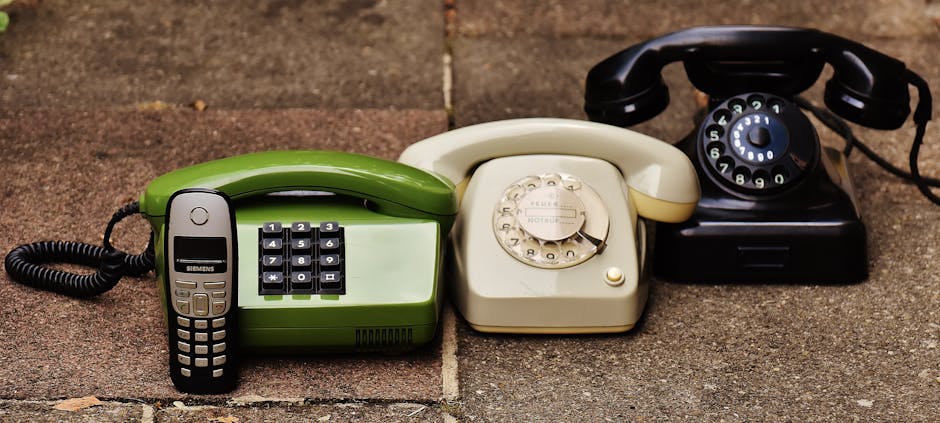
Imagine holding a powerful computer in the palm of your hand. That’s what your smartphone is—a marvel of technology and design that has transformed the way you live, work, and communicate.
But have you ever wondered how this incredible device came to be? The history of the smartphone is a fascinating tale of innovation, competition, and visionaries who dared to dream big. As you delve into this article, you’ll uncover the intriguing evolution of smartphones, from their humble beginnings to the sleek, essential gadgets they are today.
You’ll discover surprising facts, pivotal moments, and the masterminds behind your favorite device. Get ready to explore the story that connects your digital world to groundbreaking tech.

Credit: www.textline.com
Early Beginnings
The first smartphones emerged in the early 1990s. They combined mobile phone capabilities with advanced computing features. These early devices paved the way for modern smartphones, transforming communication forever.
The smartphone you hold in your hand today has a fascinating history that dates back several decades. The journey from clunky mobile devices to sleek, sophisticated smartphones is a testament to human ingenuity and the relentless pursuit of connectivity. Understanding the early beginnings of smartphones can offer a deeper appreciation of the technology we often take for granted.Inception Of Mobile Phones
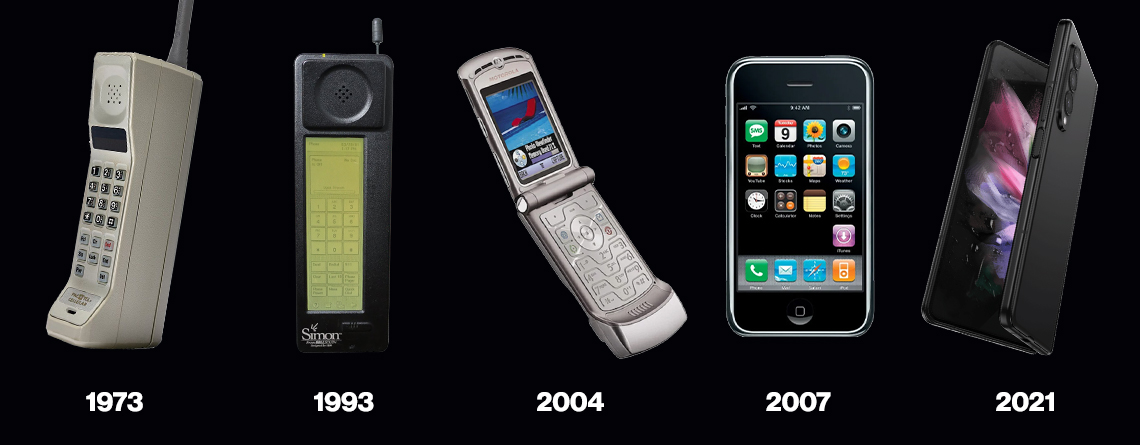
The story of smartphones begins with the development of mobile phones. Remember the days when mobile phones were the size of a brick? It all started in the early 1970s when Motorola engineer Martin Cooper made the first mobile phone call. This call was the spark that lit the fire for mobile technology. Imagine the excitement of those days when people could suddenly connect without being tethered to a landline. It was like witnessing the birth of a new era. These early devices, while primitive by today’s standards, were groundbreaking in their time. Mobile phones in the early days were primarily used for voice communication. Texting and data services were not even on the horizon. Despite their size and weight, these devices paved the way for the handheld communication revolution.First Generation Smartphones
Fast forward to the early 1990s, and the first generation of smartphones started to emerge. One notable milestone was IBM’s Simon Personal Communicator, launched in 1994. While it might not look like today’s smartphones, Simon was the first to combine a phone with a PDA (Personal Digital Assistant). Can you imagine a device that could send emails and manage contacts back then? It was revolutionary! Simon had a touchscreen and featured basic apps, such as a calendar and a world clock. These early smartphones were expensive and primarily targeted at business professionals. However, they set the stage for what was to come. They introduced the concept of a multi-functional device that could fit in your pocket. As you reflect on these early beginnings, consider how far we’ve come. From hefty bricks to sleek, powerful devices that fit in your palm, the evolution of smartphones is nothing short of extraordinary. What do you think the next chapter in smartphone history will look like?Technological Advancements
The smartphone industry has seen incredible growth through technological advancements. These innovations have transformed phones from basic communication tools to sophisticated devices. They now serve a range of purposes including entertainment and productivity.
Touchscreen Revolution
Touchscreen technology changed the way users interact with their phones. Earlier phones had physical buttons for navigation. Touchscreens eliminated these buttons, making devices sleek and user-friendly. Capacitive touchscreens allow for multitouch gestures, enhancing user experience. These gestures include pinch-to-zoom and swipe, making navigation intuitive.
Introduction Of Mobile Operating Systems
Mobile operating systems gave smartphones their smart capabilities. They manage hardware and software resources efficiently. Android and iOS are the leading systems today. They offer app stores, allowing users to download various apps. These systems provide regular updates, ensuring security and performance improvements. They have made smartphones versatile tools for everyday use.
Smartphone Features Evolution
The journey of smartphone features has been remarkable. Over the years, smartphones have transformed from basic communication devices to powerful mini-computers. This evolution has been driven by improvements in technology and user demand. As smartphones advanced, their features grew in complexity and utility.
Camera Improvements
Smartphone cameras have evolved significantly. Early models had simple cameras with low resolution. Today, they offer high-resolution images and advanced features. Night mode, optical zoom, and portrait mode are now standard. These features allow users to capture professional-quality photos. Smartphones are now the primary camera for many people.
Connectivity And Internet Access
Internet access on smartphones has come a long way. Early devices relied on slow 2G connections. Modern smartphones support 4G and 5G networks. This provides faster browsing and streaming. Wi-Fi capabilities have also improved, ensuring seamless connectivity. Users can access the internet almost anywhere.
App Ecosystem Growth
The app ecosystem has expanded rapidly. Initially, smartphones had a limited number of apps. Today, app stores offer millions of choices. Users can find apps for gaming, productivity, and social media. Developers create innovative apps regularly. This growth provides endless possibilities for users.

Credit: www.researchgate.net
Market Expansion
The journey of the smartphone is fascinating. It started as a luxury. Over time, it became a necessity. As technology advanced, so did the market. The expansion was swift and unstoppable. Many factors influenced this growth. Let’s explore two significant aspects: global adoption and brand competition.
Global Adoption
Smartphones spread across continents. A surge in demand followed. People sought connectivity and convenience. Regions like Asia and Africa saw rapid growth. Affordable models made it possible. Internet access improved. This fueled the smartphone’s appeal. Social media played a role too. Sharing moments became easy. Communication transformed globally.
Brand Competition
Many brands entered the market. Each with unique features. Competition intensified quickly. Apple and Samsung were key players. Others like Xiaomi and Huawei emerged. They offered budget-friendly options. Innovation became crucial. New models released frequently. The competition drove advancements. Users had countless choices.
Social And Cultural Impact
Smartphones have changed how people connect and share cultures. They offer instant communication and access to diverse cultures worldwide. This has brought people closer, bridging cultural gaps and promoting understanding.
The social and cultural impact of smartphones is undeniable. These devices have reshaped how we connect, live, and perceive the world. From changing communication patterns to influencing lifestyle choices, smartphones have left an indelible mark on our daily lives.Communication Transformation
Smartphones have changed how we communicate. Gone are the days of waiting for letters or relying on landlines. Now, you can reach anyone, anywhere, at any time. Text messaging, video calls, and instant messaging apps have made communication seamless. Remember the last time you sent a handwritten letter? Probably not. Social media platforms have further amplified this shift. They allow real-time sharing of thoughts and experiences. They’ve turned everyone into a potential broadcaster.Influence On Lifestyle And Behavior
Smartphones have changed how we manage our daily activities. They are our calendars, alarm clocks, and even our fitness trackers. Many of us start and end our day by checking our phones. The convenience of smartphones has influenced our behavior. They offer instant information, leading to a culture of immediacy. How often do you Google something rather than pondering it over? They’ve also altered our social interactions. Have you ever noticed people sitting together but glued to their screens? Smartphones have redefined what it means to be “present.” Smartphones have also impacted your purchasing habits. With a few taps, you can order food, book a ride, or shop for clothes. This ease has transformed consumer behavior globally. But with great power comes responsibility. Are we aware of the boundaries between healthy use and addiction? It’s crucial to find a balance between connectivity and personal well-being. What are your thoughts on this? How have smartphones shaped your life?Economic Influence
Smartphones have shaped economies globally since their inception. Their production and sales drive technological advancement, influencing economic growth. This transformation impacts job creation, market competition, and global trade dynamics.
The economic influence of smartphones is nothing short of transformative. They’ve reshaped how economies function, creating new industries and impacting traditional markets in ways we might not have imagined just a few decades ago. It’s fascinating to think about how a device you hold in your hand can have such a profound impact on global economics.Creation Of New Industries
Smartphones have sparked the creation of entirely new industries. App development, for instance, has become a multi-billion-dollar industry. Thousands of developers around the world are building apps, some of which have become household names. Consider how ride-sharing apps have changed transportation. They have not only created jobs but also challenged traditional taxi services. Even the accessories market is booming. The demand for phone cases, chargers, and wireless earbuds is constantly growing. This rise has opened up a world of opportunities for entrepreneurs. Have you ever thought about how many businesses are thriving just because of smartphones?Impact On Traditional Markets
The ripple effects of smartphones on traditional markets are significant. Retail is one sector that has felt this impact deeply. With the rise of online shopping apps, brick-and-mortar stores are being forced to rethink their strategies. Many are integrating their online and offline presence to keep up with consumer demands. The media industry has also seen a shift. More people consume news and entertainment on their phones, reducing the need for traditional print media. Think about your habits. How often do you reach for your phone to read the news or watch a video? Traditional markets are evolving to meet these new habits, but not without challenges. Smartphones have made life convenient, but they’ve also disrupted the norm. What changes have you noticed in your daily life because of smartphones? The economic influence of smartphones continues to grow. It’s a reminder of how technology can shape economies, sometimes in ways we didn’t anticipate. What do you think the next big shift will be?Future Prospects
The smartphone’s evolution has been remarkable. Its journey from bulky devices to sleek, multifunctional tools is fascinating. As technology advances, the future of smartphones holds promising prospects. Understanding these future possibilities can be exciting and insightful.
Emerging Technologies
Artificial intelligence will play a significant role in future smartphones. Smarter assistants will handle tasks with precision. Voice recognition will become more accurate and intuitive. Augmented reality may change how users interact with their devices. Enhanced AR experiences will blend digital and real worlds seamlessly.
Foldable screens are gaining popularity. They provide versatility and larger displays in compact forms. Energy-efficient components will extend battery life. Users will enjoy longer usage without frequent recharges. Security features will evolve, making smartphones more secure.
Predicted Trends
5G technology will dominate the connectivity landscape. Faster internet speeds will enhance streaming and browsing. Users will experience seamless video calls without interruptions. Smartphone designs will lean towards eco-friendly materials. Manufacturers may focus on sustainability and recyclable components.
Personalization features will become standard. Devices will adapt to individual user needs effortlessly. The integration of IoT will create smarter living environments. Smartphones will connect and control home devices efficiently. Data privacy will be a priority, ensuring user information is protected.
Credit: www.cellularsales.com
Frequently Asked Questions
What Was The First Smartphone?
The first smartphone was IBM Simon, launched in 1994. It combined a mobile phone with PDA features, including email and calendar. IBM Simon set the foundation for future smartphones, offering touchscreen technology. Its pioneering features paved the way for modern smartphones’ functionalities.
Who Invented The Smartphone?
The smartphone was invented by IBM, with Simon being the first model. Launched in 1994, it revolutionized mobile communication. IBM’s innovation integrated telephony with computing capabilities. This invention laid the groundwork for future smartphone advancements.
How Did Smartphones Evolve Over Time?
Smartphones evolved from basic communication devices to multifunctional gadgets. Early models offered limited features. Over time, cameras, internet, and apps were integrated. Innovation in hardware and software enhanced usability and performance. Today, smartphones are essential for connectivity and daily tasks.
Why Are Smartphones So Popular Today?
Smartphones are popular due to their versatility and convenience. They offer communication, entertainment, and productivity tools in one device. Constant innovation keeps them relevant and desirable. Their portability and functionality make them indispensable in modern life.
Conclusion
Smartphones have changed the way we connect and communicate. From simple devices to complex tools, their evolution is impressive. Each upgrade brought new possibilities. People now rely on them daily. They capture memories, provide entertainment, and offer endless information. Smartphones continue to shape our world.
Their journey reflects our technological progress. As they advance, they promise more convenience. Understanding their history helps us appreciate today’s technology. Smartphones are not just gadgets. They are essential parts of modern life. Their story is a testament to human innovation and adaptability.
Exciting times lie ahead in their future.



