

Imagine the world without the convenience of laptop computers. It’s hard, isn’t it?
You’ve grown so accustomed to accessing information, working, and connecting with others at the touch of a button. This handy piece of technology has transformed your life in ways you might not even realize. But how did laptops come to be a staple in your everyday routine?
The history of laptop computers is a fascinating tale of innovation, competition, and relentless pursuit of portability and power. As you dive into this article, prepare to uncover how these compact machines evolved from clunky prototypes to sleek devices you can’t imagine living without. Discover the milestones, the game-changers, and the visionary minds that brought laptops from concept to reality. Your curiosity is about to lead you through an intriguing journey of technological evolution that you won’t want to miss.
Credit: agpartseducation.com
Early Beginnings
The journey of laptop computers started in the 1970s. It was a time of innovation and exploration in technology. Engineers and inventors wanted to create portable computing devices. These early efforts laid the foundation for the laptops we use today.
First Concepts
The first concepts of portable computers emerged in the late 1960s. Designers imagined small, powerful machines that could be carried easily. The idea was to provide computing power away from a fixed desk. This vision led to the creation of new computer designs and technologies.
Alan Kay, a computer scientist, envisioned a device called the Dynabook. It was designed for children to learn and explore. Although it never became a product, it influenced future laptops.
Portable Computing Prototypes
The 1970s saw the development of portable computing prototypes. These early models were bulky and heavy. They often required external power sources. Despite their limitations, they were breakthroughs in mobile computing.
One notable prototype was the IBM 5100. Released in 1975, it weighed 55 pounds. It was not truly portable by today’s standards. Yet, it demonstrated the potential of portable computers.
Another example is the Xerox NoteTaker. It was developed in 1976 but never released commercially. Still, it showcased the possibilities of mobile computing.

Credit: www.telegraph.co.uk
Birth Of Laptops
The birth of laptops marked a transformative moment in computing history. Before laptops, computers were bulky and stationary. The introduction of portable computing brought a new wave of possibilities. People could now work on the go, bringing technology closer to everyday life. This shift began with pioneering models that paved the way for modern laptops.
Introduction Of Osborne 1
The Osborne 1 was the first true portable computer. Released in 1981, it weighed around 24 pounds. It was not lightweight, but it was revolutionary at the time. The Osborne 1 had a small screen and a keyboard. Despite its size, it was a breakthrough in mobile computing. It offered the ability to compute anywhere, albeit with some limitations.
Rise Of Compaq Portable
Following the Osborne 1, Compaq Portable made waves in the computer world. Launched in 1983, it resembled a small suitcase. It was easier to carry and offered better performance. It was IBM-compatible, which was a significant advantage. This compatibility boosted its popularity among business users. The Compaq Portable set the stage for future laptop designs.
Technological Advancements
Laptop computers have undergone significant technological advancements over the years. These developments have transformed them into essential tools for work and leisure. This section explores key innovations that have driven laptops forward.
Development Of Lcd Screens
Early laptops used bulky monitors with low resolution. LCD screens changed this. They offered clearer images and were lighter. This made laptops more portable. Improved screen technology allowed better color display. Users could enjoy sharper visuals for work and play.
Battery Innovations
Battery life was a major issue for early laptops. They required frequent charging, limiting their use. New battery technologies extended usage time. Lithium-ion batteries became popular. They provided longer life and faster charging. Users could work on the go without constant recharging.
Emergence Of Wireless Technology
Wireless technology revolutionized laptop connectivity. In the past, users needed cables for internet access. Wi-Fi allowed wireless internet connection. This increased mobility for users. Bluetooth technology enabled wireless connection to peripherals. Users could connect devices without clutter.
Design And Form Factor Changes
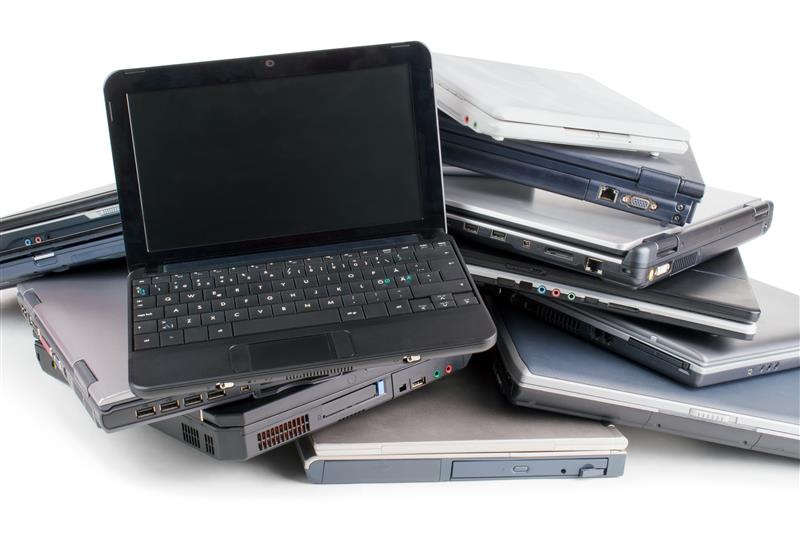
Laptop design has transformed greatly over time, shifting from bulky models to sleek, portable devices. Early laptops were cumbersome and heavy, making portability challenging. Today, they feature slim bodies, foldable screens, and lightweight materials, enhancing mobility and convenience for users.
The history of laptop computers is a fascinating journey marked by significant changes in design and form factor. As technology advanced, laptops transformed from bulky, heavy devices into sleek, portable machines. This evolution was driven by the need for more user-friendly and efficient computing tools. Let’s delve into some of the key changes in design and form factor that have shaped the laptops we use today.Shift To Lightweight Designs
The early laptops were anything but portable. They were heavy and cumbersome, often weighing more than 10 pounds. As a student in the early 2000s, carrying a laptop felt like lugging a small suitcase around campus. Manufacturers quickly realized the demand for lighter laptops. This led to innovations in materials and components. The development of lighter batteries and more compact circuit boards allowed designers to shed pounds off their designs. Today, you can slip a laptop into your bag without a second thought. Ultrabooks, known for their slim and lightweight design, have become the norm. They offer the same power and capabilities as their heavier predecessors, proving that sometimes less really is more.Evolution Of Keyboard Layouts
The keyboard has always been a crucial part of the laptop experience. Early laptops had cramped keyboards that made typing a challenge. Users often found themselves frustrated by the lack of space and awkward key placements. Over time, keyboard layouts have evolved to become more ergonomic and user-friendly. Manufacturers began to prioritize comfort and efficiency. Full-sized keyboards with better key spacing became standard, enhancing the typing experience. Touchpads and pointing sticks have also improved, adding to the ease of use. As you type away on your modern laptop, consider how far we’ve come from those early, clunky designs. Do you appreciate the changes that make your typing experience smoother and more enjoyable? The journey of laptop design reflects a constant push for innovation and user satisfaction. As we look to the future, what other design changes might revolutionize how we interact with our laptops?Major Milestones
The history of laptop computers features key milestones like the 1981 Osborne 1, the first portable computer. The 2008 MacBook Air set a new standard with its thin design. These innovations shaped the evolution of laptops, making them indispensable in daily life.
The history of laptop computers is filled with fascinating advancements and innovations. As technology evolved, each milestone brought us closer to the sleek and powerful laptops we use today. These milestones not only changed the way we work and learn but also how we interact with technology in our daily lives.Introduction Of Netbooks
Netbooks made a significant splash in the late 2000s. These compact and affordable devices were perfect for basic tasks like browsing the web and checking emails. They were a game-changer for students and travelers due to their portability and budget-friendly price. You might remember using a netbook for note-taking in class. Despite their limited power, they were incredibly convenient. Their popularity highlighted a growing demand for lightweight, mobile computing solutions.Rise Of Ultrabooks
Ultrabooks emerged in the early 2010s as a response to the need for more powerful yet portable laptops. These devices combined the best of both worlds: the performance of a full-sized laptop and the portability of a netbook. Manufacturers focused on sleek designs and longer battery life. This led to a surge in ultrabook popularity, especially among professionals who needed to work on the go. Do you remember the first ultrabook you saw? Its thin profile and metal finish likely left a lasting impression. Ultrabooks set a new standard for laptops, pushing technology to become more efficient and stylish. As you think about your own journey with laptops, which milestone had the most impact on you? Each milestone in laptop history has paved the way for the next, constantly improving your experience and capabilities.Impact On Society
The history of laptop computers is more than just a tale of technological evolution; it’s a story of profound societal change. Laptops have reshaped how we work, learn, and interact, bringing the world to our fingertips. As you read on, consider how these portable powerhouses have influenced your daily life and the world around you.
Influence On Work And Productivity
Laptops transformed the workplace. They enabled remote work long before it became commonplace. Imagine being able to work from your favorite coffee shop or from home, a concept that seemed futuristic just a few decades ago. With laptops, productivity soared. You could access files, send emails, and conduct meetings from anywhere. Do you remember the first time you realized you didn’t need to be physically present in an office to get your job done? These machines made it possible.
Companies adapted quickly. They embraced flexible working hours and global teams. With the rise of laptops, businesses expanded their reach without the need for physical offices everywhere. Has your company tapped into the power of global collaboration? If so, laptops likely played a big role.
Role In Education
Education was revolutionized by laptops. They brought the classroom home and made learning accessible to everyone. Imagine being able to attend a class from your living room or conduct research without stepping into a library. Laptops provided students with instant access to a world of information. Have you ever used a laptop to attend an online course or complete an assignment? This level of accessibility was unheard of before laptops became mainstream.
Teachers adapted by incorporating digital tools into their lessons. Interactive learning became the norm. Consider how students today can learn coding, languages, or history through engaging programs on their laptops. The possibilities are endless.
Cultural Shifts
Laptops have significantly influenced cultural norms and lifestyles. They changed how we consume media and connect with others. Consider how easy it is to stream your favorite TV show or video chat with a friend abroad. These activities were once limited by location and technology.
Social interactions have shifted. Online communities have flourished thanks to the portability of laptops. How many friendships have you formed through online platforms? Laptops have made it easy to stay connected with loved ones and meet new people. They’ve blurred the lines between virtual and physical worlds. This raises an intriguing question: how have laptops reshaped your cultural landscape?
In essence, laptops have woven themselves into the fabric of our society, changing everything from how we work to how we interact. Their impact is undeniable, and as you consider their role in your life, it’s clear that the journey of laptops is far from over.
Future Prospects
Laptop computers have come a long way since their inception, transforming from bulky devices to sleek and powerful tools that fit right into our backpacks. As technology continues to evolve at a rapid pace, what does the future hold for these indispensable gadgets? Let’s take a look at some exciting prospects that could redefine the way you use laptops.
Advancements In Ai Integration
Imagine your laptop anticipating your needs before you even think of them. With advancements in AI, this could soon be a reality. Laptops are increasingly being equipped with AI-powered features that enhance performance and user experience.
AI can optimize battery usage, ensuring your laptop lasts longer on a single charge. It can also improve security, using facial recognition to protect your data. The possibilities are endless, and as AI technology advances, your laptop could become your most intuitive assistant.
Have you ever wished your laptop could automatically sort your files or suggest productivity hacks? AI integration might just offer solutions that make your daily tasks more efficient. As these technologies develop, how do you envision your laptop supporting your goals?
Sustainability And Green Technology
As environmental consciousness grows, the demand for eco-friendly technology increases. Laptop manufacturers are taking note, working towards sustainable production and energy-efficient designs. You might soon find yourself using a laptop made from recycled materials or powered by renewable energy.
New designs aim to reduce electronic waste, making laptops easier to repair and upgrade. This shift not only benefits the planet but also saves you money in the long run. Imagine a future where your laptop contributes to a healthier environment while providing top-notch performance.
What steps can you take today to support this green movement? Perhaps choosing brands that prioritize sustainability or advocating for eco-friendly tech. The choices you make can influence the market and encourage more companies to adopt green practices.
The future of laptops is promising, with advancements in AI and sustainability leading the charge. As these trends unfold, you have the opportunity to embrace new technologies that not only enhance your computing experience but also align with your values. Are you ready to be part of this technological evolution?
:max_bytes(150000):strip_icc()/Osborne01-5c48cb35c9e77c00011d6769.jpg)
Credit: www.thoughtco.com
Frequently Asked Questions
What Was The First Laptop Computer?
The first laptop, Osborne 1, was released in 1981. It weighed 24 pounds and had a small screen. Despite its size, it revolutionized computing by offering portability. It included a battery and floppy disk drives, marking a significant step toward modern laptops.
How Did Laptops Evolve Over Time?
Laptops have evolved dramatically since the 1980s. Early models were bulky and slow, but advancements in technology made them lighter and faster. Modern laptops offer high-resolution screens, powerful processors, and extensive connectivity options, reflecting major technological progress in computing.
Who Invented The First Portable Computer?
Adam Osborne invented the first portable computer, Osborne 1, in 1981. This invention marked a significant milestone in computing history. It provided users with computing power they could carry, laying the groundwork for future laptops and mobile technology.
Why Were Laptops Initially Unpopular?
Early laptops were unpopular due to their high cost and weight. They were cumbersome and lacked performance compared to desktops. Over time, improvements in technology made laptops more affordable and powerful, leading to their widespread adoption.
Conclusion
Laptop computers have come a long way. From bulky beginnings to sleek designs. Their evolution fascinates tech enthusiasts and casual users alike. Each advancement improves portability and functionality. Innovators continue to push boundaries. Faster processors and longer battery life redefine user experience.
Laptops impact our daily lives, making tasks easier. They connect us, entertain us, and help us work. Their history is a testament to human ingenuity. As technology advances, laptops will evolve too. We can only imagine what future models will offer.
The journey continues, shaping how we live and work in the digital age.



