

Have you ever wondered why some video game consoles never make it big? You’re not alone.
The world of gaming is filled with stories of consoles that tried to change the game but ended up falling flat. These failed consoles are fascinating tales of ambition, innovation, and sometimes, sheer bad luck. They offer lessons in what works—and what doesn’t—when it comes to capturing your attention as a gamer.
Imagine investing in a shiny new console, only to find that it disappears from store shelves within months. Frustrating, right? Your curiosity might drive you to uncover the reasons behind these failures. Was it poor timing? Maybe a lack of compelling games? Or perhaps they simply couldn’t live up to their own hype. This article will dive into the stories of these forgotten machines and reveal the hidden factors that led to their downfall. By the end, you’ll have a deeper understanding of the video game industry and its challenges. So, stick around; there’s a lot more to explore.
The Rise And Fall Of Gaming Consoles
Throughout gaming history, many consoles failed despite initial excitement. Brands like Atari Jaguar and Sega Dreamcast struggled to gain traction. These consoles faced tough competition and technology limitations, leading to their downfall.
The world of video game consoles is a dynamic landscape filled with innovation and competition. Every new console promises to be better, faster, and more immersive than its predecessors. Yet, not all consoles achieve lasting success. Some rise quickly, capturing the public’s imagination, only to falter and disappear. Why do some consoles fail to stand the test of time? Let’s explore the journey of these gaming machines.The Initial Hype And Innovation
When a new console launches, it’s often accompanied by a wave of excitement. Developers present groundbreaking features, promising to redefine your gaming experience. Remember the Virtual Boy? It aimed to bring virtual reality into your living room in the mid-’90s. It seemed revolutionary—until it wasn’t. The console suffered from poor graphics and uncomfortable design. While the initial hype was high, it quickly faded as reality set in.Competition And Market Saturation
The gaming market is fiercely competitive. New consoles must carve out a niche to survive. The Sega Dreamcast, for instance, was a technological marvel in 1999. Yet, it launched too soon, and competitors like Sony’s PlayStation 2 quickly overshadowed it. As a gamer, you might recall the Dreamcast’s potential but also its struggle against a crowded market. What would you choose when given so many options?Pricing And Accessibility
Price is a critical factor in a console’s success. If it’s too expensive, it won’t reach a broad audience. The 3DO Interactive Multiplayer is a classic example. Launched in the early ’90s with a hefty price tag, it offered advanced technology but failed to attract budget-conscious gamers. Would you spend a small fortune on a console when cheaper options are available? Sometimes, even the most innovative products can’t overcome a steep price barrier.Game Library And Developer Support
A console’s success is often tied to its game library. You want a wide range of engaging games to choose from. The Atari Jaguar promised 64-bit gaming but had a limited selection of quality titles. Developers hesitated to create games for a system with a small user base. This creates a vicious cycle: fewer games lead to fewer buyers, and fewer buyers lead to less developer interest. How can a console thrive if it lacks compelling content?Technological Limitations
Sometimes, consoles fail due to technological constraints. They might promise more than they can deliver. The Ouya, a Kickstarter-funded console, aimed to revolutionize gaming with Android-based content. However, its hardware was underwhelming, leading to performance issues. As someone who values smooth gameplay, you would likely be frustrated by a console that can’t keep up with your expectations. Isn’t it disappointing when technology fails to deliver on its promises? The rise and fall of gaming consoles teach valuable lessons about innovation, competition, and consumer expectations. As you reflect on these failed consoles, consider what makes a gaming system truly successful. Is it the technology, the games, the price—or perhaps a combination of all three? The next time you see a new console launch, you’ll have a deeper understanding of what it takes to survive in this ever-evolving industry.
Credit: www.reddit.com
Historical Flops In Gaming
The gaming industry has seen its fair share of successes. Yet, not every console has made it big. Some consoles have failed to capture the market. These failures can teach valuable lessons. They highlight the risks of innovation and timing. Let’s explore some of these historical flops.
The Atari Jaguar
The Atari Jaguar promised cutting-edge graphics. It claimed to be a 64-bit console. Yet, it struggled with poor software support. Games were limited and lacked appeal. The controller was bulky and confusing. Consumers turned to other brands quickly. Its high price didn’t help sales either. The Jaguar became a cautionary tale in gaming.
Sega Dreamcast’s Demise
Sega Dreamcast had a promising start. It was the first console with online play. Players loved its innovative features. Yet, it faced stiff competition from Sony PlayStation 2. Marketing strategies fell short, impacting sales. Sega’s financial issues added to the problem. The Dreamcast was discontinued soon after. Its legacy, though, remains beloved by fans.
Nintendo’s Virtual Boy
The Virtual Boy aimed to bring 3D gaming to life. Its red-and-black display strained players’ eyes. The design was uncomfortable and limited. Few games were available for it. These factors led to poor reception. Nintendo pulled it from stores within a year. The Virtual Boy is now a reminder of risks in innovation.
Common Pitfalls In Console Design
Creating a successful video game console is no easy feat. Many companies have tried, and while some have soared, others have stumbled and fallen into obscurity. Understanding the common pitfalls in console design can help you appreciate why some systems failed. These pitfalls, ranging from technical limitations to a poor game library, offer valuable lessons in what to avoid when dreaming of the next big gaming sensation.
Technical Limitations
Technical limitations often spell doom for new consoles. Imagine playing a game with graphics that look like they belong in the past. It’s frustrating, right? Users expect cutting-edge technology, and when a console can’t deliver, it falls behind.
Consider the Atari Jaguar, which promised 64-bit graphics but struggled to surpass 16-bit competitors. The technology was simply not ready, leaving gamers disappointed. When designing a console, ensure your hardware can truly support the features it advertises.
Ask yourself: is your console equipped to handle the evolving demands of gaming software? If not, it’s likely to be left in the dust as new advancements emerge.
Poor Game Library
Even the most powerful console is nothing without a solid game library. Gamers crave variety, from thrilling adventures to strategic puzzles. Without these, a console can quickly become a forgotten relic.
Take the Phillips CD-i, for example. It had potential but lacked engaging titles. Gamers found little reason to invest in a system that didn’t offer exciting content.
Reflect on this: if you can’t offer captivating games, why would anyone choose your console over established giants with rich libraries? Partner with developers to create enticing titles that will draw players in.
Remember, a console is only as good as the games you can play on it.
Next time you consider investing in or designing a console, think about these pitfalls. Are you prepared to face them head-on? Avoiding these common mistakes could mean the difference between success and failure in the competitive world of gaming.
Marketing Missteps
Failed video game consoles often stumble due to poor marketing strategies. These blunders can stem from misunderstanding the target audience or using ineffective advertising. Both can lead to disappointing sales and a console’s early demise.
Target Audience Misunderstanding
Understanding your audience is crucial for any product’s success. Some consoles failed because they misjudged their potential buyers. They targeted the wrong demographic or neglected emerging gaming trends.
For instance, a console might aim at hardcore gamers. But if it lacks challenging games, it fails. Others may target families but miss out on engaging content for kids.
These mistakes can alienate potential customers. A console must align with the needs and interests of its users. Otherwise, it risks being overlooked in a competitive market.
Ineffective Advertising Strategies
Advertising plays a key role in a product’s market presence. Some consoles suffered because their ads failed to connect with audiences. Ads might have been confusing or not memorable.
Sometimes, advertisements lacked clear messaging about the console’s features. Potential buyers couldn’t see the value or benefits. This leads to low interest and poor sales performance.
Effective ads should highlight unique features and appeal directly to the audience. Clarity and creativity in advertising can make a significant difference.
Economic Factors
Economic factors have often played a crucial role in the failure of video game consoles. Many consoles struggled due to poor pricing strategies and intense market competition. These economic challenges have made it difficult for some consoles to succeed.
Pricing Challenges
Setting the right price for a console is tricky. High prices can deter potential buyers. Customers may find a console too expensive, even if it offers good features. On the other hand, low prices can hurt profits. Some companies fail to cover production costs, leading to financial losses. Balancing pricing is key for a console’s success.
Competition In The Market
The video game market is crowded. Many companies launch new consoles each year. This competition can be overwhelming for new entrants. Established brands often dominate due to loyal customer bases. New consoles struggle to gain attention. They may lack the marketing power of bigger brands. Staying competitive requires innovation and strategic marketing.
Lessons Learned From Failures
Failures in the gaming industry have taught us valuable lessons. Video game consoles that didn’t quite hit the mark have paved the way for better innovations. They remind us of the importance of listening to the consumer and balancing creative risks. Let’s dive into these lessons and understand how they can shape future successes.
Innovation And Risk Management
Innovation is the lifeblood of technology, but it comes with risks. Failed consoles like the Virtual Boy tried to push boundaries with 3D graphics but fell short. It was a bold move, yet the technology wasn’t ready.
Risk management is crucial. Being ahead of the curve can be exciting, but it’s essential to assess whether the market can support your vision. Have you considered the readiness of your audience?
Learning from failures involves understanding the balance between innovation and feasibility. How can you ensure your next big idea doesn’t outpace consumer capabilities?
Importance Of Consumer Feedback
Ignoring consumer feedback can be a costly mistake. The Sega Saturn, despite its advanced hardware, failed to resonate with gamers. Feedback helps you understand what users actually want, not what you think they need.
Engage with your audience. Make it easy for them to share their thoughts. Their feedback is your roadmap to improvement. Have you made consumer feedback a cornerstone of your strategy?
Consider how you can incorporate feedback channels in your development process. How often do you check in with your audience to ensure you’re on the right path?
Failures in the gaming world are not just cautionary tales. They are stepping stones to progress. By learning from these missteps, you can better navigate the complex landscape of video game development.
Modern Consoles Avoiding Past Mistakes
Modern consoles learn from past failures to avoid similar pitfalls. They focus on better hardware and unique games. This approach helps them succeed where others did not.
In the world of video gaming, not every console has been a hit. Some have faded into obscurity, overshadowed by their more successful counterparts. Yet, modern consoles are learning from these past failures. They’re not just surviving; they’re thriving by avoiding the pitfalls that once plagued their predecessors. This is how today’s consoles are setting themselves apart, ensuring they don’t repeat the same mistakes.Embracing Technological Advancements
Modern consoles are pushing the boundaries of technology. They are equipped with powerful processors and high-definition graphics. This ensures a seamless gaming experience. Remember the frustration of long loading times or pixelated graphics on older systems? Those days are gone. Today’s consoles leverage cutting-edge technology to offer faster load times and stunning visuals. What does this mean for you? A more immersive and enjoyable gaming experience. It’s like stepping into another world, right from your living room.Building Strong Game Ecosystems
Today’s consoles aren’t just about hardware. They’re about creating an ecosystem where games and gamers can thrive. This means a robust library of games and seamless online connectivity. Think about your favorite game. What keeps you coming back? It’s not just the gameplay but the community and continuous updates. Modern consoles focus on exclusive titles and community-driven content. This keeps gamers engaged and loyal. They also ensure backward compatibility, so your old favorites aren’t lost to time. Have you ever felt left out because a game wasn’t available on your console? Modern ecosystems aim to eliminate this frustration. They provide diverse options, ensuring there’s something for every gamer. As you power on your console, you’re stepping into a world of possibilities. It’s a world where past mistakes are learning opportunities, ensuring a brighter future for gaming.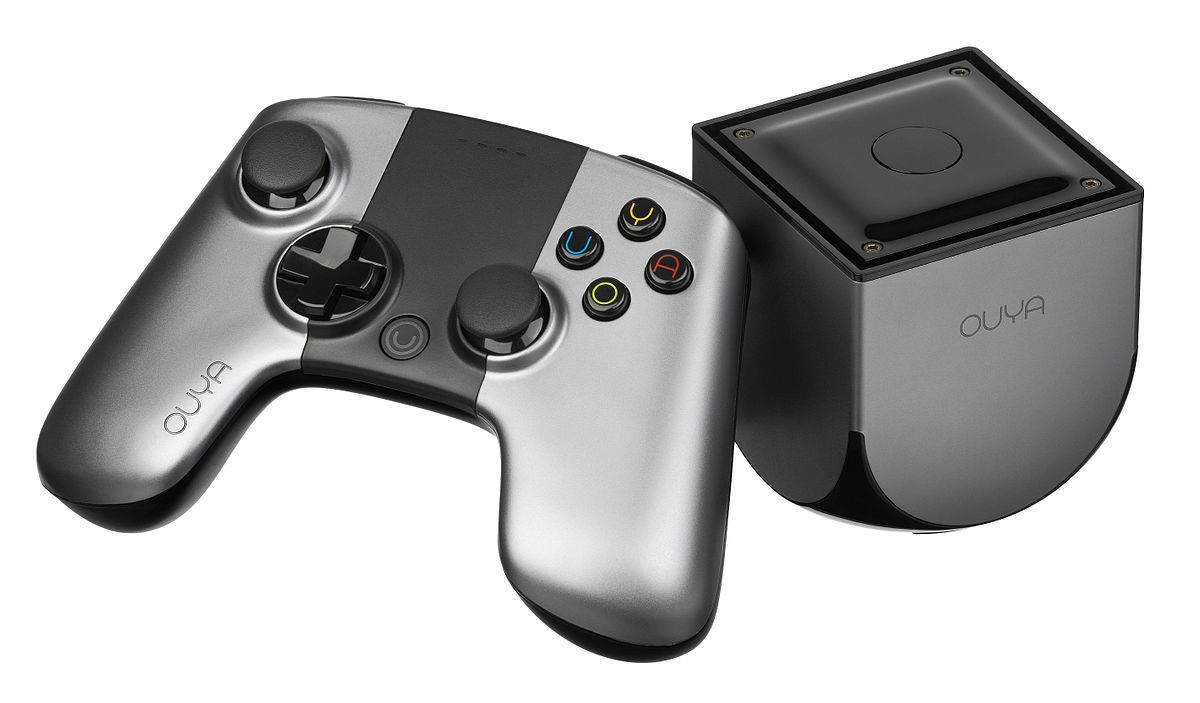
Credit: www.thegamer.com

Credit: www.pcmag.com
Frequently Asked Questions
What Defines A Failed Video Game Console?
A failed video game console typically struggles with poor sales and lacks consumer interest. It may suffer from technical issues, limited game library, or poor marketing. Despite initial hype, these consoles fail to compete with successful counterparts and often exit the market prematurely.
Why Do Some Video Game Consoles Fail?
Consoles fail due to inadequate features, poor marketing, or high prices. Lack of developer support and a weak game library can also contribute. Strong competition from established brands often overshadows new or struggling consoles, leading to their downfall.
Are Failed Consoles Collectors’ Items?
Yes, failed consoles can become collectors’ items. Their rarity and unique features attract enthusiasts and collectors. Over time, these consoles may gain value, especially if they have historical significance or offer unusual gameplay experiences.
Can Failed Consoles Be Revived?
Reviving failed consoles is rare but possible. Manufacturers might re-release improved versions or offer better support. Nostalgia or community efforts can also spark interest. However, success depends on overcoming past shortcomings and appealing to current gaming trends.
Conclusion
Exploring failed video game consoles teaches us valuable lessons. These devices, despite their flaws, contributed to gaming evolution. They remind us that innovation carries risk. Each console had its unique story and challenges. Designers learned from mistakes, shaping future successes.
Gamers witnessed bold attempts and sometimes, disappointing results. Yet, each failure paved the way for better gaming experiences. Remember, progress often comes from trial and error. By understanding past failures, we appreciate today’s gaming world more. Keep exploring the history of gaming.
It’s a journey filled with surprises and insights.



