Affiliate Disclosure: This post may contain affiliate links. If you purchase through links on our site, we may earn an affiliate commission at no extra cost to you.
Imagine a world where managing diabetes becomes less of a daily struggle and more of a seamless part of your life. Diabetes wearable technology is making that vision a reality.
These innovative devices are changing how you keep track of your health, offering you real-time insights and unprecedented control over your condition. But how exactly do these gadgets work, and which ones are right for you? You’ll discover the cutting-edge technologies that are transforming diabetes management.
You’ll learn about the benefits they offer and how they can empower you to live a healthier, more balanced life. Get ready to explore a future where managing diabetes is not just easier, but smarter. Keep reading to find out how you can take advantage of these life-changing innovations.
Credit: medicalxpress.com
Advancements In Wearable Technology
Wearable technology is transforming diabetes management. These devices offer real-time monitoring and insights. They empower individuals to manage their condition effectively. Recent advancements have made these wearables more accurate and user-friendly. The focus is on enhancing life quality and simplifying diabetes management.
Continuous Glucose Monitors (cgms)
CGMs track glucose levels 24/7. They provide immediate feedback on blood sugar changes. Users can spot trends and adjust their lifestyle accordingly. These devices alert users of high or low blood sugar levels. This helps in taking swift action to avoid complications.
Smart Insulin Pens
Smart insulin pens calculate and record insulin doses. They sync with smartphones, offering convenience. Users can track their insulin usage with ease. These pens help ensure accurate dosing. This reduces the risk of both over and under-dosing.
Wearable Insulin Pumps
Insulin pumps deliver continuous insulin. They mimic the pancreas by providing a steady insulin flow. Users can adjust doses based on their needs. These pumps can be paired with CGMs. This combination offers integrated diabetes management.
Fitness Trackers With Diabetes Features
Some fitness trackers now include diabetes-specific features. They monitor physical activity and glucose levels. These devices encourage a balanced lifestyle. They motivate users to stay active and healthy. This integration supports overall diabetes management.
Smartwatches With Health Monitoring
Smartwatches now offer health monitoring features for diabetics. They track heart rate and physical activity. Users receive health alerts and reminders. These watches can be linked to other diabetes devices. This provides a comprehensive health overview.
Types Of Diabetes Wearables
Diabetes wearable technology is changing how people manage their health. These devices help keep track of blood sugar levels. They make life easier for those living with diabetes. Different types of wearables offer unique benefits. Learn about the main types below.
Continuous Glucose Monitors
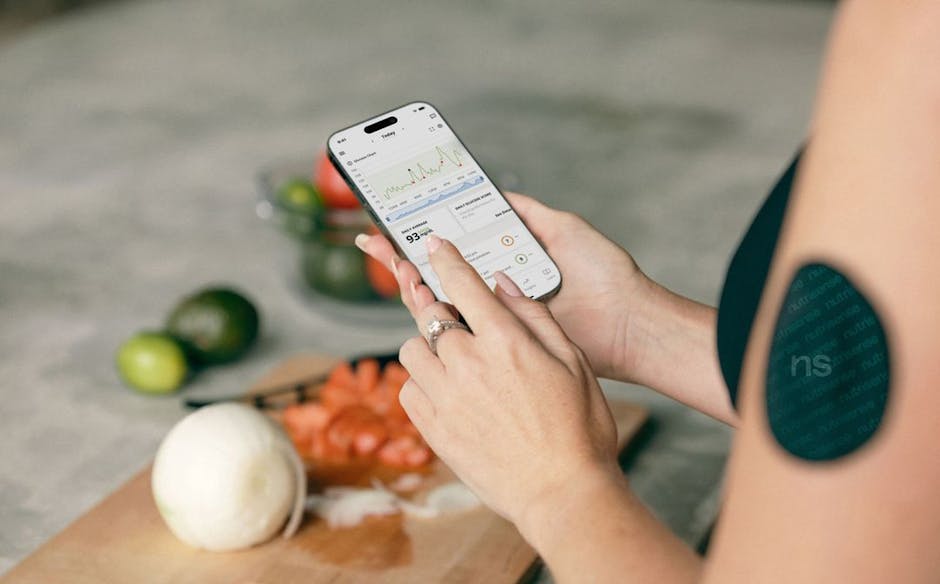
Continuous Glucose Monitors (CGMs) check blood sugar levels all day. They use a small sensor under the skin. This sensor sends data to a device or smartphone. It helps users see trends in their blood sugar. Alerts warn when levels are too high or too low. CGMs reduce the need for finger pricks.
Smart Insulin Pens
Smart Insulin Pens track insulin doses with ease. They connect to apps on smartphones. Users can see when they last took insulin. These pens often have reminders for doses. They help prevent missed injections. Users can share data with their doctors.
Connected Insulin Pumps
Connected Insulin Pumps deliver insulin automatically. They adjust based on blood sugar readings. This ensures more stable blood sugar levels. Users control the pump with a handheld device. Some pumps connect to CGMs for better results. They offer freedom from frequent manual injections.
Benefits Of Diabetes Wearables
Diabetes wearables have transformed how individuals manage their condition. These devices offer numerous benefits, making daily life easier for those with diabetes. They provide insights and help users stay on top of their health. Let’s explore the advantages of using these wearables.
Real-time Data Monitoring
Diabetes wearables track health data instantly. Users receive updates on glucose levels throughout the day. This constant monitoring helps in making informed decisions. Alerts notify users of any sudden changes. Knowing your numbers helps in timely interventions.
Improved Glycemic Control
Wearables assist in maintaining stable blood sugar levels. They guide users on food choices and medication timing. This reduces risks of spikes or drops in glucose. Better control leads to improved overall health. Staying within target ranges becomes simpler.
Enhanced Patient Engagement
These devices encourage active participation in health management. Users become more aware of their daily habits. Wearables promote self-monitoring, boosting confidence in managing diabetes. Sharing data with healthcare providers is seamless. This fosters better communication and support.
Challenges And Limitations
Diabetes wearable technology faces hurdles like high costs and limited accuracy. These devices often require regular calibration. Users sometimes struggle with data interpretation, causing confusion. Battery life and device comfort also pose challenges, impacting daily usability.
Navigating the world of diabetes management has been transformed by wearable technology. These devices offer real-time data, giving you more control over your health. However, despite their potential, they come with challenges and limitations that you must consider. Understanding these hurdles can help you make informed decisions about integrating these devices into your life.
Data Privacy Concerns
When using wearable tech, your personal health data is collected and stored. This raises questions about who has access to your data and how it is used. Are companies protecting your information or is it at risk of being shared without your consent? Consider reading the privacy policies of these devices. Ensure you are comfortable with how your data is being handled. Data breaches are not uncommon, and being proactive can protect your personal information.
Accessibility And Cost
The cost of wearable technology can be a barrier for many. Insurance might not cover these devices, leaving you to foot the bill. Even if you can afford it, others might not have the same opportunity, creating a gap in access. Think about whether the investment is worth it for you. Consider the long-term benefits versus the upfront costs. Is there a budget-friendly option that provides the same benefits?
Device Accuracy Issues
Accuracy is crucial when managing diabetes. If a device provides inaccurate readings, it could lead to incorrect insulin dosages or dietary choices. This could be potentially dangerous for your health. Before purchasing, research the device’s accuracy. Look for reviews from other users or ask your healthcare provider for recommendations. Are you willing to accept a margin of error, or do you need precision? In your journey with diabetes, wearable technology can be a powerful tool. But it’s essential to weigh these challenges and limitations. How do they align with your needs and lifestyle? Your health decisions should empower you, not complicate your life further.
Integration With Mobile Apps
Diabetes wearable technology has transformed how individuals manage their condition. A key feature is the integration with mobile apps. These apps provide users with real-time data, enhancing their monitoring experience. This seamless integration offers greater control over diabetes management. It also provides valuable insights through easy-to-use interfaces.
Real-time Data Monitoring
Mobile apps collect data from wearable devices instantly. Users can view their glucose levels in real time. This helps them make informed decisions quickly. It reduces the risk of complications. Timely alerts notify users of any significant changes.
Personalized Insights And Recommendations
Apps provide personalized insights based on collected data. They analyze trends and offer tailored recommendations. Users can adjust their routines to maintain optimal health. This level of customization enhances the user’s experience.
Enhanced Communication With Healthcare Providers
Users can share data with healthcare providers easily. This ensures better care and support. Doctors access accurate records for informed decision-making. This improves the overall quality of treatment. Users feel more connected to their care teams.
User-friendly Interfaces And Features
Mobile apps feature intuitive designs for easy navigation. Users can access information without hassle. Features like graphs and charts simplify complex data. This makes understanding health metrics straightforward. Users of all ages find these tools accessible.
Improved Lifestyle Management
Apps assist in managing lifestyle factors like diet and exercise. Users receive reminders for medication and meals. This helps maintain consistent routines. Tracking physical activity becomes effortless. It encourages healthier lifestyle choices.
Security And Privacy Considerations
Data security is a priority for mobile apps. Users’ information is kept confidential. Robust measures protect sensitive health data. This ensures peace of mind for users. Trust in these technologies continues to grow.
Future Trends In Diabetes Wearables
Diabetes wearable technology is evolving rapidly, offering smarter solutions for monitoring blood sugar. Devices now feature continuous glucose tracking and real-time alerts. These advancements aim to enhance diabetes management and improve users’ quality of life.
Diabetes wearable technology has seen incredible advancements, making it easier for people to manage their condition effectively. As we look to the future, these devices are set to become even more essential tools for diabetes management. Innovations in technology are paving the way for more accurate, personalized, and insightful health management solutions.
Ai And Machine Learning
Artificial intelligence and machine learning are transforming diabetes wearables by making them smarter and more intuitive. These technologies can analyze vast amounts of data to predict blood sugar trends and provide real-time feedback. Imagine a device that learns your body’s patterns and adjusts its alerts to prevent high or low blood sugar episodes. Such advancements can help you live more freely without constantly worrying about your glucose levels. Are you ready for a wearable that thinks ahead for you?
Expanded Sensor Capabilities
The future of diabetes wearables includes sensors that go beyond just measuring blood glucose. New sensors are being developed to monitor additional biomarkers like ketones and insulin levels. This expansion means a more comprehensive understanding of your health. With these capabilities, you could have a multi-faceted view of how your body functions, not just snapshots of glucose levels. How would your daily routine change if you had access to more detailed health data?
Personalized Health Insights
Future wearables aim to provide insights tailored specifically to your lifestyle and health needs. By combining data from various sources like diet, exercise, and sleep patterns, these devices can offer personalized advice. Instead of generic tips, you could receive actionable insights that fit your unique habits and goals. This level of personalization can empower you to make better health decisions daily. What if your wearable could become your personal health coach, guiding you toward optimal wellness?
Patient Stories And Experiences
Diabetes wearable technology changes lives. Patients share their journeys. Their stories inspire hope and offer real-life insights. These experiences highlight the impact of technology in managing diabetes.
Living With Confidence
John feels more secure with his wearable device. He monitors his blood sugar levels easily. This gives him peace of mind. He can focus on other activities without constant worry. His family also feels relieved.
Overcoming Daily Challenges
Sara had trouble managing her diabetes. Her new wearable technology makes things easier. She tracks her glucose levels with ease. This helps her avoid sudden drops. Her daily routine is now smoother.
Achieving Better Health
Tom noticed health improvements with his device. His doctor is happy with his progress. He sees better blood sugar control. This motivates him to maintain healthy habits. He feels better and more energetic.
Feeling Supported And Connected
Wearable technology connects Lisa to her healthcare team. She feels more supported now. Her doctor receives data in real-time. This helps in making timely adjustments. Lisa feels she has a partner in her health journey.
Impact On Healthcare Systems
Diabetes wearable technology is transforming healthcare systems globally. These devices are changing how we manage diabetes. They offer real-time data and insights. This technology empowers patients and healthcare providers. It streamlines processes, reducing strain on healthcare systems.
Reducing Hospital Visits
Wearable devices help in continuous glucose monitoring. This allows for early detection of blood sugar spikes. Patients can adjust their insulin doses promptly. This reduces the need for emergency hospital visits. Healthcare systems benefit from fewer admissions. Patients receive care at home, saving time and resources.
Cost-effectiveness
Diabetes wearables can lower healthcare costs. Continuous monitoring reduces complications. Fewer complications mean fewer medical interventions. This leads to cost savings for healthcare providers. Patients also save on travel and hospitalization expenses. Overall, these savings benefit the healthcare system.
Telemedicine Synergies
Wearable technology supports telemedicine services. Patients share their health data remotely. Doctors can monitor and advise without in-person visits. This improves patient care and accessibility. Healthcare systems can reach more patients efficiently. Wearables and telemedicine work together, enhancing diabetes management.
Credit: novi-health.com
Frequently Asked Questions
What Is Diabetes Wearable Technology?
Diabetes wearable technology includes devices that monitor glucose levels and help manage diabetes. These devices provide real-time data, improving disease management. Popular wearables include continuous glucose monitors and smart insulin pens. They offer convenience and enhance quality of life for diabetics by providing timely alerts and insights.
How Do Glucose Monitoring Devices Work?
Glucose monitoring devices measure blood sugar levels continuously. They use sensors placed on the skin to track glucose in interstitial fluid. The data is transmitted to a smartphone or device, allowing users to monitor levels easily. This helps in timely decision-making for insulin dosing and lifestyle adjustments.
Can Wearables Replace Traditional Diabetes Management?
Wearables complement traditional diabetes management but don’t replace it entirely. They provide additional data and convenience, improving overall control. Traditional methods like blood tests and insulin injections remain essential. Wearables enhance monitoring and can lead to better outcomes when used alongside conventional treatments.
Are Diabetes Wearables Accurate?
Diabetes wearables are generally accurate, but they may have slight discrepancies. They provide valuable trends and insights for managing blood sugar levels. Regular calibration and proper use improve accuracy. Consult healthcare professionals for best practices. They can guide you on integrating wearables into your diabetes management plan.
Conclusion
Diabetes wearable technology offers hope for better health management. These devices track blood sugar levels efficiently. Users get timely alerts to manage their condition. Technology keeps evolving, promising more precise data. Easier daily routines result from clear insights. People gain control over their health journey.
Stay informed and make smart choices. Wearable tech supports healthier lifestyles. Individuals find freedom in real-time monitoring. Empowerment through technology is achievable for everyone. Embrace these tools for a healthier tomorrow.