Affiliate Disclosure: This post may contain affiliate links. If you purchase through links on our site, we may earn an affiliate commission at no extra cost to you.
Imagine a world where machines handle tasks with precision and efficiency, enhancing productivity and safety in ways you’ve never thought possible. This isn’t science fiction—it’s the reality of industrial robots.
These mechanical marvels are revolutionizing industries, and understanding their capabilities can open doors to innovation and improvement in your business or personal projects. As you dive deeper into the examples we’ve gathered, you’ll discover how these robots can be the catalyst for change, driving success and streamlining operations.
Whether you’re a tech enthusiast or a professional seeking cutting-edge solutions, this article will shed light on how industrial robots can transform your world. Get ready to explore the fascinating examples that might just inspire your next big idea.
Types Of Industrial Robots
Industrial robots have transformed manufacturing with their precision and efficiency. Understanding the types of industrial robots helps businesses choose the right one for their needs. Each type offers unique features and applications, enhancing production processes across various industries.
Articulated Robots
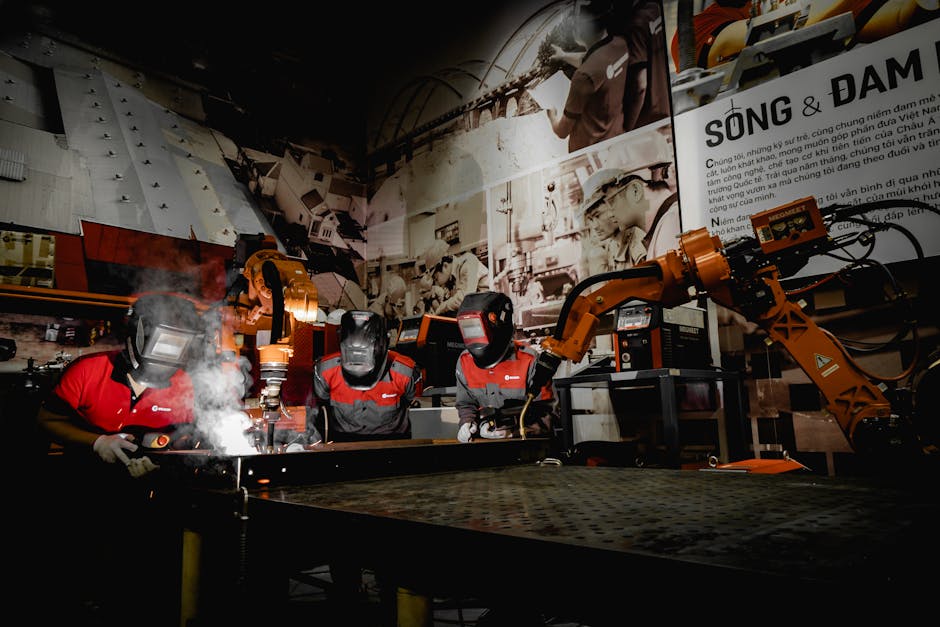
Articulated robots resemble a human arm with rotary joints. They offer a wide range of motion, making them versatile in various tasks. Commonly used in welding, painting, and assembly, they excel in complex operations. Their flexibility ensures precision and accuracy in handling tasks.
Scara Robots
SCARA stands for Selective Compliance Assembly Robot Arm. These robots are ideal for pick-and-place tasks. Their design supports high-speed operations with precision. SCARA robots are commonly used in assembly lines and packaging processes. They are efficient in tasks requiring vertical movements.
Cartesian Robots
Cartesian robots operate on three linear axes: X, Y, and Z. They are known for their simplicity and accuracy. Often used in CNC machines and 3D printing, they handle tasks requiring straight-line movements. Their structure supports heavy load capacities with ease.
Cylindrical Robots
Cylindrical robots move in a cylindrical coordinate system. They are suitable for tasks involving rotation and linear motion. Common applications include handling materials and machine tool operations. They offer a balance of reach and load capacity.
Delta Robots
Delta robots feature a triangular design with parallel arms. They excel in high-speed and precise movements. Ideal for sorting, packaging, and assembly tasks, they enhance productivity. Their lightweight structure supports fast operations with minimal inertia.
Credit: temas.vn
Automotive Industry Applications
Industrial robots have transformed the automotive industry, offering efficiency and precision. These robots are vital in various applications, enhancing productivity and quality. They streamline operations, reducing human error and saving time. Let’s explore some key applications of industrial robots in the automotive sector.
Assembly Line Automation
Robots handle repetitive tasks on assembly lines with precision. They install parts like doors, windshields, and engines. This automation speeds up production and ensures consistency. Human workers are freed from tedious tasks, allowing them to focus on complex processes.
Welding And Painting
Robots excel in welding and painting automotive parts. They provide accurate welds, ensuring strong joints. Their precision in painting leads to a flawless finish. Robots perform these tasks in hazardous environments, improving safety for human workers.
Quality Inspection
Robots conduct thorough inspections with advanced sensors. They detect defects that might be missed by human eyes. This ensures only top-quality vehicles reach consumers. Automated inspections increase reliability and customer satisfaction.
Electronics Manufacturing
Industrial robots, like the pick-and-place and soldering robots, are vital in electronics manufacturing. They boost efficiency and precision, handling tasks such as circuit assembly and quality inspection. These robots enhance production speed and ensure consistent product quality in manufacturing processes.
In the world of electronics manufacturing, industrial robots have become indispensable. Their precision, speed, and reliability are game-changers in a sector where accuracy is paramount. Picture yourself in a bustling factory where robots tirelessly work on complex tasks. These machines ensure your gadgets are built with utmost precision and care. Let’s explore how industrial robots excel in electronics manufacturing.
Precision Assembly
Robots in electronics assembly are masters of precision. Imagine trying to place hundreds of tiny components on a circuit board with your hands. It’s daunting, right? Industrial robots do this with ease. They can position parts accurately, ensuring every piece fits perfectly. This precision reduces errors and enhances product quality. How could your smartphone function flawlessly without such meticulous assembly?
Component Testing
Component testing is another area where industrial robots shine. They perform rigorous tests on electronic components, ensuring they meet quality standards. Think about the last time your electronic device malfunctioned. Wouldn’t it be reassuring to know that robots have meticulously tested every part? By automating testing, companies can catch defects early, saving time and resources. How much trust can you place in a product that undergoes such thorough testing?
Packaging And Handling
Once the assembly and testing are complete, packaging and handling come into play. Industrial robots handle these tasks with efficiency and care. They pack delicate electronics securely, minimizing the risk of damage during transportation. Have you ever received a damaged device? Robots work to prevent such disappointments. Their precision in packaging ensures your electronics arrive in pristine condition. Can you imagine the logistics without these robotic helpers? In electronics manufacturing, industrial robots are more than just machines. They are the backbone of the industry, ensuring every device you use is reliable and high-quality. As you explore your next gadget, consider the robotic precision behind it. Isn’t it fascinating how these silent workers impact our everyday lives?
Food And Beverage Processing
Industrial robots transform food and beverage processing. They enhance efficiency and safety. Automation reduces human error and contamination risks. Robots handle tasks precisely. Their use spans sorting, packaging, palletizing, and quality control.
Sorting And Packaging
Sorting robots quickly classify items by size and type. They ensure uniformity in food products. Packaging robots wrap items rapidly and accurately. These robots streamline operations, reducing the need for manual labor. This saves time and boosts productivity. Companies meet high demand efficiently.
Palletizing
Palletizing robots stack boxes and products swiftly. They handle heavy items with ease, minimizing worker strain. These robots organize goods neatly on pallets. This improves warehouse space utilization. Fast stacking aids in quicker shipping processes. Businesses can fulfill orders faster.
Quality Control
Quality control robots inspect food items meticulously. They detect defects and contamination. These robots use sensors to assess product quality. Their precision ensures only top-quality goods reach consumers. Consistent quality builds brand trust. Companies maintain high standards effortlessly.
Pharmaceutical Production
Pharmaceutical production demands precision and safety. Industrial robots play a vital role here. Their involvement ensures efficient, sterile, and accurate processes. Each robot contributes uniquely, enhancing productivity and maintaining high standards.
Sterile Handling
Sterile handling is crucial in pharmaceuticals. Robots ensure contamination-free environments. They use advanced technology for delicate tasks. Their precision reduces human error, safeguarding product quality. Automation minimizes risks, preserving sterility throughout production.
Dispensing And Packaging
Robots excel in dispensing and packaging. They handle medications with care, ensuring correct quantities. Automated systems speed up processes, meeting demand efficiently. Packaging robots seal products securely, maintaining integrity. Consistent results improve customer trust and satisfaction.
Inspection And Sorting
Inspection and sorting require keen accuracy. Robots detect defects and sort items swiftly. Their vision systems identify inconsistencies, preventing faulty products. Automated sorting maintains product quality and compliance. Efficiency in these tasks boosts overall production effectiveness.
Credit: builtin.com
Textile Industry Innovations
The textile industry embraces industrial robots like sewing robots and fabric cutting machines. These robots enhance efficiency and precision. Automated dyeing systems and robotic looms reduce human error and increase production speed.
The textile industry is undergoing a transformation with industrial robots. These machines bring innovation to processes that were once manual. They offer precision and efficiency, changing how textiles are produced. Let’s explore how robots are shaping the industry.
Fabric Cutting And Sewing
Robots in fabric cutting ensure clean edges and accurate shapes. They handle complex patterns with ease. Automated sewing machines stitch fabrics with precision. Speed and accuracy improve garment production. Workers supervise robots to maintain quality. This teamwork enhances productivity and reduces errors.
Dyeing And Finishing
Robots streamline dyeing processes in textiles. They measure and mix dyes accurately. Uniform color application ensures consistent results. Automated finishing machines add desired textures. These machines apply coatings and treatments efficiently. They save time and reduce waste. The outcome is high-quality textile products.
Quality Assurance
Robots play a key role in quality assurance. They inspect fabrics for defects and irregularities. Automated scanning ensures every product meets standards. Robots detect flaws that human eyes might miss. This ensures only top-quality textiles reach consumers. The process builds trust in textile brands.
Benefits Of Industrial Robots
Industrial robots are transforming the manufacturing landscape. Their benefits are diverse and impactful. Companies worldwide are embracing these automated machines. They are essential for enhancing productivity and precision. Industrial robots offer several advantages that make them invaluable assets.
Increased Efficiency
Robots work tirelessly without fatigue. They operate at consistent speeds, reducing production time. Machines handle repetitive tasks swiftly. This leads to faster turnaround. Efficiency improves the overall workflow. Robots also minimize human error.
Cost Reduction
Industrial robots save money by reducing labor costs. They require less human intervention. Maintenance costs are lower over time. Initial investment pays off quickly. Robots also reduce waste, saving material costs. They streamline operations, boosting profitability.
Enhanced Precision And Consistency
Robots deliver unmatched accuracy. They follow programmed instructions precisely. Consistency in product quality is ensured. Robots eliminate variations in production. This enhances customer satisfaction. Businesses build trust through reliable products.
Challenges And Considerations
In the world of industrial robots, challenges and considerations are as crucial as the technology itself. While these robots bring efficiency and innovation, they also come with hurdles that you should not ignore. Understanding these challenges is vital to leveraging the full potential of industrial robots.
Integration Costs
Integrating robots into your existing systems can be expensive. You have to consider not just the purchase price but also the cost of installation and training. These expenses can add up quickly.
A friend once shared how their company underestimated integration costs, resulting in budget overruns. What hidden costs might you face in your journey?
It’s essential to conduct a thorough cost analysis before diving in. You need to weigh the initial expenses against the long-term benefits to make a well-informed decision.
Workforce Impact
Introducing robots to your workforce can change the dynamics of your team. Some employees might feel threatened, fearing job losses. Others might welcome the opportunity to upskill and work alongside advanced technology.
I remember visiting a factory where robots were initially viewed with skepticism. Over time, employees found ways to enhance their roles, focusing on tasks that required human insight. How might your workforce react?
Communication is key here. Engaging your team early in the process can alleviate concerns and foster an environment of collaboration.
Maintenance And Upkeep
Industrial robots require regular maintenance to function optimally. Neglecting this can lead to breakdowns and costly downtime. You need a plan for routine check-ups and repairs.
Imagine a scenario where a robot fails during peak production hours—this can be disastrous. What preventative measures do you have in place?
Developing a maintenance schedule ensures that your robots remain reliable. Consider allocating resources for unexpected repairs to minimize disruptions.
Addressing these challenges head-on can lead to a smoother integration of industrial robots into your operations. How prepared are you to tackle these considerations?
Future Trends In Robotics
Explore future trends in robotics through industrial examples like welding robots and automated assembly lines. These machines boost production speed and precision. Newer models adapt to tasks, ensuring efficiency in diverse industries.
Industrial robots are changing the way industries operate and are set to become even more integral in the years to come. You may wonder how these machines will continue to evolve. Future trends in robotics are not just about making machines faster or more efficient; they are about transforming entire industries with groundbreaking innovations.
Artificial Intelligence Integration
Artificial intelligence is pushing the boundaries of what robots can do. Imagine robots that learn from mistakes and adjust on the fly. This isn’t science fiction; it’s happening now. AI-enabled robots can analyze data in real-time, making them smarter and more autonomous. How can this impact your industry? Think about robots detecting quality issues before they become problems or optimizing workflows to save time and money.
Collaborative Robots
Collaborative robots, or cobots, are designed to work alongside humans, not replace them. Picture a robot that assists you in tasks, enhancing your productivity. It’s not about competing with you; it’s about complementing your skills. Cobots are equipped with sensors and safety features that allow them to operate safely in close proximity to humans. How could a cobot improve your work environment or even your safety at work?
Sustainability And Energy Efficiency
Robots are becoming more eco-friendly, contributing to sustainability efforts. Have you ever thought about the energy consumption of industrial robots? New designs focus on reducing power usage, which is crucial in today’s energy-conscious world. Robots are also being built with recyclable materials, minimizing environmental impact. What steps can you take to ensure your robotic solutions are energy-efficient and sustainable? As the future unfolds, these trends will shape how industries function, offering opportunities to enhance efficiency, safety, and sustainability. How will you leverage these advancements to stay ahead?
Frequently Asked Questions
What Are Examples Of Industrial Robots?
Industrial robots examples include articulated robots, SCARA robots, and Cartesian robots. Articulated robots have rotary joints for complex movements. SCARA robots are ideal for pick-and-place tasks. Cartesian robots move linearly along axes. These robots enhance efficiency, precision, and automation in manufacturing processes.
How Do Industrial Robots Improve Manufacturing?
Industrial robots improve manufacturing by enhancing speed, precision, and efficiency. They reduce human error and increase productivity. Robots can work continuously without fatigue, ensuring consistent quality. They also perform tasks dangerous for humans, improving workplace safety. Automation through robots leads to cost savings and competitive advantage.
What Industries Use Industrial Robots?
Industries using industrial robots include automotive, electronics, and pharmaceuticals. Automotive companies use robots for assembly and welding. Electronics manufacturers employ robots for precision tasks. Pharmaceutical industries use robots for packaging and inspection. Robots are crucial in sectors where precision and efficiency are paramount.
Can Industrial Robots Perform Complex Tasks?
Yes, industrial robots can perform complex tasks. They are programmed for tasks like welding, painting, and assembly. Advanced sensors and AI allow them to adapt to changing environments. Robots can handle intricate operations with high precision, making them indispensable in industries demanding complex automation.
Conclusion
Industrial robots transform manufacturing processes. They boost efficiency and precision. Companies use them for repetitive tasks. Robots improve quality and reduce human error. They save time and costs. Their role expands across industries. From welding to assembling, robots excel. Reliable and consistent.
Essential tools in modern factories. Future advancements promise more capabilities. Industrial robots continue to evolve. They shape the future of production. Embrace technology’s role in industry growth. Understanding their impact is crucial. Stay informed on robotics trends. Adapt to changes for business success.
Industrial robots are here to stay.