Affiliate Disclosure: This post may contain affiliate links. If you purchase through links on our site, we may earn an affiliate commission at no extra cost to you.
Imagine losing all your important files in the blink of an eye. Scary, right?
That’s why understanding secondary memory storage devices is crucial for you. These devices act as your digital safety net, ensuring your data is safe and accessible whenever you need it. Whether you’re storing cherished photos, critical work documents, or your favorite music collection, these devices play a key role in your digital life.
But which one is right for you? How do they work? And why are they so essential? Stick around, as we delve into the world of secondary memory storage devices and uncover how they can safeguard your digital treasures effectively. Ready to make sure your data is always in good hands? Let’s get started.
Types Of Secondary Storage Devices
When it comes to storing data, secondary storage devices are essential. These devices hold data even when your computer is turned off, unlike primary storage which is temporary. Understanding the different types can help you choose the right one for your needs. Let’s dive into some popular options.
Hard Disk Drives
Hard Disk Drives (HDDs) have been around for decades. They are like the trusty old friend who has seen it all. With moving parts, they store data on spinning disks called platters.
Their large capacity and affordability make them a popular choice for many. However, they are slower compared to newer technologies. If speed isn’t your top priority, HDDs can be a reliable option.
Solid State Drives
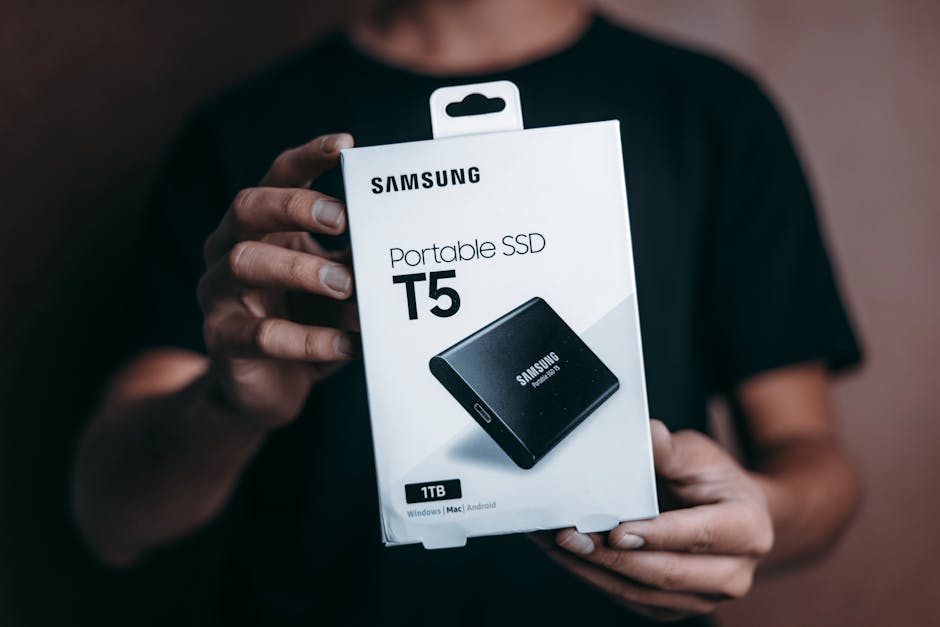
Solid State Drives (SSDs) are the speed demons of storage devices. They use flash memory to store data, similar to USB drives, but much faster. You can think of them as the sports car of storage.
They have no moving parts, making them more durable and efficient. If you’re tired of long boot times and want your applications to load in a blink, SSDs are worth considering. Although they can be more expensive, many find the investment worthwhile.
Optical Discs
Remember CDs and DVDs? They fall under optical discs. These are used less frequently now, but they can be great for archiving data.
Optical discs are inexpensive and can store a fair amount of data. They might not be as convenient as other options, but they can be a good backup for important files. Do you still use them?
Flash Drives
Flash drives are the pocket-sized powerhouses of data storage. They are small, portable, and incredibly easy to use. Just plug them in, and you’re ready to go.
Great for transferring data between devices, they are your best friend when you need to share files quickly. With various sizes and shapes, there’s a flash drive for everyone. How many do you own?
Cloud Storage
Cloud storage is the modern marvel of data storage. It allows you to save data online and access it from anywhere. All you need is an internet connection.
Services like Google Drive, Dropbox, and OneDrive offer flexibility and convenience. They can be a lifesaver if your physical device fails. Have you backed up your important files to the cloud yet?
Choosing the right secondary storage device depends on your specific needs. Consider what matters most to you: speed, capacity, portability, or accessibility. With so many options available, there’s a perfect match for everyone.
Credit: gonagalamahavidyalaya.blogspot.com
Role In Data Management
Secondary memory storage devices play a vital role in data management. They ensure data is stored securely and efficiently. These devices help in organizing and retrieving data as needed. Understanding their role can improve data management practices significantly. Let’s explore how secondary memory storage devices aid in data management.
Data Backup And Recovery
Data backup is crucial for protecting information. Secondary storage devices store copies of important data. This ensures data is safe during system failures. Recovery processes retrieve this data, minimizing loss. Businesses rely on these devices for consistent data protection. Regular backups can prevent catastrophic data loss.
Data Archiving
Data archiving involves long-term data storage. Secondary storage devices keep historical data accessible. Archived data is not needed daily but is important for future reference. This helps in regulatory compliance and historical analysis. Efficient archiving ensures data remains intact over time.
Data Accessibility
Data accessibility is vital for daily operations. Secondary storage devices provide quick access to stored data. Users can retrieve information without delays. This improves productivity and efficiency. Accessible data supports informed decision-making. Reliable secondary storage enhances data availability for users.
Advantages Of Secondary Storage
Secondary memory storage devices have become essential tools in our digital age. They provide a multitude of benefits that make them indispensable for both personal and professional use. Understanding these advantages can help you make informed decisions about your storage needs.
High Capacity
Imagine trying to store thousands of family photos or your favorite movies on your computer. It’s simply not feasible without secondary storage. These devices offer high capacity, enabling you to store vast amounts of data seamlessly. Whether it’s a terabyte of videos or a massive collection of eBooks, secondary storage handles it all with ease.
Think back to a time when you had to delete files to make space. With secondary storage, you can keep everything without sacrificing your precious data.
Cost-effectiveness
Secondary storage devices are incredibly cost-effective. Instead of buying a new computer with a bigger hard drive, you can simply add an external drive. This saves you money and gives you flexibility in managing your data.
Consider the price difference between upgrading your entire system and purchasing a secondary storage device. The savings are substantial, allowing you to invest in other areas of your life or business.
Long-term Durability
Reliability is key when storing important data. Secondary storage devices are built to last, offering long-term durability. Your data remains safe and accessible, even as technology evolves.
Reflect on how frustrating it is when devices fail unexpectedly. With the durability of secondary storage, you can trust that your data will be protected for years to come.
Have you thought about how much you rely on digital storage? The advantages of secondary storage make it clear that investing in these devices is not just practical but essential for safeguarding your digital life.
Challenges And Limitations
Secondary memory storage devices play a crucial role in data management. Yet, they come with specific challenges and limitations. Understanding these can help users make informed choices. Let’s explore some of the main challenges faced by these devices.
Security Concerns
Data security remains a significant challenge for secondary storage devices. Unauthorized access can lead to data breaches. Hackers often target these devices for sensitive information. Users must implement strong security measures. Encryption and regular updates are vital. Without them, data remains vulnerable.
Data Transfer Speeds
Data transfer speed affects how quickly information moves. Many secondary storage devices struggle with slow speeds. This lag can frustrate users needing quick access. Large files take longer to transfer. Efficient data management becomes harder. Choosing the right device can mitigate this issue.
Compatibility Issues
Compatibility often poses a problem for users. Some devices do not work with all systems. This can limit usability and flexibility. Users must check compatibility before purchasing. Firmware updates might solve some issues. Yet, they do not guarantee universal compatibility. Always research device specifications carefully.
Future Of Secondary Storage
Secondary memory storage devices are evolving quickly. They are becoming faster, cheaper, and can hold more data. This progress leads to better efficiency and access for users worldwide.
The future of secondary storage is a topic that intrigues tech enthusiasts and everyday users alike. As technology advances, so do our needs for reliable and expansive storage solutions. Whether you’re a professional dealing with massive data sets, or someone trying to keep all your family photos safe, understanding the direction secondary storage is heading is crucial. This section will explore emerging technologies, trends in data storage, and the sustainability considerations shaping the future of secondary storage.
Emerging Technologies
New technologies are constantly reshaping the landscape of secondary storage. Solid State Drives (SSDs) have become more accessible and are now a common choice for many due to their speed and durability. Innovations like NVMe (Non-Volatile Memory Express) are pushing these limits even further by offering faster data transfer rates. Quantum storage might sound like science fiction, but it’s slowly turning into reality. Imagine storing data at the atomic level, offering potentially unlimited storage capacity. This could change how you think about storage entirely, making today’s limitations a thing of the past.
Trends In Data Storage
The cloud is not just a buzzword. It’s an integral part of modern storage solutions. More people are choosing cloud services for their flexibility and accessibility, allowing you to access your data from anywhere, anytime. Hybrid storage solutions are gaining popularity. They combine the best of both local and cloud storage, giving you the speed and reliability of physical drives with the convenience of cloud access. This trend is perfect for those who want to keep their options open and enjoy the benefits of both worlds.
Sustainability Considerations
As you consider the future of secondary storage, sustainability is a growing concern. Manufacturing storage devices involves materials and processes that can impact the environment. More companies are looking to reduce this footprint by using eco-friendly materials and processes. Recycling and repurposing old storage devices is another sustainable practice gaining traction. Before you toss out that old hard drive, consider its potential for reuse or recycling. It’s a small step that can make a big difference in reducing e-waste. What steps are you taking towards a sustainable future in your tech usage? Engaging with these trends not only ensures you stay ahead in technology but also contributes positively to the environment.
Credit: greensafaris.com
Frequently Asked Questions
What Are Secondary Memory Storage Devices?
Secondary memory storage devices are non-volatile storage solutions. They retain data even when the power is off. Common examples include hard drives, SSDs, and optical discs. These devices are crucial for storing large amounts of data. They complement primary memory by providing long-term data storage.
How Do Secondary Storage Devices Work?
Secondary storage devices work by storing data magnetically or optically. Hard drives use spinning disks and magnetic fields. SSDs use flash memory to store data electronically. Optical discs use lasers to read and write data. They offer more storage capacity than primary memory.
What Are The Advantages Of Secondary Storage?
Secondary storage offers large capacity and data retention. It allows for persistent data storage, even without power. These devices are cost-effective compared to primary storage. They enable efficient data organization and retrieval. They’re essential for long-term storage needs and system backups.
Are Ssds Better Than Hard Drives?
SSDs are faster and more reliable than hard drives. They use flash memory, offering quick data access. Hard drives are cheaper with larger storage capacities. SSDs have no moving parts, reducing failure risks. They’re ideal for speed-intensive applications and frequent data access.
Conclusion
Secondary memory storage devices are vital in our digital world. They store data safely and for long periods. Options include hard drives, SSDs, and USB drives. Each offers unique benefits. Choosing the right one depends on your needs. Capacity, speed, and cost matter.
Regular updates enhance performance and security. Always back up important files. Reliability is key. Understanding these devices helps in making informed choices. Stay updated with new technologies. Ensure your data is always protected and accessible. Choose wisely for peace of mind.