Affiliate Disclosure: This post may contain affiliate links. If you purchase through links on our site, we may earn an affiliate commission at no extra cost to you.
Have you ever wondered when the device in your pocket, the one you can’t imagine living without, was actually invented? Smartphones have become an essential part of your daily life, from the moment you wake up to the time you go to bed.
They’re not just phones; they’re your alarm clocks, your connection to friends and family, your entertainment hubs, and even your personal assistants. But how did this incredible piece of technology come to be? You’ll discover the fascinating story behind the invention of the smartphone.
You’ll learn about the pioneers who dared to dream of connecting the world in ways never thought possible. By understanding the roots of this revolutionary technology, you’ll gain a deeper appreciation for the device you use every day. Curious about the twists and turns that led to the smartphone’s creation? Read on to uncover the surprising history behind this indispensable gadget.
Early Concepts And Beginnings
The smartphone is a crucial part of daily life today. But its journey began long before it became pocket-sized. Early concepts and beginnings of the smartphone were rooted in imagination and innovation. Visionaries aimed to blend communication with computing, paving the way for devices we can’t live without now.
The First Glimpses Of Smart Technology
In the early 1900s, inventors dreamed of wireless communication. Nikola Tesla imagined a world connected without wires. His ideas inspired future tech innovations. This was the first hint of smart technology.
Communication Meets Computing
By the mid-20th century, computers were evolving. Researchers explored combining telephony with computing. This idea was a giant leap. It set the stage for what would become the smartphone.
Prototypes And Experiments
In the 1970s, engineers developed portable communication devices. These prototypes were bulky and limited. They showed potential for mobile communication. It was a stepping stone toward more advanced technology.
The Birth Of Mobile Networks
Advanced mobile networks emerged in the 1980s. They enabled wireless communication on the go. These networks laid the groundwork for mobile devices. It sparked the imagination of tech innovators.
The First Smartphone Concept
In 1992, IBM introduced Simon. It was the first device to combine phone and PDA features. Simon had a touchscreen and email capability. It was a milestone in smartphone evolution.
The First Smartphone
Today, smartphones are as common as the air we breathe, but have you ever wondered how it all started? The first smartphone was a game-changer, marking the dawn of a new era in communication technology. It was a bold step into the future, offering more than just voice calls. This innovation paved the way for the smart devices we rely on every day.
The Birth Of Smart Technology
In 1992, IBM introduced the Simon Personal Communicator. This was the first device to combine the functionality of a cell phone with the features of a PDA. Imagine holding a device that could send emails, manage your calendar, and make calls—all in the early 90s. It was revolutionary, despite its limitations in size and battery life.
A New Way To Connect
Simon offered a glimpse into the future with its touchscreen and ability to run software applications. Although primitive by today’s standards, it was the first step towards the apps we now can’t live without. You might wonder how people managed with its basic black-and-white screen and limited features. Yet, it introduced the concept of a handheld computer, sparking imaginations worldwide.
Lessons From The Past
Reflect on how far we’ve come since Simon’s debut. We’ve moved from bulky devices with simple functions to sleek smartphones with capabilities beyond imagination. Does this make you appreciate your current device even more? Consider how innovation continues to shape our daily lives, and what might be next on the horizon.
Impact On Everyday Life
Think about how your smartphone is now a hub for everything—communication, entertainment, work, and even health tracking. The first smartphone laid the foundation for this multifunctional tool. It’s fascinating how a single invention can ripple through society, changing the way we live, work, and interact.
Your Smartphone Experience
How do you use your smartphone? Is it your personal assistant, your entertainment system, or your link to the world? Share your experiences and think about how this technology has transformed your day-to-day activities. Could you imagine life without it?
The journey from Simon to today’s smartphones is a testament to human ingenuity. As you hold your smartphone, remember the pioneers who dared to dream big and changed the world. What will the next chapter in smartphone innovation bring? Let’s be ready to embrace it.
Technological Advances In The 1990s
The 1990s marked a pivotal era with the invention of the smartphone. IBM’s Simon, introduced in 1992, combined phone and PDA features. This innovation paved the way for modern smartphones, transforming how we communicate today.
The 1990s were a pivotal decade for technological advancement, especially in the realm of mobile technology. It was a time when dreams of portability and connectivity began to materialize into tangible devices. As you think back to your own experiences in the ’90s, perhaps you remember the shift from bulky electronics to more compact and efficient gadgets. This era laid the groundwork for the smartphones we use today, with significant leaps in touchscreen technology and wireless connectivity.
Touchscreen Innovations
The touchscreen was a game-changer in the 1990s. Early mobile devices relied heavily on physical buttons, which limited their functionality and design. The introduction of touchscreens opened up new possibilities. Suddenly, you could interact with your device through taps and swipes rather than pressing keys. This change not only made devices more user-friendly but also paved the way for more sophisticated features. At the time, touchscreens felt futuristic, almost like something out of a sci-fi movie. I remember the first time I used a touchscreen device—it felt like magic at my fingertips. Did you ever imagine back then that you’d soon be scrolling through apps and websites with just a swipe?
Wireless Connectivity
Wireless connectivity was another significant leap in the 1990s. Before this decade, communication was primarily tethered by cables. The introduction of wireless technology changed everything. It allowed devices to connect to networks without physical connections, making mobility truly feasible. This advancement meant you could start making calls, sending messages, and accessing information on the go. Think about how it transformed your daily life. From freeing you from cords to enabling real-time communication, wireless technology pushed the boundaries of what was possible. Consider the impact of wireless technology on today’s society. How often do you rely on your smartphone for instant access to information? The seeds planted in the ’90s have grown into a world where connectivity is a fundamental part of daily life. As you ponder these advancements, what do you think the next decade will bring?
The Rise Of Modern Smartphones
The world of technology saw a major shift with smartphones. These devices brought computing power to our fingertips. They changed how we communicate, work, and live. The journey began with devices that combined phones and computers. But true transformation came with modern smartphones.
Modern smartphones are more than just phones. They connect us to the internet. They allow us to access apps, music, and games. Let’s look at the two major contributors to this rise. The introduction of the iPhone and the emergence of Android.
Introduction Of Iphone
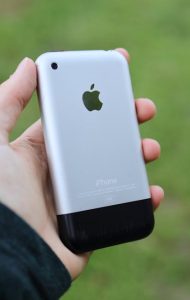
The iPhone was launched by Apple in 2007. It was not the first smartphone, but it was unique. It had a sleek design and a touchscreen interface. The iPhone combined various features in one device. It included a phone, iPod, and internet communicator. This made it stand out from the rest.
Apple’s iPhone changed how we viewed smartphones. It introduced the App Store. This allowed users to download and use applications. This concept changed how we use mobile devices. The iPhone’s success set a new standard in the industry.
Android’s Emergence
In 2008, Google’s Android entered the scene. It was an open-source operating system. Many manufacturers adopted it. This led to a variety of devices in the market. Android offered flexibility to users and developers.
Android phones became popular quickly. They provided customizable features. Users could choose from a wide range of apps. This helped Android gain a large user base. Android’s rise challenged the dominance of the iPhone.
Both iPhone and Android have shaped the modern smartphone era. They continue to drive innovation and competition. This benefits users around the world.
Key Features Shaping The Industry
The invention of the smartphone marked a new era in technology. It transformed how people interact, work, and play. Several key features shaped the smartphone industry. These features drove innovation and user engagement.
App Ecosystem
The app ecosystem expanded the smartphone’s capabilities. It allowed users to personalize their devices. Developers created apps for every need and interest. From games to productivity tools, the options were endless. App stores became hubs of creativity and utility. They offered something for everyone.
Mobile Internet Revolution
Smartphones brought the internet to our fingertips. Fast mobile internet changed how we access information. Users no longer relied on desktops for browsing. Connectivity became seamless and constant. This access fueled social media growth and online shopping. It made the world a smaller, more connected place.
Camera Technology Evolution
Smartphone cameras improved rapidly over the years. Early models had basic cameras with low resolution. Today’s phones offer high-quality lenses and sensors. Users can capture professional-grade photos and videos. Photography apps enhance creativity and editing. This evolution turned everyone into a potential photographer.
Smartphone Impact On Society
The smartphone has radically altered the fabric of society, leaving a lasting imprint on how we communicate, interact, and perceive the world around us. It’s not just a device; it’s a powerful tool that has reshaped our daily lives. From revolutionizing communication to influencing cultural norms, smartphones have become central to our existence.
Communication Transformation
Smartphones have transformed how we communicate. Gone are the days when you had to wait hours for a response. Now, you can send a message and receive a reply within seconds, no matter where you are. This instant connectivity fosters closer relationships with loved ones far away.
Think about your last video call with a friend. Could you imagine doing this twenty years ago? Real-time video chatting connects people in a way text messages never could. It’s almost like you’re in the same room, sharing moments that matter.
But what does this mean for you? Are you spending more time on your phone than engaging in face-to-face conversations? How does this change the quality of your relationships? Reflect on how smartphones have reshaped your communication habits.
Cultural Shifts
Smartphones have also influenced cultural norms. With access to endless information, you can learn about any culture from the comfort of your home. This exposure has broadened perspectives, encouraging acceptance and understanding of diverse traditions.
Consider how social media platforms highlight cultural events globally. You might find yourself celebrating festivals you never knew existed, feeling connected to people across the globe. This shared knowledge fosters global unity and respect.
Yet, with the constant influx of information, are you feeling overwhelmed? How do you filter through what truly matters and enriches your life? Your smartphone can be a gateway to cultural enrichment or a source of information overload.
Smartphones have undeniably reshaped society in profound ways. As you navigate the digital landscape, consider how these changes impact your life. Embrace the positives, but remain mindful of the challenges. What role will smartphones play in your future? The choice is yours.
Future Trends In Smartphone Technology
Smartphones emerged in the late 20th century, reshaping communication and technology. Future trends hint at foldable designs, improved AI, and enhanced connectivity. These innovations promise to enrich user experiences and streamline daily tasks.
Future smartphone technology promises exciting advancements. It aims to enhance user experience and redefine communication. These devices are evolving rapidly. Innovations are shaping how we interact with technology.
Ai Integration
AI is transforming smartphones. It enhances camera features and personalizes user experiences. AI assistants like Siri and Google Assistant are smarter. They learn from user behavior. AI predicts user needs and suggests actions. It improves battery life by optimizing power usage. AI also boosts security. It detects threats and protects data. AI integration makes smartphones intuitive.
Foldable Devices
Foldable smartphones offer unique designs. They provide larger screens in compact forms. Users can enjoy multitasking with ease. Foldable screens are durable and flexible. They adapt to different uses. These devices are perfect for gaming and watching videos. Foldable technology is becoming more affordable. It appeals to tech enthusiasts. Manufacturers are focusing on improving hinge technology. This ensures smooth folding and unfolding. The demand for foldable phones is growing.
Frequently Asked Questions
When Was The First Smartphone Introduced?
The first smartphone, IBM Simon, was introduced in 1992. It was released to the public in 1994. This innovative device combined the features of a mobile phone and a PDA. It paved the way for the development of modern smartphones with its touchscreen and various applications.
Who Invented The First Smartphone?
IBM Simon, the first smartphone, was developed by IBM. It was invented by Frank J. Canova in 1992. The device combined a mobile phone with a PDA. It was a groundbreaking innovation, setting the stage for future smartphone advancements.
What Features Did Ibm Simon Have?
IBM Simon featured a touchscreen, email capability, and a calendar. It also included a world clock, address book, and notepad. These features made it a versatile device for its time. It was a pioneering step towards the multifunctional smartphones we use today.
How Did Smartphones Evolve Over Time?
Smartphones have evolved with better processors, cameras, and connectivity. Early models like IBM Simon had basic functionalities. Modern smartphones now offer internet browsing, high-definition cameras, and powerful apps. This evolution has transformed them into essential tools for communication and entertainment.
Conclusion
Smartphones changed how we connect and live. From the first models, technology evolved quickly. Today, smartphones are a part of daily life, helping us stay connected. They combine communication, entertainment, and information in one device. This journey began decades ago, paving the way for today’s advancements.
Understanding the history of smartphones highlights their impact on society. It shows the power of innovation and human creativity. As technology grows, smartphones will continue to shape our future. Their story is a testament to human progress and the endless possibilities of innovation.