Affiliate Disclosure: This post may contain affiliate links. If you purchase through links on our site, we may earn an affiliate commission at no extra cost to you.
Imagine a world where you can connect with anyone, anytime, anywhere. This is the magic of smartphones, devices that have become an essential part of your daily life.
But have you ever wondered how these powerful gadgets came to be? The history of smartphones is a fascinating tale of innovation, competition, and transformation. From clunky prototypes to sleek, powerful machines, the evolution of smartphones is a story that will captivate your curiosity.
As you delve into this article, you’ll discover the milestones and breakthroughs that have shaped the way you communicate, work, and entertain yourself. Get ready to uncover the surprising origins and unexpected twists in the journey of the smartphone, a device that has revolutionized your world.
Credit: medium.com
Early Mobile Phones
Mobile phones started as bulky devices with limited functions. Over time, they evolved into sleek smartphones. These devices now combine communication, computing, and entertainment, shaping modern lifestyles.
The journey of mobile phones is a fascinating tale of innovation and transformation. Early mobile phones laid the foundation for the sleek smartphones we hold today. If you’ve ever wondered how the bulky devices of the past evolved into the powerful gadgets we can’t live without, you’re in for an intriguing ride. Let’s explore the early days of mobile technology and see how it all began.
The First Generation
In the late 1970s and early 1980s, the world saw the dawn of the first-generation mobile phones. These devices were groundbreaking, albeit hefty and expensive. They were primarily used by professionals who needed to stay connected on the go. The first mobile phones were about the size of a brick. Their large antennas were hard to miss, and they could weigh up to two pounds! Their battery life was only about 30 minutes of talk time, requiring frequent charges. Despite their limitations, these phones marked a significant step forward in communication technology. They paved the way for more compact and efficient designs. Have you ever wondered how different our lives would be without this leap in technology?
Analog Beginnings
The early mobile phones operated on analog technology. This meant they used radio signals to transmit voice data. These signals were similar to the ones used in traditional radios, making the technology relatively accessible. However, analog phones had their drawbacks. The call quality was often poor, and there was little privacy since anyone with the right equipment could eavesdrop on conversations. Despite these issues, analog technology was the best available option at the time. As technology progressed, analog systems became a stepping stone for the digital era. Reflecting on this, it’s amazing how quickly technology advances. What do you think the next big leap in mobile technology will be? These early mobile phones may not have been perfect, but they were revolutionary. They opened the door to a future where mobile communication became a cornerstone of daily life. So, next time you use your smartphone, take a moment to appreciate how far we’ve come from those early days.
Birth Of The Smartphone
The smartphone, a device most of us can’t imagine living without, had humble beginnings. It wasn’t always the sleek, powerful gadget it is today. The birth of the smartphone marks a pivotal moment in tech history, where communication began to evolve rapidly, bringing the world closer together. This journey began with a groundbreaking device that paved the way for the smartphones we use today.
Ibm Simon
In 1994, IBM introduced Simon, the first device to combine mobile phone capabilities with computing features. It was far from the pocket-sized devices we’re used to. Picture a bulky gadget, somewhat resembling a brick. Yet, Simon was revolutionary. It had a touch screen and offered applications like a calendar, address book, and email. For the first time, you could carry a computer in your pocket.
I remember seeing a Simon for the first time and wondering how people could possibly lug around something so big. But imagine the excitement of having access to email and a calendar without sitting at a desk. It sparked a realization that mobile technology could truly transform our daily lives.
Defining Features
The defining features of Simon set the stage for what we now consider essential in smartphones. It was the first to challenge the idea that phones were only for making calls. Touch screens were a novelty, but they hinted at the future of interaction with devices. Simon’s applications, although basic, were the precursors to the app ecosystem that drives our modern devices.
Think about how these features have evolved. Today, you expect your phone to have advanced touch capabilities, seamless app integration, and instant internet access. Simon was the first to make us realize these possibilities. Its introduction was a bold leap into the unknown, encouraging innovation and setting the smartphone revolution in motion.
As you reflect on the journey from Simon to today’s smartphones, consider how far technology has come. How might future devices change the way you interact with the world? The birth of the smartphone wasn’t just about technology; it was about redefining communication and possibilities. What defining features do you think will shape the next generation of devices?
Rise Of The Internet Era
The rise of the internet era marked a transformative phase in the history of smartphones, ushering in a world where connectivity became an everyday expectation. Smartphones evolved from mere communication devices to powerful tools that linked you to the vast resources of the web. As the internet became more accessible, smartphones started offering features that reshaped how you interact with the world.
Email And Browsing Capabilities
Imagine the thrill of accessing your email on the go—something that was once reserved for desktop computers. Smartphones made this possible, allowing you to check your inbox anywhere, anytime. This capability significantly enhanced productivity and changed how you manage your personal and professional life.
Alongside email, browsing the internet on your phone became a game-changer. Gone were the days when you needed to sit in front of a computer to search for information. You could now find answers to your questions instantly, right from your pocket. This accessibility fostered a culture of immediacy and convenience, impacting everything from shopping habits to how you learn.
Expansion Of Networks
As smartphones embraced internet capabilities, the demand for faster and more reliable networks surged. The transition from 2G to 3G, and eventually to 4G, was not just technical jargon; it directly affected how you experience speed and connectivity. These advancements meant smoother video calls, quicker downloads, and seamless streaming.
Network expansions also played a crucial role in bridging the digital divide. With the spread of robust networks, even people in remote areas gained access to the internet. This connectivity opened doors to new opportunities for education, business, and social interactions, making the world feel a little smaller and more connected.
Have you ever considered how different your life would be without instant access to the internet on your smartphone? This era has undeniably shaped modern living, influencing not just how you communicate but also how you think and solve problems. As smartphone technology continues to evolve, the internet remains a central pillar in its advancement, constantly redefining possibilities.
Touchscreen Revolution
The touchscreen revolution marked a turning point in smartphone history. Touchscreens replaced buttons, making phones more user-friendly. This innovation transformed communication and daily tasks, paving the way for modern smartphones.
The touchscreen revolution marked a pivotal moment in the history of smartphones. It transformed the way we interact with technology, making it more intuitive and engaging. Before touchscreens, mobile phones were limited by physical buttons and small screens. Then, the game changed dramatically.
Introduction Of The Iphone
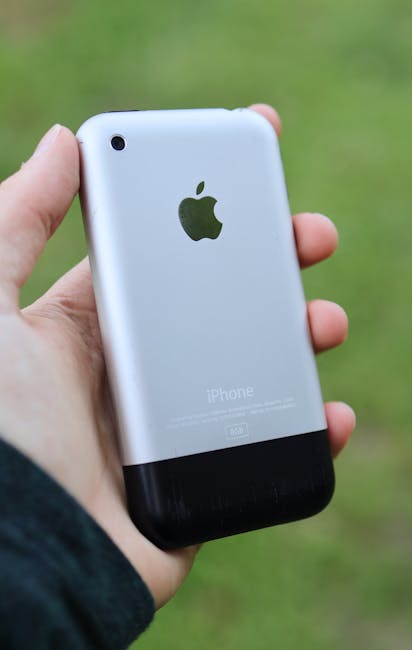
In 2007, Apple introduced the iPhone, a device that redefined the mobile experience. With its sleek design and touchscreen interface, it quickly captured the imagination of millions. The iPhone’s launch was not just a technological breakthrough; it was a cultural phenomenon. Do you remember the first time you swiped your finger across a screen? That feeling of instant responsiveness was magical, wasn’t it?
Impact On Design And Functionality
The iPhone’s introduction sparked a wave of innovation in smartphone design and functionality. It influenced other manufacturers to prioritize sleek, user-friendly designs. Touchscreen interfaces became the norm, making physical keyboards obsolete. This shift allowed for larger screens, enhancing user experience and making apps and media more accessible. But the impact went beyond just design. The touchscreen revolution encouraged developers to create apps that utilized gestures, taps, and swipes. Suddenly, your phone was not just a communication device but a powerful tool for creativity and productivity. How has the touchscreen changed the way you use your phone daily? Have you noticed how it seamlessly integrates with your lifestyle, offering convenience at your fingertips?
App Ecosystem Boom
The app ecosystem boom reshaped how we use smartphones today. It opened doors to limitless possibilities. Users could now do more than just call or text. Apps became central to our daily lives. They catered to diverse needs and interests. The app revolution also brought significant changes in the industry. Let’s delve into this transformative period.
Growth Of App Stores
App stores played a major role in this boom. Apple launched the App Store in 2008. It offered 500 apps initially. This gave users a taste of app potential. Google soon followed with the Google Play Store. It expanded the reach of Android apps. Both platforms fueled app development. Developers found new opportunities to innovate. The number of apps surged quickly. Users could now find apps for anything imaginable.
Changing User Experience
Apps changed how users interacted with their devices. They provided more personalized experiences. Users could customize their phones to fit their needs. Apps enhanced productivity, entertainment, and learning. They brought new ways to connect and communicate. Social media apps became immensely popular. People could stay in touch with friends easily. Apps also introduced new ways to shop and bank. This made smartphones indispensable in daily life.
Android’s Market Entry
Android entered the smartphone market with bold ambitions. Its launch changed the landscape of mobile technology. This platform offered something different. It was open, flexible, and ready for innovation. It attracted manufacturers and developers alike. Android’s entry marked a new era for smartphones.
Open Source Platform
Android’s open source nature stood out. Developers had freedom to create apps. Manufacturers could customize their devices. This openness led to rapid growth. Innovation flourished across the globe. Android became a playground for tech creativity.
Diverse Device Range
Android powered a wide variety of devices. From budget phones to high-end models. Each device catered to different needs. Users had many choices at their fingertips. This diversity boosted Android’s popularity. It appealed to a broad audience.
Advancements In Hardware
Smartphones have evolved rapidly since their inception, transforming from basic communication tools to powerful devices. Early models featured simple hardware, but advancements led to sleek designs, touchscreens, and high-speed processors. Today, smartphones integrate advanced cameras, sensors, and AI, shaping modern life in profound ways.
The evolution of smartphones has been nothing short of remarkable, and much of this progress is owed to advancements in hardware. These improvements have transformed our handheld devices from simple communication tools to powerful mini-computers that manage various aspects of our lives. But have you ever paused to consider what really drives these leaps in technology? Let’s delve into the heart of smartphone innovation and explore how hardware advancements have reshaped our digital experiences.
Processor And Memory Enhancements
Imagine the frustration of waiting for your phone to respond or struggling with apps that keep crashing. A decade ago, this was a common experience. Fast forward to today, and you can multitask with ease. Modern smartphones boast powerful processors and increased memory capacities, enabling faster speeds and improved performance. This leap allows you to switch between apps seamlessly, play high-end games, and even edit videos directly on your device. Have you ever wondered how your phone can handle so many tasks at once? The secret lies in the sophisticated processors and ample memory. Smartphones now come equipped with processors that rival those found in laptops, making them capable of complex computations.
Camera Innovations
Remember the days when blurry, low-resolution photos were the norm? Smartphone cameras have undergone a dramatic transformation over the years. Today, they offer high-quality images with features such as multiple lenses, optical zoom, and advanced night modes. You can capture stunning photos with the tap of a button, rivaling those taken with professional cameras. But what does this mean for you? It means that your vacation snaps and family portraits can be cherished forever in high definition. Have you ever snapped a picture and been amazed by the clarity and detail? With innovations like AI-enhanced photography, smartphones are now your personal photographers, ensuring you never miss a moment. These advancements in hardware have not only improved the functionality of smartphones but have also enhanced your everyday experiences. As you hold your phone, consider the technology packed into that small device. How have these changes impacted your life?
Connectivity And 5g
The evolution of smartphones has been remarkable. Connectivity advancements play a key role. From early networks to today’s 5G, progress is constant. Connectivity defines user experience. It affects speed, reliability, and accessibility. Faster networks transform communication. They enable new possibilities in our digital world.
Evolution Of Wireless Technologies
Wireless technology began with 1G in the 1980s. It only allowed voice calls. Then came 2G, introducing text messaging. 3G brought faster internet and mobile data. It marked a big shift in smartphone use. 4G enhanced streaming and app performance. It made mobile browsing seamless. Each generation improved speed and connectivity.
5G is the latest advancement. It promises lightning-fast speeds. Ultra-low latency is a key feature. 5G supports more devices in one area. It offers improved reliability. This evolution shapes how we connect and interact.
Impact Of 5g Networks
5G impacts many aspects of life. It enhances mobile gaming with faster response times. Video calls are clearer and without lag. 5G supports smart cities with improved infrastructure. It enables advanced technologies like autonomous vehicles. Businesses benefit from faster data transfers. They can make quicker decisions.
5G networks improve healthcare too. They enable remote surgeries and monitoring. This means better access to medical care. Education also sees benefits. Students can engage in interactive online learning. 5G is more than just speed. It’s about connecting the world in new ways.
Smartphone As A Lifestyle Hub
The smartphone has evolved from a simple communication device to a central hub of our daily lives. It’s not just about making calls or sending texts anymore. Today, your smartphone is a lifestyle hub that connects every aspect of your life, from work to leisure, and everything in between.
Integration With Everyday Life
Your smartphone is more than just a gadget; it’s a part of your daily routine. Think about how you use it to check the weather before heading out or set reminders for important tasks. It’s the first thing you reach for in the morning and the last thing you put down at night.
With apps that track your fitness, manage your finances, and even order your coffee, smartphones have seamlessly integrated into every facet of life. They’ve replaced alarm clocks, cameras, and even wallets. How has your smartphone made daily chores easier?
Consider the convenience of having a virtual assistant at your fingertips. Whether it’s setting a timer for your cooking or finding a nearby restaurant, your smartphone is your go-to helper. It’s amazing how a small device can hold so much power to simplify life.
Role In Digital Transformation
Smartphones have been at the forefront of the digital transformation. They have changed how you access information and interact with the digital world. Remember the days of dial-up internet? Now, high-speed access is just a tap away.
Businesses have adapted to this change, offering mobile-friendly services and apps. From banking to shopping, everything is now just a click away. This shift has made services more accessible and convenient, but also raised questions about security and privacy.
Think about how social media has changed communication. You can instantly share experiences and connect with people worldwide. This digital transformation has opened doors to endless possibilities. Are you making the most of these opportunities?
Future Trends
The world of smartphones is constantly evolving. As technology advances, new trends emerge that redefine how we interact with our devices. Are you ready for the future of smartphones? Let’s dive into some exciting developments that are set to change the game.
Foldable And Flexible Displays
Imagine carrying a tablet-sized screen in your pocket. Foldable and flexible displays promise just that. These screens can be folded or bent to fit into small spaces, then expanded for larger viewing.
Companies like Samsung and Huawei are already experimenting with foldable phones. The technology is still maturing, but the potential is huge.
Think about watching videos or multitasking with ease on a device that seamlessly adapts to your needs. Will foldable phones replace tablets and laptops in the future?
Artificial Intelligence Integration
AI is not just for voice assistants anymore. It’s becoming an integral part of smartphones, making them smarter than ever.
AI can learn your habits, optimize battery usage, and even suggest apps before you need them. Imagine a phone that anticipates your needs throughout the day.
With AI, phones can also enhance photography by adjusting settings in real-time for the perfect shot. How will AI transform your smartphone experience?
As these trends unfold, they promise to make smartphones more versatile and intuitive. Which trend excites you the most? The future of smartphones is bright, and you are at the forefront of this technological revolution.
Frequently Asked Questions
What Was The First Smartphone?
The first smartphone was IBM’s Simon, launched in 1994. It combined phone capabilities with PDA features. Simon offered email, calendar, and touchscreen functions. It marked a significant milestone in mobile technology history, setting the foundation for modern smartphones.
How Did Smartphones Evolve Over Time?
Smartphones evolved through technological advancements and consumer demands. Early models focused on basic functions. Over time, features like cameras, internet access, and apps were added. Improved hardware and software revolutionized usability, turning smartphones into essential everyday tools.
Why Were Smartphones A Game-changer?
Smartphones revolutionized communication and access to information. They integrated multiple functions into one device. This convenience transformed how people interact, work, and entertain themselves, leading to widespread adoption and a profound societal impact.
Who Are The Major Smartphone Innovators?
Major smartphone innovators include Apple, Samsung, and Google. Apple revolutionized design and user experience with the iPhone. Samsung led hardware improvements and versatility. Google enhanced software and app ecosystems with Android.
Conclusion
Smartphones have transformed communication over the years. From simple calls to smart apps, their journey is fascinating. Each model brought something new. Smaller, faster, smarter. People rely on them daily. For work, fun, and staying connected. The smartphone’s history shows how technology shapes our lives.
It’s a story of innovation and change. As smartphones continue to evolve, they remain a vital part of modern life. Their impact is clear. From humble beginnings to essential tools. Smartphones have changed the way we live. And they will keep changing.
Always moving forward, always improving.