Affiliate Disclosure: This post may contain affiliate links. If you purchase through links on our site, we may earn an affiliate commission at no extra cost to you.
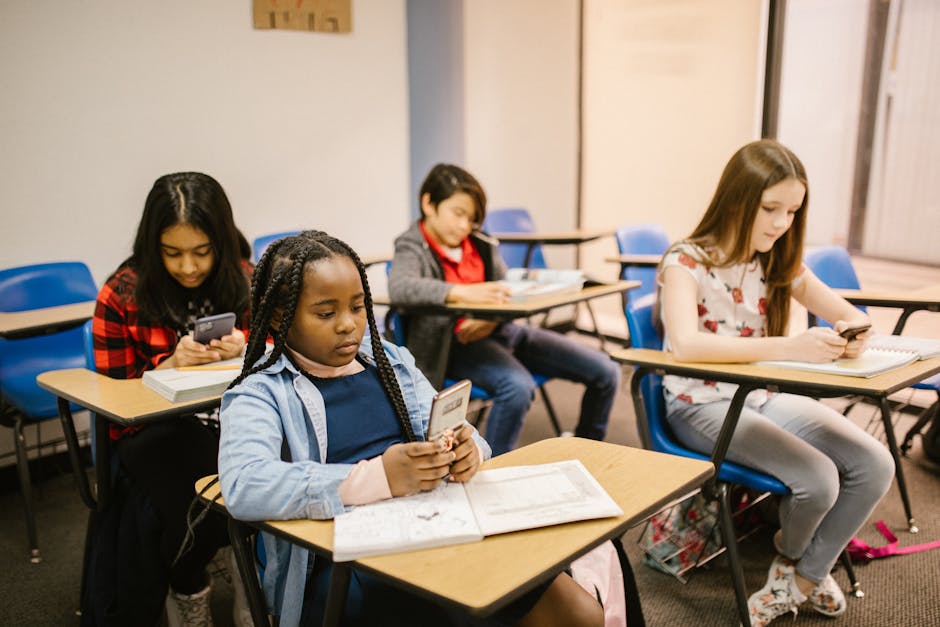
Imagine you’re sitting in class, and you have a world of information right at your fingertips. That world is your smartphone.
But should you be allowed to use it at school? This question sparks debates among teachers, parents, and students just like you. Some argue that smartphones can be distracting, while others believe they are powerful tools for learning. What if the device in your pocket could actually help you succeed?
We’ll explore both sides of the argument and uncover how smartphones could transform your educational experience. So, should smartphones be your study buddy or stay in your backpack? Keep reading to find out.
Benefits Of Smartphones In Education
Smartphones have become an integral part of daily life. Their potential in education is significant. They can transform how students learn and interact. With the right approach, smartphones can support educational goals effectively. Let’s explore the benefits of smartphones in education.
Enhanced Learning Tools
Smartphones offer various learning tools like educational apps. These apps make learning interactive and fun. They cater to different subjects and skill levels. Students can use calculators, dictionaries, and language translators. These tools are available at their fingertips. This access helps students understand complex topics better.
Access To Educational Resources
Smartphones provide access to a wealth of information. Students can browse the internet for research and study. They can access e-books, articles, and videos. This wide range of resources supports diverse learning styles. It empowers students to learn beyond textbooks. They gain a broader perspective on subjects.
Facilitating Communication
Smartphones help in maintaining communication. Students can connect with teachers via emails or messaging apps. They can join online study groups and discussions. This interaction enhances collaborative learning. Communication with peers and teachers becomes easy and effective. It fosters a supportive learning environment.
Challenges Of Smartphone Use
Smartphones have transformed communication, but their place in schools is debated. Their presence brings challenges. These issues impact learning environments and student behavior. Examining these challenges can help understand the broader implications of smartphones in educational settings.
Distraction And Reduced Focus
Smartphones are a source of constant distraction. Notifications interrupt attention during lessons. Students often check social media, reducing focus on classroom activities. This leads to a decline in academic performance. Teachers struggle to maintain engagement. Smartphones compete with their efforts.
Cyberbullying Risks
Smartphones can facilitate cyberbullying. Negative messages spread quickly among students. This creates a hostile environment. Victims may feel unsafe or isolated. Schools face challenges in controlling these incidents. It impacts students’ emotional well-being. Addressing cyberbullying requires vigilance.
Cheating And Academic Dishonesty
Smartphones enable cheating during exams. Students access online resources or share answers. This undermines academic integrity. Teachers find it difficult to monitor every device. Cheating disrupts fair assessment of student abilities. Schools need strict policies to combat this issue.
Impact On Social Skills
Smartphones have become an integral part of our lives, especially for young people. However, their presence in schools has sparked debates about their impact on social skills. While these devices offer connectivity and information, they might also hinder the development of crucial face-to-face interactions and increase pressure from social media. Let’s examine how smartphones influence social skills in school settings.
Face-to-face Interaction Decline
Imagine walking into a school cafeteria and seeing students engrossed in their screens instead of chatting with their friends. This scene is increasingly common. The convenience of digital communication often replaces in-person conversations.
While texting is quick, it lacks the emotional depth of face-to-face dialogue. You miss the nuances of body language and facial expressions. These are vital for developing empathy and understanding.
Consider how you feel when talking to someone who is genuinely listening, versus someone distracted by notifications. It’s a world of difference. If smartphones are allowed in school, students might miss out on learning these essential interpersonal skills.
Social Media Pressure
Social media brings a unique set of challenges to school environments. The pressure to maintain a certain image can be overwhelming. Students often feel the need to project a perfect life, which is rarely the reality.
This pressure can affect self-esteem and lead to unnecessary stress. You might remember feeling anxious about not getting enough likes on a photo. Imagine dealing with this pressure daily during school hours.
Moreover, the constant comparison with peers online can create a toxic environment. Instead of focusing on personal growth, students might become obsessed with their digital personas. This can lead to anxiety and distractions, impacting learning and social interactions.
So, how can schools balance these issues with the benefits of technology? Should there be time limits on phone use, or designated phone-free zones? It’s a conversation worth having, as the implications on social skills are profound.
Credit: mentalhealthawarenesseducation.com
Safety And Security Concerns
Smartphones in schools raise safety and security concerns. Potential distractions can lead to accidents or altercations. Additionally, students risk exposure to inappropriate content, compromising their well-being.
Smartphones in schools spark a heated debate, particularly around safety and security concerns. While they offer a lifeline for students to connect with family during emergencies, they also pose significant risks. From privacy issues to data security threats, these devices can open a Pandora’s box of challenges that schools must address.
Privacy Issues
When smartphones are allowed in schools, privacy becomes a major concern. Students often use apps that track their location and collect personal data, sometimes unknowingly. Imagine your location being shared without your consent—this could expose you to potential risks outside the school environment. Additionally, smartphones can be used to take photos or videos without permission. This raises questions about consent and the rights of individuals to control their own likeness. How would you feel if your photo ended up online without your knowledge?
Data Security Threats
Data security threats are another significant issue when smartphones are present in schools. Students might connect to unsecured Wi-Fi networks, making their devices vulnerable to hacking. Would you want your personal information at risk because of a simple connection? Malware and phishing attacks can also target students who are not well-versed in cybersecurity. A single click on a suspicious link can lead to significant consequences. Schools must therefore educate students on recognizing these threats to protect their data. Incorporating clear policies and educating students can mitigate these risks. It’s crucial for schools to balance the benefits of smartphones with potential safety concerns. What measures do you think could effectively ensure both safety and convenience?
School Policies And Regulations
In the ever-evolving landscape of education, the debate over whether smartphones should be allowed in schools is ongoing. School policies and regulations play a crucial role in shaping this discussion. The decisions made by educational institutions can significantly impact how students interact with technology within the classroom environment.
Implementing Usage Guidelines
Many schools have crafted specific guidelines to manage smartphone use. These guidelines often cover when and where students can use their devices. Some schools allow phones only during breaks, while others integrate them into learning activities.
Have you ever been in a classroom where smartphones were buzzing with notifications? Setting clear rules can minimize distractions and keep students focused. Teachers can use phones as tools for learning rather than sources of distraction.
Balancing Freedom And Control
Finding the right balance between freedom and control is key. Too much restriction may stifle creativity, while too little can lead to chaos. Schools strive to strike this balance by allowing controlled phone use.
Imagine a scenario where students can use their smartphones to access educational apps or conduct research. This freedom, when carefully monitored, can enhance learning experiences. However, establishing boundaries ensures that the primary focus remains on education, not social media or games.
What do you think? Should schools tighten their grip or trust students with more freedom? Your perspective as a student, parent, or educator can offer valuable insights into this ongoing debate.
Credit: soeonline.american.edu
Technological Equity
Technological equity is essential in modern education. It ensures every student has equal access to learning tools. Smartphones can play a crucial role in bridging the gap. They offer opportunities for interactive learning and research.
Addressing The Digital Divide
Many students lack access to technology at home. This creates a digital divide. Smartphones in schools can help address this issue. They provide a chance for all students to engage in digital learning. Students without home computers can access educational apps. This helps level the playing field.
Ensuring Equal Access
Providing smartphones can ensure equal access to information. Every student can explore online resources. They can participate in digital assignments. This access fosters an inclusive learning environment. It empowers students from diverse backgrounds. Teachers can use smartphones to reach more students. They can tailor lessons to different learning styles.
Parental And Educator Perspectives
Smartphones in schools spark debate among parents and educators. Both groups have unique views. Parents worry about distractions and safety. Teachers focus on learning impacts. Exploring these perspectives reveals diverse opinions and concerns.
Parental Concerns And Expectations
Parents often worry about smartphones distracting their children. They fear social media might affect study time. Some parents expect schools to limit phone use. They want schools to ensure a safe and focused learning environment. Parents also worry about cyberbullying. It can happen through smartphones during school hours. Clear rules and communication between schools and parents can ease these concerns.
Teacher’s Role In Managing Use
Teachers face challenges with smartphones in classrooms. They must balance technology benefits and distractions. Some educators use smartphones as learning tools. They incorporate apps and educational content. Others prefer a strict no-phone policy during lessons. Teachers guide students on responsible phone use. They help students understand when phones are appropriate. Educators develop strategies for effective phone management. This ensures learning remains the primary focus in the classroom.
Frequently Asked Questions
Are Smartphones Useful For Learning In Schools?
Smartphones can be beneficial for learning when used appropriately. They offer access to educational apps, online resources, and facilitate communication. However, they can also be distracting if not managed properly. Schools need to implement clear guidelines to ensure smartphones enhance learning rather than hinder it.
Do Smartphones Increase Cheating In Schools?
Smartphones can increase cheating if used improperly. They provide easy access to information during exams or assignments. Schools should monitor smartphone use and educate students on academic integrity. Implementing strict policies can help reduce cheating incidents.
Can Smartphones Improve Student Engagement?
Smartphones can enhance student engagement by providing interactive learning tools and real-time feedback. They encourage participation through educational games and quizzes. However, it is crucial for educators to balance technology use to prevent over-reliance and distractions.
Should Schools Ban Smartphones Completely?
Banning smartphones might not be the best solution. Instead, schools should focus on teaching responsible use and integrating technology into lessons. Controlled smartphone use can support learning and communication, while outright bans might limit educational opportunities.
Conclusion
Smartphones in schools spark debate. They have pros and cons. Some argue they enhance learning. Others worry about distractions. Balancing benefits and risks is key. Schools need clear policies. Teachers should guide responsible use. Students must focus on learning. Technology can support education.
But caution is necessary. Smartphones should not replace human interaction. Education thrives with focus and engagement. Thoughtful integration can help. It’s about finding the right balance. Each school has different needs. Evaluate carefully before deciding. Consider the future. Technology will keep evolving.
Schools must adapt wisely. Keep students’ best interests at heart.