Affiliate Disclosure: This post may contain affiliate links. If you purchase through links on our site, we may earn an affiliate commission at no extra cost to you.
Have you ever wondered what happens to your old smartphone after you’ve upgraded to the latest model? It’s easy to forget about the devices that once seemed indispensable, but they still hold value even in retirement.
Recycling smartphones isn’t just about being eco-friendly; it’s about making smart choices that benefit you, the environment, and even your wallet. Imagine transforming your clutter into cash or contributing to a cleaner planet with a simple decision. We’ll explore the fascinating world of smartphone recycling, revealing how your old devices can find new life and purpose.
Ready to discover how you can make a positive impact while simplifying your life? Let’s dive in!
The Growing E-waste Problem
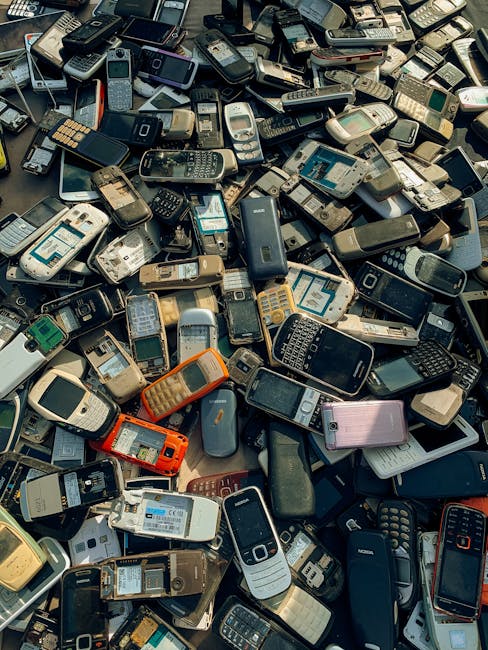
Every year, millions of smartphones end up in landfills. This contributes to a serious e-waste crisis. These discarded devices contain hazardous materials. They pollute land and water. The number of unused smartphones keeps rising. Many people upgrade to the newest models quickly. This creates a big waste problem. Recycling smartphones can help. It reduces e-waste. It conserves resources and protects the planet.
What Is E-waste?
E-waste is electronic trash. It includes phones, computers, and TVs. These items end up in dumps. They release toxic chemicals. This harms the environment. It affects human health too. Proper recycling can prevent these problems. It ensures safe disposal of electronics. Recycling recovers valuable materials. This reduces the need for new resources.
Why Smartphones Are A Major Concern
Smartphones contain precious metals. These include gold, silver, and copper. Extracting these metals harms the earth. Recycling helps reclaim these resources. Each year, millions of phones are thrown away. This contributes to the e-waste pile. Smartphones also have harmful substances. These include lead and mercury. Without recycling, they seep into soil and water.
The Environmental Impact Of E-waste
E-waste pollutes air, water, and soil. It releases dangerous chemicals. These chemicals can harm plants and animals. They also pose risks to humans. Burning e-waste releases toxic fumes. These fumes cause breathing problems. E-waste in landfills leaks toxins. This contaminates groundwater. Recycling reduces these impacts. It promotes a healthier ecosystem.
How Recycling Can Help
Recycling reduces waste. It reuses valuable materials. It lowers the need for mining. Recycling helps conserve resources. It cuts energy consumption. It also limits pollution. Proper recycling protects the planet. It keeps harmful substances out of landfills. Recycled materials can be used again. This creates a sustainable cycle.
Smartphone Lifecycle
The lifecycle of a smartphone is much more than its time in your hand. From production to disposal, each phase impacts the environment and society. Understanding this lifecycle helps in making informed choices. Let’s dive into the stages that define a smartphone’s life.
Production And Consumption
Smartphone production begins with mining raw materials. Metals like lithium and cobalt are extracted. Factories use these materials to create components. Manufacturing involves energy-intensive processes. This results in carbon emissions and resource depletion. After production, the smartphone is shipped worldwide. Consumers eagerly buy the latest models. High demand leads to frequent upgrades. This cycle increases electronic waste.
End-of-life Challenges
Once a smartphone reaches its end-of-life, challenges arise. Disposal methods are often improper. Many phones end up in landfills, causing pollution. Toxic substances like lead and mercury seep into the soil. Recycling is a better option but not widely practiced. Few facilities can recycle smartphones effectively. People often store old phones at home. This adds to the growing e-waste problem. Awareness and action are needed to tackle these challenges.
Benefits Of Recycling Smartphones
Recycling smartphones helps reduce electronic waste, conserving valuable resources like metals and plastics. It promotes environmental sustainability by minimizing landfill impact and pollution. Through recycling, old devices can be refurbished or repurposed, extending their lifecycle and supporting a circular economy.
Recycling smartphones is not just about disposing of old gadgets responsibly; it’s about creating a brighter future for our planet and economy. Imagine the number of smartphones discarded every year. These devices contain valuable materials that can be reused. By recycling, you contribute to reducing waste and conserving resources. Let’s dive into the benefits of recycling smartphones.
Environmental Impact
Recycling smartphones significantly reduces electronic waste. Every year, millions of devices end up in landfills, releasing harmful substances into the environment. By recycling, you help prevent soil and water contamination. You also contribute to lowering the demand for raw materials. Did you know that smartphones contain precious metals like gold and silver? Mining for these metals is resource-intensive and harmful to ecosystems. Recycling extracts these materials without further environmental damage. Consider the energy savings. Producing new devices from scratch consumes a lot of energy. Recycling reduces the need for manufacturing, thus saving energy and reducing carbon emissions. It’s a win-win for the planet.
Economic Opportunities
Recycling smartphones opens doors to numerous economic opportunities. It creates jobs in recycling centers and refurbishing businesses. Imagine the skills you can learn or the job you can find in this growing industry. Consider selling your old smartphone. Many companies offer trade-in programs. You earn money or store credit, while they refurbish and resell your device. It’s a smart way to get value from something you no longer need. Think about innovation. Recycling stimulates the development of new technologies to process electronic waste. This innovation leads to efficient recycling methods, creating a cycle of improvement and economic growth. Have you ever thought about starting a business in smartphone recycling? With the increasing need for sustainable solutions, there’s a market for entrepreneurs. You could be part of a movement that changes how we view old electronics. Recycling smartphones is more than just a responsibility; it’s an opportunity. By taking part, you contribute to a healthier planet and a thriving economy. How will you make an impact today?
Recycling Processes
Smartphone recycling involves dismantling devices to retrieve valuable materials like gold, silver, and rare earth metals. This process reduces electronic waste and conserves natural resources. Recycling helps protect the environment by preventing harmful substances from entering landfills.
Recycling smartphones is a fascinating process that transforms old devices into valuable resources. It’s not just about saving the planet; it’s about creating a sustainable cycle that benefits everyone. Imagine your old phone turning into something new, instead of gathering dust in a drawer.
Collection And Sorting
The journey begins with the collection of old smartphones. Many companies and organizations offer take-back programs, making it easy for you to recycle your device. These programs often provide drop-off points or prepaid shipping labels. Once collected, phones are sorted by type and condition. This step is crucial because it determines the next steps in the recycling process. Have you ever thought about how the condition of your phone could affect its recycling path?
Material Recovery
After sorting, the phones move to the material recovery stage. Here, precious metals like gold, silver, and copper are extracted. These materials can be used to make new products, reducing the need to mine for new resources. Plastics and glass are also recovered, often ground down and melted for reuse. Did you know that the glass from your old screen could end up in a new smartphone? The efficient recovery of these materials not only conserves resources but also reduces the environmental impact of manufacturing new devices. Every phone recycled is a step towards a greener future. How can you contribute to this cycle? Recycling your smartphone is more than just a responsible choice; it’s a powerful way to contribute to sustainability. So, next time you upgrade, think about where your old phone will end up.
Role Of Manufacturers
Manufacturers play a vital role in recycling smartphones by designing devices with recyclable materials. They implement processes for easier disassembly, reducing electronic waste. Encouraging collaboration with recycling centers ensures valuable components are reused, supporting sustainability efforts.
When you think about recycling smartphones, manufacturers play a crucial role. They have the power to impact how easily a phone can be recycled and what happens to it after you’re done using it. Their decisions can greatly affect the environment and your options as a consumer. Have you ever wondered why some phones are easier to recycle than others? It often boils down to the choices made by manufacturers.
Design For Recycling
Manufacturers can design smartphones with recycling in mind. This means using materials that are easier to recycle and designing phones that are easy to take apart. For example, some manufacturers use fewer adhesives and more screws, making it simpler to disassemble the phone at the end of its life. This not only helps the environment but also can lower recycling costs. Think about the last time you had to repair your phone. If it was challenging, it might have been because the design was not focused on recycling or repairability.
Take-back Programs
Many manufacturers offer take-back programs. These programs allow you to return your old phones, ensuring they are recycled properly. For instance, some companies provide incentives, like discounts or gift cards, to encourage participation. This can be a win-win situation: you get a reward, and your phone gets recycled responsibly. Have you participated in a take-back program before? If not, it might be worth exploring next time you upgrade your phone. It’s an easy step you can take to make a positive environmental impact. Manufacturers hold significant power in the recycling process. By focusing on design and take-back initiatives, they can greatly influence the sustainability of their products. What steps will you take to support these efforts?
Government Policies
Government policies play a vital role in recycling smartphones. They shape how we handle e-waste effectively. Ensuring proper disposal helps reduce environmental impact.
Regulations And Legislation
Many governments have set strict regulations for smartphone recycling. These laws ensure manufacturers follow safe disposal practices. They aim to reduce harmful effects on nature.
Legislation often requires companies to report recycling rates. This transparency encourages better recycling methods. It holds businesses accountable for their waste.
Incentives For Recycling
Governments provide incentives to boost smartphone recycling. These rewards motivate companies and consumers alike. Tax benefits are common for eco-friendly practices.
Some places offer cash rebates for returning old devices. This encourages people to recycle instead of discarding. Incentives lead to higher recycling rates.
Consumer Responsibility
Every day, the world sees a staggering number of new smartphones entering the market. As consumers, you hold the power to make a difference in the life cycle of these devices. By embracing responsible recycling, you can reduce environmental harm and promote sustainable practices.
Educating The Public
Do you know where your old smartphone ends up after you upgrade? Many people don’t. Sharing knowledge about the environmental impact of electronic waste can inspire more responsible decisions.
Consider hosting a community workshop or a school program to highlight the importance of recycling smartphones. Use simple language and relatable examples to make the message stick.
Social media is a powerful tool. Share informative posts or videos that illustrate the ease of recycling and its benefits. You never know who might be motivated to act.
Encouraging Participation
What’s stopping you from recycling your old smartphone? Sometimes, it’s the lack of convenient options. Identify local recycling centers and share their locations with friends and family.
Create a challenge within your circle to see who can recycle the most devices in a month. Make it fun with small incentives or recognition for the most committed participant.
Consider partnering with local businesses to offer discounts for recycling old phones. Such initiatives can increase participation and promote a sense of community responsibility.
Recycling smartphones is not just an option; it’s a responsibility that we all share. By educating others and encouraging active participation, you can play a vital role in protecting our planet.
Innovative Recycling Technologies
Recycling smartphones is more important than ever. Innovative recycling technologies are helping us make progress. These technologies focus on reducing waste and recovering valuable materials. They ensure smartphones are reused and recycled effectively. Let’s explore some of these exciting advancements.
Advanced Separation Techniques
Advanced separation techniques play a key role in smartphone recycling. They help in sorting different components efficiently. One method uses powerful magnets. These magnets separate metals like iron and steel. Another method uses air to separate light materials from heavy ones. This ensures every part is processed correctly. Efficiency and precision are crucial here. They help maximize the recovery of valuable materials.
New Recovery Methods
New recovery methods are changing how we recycle smartphones. Chemical processes can extract precious metals like gold and silver. These metals are found in small amounts in electronic parts. Another method uses bioleaching. Microorganisms break down materials to recover metals. This method is eco-friendly and cost-effective. Each method aims to recover as much material as possible.
Global Case Studies
Recycling smartphones is crucial for a sustainable future. Various countries have adopted innovative strategies to tackle the issue of electronic waste. These global case studies offer valuable insights into successful practices. They also highlight the challenges faced in smartphone recycling initiatives worldwide. Understanding these examples can guide other regions in developing effective recycling solutions.
Successful Initiatives
Japan leads in smartphone recycling with its ‘Tokyo 2020 Medal Project’. This initiative collected old devices to create Olympic medals. It raised awareness about recycling and engaged millions in the cause. Another success story comes from Sweden. Their well-established electronics recycling system recycles 60% of electronic waste. This includes smartphones. It sets a high standard for efficient resource management.
Lessons Learned
From these case studies, collaboration emerges as a key factor. Engaging the public plays a critical role in successful recycling programs. In Japan, community participation was vital for the project’s success. Education campaigns are essential to inform the public about recycling benefits. Sweden’s focus on public awareness contributed to its high recycling rates.
Accessibility to recycling facilities is another lesson. Convenient drop-off points encourage more people to recycle. Countries with easily accessible recycling centers see higher participation rates. Finally, effective policies and regulations support sustainable recycling practices. Governments must enforce strict guidelines for electronic waste management.
Future Of Smartphone Recycling
The future of smartphone recycling holds significant potential for environmental preservation. With rapid technological advancements, many smartphones become obsolete quickly. This leads to a growing pile of electronic waste. Recycling these devices can reduce waste and save valuable resources. Innovations are shaping the way we recycle smartphones, making the process more efficient. Let’s explore some emerging trends and sustainable practices in this field.
Emerging Trends
Technological advancements drive the latest trends in smartphone recycling. AI and robotics are playing key roles. They help in sorting and dismantling phones more efficiently. This reduces labor costs and speeds up the process. Another trend is the development of closed-loop recycling systems. These systems ensure materials from old phones are reused in new ones. This minimizes the need for new raw materials.
Sustainable Practices
Many companies are adopting sustainable practices in smartphone recycling. They focus on reducing the environmental impact. One practice is using eco-friendly methods to extract valuable metals. These methods avoid harmful chemicals. Another approach is designing phones that are easier to disassemble. This makes recycling simpler and more effective.
Manufacturers are also designing products with recyclability in mind. This involves using fewer materials and more sustainable components. Public awareness campaigns play a crucial role too. They educate consumers about the importance of recycling their old phones. Engaging the public ensures more devices are responsibly recycled.
Frequently Asked Questions
What Are The Benefits Of Recycling Smartphones?
Recycling smartphones conserves resources and reduces e-waste. It recovers valuable materials like gold and silver. This process also minimizes environmental pollution, helping to protect ecosystems. Additionally, recycling supports sustainable practices and can create job opportunities in the recycling industry. Overall, it contributes to a cleaner and healthier planet.
How To Recycle Old Smartphones Safely?
To recycle old smartphones safely, use certified recycling programs. Remove personal data before recycling. Many electronics retailers and manufacturers offer recycling services. You can also find local recycling facilities through online platforms. Proper disposal ensures environmentally-friendly processing and prevents data breaches.
Always choose reputable recyclers to ensure safe handling.
Can Recycled Smartphones Be Reused?
Yes, recycled smartphones can often be reused. Many components are refurbished for new devices. Functional parts can be repurposed or sold as used. This extends the life of the smartphone and reduces waste. Reusing parts supports sustainability and offers affordable options for consumers.
It’s a smart choice for eco-conscious tech users.
Where Can I Recycle Smartphones Near Me?
You can recycle smartphones at local electronics stores. Many offer recycling programs. Use online tools to find nearby recycling centers. Search for certified e-waste facilities in your area. Check with your smartphone manufacturer for recycling options. Always ensure the recycling service is reputable and environmentally responsible.
Conclusion
Recycling smartphones benefits both the environment and your pocket. Proper disposal reduces electronic waste. This saves valuable resources. It also prevents harmful chemicals from polluting soil and water. Recycled phones can find new life as refurbished devices. They can help others and lessen tech waste.
Choose recycling over dumping. It’s an eco-friendly choice. It helps future generations too. Spread the word. Encourage friends and family to recycle their old devices. Every small action counts. Together, we can make a difference. Let’s create a cleaner, greener world.
Let’s start with our smartphones today.