Affiliate Disclosure: This post may contain affiliate links. If you purchase through links on our site, we may earn an affiliate commission at no extra cost to you.
Imagine a day without your smartphone. Feels impossible, right?
These little devices have become such an essential part of your life that it’s hard to picture a world without them. But have you ever wondered just how long smartphones have been around? Delving into the history of smartphones is like uncovering a treasure trove of innovation and transformation.
From their humble beginnings to the powerful gadgets you hold today, smartphones have a rich and fascinating story to tell. Stick around, and we’ll explore the evolution of these indispensable devices together, revealing insights that will change the way you see your smartphone. You’ll discover not just the timeline, but also the profound impact smartphones have had on your everyday life and why they continue to shape the future.
Early Innovations
Smartphones have been around since the early 1990s. The IBM Simon, launched in 1994, was the first. This device combined telephone and PDA features, marking the start of smartphone evolution.
The journey of smartphones began long before they became an essential part of our daily lives. Early innovations laid the groundwork for the sleek devices we carry today. These initial steps in mobile technology were crucial and filled with fascinating developments. Let’s dive into the history of how these innovations came to be.
First Mobile Phones
The first mobile phones were bulky and not very “mobile” by today’s standards. They were more like bricks than the slim devices we now slip into our pockets. These early models, like the Motorola DynaTAC released in 1983, were groundbreaking because they allowed people to make calls on the go for the first time. Imagine carrying a phone that weighed almost two pounds. It’s hard to believe now, but it was a significant leap forward. It showed the world that wireless communication was possible. This innovation paved the way for the evolution of mobile technology.
Pioneers Of Smart Technology
As mobile phones evolved, so did the idea of making them “smart.” Companies like IBM and Nokia were pioneers in this field. IBM’s Simon Personal Communicator, launched in 1994, is often credited as the first smartphone. It combined a mobile phone with PDA features like a calendar and address book, setting the stage for future developments. Nokia also played a significant role with its Communicator series in the late 1990s. These devices were among the first to offer email and internet access. They were ahead of their time, offering functionalities we now take for granted. Have you ever thought about what life would be like without smartphones? Consider how these early innovators changed the way we communicate. Their breakthroughs sparked a revolution that continues to unfold today. Reflect on this next time you use your smartphone. Every swipe and tap is possible because of these early innovations. How will you use your smartphone to create your own innovations?
Credit: quotefancy.com
Birth Of The Smartphone
The smartphone, a device that has seamlessly integrated into our daily lives, has a fascinating history. Its journey began long before the sleek devices we carry today. Understanding the birth of the smartphone can help you appreciate its evolution and impact. Let’s explore where it all started.
Ibm Simon
In 1992, IBM unveiled a groundbreaking device known as the IBM Simon. It was the first attempt to blend a mobile phone with computing capabilities. You might find it surprising that this “smartphone” was over a pound in weight. Imagine carrying around a device that heavy! Despite its bulkiness, IBM Simon was revolutionary.
Think back to 1994 when it hit the market. You could make calls, send emails, and even manage your calendar. It was a glimpse into the future we now live in. Would you have guessed that the concept of smartphones was already brewing back then?
Features And Limitations
IBM Simon came with a touchscreen, a novelty at the time. You could tap your way through a handful of apps. It included features like a calculator, address book, and even a simple game. These features were innovative and hinted at the potential of mobile technology.
Yet, Simon had limitations. Its battery life was short, lasting only about an hour. Can you imagine needing to charge your phone that often? It also lacked the internet connectivity we take for granted today. How different would your life be without instant access to information?
Despite its constraints, IBM Simon laid the groundwork for future smartphones. It sparked the imagination of tech enthusiasts and paved the way for the devices we rely on now. What other breakthroughs might we see in the years to come?
The birth of the smartphone was marked by innovation and curiosity. As you look at your device today, remember that it stands on the shoulders of giants like IBM Simon. Appreciate its journey and consider how technology might continue to shape our lives.
Rise Of The Smartphone Era
Smartphones have transformed our lives since their debut over two decades ago. The first true smartphone emerged in 1992, but it wasn’t until the mid-2000s that they became widely popular. Today, smartphones are essential tools for communication, information, and entertainment.
The smartphone era has transformed the way we live, work, and communicate. These pocket-sized devices have become an integral part of daily life, offering a world of information and connectivity at our fingertips. As you reflect on how these devices have changed your own life, consider the journey that led us here. How did we transition from basic mobile phones to the powerful smartphones we know today?
Introduction Of The Blackberry
The BlackBerry was a game-changer when it hit the market. Known for its iconic physical keyboard, it was the first device to combine phone capabilities with email access. This was revolutionary—no longer were emails tied to the computer. BlackBerry became the must-have device for professionals. It allowed you to stay connected with work on the go. Remember the days when everyone flaunted their BlackBerry at meetings? It wasn’t just a phone; it was a status symbol. This was the beginning of smartphones becoming indispensable in business. It laid the groundwork for the devices we use today.
Impact Of Apple’s Iphone
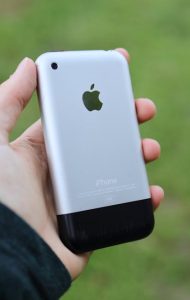
When Apple introduced the iPhone in 2007, it changed everything. It wasn’t just a phone; it was a mini-computer. The touch screen and app store opened up endless possibilities. Apple’s design was sleek and intuitive. It made technology accessible and fun. Did you find yourself marveling at how easy it was to use, compared to the clunky menus of older phones? The iPhone sparked innovation across the industry. It set new standards and forced competitors to up their game. Think about how different our daily routines would be without that leap in technology. Would you agree that the iPhone transformed smartphones from a luxury to a necessity? The rise of the smartphone era is a testament to human innovation. It prompts us to wonder: What’s next in the world of mobile technology?
Credit: eu.36kr.com
Android Enters The Market
When Android first entered the smartphone market, it was a game-changer. Suddenly, users had a new option that promised flexibility and innovation. The Android operating system quickly became synonymous with personalization, offering features that allowed you to tailor your phone to your unique needs. But what made Android stand out in a market dominated by giants like Apple? Let’s dive into what made Android’s entry into the smartphone world so impactful.
Google’s Vision
Google envisioned Android as an open-source platform. This meant developers worldwide could contribute and expand its capabilities. The company aimed to create an environment where creativity and innovation could flourish.
Imagine a phone that adapts to you, rather than the other way around. That’s what Google set out to achieve with Android. They wanted you to have the power to mold your smartphone experience.
Have you ever wondered why Android phones come in so many shapes and sizes? It’s because Google encouraged manufacturers to customize their devices, allowing for a diverse range of options that cater to various tastes and budgets.
Diverse Ecosystem
Android’s open-source nature led to the creation of a diverse ecosystem. Manufacturers like Samsung, HTC, and LG took the Android OS and ran with it, developing unique devices to meet different consumer needs.
Consider the array of choices available to you. Whether you prefer a high-end device with cutting-edge features or a budget-friendly model that gets the job done, Android has something for everyone.
This diversity didn’t just benefit consumers; it pushed other companies to innovate. As you explore the Android ecosystem, you experience a dynamic landscape where each device offers distinct features and functionalities.
As Android continues to evolve, what do you think the future holds for this versatile operating system? Will it maintain its edge in a rapidly changing tech world? Your thoughts and experiences could shed light on where Android might be headed next.
Technological Advancements
Smartphones have been part of our lives since the early 1990s. The first mobile phone with smart features was IBM’s Simon, launched in 1992. These devices have evolved rapidly, blending communication with computing technology.
The journey of smartphones has been a fascinating one, marked by relentless technological advancements that continue to redefine our daily lives. These pocket-sized powerhouses have evolved dramatically since their inception, thanks to a series of groundbreaking innovations. From the way we interact with our devices to the features they offer, each advancement has played a pivotal role in transforming the smartphone from a simple communication tool to an essential part of modern life.
Touchscreen Revolution
Touchscreens have arguably been the most significant leap in smartphone technology. Remember the days of physical keyboards and styluses? Those are long gone, replaced by sleek, responsive touchscreens that allow for seamless interaction. This shift not only changed the design of phones but also influenced how apps and content are consumed. Swiping, tapping, and pinching have become second nature, so much so that it’s hard to imagine using a phone without a touchscreen. What would you miss most if you had to go back to buttons?
Camera And Multimedia Enhancements
Smartphone cameras have come a long way from their humble beginnings. Do you recall your first grainy phone photo? Today, smartphones boast multiple lenses and advanced features like night mode and portrait settings. These improvements have democratized photography, allowing anyone to capture high-quality images and videos. It’s not just about snapping pictures, though. Enhanced multimedia capabilities mean you can edit, share, and experience content in ways that were once exclusive to professionals. How has this changed the way you capture memories? The story of smartphone evolution is a testament to human ingenuity, with each advancement paving the way for more incredible innovations. As we look to the future, what technological wonders do you think await us in the world of smartphones?
Credit: markellisreviews.com
Smartphones In Everyday Life
Smartphones have seamlessly woven themselves into the fabric of everyday life. These pocket-sized devices are more than just phones; they’re powerful tools that keep us connected, informed, and entertained. But how exactly have they transformed the way we live?
Communication And Connectivity
Think about how you communicate with friends and family. Gone are the days of waiting for letters or struggling with landline calls. Smartphones have brought instant communication to your fingertips.
Text messages, video calls, and social media platforms allow you to connect with anyone, anywhere, at any time. This ease of communication has strengthened relationships, making it possible to share moments and memories without delay.
Are you leveraging the connectivity your smartphone offers? With internet access, you can explore ideas, learn new skills, and even connect with people who share your interests. The world is your oyster, just a tap away.
Apps And Ecosystems
Consider the apps you use daily. From waking up to an alarm to ordering dinner, apps make life simpler. They cater to every need, whether it’s fitness, finance, or fun.
App ecosystems have created a digital marketplace where developers innovate to enhance your life. With millions of apps available, you can customize your phone to suit your lifestyle. Are you taking advantage of these tools to streamline your routines?
Smartphones are more than devices; they’re gateways to ecosystems that support your daily tasks. Your smartphone can be your personal assistant, reminding you of appointments and helping you stay organized.
Smartphones have revolutionized everyday life, offering endless possibilities right at your fingertips. How are you using your smartphone to enrich your daily experiences? The choices are vast, and the impact profound.
Challenges And Controversies
Smartphones, existing since the early 1990s, spark debates about their impact on society. Concerns revolve around privacy, mental health, and environmental effects. Understanding these issues helps users make informed choices.
Smartphones have undeniably transformed our lives, but their journey has been dotted with challenges and controversies. While these devices have brought us closer to our loved ones and made information more accessible, they’ve also raised significant issues that demand our attention. These challenges not only affect the way we use smartphones but also shape the future of technology.
Privacy Concerns
Privacy is a hot topic when it comes to smartphones. Many people worry about how their data is collected and used. Think about the last app you downloaded. Did you read the privacy policy? Most of us don’t. Apps often request permissions that seem excessive. Some want access to your contacts or location, even when it doesn’t seem necessary. This raises questions about who else might be viewing your data. Moreover, cases of data breaches and hacking have increased. It’s scary to think that your personal information could be leaked. Have you ever experienced a moment of panic after reading about a new data breach?
Environmental Impact
The production and disposal of smartphones have a significant environmental footprint. Manufacturing these devices requires rare metals, which are often mined under questionable conditions. This not only affects the environment but also local communities. Think about the number of phones you’ve owned over the years. What happened to the old ones? Many end up in landfills, contributing to electronic waste. Recycling programs exist, but not everyone uses them. It’s crucial to consider how we can minimize this impact. Could you commit to holding onto your devices longer or ensuring they are recycled properly? Smartphones are here to stay, but as users, we have a responsibility to use them wisely. Reflect on how you handle privacy and environmental concerns. What steps can you take today to make a positive change?
Future Of Smartphones
Smartphones have transformed communication since their debut in the early 1990s. Over the decades, they evolved rapidly, becoming essential tools for daily life. Today, the future of smartphones promises even more exciting advancements, integrating AI and augmented reality.
The future of smartphones is a fascinating topic that captures our imagination. As technology rapidly evolves, we find ourselves wondering what the next big thing will be. Will smartphones become even more integral to our daily lives, or will they transform into something entirely new?
Innovations On The Horizon
Smartphones have come a long way, and the innovations we might see soon are truly exciting. Foldable screens and holographic displays are not just sci-fi dreams; they are already being tested and refined. Imagine a phone you can fold into your pocket like a piece of paper or a device that projects a 3D image right in front of you. Battery life has always been a concern, but breakthroughs in battery technology could change that. Longer-lasting and faster-charging batteries are in development, aiming to keep you connected without constantly searching for a power outlet. With these advances, you could rely on your smartphone even more for work, entertainment, and everything in between. Security is another area ripe for innovation. Biometric features like fingerprint and facial recognition are becoming more advanced. The future might hold even more sophisticated security measures, ensuring that your personal data remains safe and secure.
Integration With Ai And Iot
Artificial Intelligence (AI) and the Internet of Things (IoT) are set to redefine how we use smartphones. Picture a world where your phone acts as a hub, seamlessly connecting with your smart home devices, car, and even your workplace. This integration could simplify your life, allowing you to control everything from lighting to your morning coffee with just a few taps on your screen. AI is also enhancing smartphone capabilities. Virtual assistants are getting smarter, learning from your habits and preferences to provide personalized experiences. Imagine a phone that anticipates your needs, suggests the perfect playlist for your mood, or even helps you with your shopping list based on your buying habits. Have you ever wondered how smartphones might impact healthcare? IoT connectivity could turn your phone into a health monitor, tracking vital signs and communicating with healthcare providers in real-time. This could revolutionize how you manage your health, making it easier to stay on top of medical appointments and treatments. The future of smartphones is not just about new features. It’s about enhancing your life, making everyday tasks more convenient, and keeping you connected in ways you never thought possible. What are you most excited about in the evolving world of smartphones?
Frequently Asked Questions
When Was The First Smartphone Invented?
The first smartphone was invented in 1992. It was called Simon Personal Communicator, developed by IBM. Simon combined features of a mobile phone and PDA, offering email, fax, and calendar functions. It marked the beginning of the smartphone era, laying the groundwork for future innovations in mobile technology.
How Did Smartphones Evolve Over Time?
Smartphones have evolved significantly since their inception. Initially, they combined phone and PDA features. Over time, they incorporated internet access, cameras, touchscreens, and apps. Modern smartphones offer advanced functionalities, including AI, biometrics, and high-speed connectivity, transforming them into powerful computing devices essential for daily life.
What Was The First Smartphone With A Touchscreen?
The first smartphone with a touchscreen was IBM’s Simon. Released in 1992, Simon featured a monochrome touchscreen. It allowed users to interact with the device using a stylus. This innovation paved the way for future smartphones, leading to the widespread adoption of touchscreens in mobile devices.
When Did Smartphones Become Mainstream?
Smartphones became mainstream in the mid-2000s. The launch of Apple’s iPhone in 2007 revolutionized the market. It popularized touchscreens and app stores, making smartphones more accessible. By 2010, smartphones had gained widespread acceptance, becoming essential tools for communication, entertainment, and productivity.
Conclusion
Smartphones have shaped our lives for many years now. Their journey began decades ago. From bulky devices to sleek and smart gadgets. Always evolving. Always improving. They’ve transformed how we connect and share. They keep us informed, entertained, and connected.
Their impact is hard to ignore. As technology advances, smartphones will keep changing. But their core purpose remains. To make our lives easier and more connected. Understanding their history helps us appreciate their role. Our world without smartphones? Hard to imagine.
They continue to be an essential part of everyday life. And likely will for years to come.