Affiliate Disclosure: This post may contain affiliate links. If you purchase through links on our site, we may earn an affiliate commission at no extra cost to you.
Imagine holding the world in your hands. That’s exactly what your smartphone allows you to do every single day.
But have you ever wondered where this incredible journey began? The smartphone has revolutionized how you communicate, work, and even play. It’s hard to believe that just a few decades ago, such a device was only a figment of science fiction.
You might be surprised to learn that the first smartphone laid the foundation for all the technological marvels you now enjoy. Understanding the origins of this powerful tool not only satisfies your curiosity but also gives you a deeper appreciation for the device that’s almost an extension of yourself. Dive into the captivating history of the smartphone and discover how it transformed from a groundbreaking invention to an indispensable part of your life. You won’t want to miss the fascinating story that connects you with the digital world.
Origins Of The Smartphone
The smartphone was first invented in 1992 by IBM, known as Simon Personal Communicator. It combined a phone with PDA features, offering email and calendar functions. Simon laid the foundation for future smartphones by introducing touch screen technology.
The origins of the smartphone are a fascinating journey through innovation and technological evolution. Smartphones have become an essential part of our lives, but they were not always so sleek and powerful. Understanding where they came from helps you appreciate the tiny powerhouse in your pocket today.
The First Step: Ibm Simon
In 1992, IBM unveiled the Simon Personal Communicator, often hailed as the world’s first smartphone. It was released to the public in 1994. This chunky device combined a mobile phone with a PDA, bringing features like email, a calendar, and even basic apps to the palm of your hand. Simon was not just a phone. It was a bold step forward in making technology more accessible. Imagine carrying around a small computer in the early ’90s! Though its battery life was short, and the price steep, it laid the groundwork for future developments.
Building On The Basics: The Rise Of Pdas
Personal Digital Assistants (PDAs) were key in shaping early smartphone technology. Companies like Palm and BlackBerry introduced devices that allowed users to manage contacts, schedules, and emails on the go. These devices were not yet phones but were paving the way for integration. Do you remember seeing executives tapping away on a BlackBerry keyboard? Those devices made it clear that people wanted more functionality in their pockets.
The Game Changer: Touchscreens And App Stores
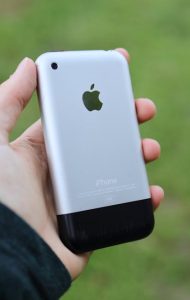
The introduction of capacitive touchscreens and app stores changed everything. In 2007, Apple launched the iPhone, which combined a user-friendly touchscreen with a robust app ecosystem. This marked a significant departure from the physical keyboards of the past. What made this technology so transformative? It was the ability to add new features through apps. Suddenly, your phone could be a music player, a GPS, or even a flashlight. This flexibility made the smartphone indispensable.
Lessons From The Past: Innovation And Adaptation
Looking back, the development of smartphones teaches us about the importance of innovation and adaptation. Each step in the journey brought new features that we now take for granted. What does this mean for you? It’s a reminder that the technology you rely on today was once an ambitious idea. How might future innovations change your everyday life? Understanding the origins of smartphones not only highlights the ingenuity of past inventors but also invites you to think about what the next technological leap might be. What features would you love to see in the smartphones of tomorrow?
Credit: sites.bu.edu
Early Innovators
The invention of the smartphone brought a new era in technology. It transformed how we communicate, work, and entertain ourselves. The journey to this innovation wasn’t an overnight success. It was a result of the efforts of early innovators. These pioneers laid the foundation for the smart devices we use today.
Martin Cooper: The Pioneer Of Mobile Communication
Martin Cooper, an engineer at Motorola, made the first mobile call. This happened in 1973. His work marked a significant step towards mobile communication. The device he used was large and bulky, unlike today’s phones. Yet, it was a breakthrough in the telecommunications field.
Ibm Simon: The First Smartphone
The IBM Simon was the world’s first smartphone. Released in 1994, it combined a phone and a PDA. It had a touchscreen, a calendar, and email capability. This device was a glimpse into the future of mobile technology. It showed what was possible with integrated tech features.
Nokia And The Mobile Revolution
Nokia played a crucial role in making mobile phones popular. Their devices were user-friendly and reliable. In the late 90s, Nokia introduced phones with games and ringtones. This made mobile phones appealing to a wider audience. Nokia’s impact on mobile technology is undeniable.
Blackberry: The Business Phone
BlackBerry phones changed how businesses communicated. Released in the early 2000s, they featured email and messaging. This made them popular among professionals. BlackBerry’s focus on security and efficiency set a standard in the industry.
Apple’s Iphone: Redefining Smartphones
Apple introduced the iPhone in 2007. This device combined a phone, an iPod, and an internet communicator. It featured a sleek design and a user-friendly interface. The iPhone set a new benchmark for smartphones and inspired many innovations.
Technological Milestones
The invention of the smartphone marked pivotal technological milestones. This device transformed communication and information access. Its evolution brought groundbreaking changes to everyday life.
Touchscreen Advancements
Touchscreen technology made smartphones user-friendly. Early models had physical buttons. Touchscreens replaced these, offering intuitive interaction. Users could tap, swipe, and pinch. This made navigation effortless. Capacitive touchscreens improved sensitivity and accuracy. Multi-touch allowed for complex gestures. Innovations in touch technology boosted smartphone popularity.
Introduction Of Mobile Apps
Mobile apps expanded smartphone functionality. Developers created apps for various tasks. Users could play games, read news, and manage tasks. App stores emerged to distribute these applications. This opened doors for creativity. Apps transformed phones into versatile tools. Developers focused on user needs. Apps became essential for productivity and entertainment.
The Rise Of Mobile Internet
Mobile internet changed how people access information. Smartphones became gateways to the web. Early models had limited connectivity. Faster networks improved browsing speeds. Users could stream videos and download files. Social media became accessible anywhere. Mobile internet made global communication easy. Connectivity improved with 3G and 4G networks. Smartphones became indispensable for online activities.
Impact On Communication
The invention of the smartphone transformed communication in ways no one could have predicted. It reshaped how we connect, share, and interact with each other on a daily basis. From instant messaging to social media, it’s remarkable how this small device has changed everything. Let’s dive into the specific impacts it has had on communication.
Instant Messaging Revolution
Gone are the days when you had to wait hours or even days for a response. With instant messaging, you can talk to anyone, anywhere in real-time. Remember the thrill of sending your first text message? That moment marked the beginning of an era where communication became fast and convenient. It’s fascinating to think about how many conversations you can have in just one day.
Instant messaging has also made group communication easier. Coordinating plans with friends or collaborating on projects is now a breeze. What was once a lengthy phone call or a series of emails can now be accomplished with a few quick messages. How often do you rely on messaging apps to stay in touch?
Social Media Explosion
Social media platforms owe their popularity to smartphones. These devices allow you to share experiences instantly, connecting with friends and followers around the globe. Scrolling through social media feeds has become a daily habit for many, offering insights into diverse cultures and perspectives.
But it’s not just about sharing; it’s about engaging. Smartphones have made it easy to comment, like, and share content, sparking conversations that ripple across the world. Have you ever wondered how a simple post can reach thousands, sometimes millions, of people within minutes?
Global Connectivity
The smartphone has bridged geographical gaps, making the world feel smaller and more connected. You can video call a friend in another country as easily as if they were next door. This level of connectivity was unimaginable a few decades ago.
Smartphones have also empowered businesses to operate globally. Entrepreneurs can manage operations, communicate with clients, and promote products all from their handheld device. How has this global reach impacted your personal or professional life?
In essence, smartphones have not only changed how we communicate; they have redefined the very nature of communication itself. As you reach for your phone today, consider the profound impact it has had on your interactions and connections.
Transforming Daily Life
The smartphone’s invention changed how we live daily. It made communication easy and fast. Now, information and entertainment are always at our fingertips.
The invention of the smartphone has profoundly reshaped our daily lives in ways that were unimaginable just a few decades ago. This pocket-sized powerhouse has become an essential part of our routines, seamlessly integrating into various aspects of our personal and professional lives. As we dive into the transformative impact of smartphones, it’s clear that they’ve revolutionized how we interact with the world.
Mobile Commerce
Smartphones have made shopping more convenient than ever. With a few taps, you can buy groceries, clothes, or even book a vacation. This ease of access has changed consumer behavior—more people are now shopping online than in physical stores. Have you noticed how often you choose to shop via your phone instead of heading out? Businesses are also catching up, with mobile-friendly websites and apps to enhance user experience.
Smartphone As A Personal Assistant
Your smartphone is more than just a communication device; it’s your personal assistant. From setting alarms to managing your calendar, it keeps you organized. Voice assistants like Siri and Google Assistant can answer your queries, send messages, and even control smart home devices. This functionality saves you time and makes multitasking easier. How often do you rely on your phone to remind you of tasks or appointments?
Integration With Other Technologies
Smartphones are the hub of your digital life, integrating seamlessly with other technologies. They connect with fitness trackers, smartwatches, and home automation systems to provide a unified experience. This integration enhances your lifestyle, offering everything from health monitoring to remote control of your home environment. Consider how your phone connects with your other devices—does it simplify your life? Smartphones have transformed daily life, making tasks simpler, faster, and more efficient. As technology evolves, the possibilities continue to expand. What role does your smartphone play in your everyday life?
Challenges And Concerns
The invention of the smartphone brought immense progress. But it also came with challenges and concerns. These aspects are crucial to understand the impact of smartphones on society. Let’s explore some of these concerns.
Privacy Issues
Smartphones store vast amounts of personal data. This includes messages, photos, and location details. Many apps track user activities. They often share this information with third parties. Users worry about their privacy. Data breaches are common. Many people fear their information is unsafe. Protecting personal data is important.
Digital Addiction
Smartphones are addictive. People spend hours browsing social media. Games and apps keep users hooked. Excessive use affects mental health. It leads to anxiety and depression. Many people struggle to put their phones down. It’s hard to focus on real-life interactions. Families and friends feel neglected.
Environmental Impact
Smartphone production affects the environment. Manufacturing requires rare minerals. Mining these minerals harms ecosystems. Disposal of old phones is another issue. E-waste piles up in landfills. Toxic materials leak into the soil. Recycling efforts are not enough. Smartphones contribute to pollution.
Future Of Smartphones
The future of smartphones is an exciting journey of innovation. As technology evolves, smartphones will become smarter and more efficient. They will integrate seamlessly into our daily lives, offering more than just communication. The coming years hold promising advancements in various aspects of smartphones.
Emerging Technologies
Smartphones will harness new technologies to enhance user experience. Artificial intelligence will make phones more intuitive. Devices will predict user needs and suggest actions. Augmented reality will blend digital and physical worlds. Imagine navigating using virtual maps overlaid on real streets. 5G will bring faster speeds, enabling smooth video calls and streaming.
Sustainability Efforts
Manufacturers are focusing on eco-friendly designs. Smartphones will have longer lifespans and use recyclable materials. Energy-efficient processors will reduce power consumption. Solar charging may become a standard feature. Companies aim to reduce e-waste with better recycling programs. Green technology will drive future smartphone developments.
Potential Innovations
Foldable screens will change how we interact with devices. Phones will transform into tablets with a simple fold. Voice commands will replace touch for many tasks. Holographic displays might project images in 3D space. Sensors will monitor health, offering real-time feedback. Smartphones will become personal assistants, enhancing everyday life.
Frequently Asked Questions
When Was The First Smartphone Invented?
The first smartphone was invented in 1992. It was called the IBM Simon. It combined a mobile phone with PDA features, offering email and fax capabilities.
Who Invented The First Smartphone?
IBM and BellSouth jointly created the first smartphone, IBM Simon. It was designed by Frank J. Canova and released to the public in 1994.
What Features Did The First Smartphone Have?
IBM Simon featured a touch screen, email, and fax. It also had a calendar, calculator, and address book, making it a versatile device.
How Much Did The First Smartphone Cost?
The IBM Simon initially cost $899. It was considered expensive at the time but was innovative with its touch screen technology.
Conclusion
The smartphone’s journey began with a simple idea. Connecting people. Today, it shapes our daily lives, making tasks easier. From calls to apps, smartphones have transformed communication. Imagine life before these devices. Hard to picture, right? Their evolution continues, bringing new features and possibilities.
The smartphone stands as a testament to human innovation. It reflects our desire for connection and convenience. As technology advances, smartphones will keep surprising us. What’s next for these pocket-sized wonders? Only time will tell. Stay tuned for more exciting developments in the world of mobile technology.