Affiliate Disclosure: This post may contain affiliate links. If you purchase through links on our site, we may earn an affiliate commission at no extra cost to you.
Are you curious about the magic behind your smartphone or how your laptop powers up? Understanding the basics of electronics can open up a world of possibilities and empower you to create and innovate.
Whether you’re a budding engineer, a tech enthusiast, or simply someone eager to learn, grasping the fundamentals of circuits and devices is your gateway to unlocking a deeper knowledge of the technology that surrounds you. This article will guide you through the essential concepts of electronics, breaking down complex ideas into simple, digestible bites.
Imagine having the ability to not just use technology, but to understand and even build it. Dive in, and discover how these fascinating elements work together to shape the modern world. Your journey into the captivating universe of electronics starts here.
Basic Electronic Concepts
Understanding basic electronic concepts is crucial for anyone exploring electronics. These concepts form the foundation of how electronic devices work. Grasping them can help you troubleshoot problems and build your own circuits. Let’s dive into some essential ideas.
Voltage And Current
Voltage is the electrical pressure pushing the electrons through a circuit. It is measured in volts. Current is the flow of electric charge, measured in amperes. Voltage and current are interconnected. High voltage can lead to high current if resistance is low.
Resistance And Ohm’s Law
Resistance slows down the flow of electricity. It is measured in ohms. Ohm’s Law describes the relationship between voltage, current, and resistance. The formula is V = I x R. This means voltage equals current times resistance. Understanding this law helps in calculating circuit behavior.
Power And Energy
Power is the rate at which energy is used in a circuit. It is measured in watts. Power is calculated using the formula P = V x I. Energy is the total power used over time, measured in joules. Knowing power and energy helps manage device efficiency.
Components Of A Circuit
Understanding the components of a circuit is crucial in electronics. Each part has a specific role in controlling electrical flow. These components work together to create functioning circuits. Let’s dive into some essential components.
Resistors And Capacitors
Resistors are crucial for controlling current flow. They limit the amount of current passing through. You can find them in almost every electronic device. Capacitors store and release energy. They smooth out voltage fluctuations. This makes them essential in power supply circuits.
Inductors And Transformers
Inductors store energy in a magnetic field. They resist changes in current. Inductors are found in radio devices and power supplies. Transformers change voltage levels. They step up or step down voltage. This is vital for power distribution.
Diodes And Transistors
Diodes allow current to flow in one direction. They prevent backflow of current. Diodes are used in rectifiers and signal demodulation. Transistors amplify or switch electronic signals. They are key in building amplifiers and switches. Transistors are the building blocks of modern electronics.
Types Of Circuits
Understanding the types of circuits is crucial for anyone interested in electronics. Circuits are the backbone of all electronic devices, and knowing how they function can open up a world of possibilities for innovation. Whether you’re tinkering with gadgets or planning a project, grasping the basics of circuit types can enhance your technical skills. Let’s dive into some fundamental circuit types that you encounter in everyday electronics.
Series And Parallel Circuits
Series circuits are like a relay race where the baton passes from one runner to the next. The current flows through each component one after the other. This arrangement means if one component fails, the entire circuit stops working. Think about a string of holiday lights; if one bulb goes out, they all do.
Parallel circuits, on the other hand, resemble a busy intersection where each car can choose its own path. Each component is connected independently, allowing the current to take multiple paths. This setup ensures that if one component fails, the others continue to function. Imagine the lights in your house; if one bulb burns out, the rest stay lit.
Integrated Circuits
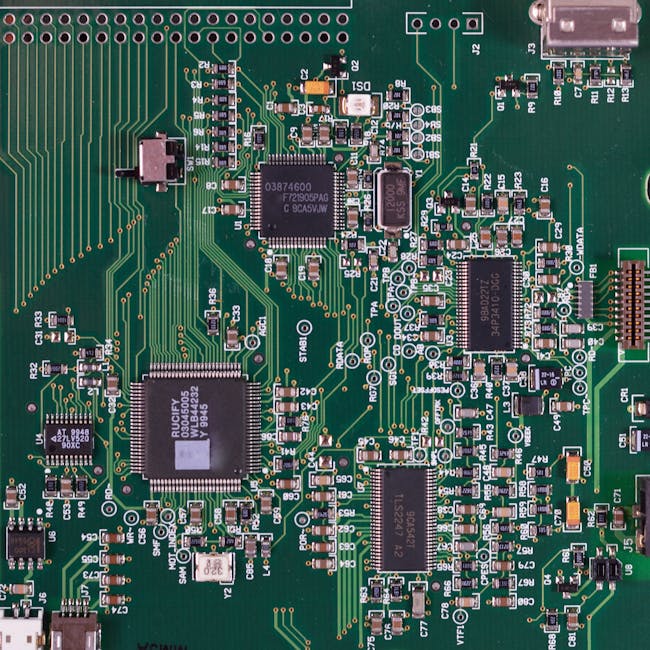
Integrated circuits (ICs) are the superheroes of the electronics world. They pack a multitude of components into a tiny chip, performing complex tasks with ease. These chips can be found in almost every electronic device you use daily, from smartphones to microwaves.
ICs offer several advantages: they save space, reduce cost, and improve reliability. While building a circuit from scratch using individual components might seem rewarding, using ICs can streamline your projects significantly. Have you ever considered how much space is saved inside your phone with these tiny circuits?
Analog And Digital Circuits
Analog circuits handle continuous signals, much like a dimmer switch that smoothly adjusts light levels. These circuits are essential in applications like audio processing, where subtle changes matter. Remember the warm sound of a vinyl record playing? That’s the beauty of analog.
Digital circuits, however, operate with discrete signals, similar to flipping a light switch on or off. They are crucial for computing and digital communication, where precision is key. Think about the clarity of digital music files—no scratches or pops.
As you explore these circuit types, consider how they impact your daily life. Which type do you find most fascinating, and how can you apply this knowledge to your future projects?
Common Electronic Devices
Understanding electronics begins with circuits and devices. Smartphones, laptops, and televisions are common examples. They rely on basic electronic principles to function. Everyday life is filled with these gadgets. Their operation hinges on fundamental electronic components and circuits. Exploring them reveals how technology powers modern conveniences.
Understanding the fundamentals of electronics opens up a world of creativity and innovation. At the heart of this are the common electronic devices that drive our gadgets and tools. As you dive into these components, you’ll see how they form the backbone of modern technology. Each device, whether it’s a microcontroller or a sensor, has a unique role that enhances our everyday experiences. Let’s explore some of these fascinating devices.
Microcontrollers And Microprocessors
Microcontrollers and microprocessors are the brains of electronic systems. Microcontrollers are compact and efficient, often used in appliances like microwaves or washing machines. They control specific tasks, making them ideal for embedded systems. Microprocessors, on the other hand, are more powerful and versatile. They drive computers and smartphones, handling complex calculations and processes. Think of them as the multitasking powerhouses in your devices. Have you ever wondered how your phone can run multiple apps at once? That’s the magic of a microprocessor.
Sensors And Actuators
Sensors and actuators are like the senses and muscles of electronics. Sensors detect changes in the environment, such as temperature or light. They convert these changes into electrical signals that devices can understand. Actuators take the signals from sensors and perform actions, like moving a motor or opening a valve. This duo is crucial in automation. Imagine your smart thermostat adjusting the temperature based on room occupancy—it’s all thanks to sensors and actuators working together.
Displays And Interfaces
Displays and interfaces connect us to electronic devices. Displays show information visually, from simple LED indicators to complex LCD screens. They are the windows through which we interact with technology. Interfaces, such as touchscreens and buttons, allow you to communicate with devices. They translate your actions into commands the device can execute. Have you noticed how seamless it feels to swipe through your tablet? That’s the result of a well-designed interface. These common electronic devices are more than just components. They are the building blocks of innovation, shaping the way you live and interact with the world. As you learn more about them, consider how they can be used to create new solutions to everyday problems. What could you design with a deeper understanding of these devices? The possibilities are endless.
Circuit Design And Analysis
Circuit design and analysis form the backbone of electronics engineering. Understanding these concepts is crucial for creating functional devices. Beginners often start with simple circuits. They gradually move to complex designs. Exploring various techniques and tools helps in this journey. Let’s dive deeper into the world of circuit design.
Schematic Diagrams
Schematic diagrams represent electrical connections using symbols. They provide a clear view of a circuit’s structure. These diagrams help in visualizing components and connections. Engineers use them to communicate ideas. They are essential in both design and troubleshooting.
Breadboarding Techniques
Breadboarding is a hands-on approach to testing circuits. It involves assembling components on a breadboard. No soldering is needed. This method allows easy modifications. Breadboards help in experimenting with different configurations. They are perfect for beginners and experts alike.
Simulation Tools
Simulation tools mimic real-world circuit behavior on a computer. They allow testing without physical components. Engineers use them to predict circuit performance. These tools save time and resources. They are invaluable in both education and professional design.
Credit: redshelf.com
Troubleshooting And Maintenance
Explore the essentials of electronics fundamentals, circuits, and devices through troubleshooting and maintenance. Learn to identify and fix common issues. Keep your electronic devices running smoothly with basic maintenance tips.
Troubleshooting and maintaining electronic circuits and devices can seem daunting, but with the right approach, it becomes manageable and even enjoyable. It’s not just about fixing what’s broken; it’s about understanding how things work. When you successfully troubleshoot a problem, you gain valuable insights into the inner workings of your devices. Let’s dive into some practical techniques and tips for diagnosing circuit problems, repairing faulty components, and ensuring safety.
Diagnosing Circuit Problems
Diagnosing a circuit problem is like solving a puzzle. Start by checking the most obvious issues, like loose connections or blown fuses. A multimeter is your best friend here; it helps you measure voltage, current, and resistance. Sometimes, circuit diagrams can be confusing. Break down the circuit into smaller sections. Test each section individually to pinpoint where the problem lies. Have you ever misdiagnosed a problem because you overlooked a simple step? Patience and thoroughness can save you from that frustration.
Repairing Faulty Components
Once you’ve identified the problematic component, it’s time to repair or replace it. Make sure you have the right tools on hand. A soldering iron, desoldering pump, and replacement parts are essential. Consider the cost and availability of components. Sometimes, replacing a faulty part is more economical than attempting a repair. Remember the satisfaction you felt the first time you successfully replaced a component? That’s your motivation.
Safety Precautions
Safety should always be your top priority. Before you start, unplug the device or power down the circuit. It’s easy to forget this step when you’re eager to solve the problem. Wear safety gear like goggles and gloves when necessary. Be mindful of capacitors; they can hold charge even when a device is off. Have you ever received a mild shock because you were careless? It’s a jolt that reminds you to respect electricity. Troubleshooting and maintenance might seem overwhelming at first, but with practice, you’ll develop the confidence to tackle more complex issues. Remember, every problem you solve adds to your expertise. What’s your next challenge?
Frequently Asked Questions
What Are Basic Electronic Components?
Basic electronic components include resistors, capacitors, diodes, transistors, and integrated circuits. These components form the foundation of electronic circuits. Each component has a specific function, such as controlling current or storing energy. Understanding these components is crucial for anyone learning about electronics.
How Do Electronic Circuits Work?
Electronic circuits work by controlling the flow of electrical current. Components like resistors, capacitors, and transistors manipulate this flow. Circuits can perform various tasks, from simple calculations to complex data processing. By connecting components in specific ways, circuits achieve desired outcomes.
What Is The Role Of A Resistor?
A resistor limits the flow of electric current in a circuit. It helps control voltage and current levels. By reducing current, resistors prevent damage to other components. They are essential in circuits to manage power distribution and ensure components operate safely.
Why Are Capacitors Important In Circuits?
Capacitors store and release electrical energy in circuits. They smooth out voltage fluctuations and provide power when needed. Capacitors are crucial in timing applications, filtering signals, and stabilizing voltage. Their ability to store energy makes them vital in many electronic applications.
Conclusion
Understanding electronics fundamentals is key to grasping circuit basics. These concepts form the building blocks of modern devices. Start with simple circuits to learn essential principles. Practice helps solidify knowledge. Explore different components and their functions. Gain hands-on experience to enhance learning.
Electronics play a crucial role in daily life. They power our gadgets and tools. Knowing their basics opens doors to innovation. Stay curious and keep exploring. Learning electronics can be both fun and rewarding. Embrace the journey and grow your skills.
Enjoy the world of circuits and devices!