
Affiliate Disclosure: This post may contain affiliate links. If you purchase through links on our site, we may earn an affiliate commission at no extra cost to you.
Imagine driving down a dark road, relying only on the headlights of your vehicle to guide you safely through the night. Have you ever stopped to think about how much you depend on automotive lighting technology for your safety and comfort while driving?
This technology is not just about visibility; it’s about enhancing your entire driving experience. You deserve the best when you’re behind the wheel, and advancements in automotive lighting are revolutionizing the way you see the road. With features like adaptive headlights and LED technology, the journey is safer and more enjoyable than ever before.
As you read on, you’ll discover how these innovations impact your daily drive and why they matter to you. Get ready to illuminate your understanding and see the road with a new perspective.
Evolution Of Automotive Lighting
Automotive lighting technology has advanced from simple oil lamps to modern LED systems. Early vehicles used gas lamps, which later evolved into electric headlights. Today, LED and laser technologies offer brighter and more energy-efficient solutions, enhancing both safety and aesthetics.
The evolution of automotive lighting is a fascinating journey that mirrors the progress of technology and innovation. From the dim glow of early headlights to the bright and efficient LEDs of today, automotive lighting has come a long way. This transformation not only enhances safety but also adds a touch of style to our vehicles. Let’s dive into this illuminating evolution.
Early Innovations
In the early days of automobiles, lighting was a luxury rather than a necessity. Cars initially relied on acetylene lamps, which were dim and difficult to maintain. These lamps used a chemical reaction to produce light, a method that was far from practical. As technology advanced, electric headlights emerged in the early 1900s. These were a significant improvement, providing better visibility and reliability. However, they were still quite basic by modern standards. Imagine driving with such limited lighting—it’s a testament to how much we’ve advanced.
Halogen Era
The halogen bulb marked a turning point in automotive lighting. Introduced in the 1960s, halogen lights offered brighter and more efficient illumination. They quickly became the standard for many years. Halogen bulbs work by using halogen gas to increase the lifespan and performance of the filament. This innovation not only improved visibility but also reduced the frequency of bulb replacements. You might remember your parents or grandparents driving cars with these bulbs, a reminder of a simpler yet pivotal time in automotive history.
Led Revolution
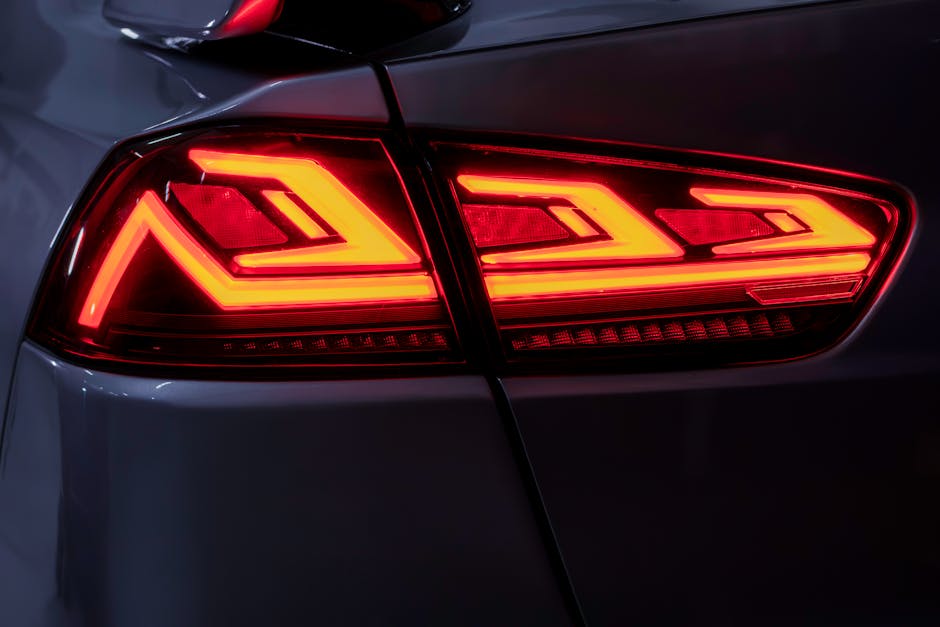
LED technology has transformed automotive lighting into an art form. With their energy efficiency and long lifespan, LEDs have become the lighting choice for modern vehicles. They offer designers the flexibility to create intricate and stylish lighting patterns. LEDs provide brighter and more focused beams, enhancing both safety and aesthetics. Have you ever noticed the unique light signatures on new cars? That’s the magic of LEDs at work. With LED technology, the future of automotive lighting is indeed bright. As you think about the evolution of automotive lighting, consider how these changes impact not just vehicle design, but also your driving experience. What lighting technology does your car use, and how does it affect your daily commute? The journey from acetylene lamps to LEDs is not just about technology—it’s about enhancing the way we drive and interact with our vehicles.
Modern Lighting Technologies
Modern lighting technologies in the automotive world are transforming the way we drive, enhancing safety, and offering unique design opportunities. These advancements are more than just aesthetic upgrades; they play a crucial role in improving visibility and reducing energy consumption. Whether you’re a car enthusiast or someone looking to upgrade your vehicle, understanding these technologies can help you make informed decisions.
Led Systems
LED lighting systems have become a staple in modern vehicles due to their efficiency and brightness. They use less energy compared to traditional halogen bulbs, which means your car battery lasts longer. Plus, LEDs offer a brighter and more focused beam, improving nighttime driving safety.
Imagine driving through a foggy night. The sharp, clear light from LED headlights cuts through the mist, making the road ahead more visible. This clarity doesn’t just enhance safety; it also reduces eye strain during long drives.
Laser Lights
Laser lights are another cutting-edge technology offering even more precise illumination. They provide a longer range, which is particularly beneficial on highways. This means you can spot obstacles or changes in the road sooner, giving you more time to react.
Think about a road trip on an unfamiliar highway. Laser lights can illuminate up to 600 meters ahead, keeping you informed about what’s coming. While they are more expensive, the investment in safety and visibility could be worth it for frequent travelers.
Oled Applications
OLED (Organic Light Emitting Diodes) technology is making its way into the automotive industry, primarily in tail lights and interior displays. These lights offer a more uniform and flexible lighting option, allowing for innovative design possibilities.
Picture a sleek, modern car with a dynamic tail light that changes shape or color based on your driving mode. OLED lights make this possible, providing both aesthetic appeal and functional benefits. Their flexibility allows car manufacturers to design lights that are not only eye-catching but also adaptable to various driving conditions.
With these modern lighting technologies, how do you envision your next vehicle upgrade? The choice could significantly impact your driving experience, blending style with practicality. Whether it’s the energy efficiency of LEDs, the reach of laser lights, or the design possibilities of OLEDs, each technology offers unique advantages. As you explore these options, consider what matters most to you in terms of safety, style, and sustainability.
Smart Lighting Features
In the world of automotive lighting, smart features are transforming driving experiences. Advanced technology ensures optimal visibility and enhances safety. These smart lighting systems adapt to different driving conditions. They improve the driver’s comfort and road awareness.
Adaptive Headlights
Adaptive headlights adjust their direction based on steering and speed. They illuminate curves in the road, enhancing visibility. This feature reduces blind spots during turns. It helps drivers see obstacles earlier. Adaptive headlights also minimize glare for oncoming traffic.
Matrix Led Technology
Matrix LED technology offers precise light control. Individual LEDs switch on or off as needed. This creates a bright yet controlled beam. Drivers benefit from improved road focus without blinding other drivers. Matrix LEDs can highlight specific areas, like road signs or pedestrians.
Daytime Running Lights
Daytime running lights enhance vehicle visibility during the day. They use energy-efficient LEDs. These lights make cars noticeable to other drivers. Daytime running lights improve safety on bright days. They are a standard feature in many new vehicles.
Impact On Safety
Automotive lighting technology plays a vital role in road safety. Modern advancements enhance driver and pedestrian protection. Efficient lighting systems contribute to safer driving experiences. They improve visibility, prevent accidents, and aid night driving.
Enhanced Visibility
Proper lighting ensures clear vision during night and day. Headlights illuminate the road ahead. Tail lights signal braking and help avoid rear-end collisions. Fog lights improve visibility in adverse weather conditions. LED lights offer brighter, longer-lasting illumination. They consume less power and improve road safety.
Accident Prevention
Advanced lighting systems reduce the risk of accidents. Daytime running lights increase vehicle visibility. Adaptive headlights adjust to steering and speed. They illuminate curves and corners effectively. Brake lights warn drivers early and reduce collision chances. Turn signals clearly indicate vehicle direction.
Night Driving Assistance
Night driving is challenging without proper lighting. Adaptive lighting systems enhance night visibility. High-beam assist automatically adjusts headlight intensity. It prevents glare for oncoming vehicles. Night vision systems detect pedestrians and animals. They offer real-time alerts to drivers. Improved lighting ensures safer night journeys.
Energy Efficiency
Automotive lighting technology boosts energy efficiency by using LED lights. These lights consume less power than traditional bulbs. Improved lighting reduces vehicle energy use and emissions. This benefits both the environment and vehicle performance.
In the world of automotive lighting technology, energy efficiency is a key factor that significantly impacts both the environment and your wallet. As vehicles evolve, so do their lighting systems, transitioning from traditional halogen bulbs to advanced LED and laser technologies. This shift not only enhances visibility and safety but also reduces the energy consumption of your car. Are you curious about how this could benefit you and the planet?
Power Consumption
LED lights use up to 80% less energy than conventional halogen bulbs. This reduction means your vehicle’s battery and alternator are less strained, potentially increasing their lifespan. Have you noticed how your smartphone’s battery lasts longer when you use energy-efficient apps? The same principle applies to your car’s energy-efficient lighting.
Sustainability Benefits
Energy-efficient lighting contributes to a sustainable future by minimizing greenhouse gas emissions. When your car uses less power, it indirectly reduces fossil fuel consumption. Imagine the cumulative impact if every vehicle on the road made this switch. It’s a simple change, yet it plays a part in combating climate change.
Cost Implications
While energy-efficient lights may have a higher upfront cost, they save you money in the long run. LEDs, for instance, last longer and require less frequent replacements than halogen bulbs. Think about the hassle of changing a bulb less often and the savings on replacement costs. Isn’t it worth considering the bigger picture when weighing your options? By choosing energy-efficient automotive lighting, you’re making a choice that benefits both your finances and the environment. Whether you’re conscious about sustainability or just looking to save a few bucks, energy-efficient lighting technology offers practical advantages. So, what will you choose for your next vehicle upgrade?
Design And Aesthetics
Automotive lighting technology is more than just functionality. The design and aesthetics of vehicle lights play a crucial role. They contribute to the car’s overall appeal and personality. Car manufacturers invest heavily in creating distinctive lighting designs. These designs not only enhance visibility but also reflect brand identity.
Customization Options
Many car owners seek unique lighting styles. Customization options have become popular. They allow drivers to express their personality through lighting. From LED strips to color-changing headlights, options abound. Car enthusiasts enjoy personalizing their vehicle’s appearance. Custom lights can make a car stand out on the road.
Brand Identity
Lighting design is key to a car’s brand identity. Each brand aims for a signature look. Unique headlight shapes or patterns can become iconic. They help in recognizing a brand from afar. Think of the distinct lights of luxury car brands. They instantly communicate style and prestige.
Future Trends
The future of automotive lighting is bright. Innovative designs and smart technology are on the horizon. Expect lights that adapt to driving conditions. Some future cars might have lights that communicate with other vehicles. This could enhance safety and driving experience. Designers are exploring new materials and light sources. The aim is to make vehicles even more efficient and stylish.
Challenges And Innovations
Automotive lighting technology is evolving rapidly. New challenges and innovations drive this progress. Car manufacturers invest in advanced lighting systems. These systems improve safety and aesthetics. Yet, they face several hurdles. Technical challenges and regulatory demands are key areas of concern. Exploring these hurdles reveals opportunities for innovation.
Regulatory Hurdles
Regulations vary across regions. Each country has unique lighting standards. Manufacturers must comply with these standards. Meeting diverse requirements is complex. This complexity slows down innovation. Some regulations may seem outdated. They restrict the use of new technologies. Adapting to changing rules demands flexibility.
Integration With Autonomous Systems
Autonomous vehicles rely on lighting for safety. Advanced sensors detect road conditions. Lighting interacts with these sensors. Seamless integration is crucial. It ensures accurate vehicle responses. Misalignment can lead to errors. Engineers work to perfect this integration. They aim for smarter and safer vehicles.
Future Prospects
Lighting technology has a bright future. Smart lights will soon adapt to surroundings. They will enhance driver experience. They will also improve vehicle communication. Innovations will focus on energy efficiency. Sustainable materials will play a role. The future holds exciting possibilities. Lighting systems will continue to evolve.
Frequently Asked Questions
What Are The Types Of Automotive Lighting?
Automotive lighting includes headlights, taillights, fog lights, and interior lights. Headlights can be halogen, LED, or xenon. Each type has unique features and benefits. LED lights are energy-efficient and long-lasting. Xenon lights offer bright, white illumination. Halogen lights are affordable and widely used.
Taillights enhance visibility, especially in low-light conditions.
How Does Led Lighting Improve Vehicle Safety?
LED lighting improves safety by providing brighter and more consistent illumination. It enhances visibility for drivers and pedestrians. LED lights have faster response times, reducing the risk of accidents. They consume less power, extending battery life. Their durability means fewer replacements, maintaining consistent safety features over time.
Why Are Adaptive Headlights Important?
Adaptive headlights adjust their direction based on steering, speed, and elevation. They enhance visibility on curves and hills, improving safety. These headlights help drivers see obstacles and road signs more clearly. They reduce glare for oncoming traffic, preventing accidents. Adaptive lighting technology is especially beneficial in poor weather conditions.
What Is The Purpose Of Fog Lights?
Fog lights are designed to cut through fog, rain, and snow. They provide low, wide beams to illuminate the road. This helps drivers see the road edges and lane markings. Fog lights reduce glare and improve visibility. They are typically mounted low on the vehicle to minimize reflection.
Conclusion
Automotive lighting technology keeps evolving. This evolution enhances road safety and visibility. LED lights offer energy efficiency and longer lifespan. Adaptive headlights adjust to curves and traffic. These advancements create safer driving experiences. Manufacturers continue pushing boundaries with new innovations.
Drivers enjoy better illumination and style. Modern lighting blends functionality with design. Choosing the right lighting matters for safety and aesthetics. Stay informed about latest trends and updates. Embrace technology to improve your driving experience. The future of automotive lighting looks bright.