Affiliate Disclosure: This post may contain affiliate links. If you purchase through links on our site, we may earn an affiliate commission at no extra cost to you.
Imagine you’re about to hit “go live” on your stream. The excitement builds, and your content is ready.
But wait—have you thought about your camera angle? You might not realize it, but the angle of your camera can make or break your streaming success. It’s not just about showing your face; it’s about connecting with your audience in a way that feels natural and engaging.
When your viewers feel like they’re part of the experience, they’re more likely to stick around. So, what’s the secret to choosing the best camera angle for streaming? You’ll discover how to optimize your setup to keep your audience hooked from the first frame to the last. Get ready to transform your stream into an unforgettable experience!
Importance Of Camera Angles
When you’re streaming, the camera angle can make or break your connection with the audience. It’s not just about showing your face; it’s about crafting an experience. Think about the last time you watched a stream and felt engaged. Odds are, the camera angle played a significant role in keeping your eyes glued to the screen. A well-chosen angle can convey your personality, enhance your content, and even boost viewer interaction.
Camera angles influence how viewers perceive you. Are you approachable, authoritative, or casual? Your angle can subtly communicate these traits.
Consider a straight-on angle. It creates a direct connection, making viewers feel like they’re having a face-to-face conversation. This can be ideal for personal streams or tutorials.
On the other hand, a slightly elevated angle can add a sense of professionalism. It can make your stream look polished and well-thought-out. Great for business or educational content.
Imagine you’re watching a gamer using a dynamic angle that captures both their expressions and the game. It adds excitement and keeps you engaged. You can do the same with your streams!
Creating Visual Interest
Are your viewers engaged or drifting away? The right camera angle can keep them interested. Mixing up angles can add visual variety and maintain viewer attention.
Try experimenting with side angles or close-ups to highlight key moments. This can make your content more dynamic and less predictable.
Don’t underestimate the power of movement. Slight shifts in angle can create a sense of action, even in a static setting. Think about how this could bring your storytelling to life.
Enhancing Viewer Interaction
Camera angles can actually boost interaction. How? By creating a more inviting atmosphere. A welcoming angle invites comments and feedback.
Consider how different angles might affect viewer perception. Does your angle make them feel part of the conversation or a distant observer?
Engage your audience by asking them their preferred angle. This not only increases interaction but also helps you tailor your stream to viewer preferences.
Practical Tips For Choosing The Best Angle
Start by evaluating your setup. What angles are possible with your current equipment? You might be surprised at the options you already have.
Test different angles and assess viewer reactions. Which angle gets more engagement? Use these insights to refine your approach.
Don’t forget lighting. The best angle can be ruined by poor lighting. Make sure your face is well-lit and your background complements your stream.
Ultimately, your goal is to create a space where viewers feel connected and engaged. The right camera angle is a powerful tool in achieving that. So, what’s your angle?
Choosing The Right Equipment
Choosing the right equipment for streaming can make or break your broadcast quality. While content is king, the visual appeal is crucial in capturing and retaining your audience’s attention. It’s not just about having a high-tech camera; understanding what works best for your setup is key. Let’s dive into how to select the best camera, lens, and mounting equipment for that perfect angle.
Camera Types
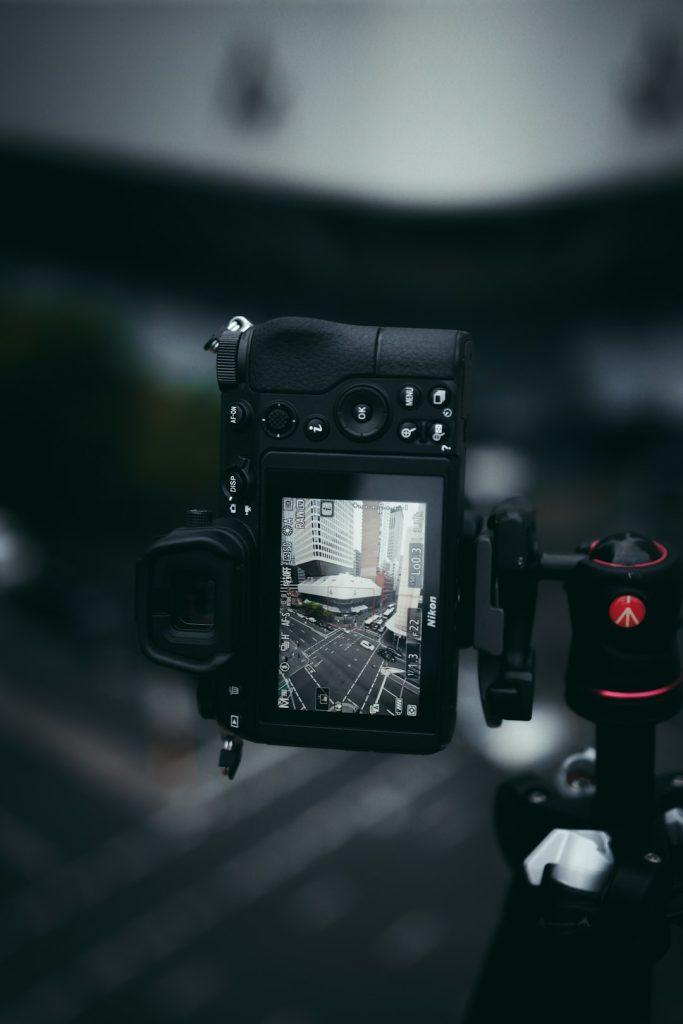
Your choice of camera should align with your streaming goals. Are you streaming in 4K, or is 1080p sufficient? A webcam might be all you need for casual streams, providing ease of use and affordability. But if you’re aiming for professional quality, a DSLR or mirrorless camera could be your best bet. These offer superior image quality and versatility. Remember when I switched from a basic webcam to a DSLR? The difference in clarity was night and day. Consider the frame rate and resolution for the sharpest visuals. Each camera type has its pros and cons, so weigh your options carefully.
Lens Options
A lens can significantly affect your camera’s performance. With DSLRs or mirrorless cameras, choosing the right lens can enhance your stream’s quality. A wide-angle lens might be perfect for capturing more of your surroundings, while a prime lens can deliver stunning clarity and focus. I once used a zoom lens that allowed me to switch perspectives without moving the camera. Think about what you want your audience to see. A lens can transform your stream from good to great by improving depth and detail. Always ensure compatibility with your camera type.
Tripods And Mounts
A stable setup is essential for a professional look. Tripods and mounts play a crucial role in keeping your camera steady. Opt for a sturdy tripod that can handle your camera’s weight and offers adjustable height for versatile angles. I learned the hard way with a flimsy tripod that led to shaky footage. Consider mounts if you have limited space; they can securely attach your camera to walls or ceilings. Experiment with different heights and angles to find what best showcases your streaming environment. Stability is non-negotiable for high-quality streams.
So, what equipment will you choose to elevate your streaming game? Each piece plays a vital role in achieving that perfect camera angle. Make informed decisions to create engaging and professional content. Your audience deserves nothing less!
Basic Camera Angles
Finding the right camera angle can enhance your streaming experience. Place the camera at eye level for a natural view. Avoid harsh lighting to ensure your audience sees you clearly.
Engaging with your audience while streaming can significantly depend on the camera angle you choose. Different angles can evoke different feelings and reactions, subtly influencing how viewers perceive your content. Whether you’re a seasoned streamer or just starting, understanding basic camera angles can enhance your live sessions and keep your audience hooked.
Eye-level Shots
Eye-level shots are the bread and butter of streaming. They create a direct connection with your audience, making them feel like they’re having a conversation with you. Imagine you’re chatting with a friend over coffee; that’s the vibe you want to convey. Position your camera at the same height as your eyes. This angle is comfortable and natural, putting viewers at ease. It’s especially effective for personal vlogs, tutorials, or any content where trust and relatability are key.
High Angle Shots
High angle shots can change the dynamic of your stream significantly. By placing the camera above eye level, you can create a sense of openness or vulnerability. This angle can make you appear smaller, which can be useful if you’re trying to convey a softer, more approachable persona. Use high angle shots to showcase a wider view of your environment, like an impressive gaming setup or an organized workspace. High angles are great for when you want to highlight what’s happening in the background. However, be mindful not to overuse it, as it can sometimes make you seem less authoritative.
Low Angle Shots
Low angle shots can add an element of drama to your streams. By positioning your camera below eye level, you create a sense of power and dominance. This angle can make you appear larger and more imposing, which can be beneficial if you’re streaming competitive content or want to project confidence. Consider the impact this angle might have on your viewers’ perception. Low angles can also be used creatively to emphasize certain features or actions, like showcasing a unique gadget or emphasizing hand movements. However, too much of this angle might feel overwhelming, so balance it with other shots. In your streaming journey, experimenting with these basic camera angles can lead to more engaging and visually appealing content. So, what angle resonates most with your streaming style?
Advanced Techniques
Choosing the best camera angle enhances streaming quality. Consider eye-level angles for a natural, engaging view. Elevate the camera slightly for a flattering perspective, balancing clarity and interest.
When streaming, mastering camera angles can transform your content from average to exceptional. Advanced techniques elevate your stream, making it more visually engaging and professional. Let’s dive into some specific methods that can make your stream stand out and keep your audience hooked.
Dutch Angle
A Dutch angle adds a dynamic twist to your streaming setup. By tilting the camera slightly, you create a sense of tension or unease, which can be perfect for gaming streams or intense moments. Experiment with different degrees of tilt to see what feels right for your content. Remember the time you tried a new game and wanted to convey its chaotic energy? A Dutch angle could have amplified that experience for your audience.
Over-the-shoulder Shots
Over-the-shoulder shots provide viewers with a more immersive experience. This angle can help your audience feel like they are right there with you, especially during tutorial streams or collaborative projects. Position your camera so it captures both your screen and a hint of your presence, bridging the gap between you and your viewers. Ever noticed how directors use this technique in movies to pull you into a conversation? It works just as well in streaming.
Close-ups
Close-ups are powerful for highlighting emotional reactions or details. They bring your audience closer, fostering a sense of intimacy and connection. Use them sparingly to emphasize key moments, like a surprising twist in a game or an important point in a discussion. Consider your favorite streamer who often zooms in to emphasize a joke or reaction. That split second of a close-up can make all the difference in audience engagement. Are you ready to experiment with these advanced camera techniques? Each angle offers a unique way to connect with your viewers and enhance your storytelling. Embrace the challenge and watch your streaming game level up.
Lighting Considerations
Getting the right camera angle for streaming involves smart lighting choices. Good lighting reduces shadows and highlights facial features. Position lights at a 45-degree angle to create a balanced and clear image.
Lighting is crucial for streaming. It can transform your camera angle. Good lighting enhances video quality. It makes your stream more engaging. Viewers notice lighting first. Poor lighting distracts. Let’s explore lighting options.
Natural Light
Natural light is a great option. It’s soft and flattering. Streaming during the day maximizes this. Position your camera near a window. Avoid direct sunlight. It creates harsh shadows. Overcast days are perfect. They provide even lighting. Adjust blinds for control. This reduces glare.
Artificial Light Sources
Artificial lights are versatile. Use them anytime. Ring lights are popular. They provide even illumination. LED panels work well too. Choose lights with adjustable brightness. This helps control shadows. Warm lights add a cozy feel. Cool lights create a fresh look. Experiment with different bulbs.
Lighting Positioning
Proper positioning is key. It enhances your features. Place lights at 45-degree angles. This minimizes shadows. Avoid lighting from below. It’s unflattering. Try overhead lights. They mimic natural light. Use multiple light sources. This balances shadows. Adjust angles frequently. Test different setups for best results.
Framing And Composition
Creating the right framing and composition for your streaming setup can make a huge difference in how viewers perceive your content. The way you position your camera can either draw people in or distract them. Understanding some basic principles like the Rule of Thirds, Leading Lines, Headroom, and Nose Room can elevate your streams from amateur to professional. Let’s dive into these elements to enhance your streaming experience.
Rule Of Thirds
Have you ever wondered why some streams look effortlessly balanced while others seem off? The Rule of Thirds is a simple technique that can help. Imagine your screen divided into nine equal sections with two horizontal and two vertical lines. Position key elements of your frame along these lines or their intersections. This approach can make your visuals more engaging and naturally pleasing.
Try placing your camera so your face aligns with one of these imaginary lines. You’ll notice how it draws attention to your expressions. It’s a subtle change, but the impact on viewer engagement can be significant.
Leading Lines
Leading lines guide the viewer’s eyes through your frame. They can be literal lines like the edge of a desk or natural lines like the angle of your shoulders. They direct attention and create flow within your composition.
Consider setting up your streaming area where lines naturally lead towards you. Whether it’s the books on a shelf or the angle of your chair, these lines can help maintain focus on you, keeping your audience engaged.
Headroom And Nose Room
Headroom refers to the space above your head in the frame. Too much or too little can look awkward. Aim for just enough space to avoid looking cramped or floating at the bottom of the screen.
Nose room is the space in front of your face when you’re looking to the side. Ensure there’s more space in the direction you’re facing than behind you. This helps balance your frame and keeps it from feeling lopsided.
Think about how a well-framed shot makes you feel centered and comfortable. It can subtly enhance your presence, allowing viewers to focus on your content rather than an awkward frame.
Have you ever tried adjusting these elements during your streams? What changes did you notice in viewer engagement? Framing and composition are not just artistic tools; they’re practical ways to connect with your audience more effectively.
Angle Adjustments For Different Content
Setting the right camera angle can drastically improve your streaming content. Different types of content demand unique angles to effectively engage your audience. Whether you’re gaming, vlogging, or teaching, angle adjustments can make a significant difference in viewer retention and interaction.
Gaming Streams
When streaming games, consider a camera angle that shows both you and the game. A popular choice is the “picture-in-picture” setup, where your face is visible in the corner of the screen. This setup allows viewers to see your reactions while staying focused on the game.
Position your camera slightly above eye level. This angle not only captures your face but also reduces glare from screens. Experiment with different placements to find the sweet spot that balances your presence and the game view.
Vlogs And Talk Shows
For vlogs and talk shows, a straight-on angle is often most effective. It creates a sense of intimacy, as if you’re directly speaking to your viewers. This angle can help build a personal connection with your audience.
Ensure your camera is at eye level. It’s a simple adjustment that adds professionalism to your stream. Add some depth by positioning yourself slightly away from the background.
Tutorials And Demonstrations
Tutorials benefit from angles that clearly show the subject matter. An overhead shot works wonders for demonstrations involving hands-on tasks. It provides a clear view of the action, making it easier for viewers to follow along.
Don’t forget about close-ups for detail work. Switching angles during a tutorial keeps the content dynamic. It also helps to highlight important steps or intricate details.
So, what angle will you try first? Adjust and experiment to see how different setups impact viewer engagement. Remember, even a small change can lead to a big improvement in your streams.
Credit: teradek.com
Common Mistakes To Avoid
Choosing the right camera angle for streaming can be challenging. Many streamers make common mistakes that affect their video quality. This section highlights key errors to avoid to ensure your stream looks professional.
Overhead Shots
Many streamers use overhead shots without considering their drawbacks. These shots can make your face look distorted. This angle may also make viewers feel disconnected from you. Avoid placing the camera too high. Aim for eye-level shots to keep your audience engaged.
Backlighting Issues
Backlighting can ruin a good stream. When light comes from behind, your face appears dark. This makes it hard for viewers to see you. Ensure your main light source is in front of you. This setup creates a clear and engaging video.
Distracting Backgrounds
A cluttered background can distract your viewers. Avoid having too many items in the shot. Choose a simple and clean background. This helps keep the focus on you and your content. A tidy space enhances the viewer’s experience.
Enhancing Viewer Engagement
Choosing the right camera angle can greatly enhance viewer engagement during streaming. A well-placed angle keeps the audience focused and interested. Experimenting with different positions can help find the most appealing view for your audience.
Enhancing viewer engagement is crucial for successful streaming. The right camera angle not only showcases your content but also keeps your audience captivated. A well-chosen angle can make your stream more dynamic, interactive, and consistently high-quality. Let’s delve into how you can use camera angles to boost viewer engagement effectively.
Dynamic Angles
Creating a dynamic stream means using angles that bring energy and movement to your content. Think about how you can use different perspectives to tell a story or highlight key moments. Switching between angles can keep your audience on their toes. For instance, alternate between a close-up for emotional connection and a wide shot for context. This variety prevents monotony and keeps viewers interested. Consider your content type. A cooking stream might benefit from an overhead angle to show the ingredients clearly, while a gaming stream could use a face cam to capture your reactions. Each angle has a purpose, so choose wisely.
Interactive Elements
Making your stream interactive can significantly increase viewer engagement. Camera angles play a crucial role here. Position your camera to encourage interaction. A direct, eye-level angle can create a more personal connection, making viewers feel like they’re in the room with you. This setup invites conversation and interaction in the chat. Use angles to enhance interactive segments. If you have a physical element, like drawing or assembling something, ensure your viewers have the best view. This thoughtful setup shows that you value their experience.
Consistent Quality
Maintaining consistent quality in your camera work builds trust with your audience. They’ll know what to expect and appreciate the reliability. Ensure your lighting complements your chosen angle. Proper lighting can make a significant difference in how professional your stream appears. Test different setups to find what works best for your space. Keep your camera steady. Shaky footage can be distracting and diminish the quality of your stream. A tripod or a stable surface can be a simple yet effective solution. What camera angle has worked best for you in engaging your audience? Experiment with these techniques to find what resonates with your viewers. Remember, the goal is to create a streaming environment that is both enjoyable and immersive.
Credit: restream.io
Frequently Asked Questions
What Is The Best Camera Angle For Streaming?
The best camera angle for streaming is eye-level. It creates a natural and engaging connection with viewers. Position your camera slightly above your monitor to avoid double chins and add depth. Experiment with angles to find what best suits your streaming style and setup.
How Does Camera Angle Affect Viewer Engagement?
Camera angle greatly affects viewer engagement by influencing how viewers perceive you. A well-placed camera enhances your presence and makes interactions more relatable. Eye-level angles foster trust and connection, while awkward angles can distract and disengage. Adjust your camera to optimize viewer experience.
Should I Use A Tripod For Streaming Camera Setup?
Using a tripod for your streaming camera setup ensures stability and consistency. A tripod helps maintain the desired angle and reduces shaky footage. It allows you to adjust height easily, ensuring the camera remains at eye-level for optimal viewer engagement and professional appearance.
How Can Lighting Improve Streaming Camera Angle?
Proper lighting enhances your streaming camera angle by highlighting your features and reducing shadows. Use soft, diffused lighting to balance exposure and avoid harsh contrasts. Position lights to complement your camera angle, ensuring you are well-lit and visually appealing to viewers.
Conclusion
Choosing the right camera angle enhances your streaming experience. It boosts viewer engagement and keeps the audience entertained. Consider your setting and style to find what works best. Experiment with different angles to see what looks good. Try close-ups for a personal feel or wide shots for a broader view.
Lighting plays a key role, so adjust accordingly. Remember, practice makes perfect. Keep testing until you find the ideal setup. Your viewers will appreciate the effort. Stay creative and keep improving your stream. Enjoy the process and happy streaming!