Affiliate Disclosure: This post may contain affiliate links. If you purchase through links on our site, we may earn an affiliate commission at no extra cost to you.
Capturing the magic of fireworks in a photograph can be as exhilarating as watching the show itself. Yet, achieving that perfect shot often feels elusive.
Maybe you’ve tried before, and the results were underwhelming. The colors didn’t pop, or the image was blurry. You’re not alone. Many find photographing fireworks challenging, but there’s a secret to mastering it. Imagine the satisfaction of scrolling through your photos, each one more dazzling than the last.
This is within your reach. By mastering the best camera settings for fireworks, you can transform your photography. Ready to unlock the secrets and capture fireworks like a pro? Let’s dive in and make your next photo session a masterpiece.
Choosing The Right Equipment
Capturing fireworks with precision requires the right equipment. The magic begins with careful selection. Each piece plays a part in creating stunning photos. Discover how to choose wisely.
Camera And Lens Selection
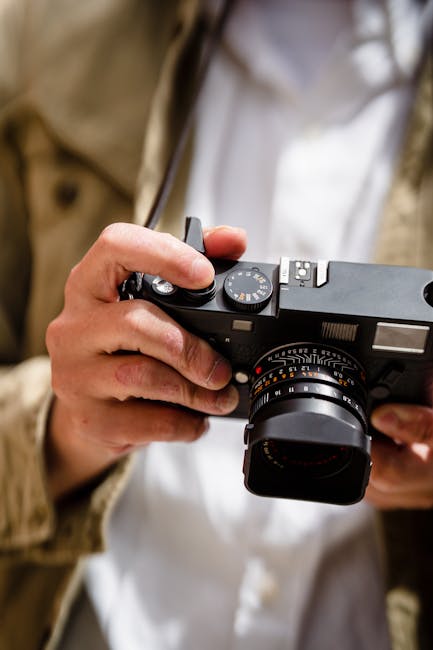
Opt for a DSLR or mirrorless camera. These cameras offer manual control. This control is vital for fireworks photography. A camera with a wide ISO range is ideal. It allows flexibility in different lighting conditions. Choose a lens with a focal length of 18-55mm. This range provides both wide and close-up shots. A lens with a fast aperture is preferable. Look for f/2.8 or lower for best results.
Essential Accessories
A sturdy tripod is crucial for stability. It keeps your camera steady during long exposures. Use a remote shutter release. It prevents camera shake when taking photos. Carry extra batteries. Fireworks displays can last a long time. Memory cards with ample storage are necessary. High-resolution images require more space. A lens hood can reduce glare from nearby lights. It helps in capturing clearer images.
Optimal Camera Settings
Capturing stunning fireworks photos requires specific camera settings. Set your ISO to 100 for clear images. Use a small aperture, like f/11, to keep everything in focus. Set a slow shutter speed, around 2-4 seconds, to capture the full burst of colors and light trails.
Capturing fireworks is a thrilling experience for photography enthusiasts. Each burst of color in the night sky presents a unique opportunity to create stunning images. To achieve the best results, understanding optimal camera settings is crucial. These settings help capture the vivid colors and intricate patterns of fireworks. They allow for clarity, depth, and motion. Proper settings can transform an ordinary photo into an extraordinary masterpiece.
Iso Settings For Clarity
Set the ISO low, between 100 and 200, for clear images. This reduces noise and enhances detail. A low ISO is ideal for night scenes. Fireworks are bright, so a higher ISO isn’t necessary. Clarity is essential for sharp, vibrant images. Adjusting ISO can dramatically improve photo quality.
Aperture For Depth And Detail
Use a small aperture, like f/8 or f/11, for depth. This ensures both the fireworks and background are in focus. It enhances detail and creates a balanced composition. The small aperture allows for a rich depth of field. Capturing every detail is key to impressive photos.
Shutter Speed For Motion And Light
Set a slow shutter speed, around 2 to 5 seconds. This captures the full motion of fireworks. The longer exposure time allows more light to enter. It results in bright, vivid trails. Experiment with shutter speed for different effects. Capturing motion is crucial for dynamic images.
Manual Focus Techniques
Capturing fireworks can be tricky without the right focus. Using manual focus techniques gives you more control. Automatic focus often struggles with bright lights and darkness. Manual focus helps ensure sharp, clear images. Below are some tips on manual focus for fireworks photography.
Focusing On The Skyline
Start by focusing on the skyline. The skyline offers a stable point for focus. Set your lens to infinity. This works well for objects far away. Make small adjustments based on what you see. Take test shots to check your focus. Adjust if needed. The skyline provides a good reference for clear shots.
Adjusting For Distance
Distance matters in fireworks photography. Knowing the distance helps in manual focus. Estimate where the fireworks will be. Adjust the focus ring based on this estimate. Keep your camera steady for accurate focus. Use a tripod for better stability. This ensures your shots are sharp and clear.
Framing And Composition
Capturing fireworks requires attention to framing and composition. These elements determine the quality of your photo. The right composition makes your image stunning and memorable.
Rule Of Thirds Application
The Rule of Thirds is a simple yet effective technique. Divide your frame into nine equal parts using two horizontal and two vertical lines. Place the fireworks along these lines or at their intersections. This creates balance and adds interest to your shot. A centered firework can appear static and less engaging. Try different placements for varied results.
Incorporating Foreground Elements
Foreground elements add depth to fireworks photos. They create a sense of place and scale. Trees, buildings, or people can serve as interesting foregrounds. They guide the viewer’s eye and enhance the photo’s story. Make sure these elements don’t overpower the fireworks. Their role is to complement, not distract. Experiment with different angles and distances.
Timing And Patience
Photographing fireworks is magical but challenging. Timing and patience are key to capturing brilliant images. Fireworks displays are unpredictable. A photographer must stay alert and patient. Proper timing can transform a dull shot into a stunning masterpiece.
Predicting Explosions
Predicting explosions in a fireworks display requires sharp observation. Watch the rhythm and pace of the launch. Notice the intervals between bursts. Anticipate when the next explosion will light up the sky. Press the shutter seconds before the explosion. This approach captures the full bloom of the firework.
Capturing Multiple Bursts
Capturing multiple bursts on one frame requires skillful timing. Use a tripod to stabilize the camera. Set the camera to a longer exposure. Experiment with exposures between 5 to 10 seconds. This allows several fireworks to appear in one shot. Patience ensures you capture multiple bursts without blur.
Editing Fireworks Photos
Capturing stunning fireworks photos requires the right camera settings. Set ISO to 100 for minimal noise. Use a small aperture like f/11 for sharp images. A slow shutter speed around 2-4 seconds captures trails beautifully. Experiment with these settings for vibrant results.
Capturing the magic of fireworks is thrilling, but the journey doesn’t end with the click of the shutter. Editing fireworks photos can transform your shots into stunning visual masterpieces. The right edits bring out the vibrancy and drama of each burst, ensuring your images truly sparkle. Let’s dive into some practical ways to enhance your fireworks photos.
Enhancing Colors And Contrast
The vivid colors of fireworks are often the highlight of a celebration. To make them pop, adjust the saturation and vibrance settings in your editing software. Boosting these can make the reds, blues, and greens more intense. But be cautious; too much saturation can make the photo look unrealistic. Contrast is another critical element. By increasing it, you can make the bright fireworks stand out against the dark night sky. This adjustment helps define shapes and edges, giving your photo more depth.
Removing Noise And Adjusting Sharpness
Fireworks photography often involves high ISO settings, which can introduce noise. Use noise reduction tools to smooth out grainy areas, especially in the dark portions of your photo. Reducing noise too much might blur details, so it’s a balancing act. Sharpen the images carefully to highlight the intricate details of each burst. Have you ever noticed how sharpening brings out the fine trails of light? It’s like painting over the blurred lines to make them crisp. But remember, over-sharpening can create halos around your fireworks, which may distract from the overall effect. Editing is your chance to perfect and personalize your fireworks photos. Which technique do you think will make your images shine?
Frequently Asked Questions
What Iso Setting Is Best For Fireworks?
For fireworks photography, use a low ISO setting, like ISO 100 or 200. This minimizes noise and captures vibrant colors. Lower ISO helps maintain image quality, especially in low-light conditions. Ensure your camera is steady, using a tripod to avoid blurring during the long exposure times required.
How To Set Shutter Speed For Fireworks?
Set your camera’s shutter speed between 2 to 10 seconds. A longer exposure captures the trails of light beautifully. Experiment with different speeds to find the perfect effect. Using a tripod is essential to keep the camera stable and avoid blurry images during long exposures.
Should I Use Manual Focus For Fireworks?
Yes, use manual focus for fireworks photography. Autofocus may struggle in low-light, causing blurry images. Set focus to infinity or adjust manually for sharpness. Ensure your lens is clean and clear to capture crisp, vibrant images of the fireworks against the night sky.
What Aperture Setting Is Ideal For Fireworks?
Choose an aperture between f/8 to f/16 for fireworks photography. This range provides a good depth of field, capturing detailed bursts. It helps balance the light from the fireworks with the ambient lighting. Adjust based on the brightness of the fireworks and surrounding conditions.
Conclusion
Capturing fireworks can be fun with the right camera settings. Adjust your ISO for brightness. Use a slow shutter speed for light trails. Set aperture to control depth of field. Keep your camera steady with a tripod. Experiment with different angles for unique shots.
Practice makes perfect, so try different settings. Enjoy the vibrant colors and patterns. Remember, patience is key. Each burst of light offers a new opportunity. With these tips, your fireworks photos will shine brightly. Happy shooting and enjoy the show!