Affiliate Disclosure: This post may contain affiliate links. If you purchase through links on our site, we may earn an affiliate commission at no extra cost to you.
Imagine a world where you can access powerful computing resources anytime, anywhere. That’s the promise of cloud computing hardware.
It’s a game-changer, reshaping the way you store, manage, and process data. Whether you’re a tech enthusiast or a business owner, understanding this technology can give you a competitive edge. But what exactly is cloud computing hardware, and why should you care?
This article will demystify the concept and show you how it can streamline your operations, cut costs, and boost efficiency. Stick around to find out how harnessing the power of the cloud could transform your digital landscape.
Evolution Of Cloud Computing
Cloud computing has changed how we use technology. It started as a simple idea. Now it is a major part of modern business. This journey is about growth and innovation. The evolution of cloud computing shows how fast technology can change. Let’s explore its history and impact on our daily lives.
Early Days Of Cloud Computing
The concept began in the 1960s. Computers were large and expensive. Sharing resources was necessary. Time-sharing systems allowed multiple users. This was the first step toward cloud computing.
Introduction Of Virtualization
Virtualization changed everything in the 1990s. It allowed one computer to run many systems. This made computing more efficient. It laid the groundwork for cloud services.
Rise Of Public Cloud Services
In the 2000s, public cloud services emerged. Companies like Amazon and Google offered storage and computing power. Businesses could now scale without owning hardware.
Expansion Of Cloud Models
Different models like IaaS, PaaS, and SaaS appeared. Each model offered unique benefits. They provided flexibility and cost-efficiency. Businesses could choose what suited their needs best.
Current Trends And Future Directions
Today, cloud computing is more advanced. Trends like AI and IoT are integrated with cloud services. The future holds endless possibilities. Cloud computing will keep evolving.
Credit: techvidvan.com
Core Components Of Cloud Hardware
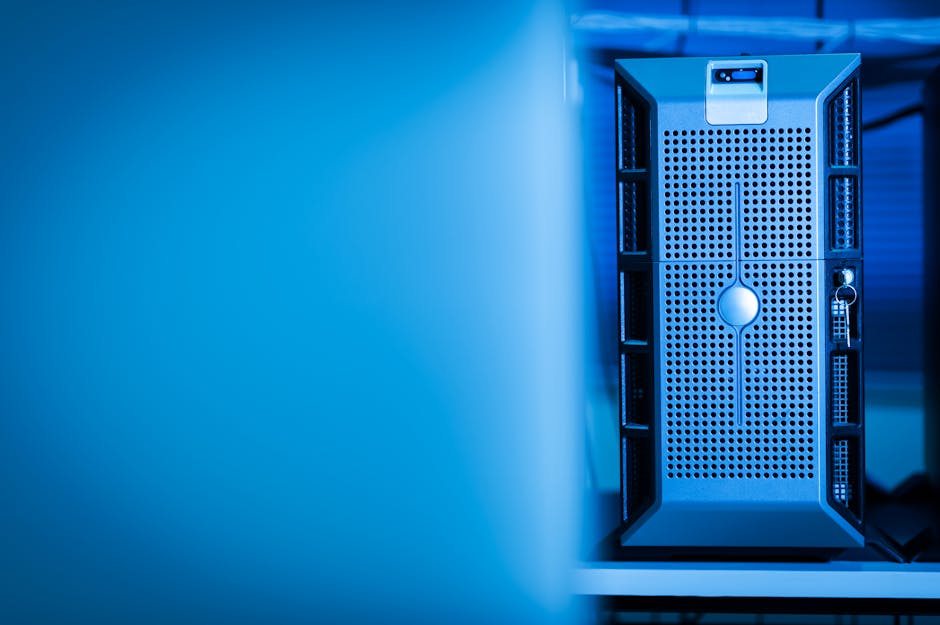
Understanding cloud computing hardware is crucial for modern technology. It forms the backbone of digital storage, processing, and networking. The physical components enable seamless data handling and accessibility. Let’s explore the core elements that make cloud computing possible. These include servers, data centers, networking equipment, and storage solutions.
Servers And Data Centers
Servers are powerful computers that process and manage data. They ensure efficient computing and storage. Data centers house multiple servers. They provide the space and power needed for these machines. These centers are strategically located to ensure minimal latency. This helps in fast data retrieval and processing.
Networking Equipment
Networking equipment connects servers and users. It includes routers, switches, and cables. These components ensure data flows smoothly across networks. They help in maintaining high-speed internet connections. Reliable networking equipment is key to cloud performance.
Storage Solutions
Storage solutions are essential for data retention. They store information securely for future access. Solutions range from solid-state drives to magnetic disks. Cloud storage allows users to access data anytime, anywhere. It ensures data is backed up and safe from loss.
Impact On Traditional It Infrastructure
The rise of cloud computing hardware has profoundly influenced traditional IT infrastructure, introducing new paradigms that reshape how businesses manage their technological resources. It’s not just about storing data in the cloud—it’s about transforming the very way companies operate, scale, and grow. As you consider the impact, it’s crucial to examine several key areas: cost efficiency, scalability, and flexibility.
Cost Efficiency
Cloud computing offers a financial relief to businesses by eliminating the need for expensive on-site servers. You pay only for the resources you use, which can significantly cut costs. Imagine running a small business; maintaining a physical server can drain your budget on maintenance and upgrades.
With cloud services, you reduce upfront expenses and shift to a predictable monthly fee. This model is particularly beneficial for startups looking to allocate funds strategically. Plus, it allows you to invest more in innovation rather than infrastructure.
Scalability And Flexibility
Traditional IT setups often struggle with scalability. If your business grows, you might face the daunting task of purchasing new equipment and expanding your server room. Cloud computing hardware, however, offers unparalleled scalability. You can easily adjust your resources up or down based on your current needs.
This flexibility is invaluable. Consider a seasonal business with fluctuating demand; cloud services enable you to scale operations without delay. You’re not tied down by physical limitations, allowing for agile responses to market changes. Do you see your business benefiting from this adaptability?
These changes might seem daunting, but embracing cloud computing hardware can lead to a more dynamic and responsive IT infrastructure. It’s an opportunity to rethink traditional methods and explore new possibilities in technology management.
Credit: cloudnativejourney.wordpress.com
Advancements In Cloud Hardware
Cloud computing hardware is advancing rapidly. New technology improves speed and efficiency. This helps businesses store and manage data better.
Cloud computing is transforming the way we store and access data. As demand grows, so does the need for efficient cloud hardware. This isn’t just about storing information—it’s about how quickly and efficiently you can access it. The advancements in cloud hardware are setting new standards in performance and reliability, making your online experiences smoother and more seamless.
Innovative Processors
Cloud hardware is embracing cutting-edge processors that promise faster data processing. Imagine loading your favorite app without any delay. That’s the power of these new processors. They not only boost speed but also improve energy efficiency. You get quicker results without draining resources. Companies like Intel and AMD are leading this change with processors that handle complex computations effortlessly. Ever wondered how your smartphone apps run so smoothly? It’s these innovative processors at work in the cloud.
High-performance Storage
Storage solutions in cloud computing have taken a giant leap forward. Traditional hard drives are making way for solid-state drives (SSDs) that offer higher speed and reliability. You can store massive amounts of data without compromising on speed. The era of waiting forever for files to load is ending. Picture having all your digital photos stored and instantly accessible. That’s what high-performance storage offers. Businesses are leveraging this technology to manage and analyze data in real-time, increasing efficiency and productivity.
Enhanced Networking Technologies
Networking technologies are crucial for cloud computing, and recent advancements are changing the game. Faster data transfer rates mean you can access cloud services without lag. Think about streaming your favorite show in high definition without buffering. Enhanced networking ensures quick data exchanges, providing a smoother user experience. Technologies like 5G and fiber optics are pushing boundaries, offering unprecedented speed and reliability. How do these advancements impact your daily life? Consider the ease of working remotely with uninterrupted connectivity. As you explore these advancements, think about how they might impact your future interactions with technology. Will faster processors and storage change the way you work and play? How might improved networking affect your daily online experiences? These are questions worth pondering as cloud computing hardware continues to evolve.
Security Implications
Cloud computing has transformed how businesses operate, providing flexibility, scalability, and efficiency. However, as you embrace this technology, security implications become a crucial consideration. Ensuring your cloud infrastructure is secure not only protects your data but also maintains trust with your clients and stakeholders.
Hardware Security Protocols
When thinking about hardware security, it’s essential to look at the protocols you have in place. These protocols should protect the physical components of your cloud infrastructure. Consider access controls that limit who can physically interact with your hardware. Implementing surveillance systems and biometric access can deter unauthorized access.
Regular audits of your hardware security can reveal vulnerabilities that need addressing. These audits can be your best ally in maintaining robust security. Have you ever wondered how often your hardware is checked for security lapses?
Data Protection Strategies
Data protection in cloud computing is not just about encryption. It involves a holistic approach that safeguards data from breaches and loss. Use multi-layered encryption methods and ensure your data is encrypted both in transit and at rest.
Access control mechanisms should be clear and enforceable. Think about who has access to your data and why. Are your data protection strategies strong enough to prevent unauthorized access? Implementing regular training sessions on data security for your team can be a practical step.
Consider these actionable insights to enhance your cloud security framework. The security of your cloud computing hardware is not just a technical issue; it’s a strategic one. How will you strengthen your protocols and strategies to ensure your data remains secure?
Environmental Considerations
Cloud computing hardware plays a crucial role in modern technology. As demand grows, environmental considerations become essential. Companies are striving to reduce their carbon footprint. Understanding how hardware impacts the environment is vital. This involves energy efficiency and sustainable practices. Let’s explore these aspects further.
Energy Efficiency
Energy-efficient hardware reduces power consumption. It minimizes waste and lowers operational costs. Servers often consume vast amounts of electricity. New designs aim to reduce this impact. Efficient cooling systems help maintain optimal temperatures. Smart power management ensures devices only use energy when needed. This approach conserves resources and supports eco-friendly goals.
Sustainable Practices
Sustainable practices in hardware production are gaining attention. Manufacturers use recycled materials to build components. This reduces waste and conserves raw materials. Eco-friendly packaging limits plastic usage. Efficient logistics reduce transportation emissions. Companies are adopting green certifications. These practices ensure responsible production and distribution.
Future Trends In Cloud Hardware
The realm of cloud computing is evolving at an unprecedented pace, with hardware developments playing a pivotal role. As you look towards the future, it’s clear that new trends in cloud hardware are set to transform the landscape. From enhancing processing power to reducing latency, these innovations promise to make cloud services faster and more efficient.
Edge Computing Integration
Edge computing is becoming an integral part of cloud infrastructure. By processing data closer to where it is generated, edge computing reduces latency and increases speed. Imagine streaming a high-definition video without buffering or delays; edge computing makes that possible.
As businesses demand real-time data processing, the integration of edge computing into cloud hardware will be crucial. This trend is particularly relevant for IoT devices where immediate data analysis is vital. Are you ready for a world where your smart devices process data almost instantaneously?
Quantum Computing Potential
Quantum computing is no longer just a theoretical concept; it’s on the horizon of practical application. This technology promises to exponentially boost computational power, making complex problem-solving quicker than ever before. Consider the implications for industries like pharmaceuticals, where drug discovery could be accelerated dramatically.
While still in its infancy, quantum computing has the potential to revolutionize cloud hardware. It could lead to breakthroughs in fields ranging from cryptography to artificial intelligence. How might your business leverage such immense computing power to stay ahead of the competition?
The future of cloud computing hardware is not just about faster processors or bigger storage. It’s about smarter, more efficient systems that can handle the demands of tomorrow. By staying informed about these trends, you position yourself to harness the full potential of cloud technology.
Frequently Asked Questions
What Is Cloud Computing Hardware?
Cloud computing hardware refers to physical devices supporting cloud services. It includes servers, storage devices, and networking equipment. These components are essential for processing, storing, and managing data in the cloud. They enable businesses to scale operations and access computing resources efficiently.
How Does Cloud Hardware Work?
Cloud hardware works by hosting virtualized resources on physical devices. It supports on-demand computing, storage, and networking. Users access these resources remotely via the internet. This setup allows flexible resource allocation, ensuring efficient data management and processing across distributed systems.
Why Is Cloud Hardware Important?
Cloud hardware is crucial for scalability and efficiency. It provides robust infrastructure for data processing and storage. Businesses can leverage it to enhance productivity and reduce costs. It enables quick deployment of applications and services, ensuring seamless operations and adaptability.
Can Cloud Hardware Reduce Costs?
Yes, cloud hardware can reduce costs significantly. It eliminates the need for expensive on-premises equipment. Businesses pay for resources as needed, optimizing expenditure. Scalability ensures efficient resource utilization, minimizing waste. This cost-effective model supports business growth and innovation.
Conclusion
Cloud computing hardware transforms how businesses manage data. It offers flexibility. Scalability. Businesses can access resources as needed. Costs reduce. Efficiency increases. Companies adapt quickly to changes. The hardware supports various applications. Security improves with cloud solutions. Data protection becomes simpler.
Businesses gain competitive advantages. Cloud computing boosts innovation. It enables collaboration globally. The hardware evolves rapidly. Staying updated is crucial. Companies thrive in digital landscapes. Embrace cloud technology confidently. It shapes the future of business operations. Consider cloud hardware for growth.
Explore its benefits today. Make informed decisions. Secure your business’s digital future.