

Imagine a world where you can access massive computing power, vast storage, and sophisticated applications, all without the need to own and maintain expensive hardware. This is the promise of cloud computing, a game-changer in the digital landscape.
But as you dive into the cloud, it’s crucial to understand the different service levels available. Why? Because your business’s efficiency and cost-effectiveness hinge on choosing the right cloud service level. This article is designed to guide you through the maze of cloud computing service levels.
You’ll discover how these levels can impact your business operations, your bottom line, and your competitive edge. We’ll demystify terms like IaaS, PaaS, and SaaS, breaking them down into simple concepts that make sense for you. By the end, you’ll have the clarity you need to make informed decisions that align with your goals and needs. So, let’s unlock the potential of the cloud together and find the perfect match for your business.
Understanding Cloud Computing
Cloud computing transforms how we use technology. It allows access to data and applications over the internet. No need for physical hardware. This shift offers flexibility and scalability. Businesses can adjust resources easily. Understanding the different service levels is key. It helps in choosing the right solution for your needs.
What Is Cloud Computing?
Cloud computing is the delivery of computing services. Services include servers, storage, databases, and software. All provided over the internet, known as “the cloud.” It offers faster innovation and flexible resources. You can access these services without owning infrastructure.
Benefits Of Cloud Computing
Cloud computing offers many benefits. Cost reduction is a major one. You pay for what you use, reducing capital expenses. It also provides scalability. Easily scale up or down as your needs change. Another benefit is increased productivity. It allows remote access, enabling work from anywhere.
Types Of Cloud Services
There are three main types of cloud services. Infrastructure as a Service (IaaS) provides virtualized computing resources. Platform as a Service (PaaS) offers a platform to develop, run, and manage applications. Software as a Service (SaaS) delivers software over the internet. Each type suits different business needs.

Credit: www.researchgate.net
Service Models Explained
In the world of cloud computing, service models play a key role. Each model offers unique benefits and functionalities. Understanding these models helps businesses choose the right solution for their needs. Let’s dive into the three main service models.
Infrastructure As A Service (iaas)
IaaS provides virtualized computing resources over the internet. It offers basic services like storage and networking. Businesses can rent these resources instead of buying hardware. This model gives flexibility and scalability. You only pay for what you use. It’s great for companies needing temporary workloads or experimenting with new projects.
Platform As A Service (paas)
PaaS offers a platform allowing developers to build applications. It includes operating systems, development tools, and database management. Developers focus on coding without worrying about infrastructure. This model speeds up application development and deployment. It’s ideal for teams who want to collaborate and innovate quickly.
Software As A Service (saas)
SaaS delivers software applications over the internet. Users access these applications through a web browser. No installation or maintenance is needed on local devices. This model is popular for applications like email, CRM, and collaboration tools. It provides users with easy access and automatic updates. Businesses benefit from lower costs and simplified management.
Choosing The Right Service Level
Choosing the right cloud computing service level is crucial for businesses. It can impact efficiency and cost-effectiveness. Different service levels offer unique benefits. Understanding these can help in making an informed decision. The right choice can lead to seamless operations. Wrong choices might cause disruptions.
Assessing Business Needs
First, evaluate what your business truly needs. Does your company handle sensitive data? You might need higher security. Are you a startup or a large enterprise? This affects the level of support you require. Understand your core activities. Match them with the service features available. This alignment ensures optimal performance.
Evaluating Cost Considerations
Budget plays a crucial role in selecting service levels. Examine the cost against the benefits provided. Is the service scalable within your budget? Some services offer pay-as-you-go models. These can be cost-effective for growing businesses. Remember, cheaper isn’t always better. Look for value in the services you choose.
Scalability And Flexibility
Scalability is vital for growing businesses. Choose a service that grows with you. Can it handle increased loads? Flexibility ensures you can adapt to changes. Whether seasonal spikes or market shifts, flexibility is key. Ensure the service can easily adjust to your needs. This adaptability can prevent future headaches.
Benefits Of Cloud Services
Cloud services offer numerous benefits for businesses of all sizes. Companies can access resources and tools without large upfront costs. Cloud computing transforms the way businesses operate today. It supports efficiency, collaboration, and security.
Cost Efficiency
Cloud services reduce the need for physical hardware. This minimizes maintenance costs. Businesses only pay for what they use. It leads to significant savings. No need for expensive IT infrastructure. This model is flexible and scalable. Companies can adjust resources based on their needs. This reduces waste and maximizes efficiency.
Enhanced Collaboration
Cloud services improve teamwork. Employees can access data from anywhere. This supports remote work and global teams. Real-time updates keep everyone in sync. Collaboration tools allow for seamless communication. Teams can share files easily. This streamlines processes and boosts productivity.
Data Security And Compliance
Data security is a top priority in the cloud. Providers offer advanced security measures. These include encryption and regular backups. Compliance with regulations is easier. Cloud services often meet industry standards. This ensures data remains protected. Businesses can trust the safety of their information.
Challenges And Solutions
Cloud computing is a staple in modern business, offering flexibility, scalability, and cost savings. However, the journey to a seamless cloud experience comes with its own set of hurdles. Identifying these challenges and their solutions is crucial for maximizing the benefits of cloud services. Let’s explore some common concerns and how you can address them.
Data Privacy Concerns
Data privacy is a top priority. You might worry about sensitive information being exposed or misused. It’s vital to understand where your data is stored and who has access to it. Consider encryption, which adds a layer of security that protects your data from unauthorized access. Engage with cloud providers who comply with industry standards and regulations. What measures are in place to ensure your data remains confidential?
Downtime And Reliability
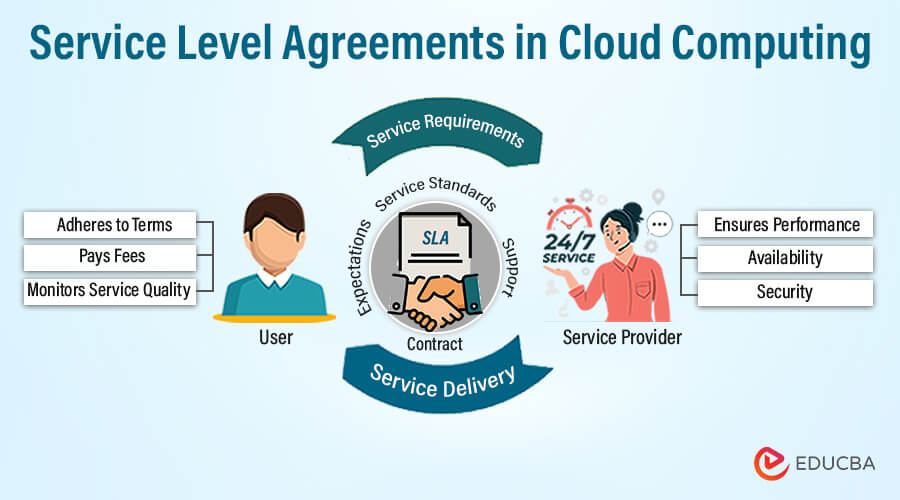
Downtime can be costly. Even a few minutes offline can disrupt operations and impact revenue. Look for service providers with robust uptime guarantees and transparent maintenance schedules. Implementing a backup plan can mitigate risks associated with downtime. Have you considered how a reliable cloud service can transform your business continuity strategy?
Integration With Existing Systems
Integrating cloud solutions with your current systems can seem daunting. Compatibility issues may arise, leading to delays and additional costs. Choose providers that offer seamless integration tools and support. Collaboration with your IT team ensures smooth transitions. How can you leverage integration to enhance operational efficiency?
Credit: www.educba.com
Future Trends In Cloud Computing
Cloud computing continues to evolve at a rapid pace. As technology advances, new trends emerge that shape its future. These trends influence how businesses use cloud services. They also impact the efficiency and capabilities of cloud solutions. Understanding these trends is crucial for businesses to stay competitive.
Edge Computing
Edge computing brings data processing closer to the source. This reduces latency and improves speed. Devices and sensors process data locally. This minimizes the need for data transfer to central servers. Businesses can achieve real-time data analysis. This enhances decision-making and responsiveness. Edge computing also increases security. Local processing reduces exposure to cyber threats. The demand for edge computing grows with IoT expansion.
Artificial Intelligence Integration
Artificial Intelligence (AI) enhances cloud capabilities. AI automates complex tasks. It improves data analysis efficiency. Machine learning algorithms provide insights quickly. Cloud platforms integrate AI to offer smart solutions. Predictive analytics and automation tools become standard. Businesses use AI-driven cloud services for strategic advantage. AI in cloud computing reduces human error. It also boosts productivity and innovation.
Hybrid And Multi-cloud Solutions
Hybrid and multi-cloud strategies offer flexibility. Businesses combine public and private cloud resources. This improves resource allocation and cost management. Multi-cloud environments prevent vendor lock-in. Companies use multiple cloud providers to diversify risk. Hybrid solutions allow seamless data transfer between clouds. This maximizes efficiency and agility. Enterprises adopt these strategies for better scalability.
Credit: www.linkedin.com
Frequently Asked Questions
What Are Cloud Computing Service Levels?
Cloud computing service levels define the range of services provided by cloud vendors. These levels include Infrastructure as a Service (IaaS), Platform as a Service (PaaS), and Software as a Service (SaaS). They offer varying degrees of control and flexibility to users.
How Do I Choose The Right Service Level?
Choosing the right service level depends on your business needs. Assess your requirements for scalability, control, and customization. IaaS offers maximum control, PaaS provides development platforms, and SaaS offers ready-to-use applications.
What Is Saas In Cloud Computing?
SaaS stands for Software as a Service. It delivers applications via the internet, eliminating the need for local installation. Users can access software from any device, benefiting from automatic updates and scalability.
Why Is Iaas Popular Among Businesses?
IaaS provides businesses with virtualized computing resources over the internet. It allows companies to scale infrastructure as needed. This flexibility and cost-effectiveness make it a popular choice for businesses needing dynamic resource management.
Conclusion
Cloud computing service levels simplify tech for everyone. They offer flexibility. Businesses can choose what fits their needs. This boosts efficiency. It also saves money. Understanding these levels is key for growth. It empowers businesses to adapt quickly. Service levels also enhance security.
They provide reliable backups. This protects important data. As technology evolves, cloud services will grow too. Businesses must keep learning. Staying updated is essential. The right cloud choice makes a big difference. It supports success and innovation. So, embrace cloud computing.
It’s a smart way forward.



