

Ever wondered how you can access your favorite apps and files from anywhere in the world? The secret lies in the development of cloud computing.
Imagine a world where you no longer need to worry about losing your important documents or running out of storage space on your device. With cloud computing, this world is not only possible but already here. As you dive into this article, discover how cloud computing has transformed the way you work, play, and connect.
Uncover the secrets behind its rapid growth and how it continues to revolutionize industries. By understanding this evolution, you can make smarter choices for your personal and professional digital life. Ready to explore the future of technology that’s already at your fingertips? Let’s get started.

Credit: www.researchgate.net
History Of Cloud Computing
Cloud computing began as a concept in the 1960s. It evolved significantly with the rise of the internet. By the early 2000s, companies like Amazon and Google introduced services, shaping modern cloud infrastructure. Now, businesses and individuals rely on cloud technology for storage and computing power.
The history of cloud computing is a fascinating journey that has transformed the way we interact with technology. From its humble beginnings to its current status as a cornerstone of modern IT, cloud computing has reshaped industries and personal computing alike. As you explore this history, you’ll gain insights into how each milestone contributed to the robust systems we rely on today.Early Beginnings
In the 1960s, the concept of cloud computing began to take shape. It was during this era that computer scientist John McCarthy suggested that computing could be organized as a public utility. This idea laid the groundwork for what would eventually become cloud computing. Fast forward to the 1970s, when the first virtual machines were introduced by IBM. This innovation allowed multiple users to share a single computer, paving the way for resource sharing, a crucial aspect of cloud computing today. The 1980s brought the emergence of the Internet, setting the stage for global connectivity. This development was vital for the evolution of cloud computing, allowing resources to be distributed over vast distances.Key Milestones
The 1990s saw a significant leap with the introduction of the World Wide Web. This opened up new possibilities for online services and applications, many of which would later transition to the cloud. In 1999, Salesforce launched as one of the first major companies to deliver applications over the internet, marking a pivotal moment in cloud computing. This move demonstrated the feasibility of delivering software as a service (SaaS). Amazon Web Services (AWS) entered the scene in 2006, offering cloud-based services to businesses. This was a game-changer, providing companies the ability to scale without investing in physical infrastructure. AWS’s pay-as-you-go model made cloud computing accessible to startups and enterprises alike. In recent years, cloud computing has become indispensable. Technologies like machine learning, big data, and IoT rely heavily on cloud platforms. The cloud continues to evolve, influencing how businesses operate and innovate. Think about your own life. How many cloud-based services do you use daily? From streaming music to storing photos, cloud computing has seamlessly integrated into our routines. As we look to the future, the history of cloud computing reminds us of its dynamic nature. What innovations will the next decade bring? How will they impact your world? Understanding the past helps us anticipate these changes and prepare for what’s next.Key Technologies Driving Cloud Computing
Cloud computing has transformed the way businesses operate. It offers flexibility, scalability, and cost-efficiency. Several key technologies drive this transformation. Understanding these technologies can help grasp the cloud’s impact on the digital world.
Virtualization
Virtualization allows multiple virtual systems on a single physical machine. It maximizes resource utilization and reduces costs. This technology enables efficient cloud service delivery. Users can access virtual resources anytime, anywhere.
Service-oriented Architecture
Service-Oriented Architecture (SOA) enables modular software design. It allows different services to communicate seamlessly. SOA enhances flexibility in cloud computing environments. Developers can integrate and manage applications easily.
Internet And Networking Advancements
Advancements in internet and networking are crucial for cloud computing. Faster internet speeds improve data transfer rates. Enhanced network infrastructure supports large-scale cloud services. Reliable connectivity ensures uninterrupted access to cloud resources.
Types Of Cloud Services
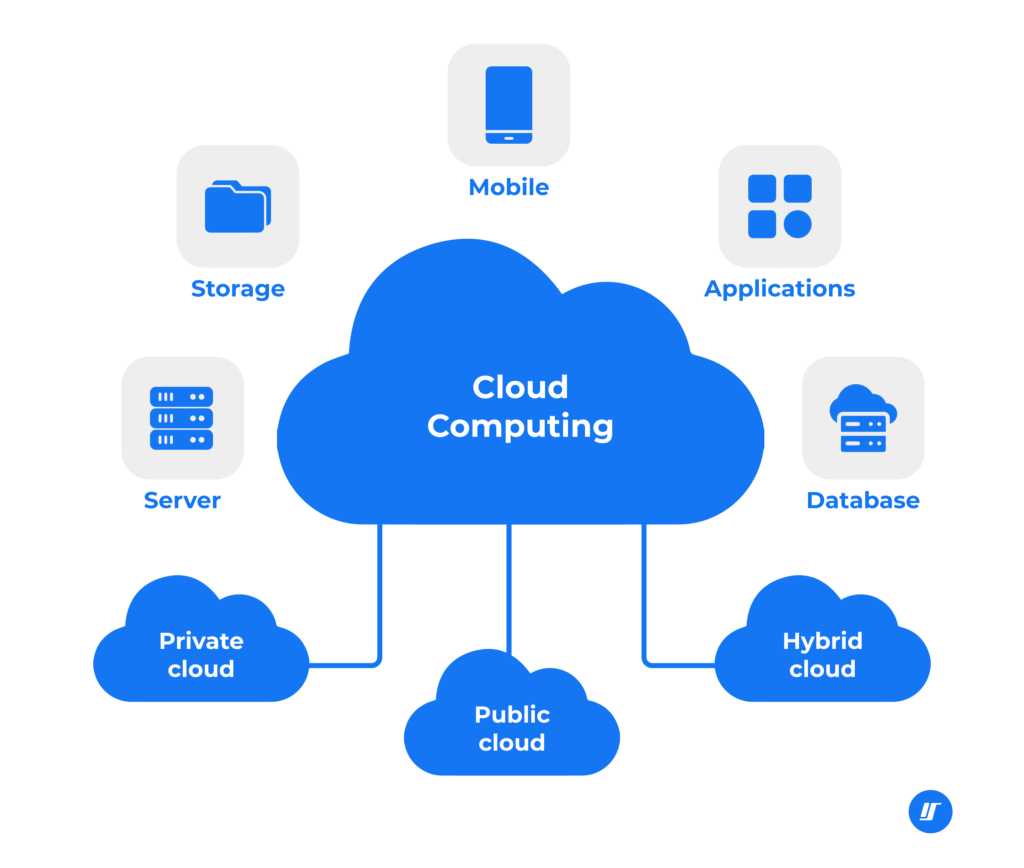
Cloud computing has transformed digital operations with diverse services like Infrastructure as a Service, Platform as a Service, and Software as a Service. These services cater to various business needs, offering flexibility and scalability.
Cloud computing has transformed how businesses operate, offering flexible and scalable solutions that cater to different needs. Understanding the types of cloud services is crucial for choosing the right solution for your business. There are three primary types: Infrastructure as a Service (IaaS), Platform as a Service (PaaS), and Software as a Service (SaaS). Each serves a unique purpose and can significantly impact your operations.Infrastructure As A Service (iaas)
IaaS provides the fundamental building blocks for cloud IT. It offers virtualized computing resources over the internet. You can rent IT infrastructure—like servers and storage—on a pay-as-you-go basis. This service is perfect for businesses looking to avoid the cost and complexity of buying and managing physical servers. Imagine having the power of an entire data center at your fingertips without the need for physical space or hardware maintenance. With IaaS, you control your operating systems and applications, while your provider manages the infrastructure. This allows you to focus on growth rather than hardware issues.Platform As A Service (paas)
PaaS goes a step further by providing a platform allowing you to develop, run, and manage applications without dealing with the infrastructure. This is ideal if you want to build and deploy apps efficiently. It offers a framework that developers can build upon to create customized applications. You can focus on coding and creativity without worrying about resource allocation or maintenance. PaaS is like having a fully equipped kitchen where you can whip up your favorite dish without worrying about cleaning up afterward. It’s efficient and lets you deliver applications quickly.Software As A Service (saas)
SaaS delivers software applications over the internet, on a subscription basis. This is probably the most familiar to you, as it includes services like email and customer relationship management tools. Access your software from any device with an internet connection. SaaS eliminates the need to install and run applications on individual computers. It’s like having your own personal assistant that handles tasks for you, allowing you to focus on what matters. SaaS offers convenience and reduces the burden of software maintenance and upgrades. Are you ready to adopt a cloud service that simplifies your day-to-day tasks? Choosing between IaaS, PaaS, and SaaS depends on your specific needs and goals. Each type offers unique advantages that can help you stay ahead in the fast-paced business environment. Which service aligns with your business strategy?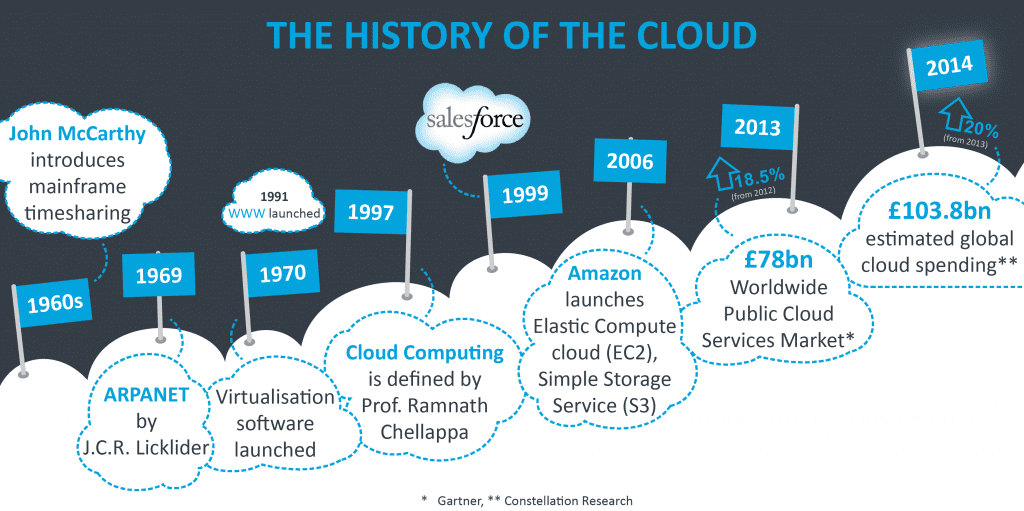
Credit: itchronicles.com
Advantages Of Cloud Computing
Cloud computing has transformed the way businesses operate. Its advantages make it an attractive option for many organizations. Whether you are a small startup or a large corporation, cloud services offer benefits that cater to different needs.
Scalability And Flexibility
Cloud computing allows businesses to scale resources quickly. This means you can adjust your storage or computing power as needed. Flexibility is another key feature. It allows you to access services from anywhere. This makes managing workloads easier and more efficient.
Cost Efficiency
Cloud services can reduce costs significantly. You pay only for what you use. This eliminates the need for expensive hardware. Maintenance costs are also lower, saving money over time. Cloud providers offer various pricing models to suit different budgets.
Enhanced Collaboration
Cloud computing improves collaboration among teams. It provides tools that enable real-time communication. You can share files and work on projects together easily. This enhances productivity and fosters teamwork. Remote workers can stay connected without any hassle.
Challenges In Cloud Adoption
Cloud computing is growing fast. But it brings some challenges too. Businesses must address these to use cloud services effectively. Security, compliance, and data management are key areas of concern. Let’s explore these challenges in detail.
Security Concerns
Security remains a top concern for cloud users. Sensitive data stored in the cloud attracts hackers. Unauthorized access can lead to data breaches. Businesses must ensure strong security measures are in place. This includes encryption, firewalls, and regular security audits. Keeping data safe is a continuous effort.
Compliance And Regulatory Issues
Cloud users must comply with various regulations. These rules vary by industry and region. Non-compliance can result in heavy fines. Companies must know the laws that apply to them. They need to ensure their cloud provider complies too. This requires thorough research and clear agreements.
Data Management Challenges
Managing data in the cloud is complex. Data is stored across various locations. This can make it hard to track and manage. Efficient data management tools are crucial. They help in organizing and retrieving data quickly. Data backup and recovery plans are also essential. This ensures data is safe and accessible.
Impact On It Infrastructure
The development of cloud computing has reshaped IT infrastructure significantly. Businesses now rely more on cloud services than on traditional hardware. This shift has transformed data centers and changed IT roles and skills. Let’s explore these impacts.
Transformation Of Data Centers
Cloud computing has decreased the need for large physical data centers. Companies prefer virtual servers, which are more efficient and cost-effective. Virtualization allows data storage and processing without bulky equipment. This reduces overhead and maintenance costs.
Scalability is easier with cloud services. Businesses can adjust their resources based on current needs. They pay only for what they use, saving money. Cloud providers handle security, ensuring data safety without extra effort.
Shift In It Roles And Skills
IT roles have evolved due to cloud computing. Traditional hardware skills are less in demand. Professionals now focus on cloud-based solutions and services. They learn new skills, like cloud architecture and management.
Teams are more agile, adapting quickly to changes. Collaboration is crucial as IT departments work with cloud providers. This requires clear communication and problem-solving abilities. Continuous learning keeps IT staff updated with cloud technologies.
Cloud computing offers numerous opportunities for IT professionals. They can specialize in areas like data analytics and cybersecurity. This transformation benefits both employees and businesses.
Future Trends In Cloud Computing
Cloud computing continues to evolve rapidly. The future holds exciting possibilities. Emerging trends promise to reshape industries. Businesses must adapt to stay relevant. Below are key trends to watch. They will influence the future of cloud computing.
Edge Computing
Edge computing brings data processing closer to users. It reduces latency and increases speed. Devices process data locally. This enhances performance and efficiency. Edge computing supports real-time analytics. Businesses can make faster decisions. It is crucial for IoT applications. It reduces reliance on centralized data centers.
Artificial Intelligence Integration
AI is merging with cloud computing. It enables smarter data analysis. AI tools automate complex tasks. This saves time and resources. Machine learning enhances cloud services. It provides personalized user experiences. AI-driven clouds improve security. They detect threats and respond swiftly.
Green Cloud Initiatives
Cloud providers focus on sustainability. Green initiatives reduce environmental impact. Energy-efficient data centers are emerging. They use renewable energy sources. Providers aim to cut carbon emissions. Green clouds attract eco-conscious businesses. Sustainability is becoming a priority. It helps build a better future.
Credit: www.intellectsoft.net
Frequently Asked Questions
What Is Cloud Computing Technology?
Cloud computing technology enables remote data storage and access. It offers scalable resources via the internet. This model allows businesses to use IT services without managing physical servers.
How Did Cloud Computing Evolve?
Cloud computing evolved from mainframe computing. Virtualization and SaaS models accelerated its growth. These innovations led to efficient resource management and widespread adoption.
Why Is Cloud Computing Popular Today?
Cloud computing is popular due to its scalability and cost-efficiency. It provides on-demand resources, reducing infrastructure costs. Businesses benefit from flexibility and improved collaboration.
What Are The Key Benefits Of Cloud Computing?
Cloud computing offers flexibility, scalability, and cost savings. It enhances data accessibility and collaboration. Its pay-as-you-go model optimizes resource allocation.
Conclusion
Cloud computing continues to grow and transform technology. It offers flexible and scalable solutions for businesses. People access data and applications from anywhere. This shift reduces costs and enhances efficiency. Security and privacy concerns remain, yet advancements address them. New services and innovations emerge regularly.
Businesses must adapt to stay competitive. Cloud computing shapes the future of digital infrastructure. Embrace its potential for improved operations. Stay informed on latest trends and updates. Its development impacts daily life and work, fostering global connectivity.



