Affiliate Disclosure: This post may contain affiliate links. If you purchase through links on our site, we may earn an affiliate commission at no extra cost to you.
Are you curious about the differences between an iPhone and a smartphone? You might be wondering if all smartphones are iPhones or if iPhones are just another type of smartphone.
Understanding this distinction can help you make better decisions when choosing a device that suits your needs. In this blog post, you’ll discover the unique features that set iPhones apart from other smartphones, so you can confidently decide which one deserves a spot in your pocket.
Whether you’re upgrading your device or simply satisfying your curiosity, this insightful comparison will guide you through the maze of tech jargon and marketing hype. Let’s dive into the world of mobile devices and uncover what makes an iPhone stand out from the crowd!
Defining Iphone And Smartphone
An iPhone is a specific type of smartphone made by Apple, known for its unique operating system, iOS. Smartphones include various brands like Samsung and Huawei, using different operating systems such as Android. While iPhones offer exclusive Apple features, other smartphones provide diverse options based on brand and design.
Understanding the difference between an iPhone and a smartphone can be a bit tricky, especially when both terms are often used interchangeably. However, there are distinct features and characteristics that set them apart. This section delves into these differences, helping you make informed decisions about your next gadget purchase.
What Is An Iphone?
An iPhone is a smartphone designed and manufactured by Apple Inc. It runs on Apple’s proprietary operating system, iOS, which offers a unique user experience with its sleek design and seamless integration with other Apple devices. Apple regularly releases new versions, each with innovative features that often set trends in the tech world.
Defining A Smartphone
A smartphone is a mobile phone that runs on an operating system, allowing it to perform many functions of a computer. Unlike iPhones, smartphones are produced by various manufacturers like Samsung, Google, and OnePlus. They can run on different operating systems, such as Android or Windows, offering a broad range of options to suit different needs and preferences.
Operating Systems: Ios Vs. Android
iPhones run exclusively on iOS, known for its user-friendly interface and strong security features. In contrast, most other smartphones use Android, which offers greater customization and flexibility. Think about what suits your lifestyle better: a streamlined, secure experience or a more customizable one?
Hardware And Design
Apple designs both the hardware and software for iPhones, ensuring a cohesive user experience. On the other hand, smartphones come from a variety of manufacturers, leading to a wide range of designs and hardware capabilities. Do you prefer the uniformity of iPhones or the diversity available in other smartphones? The App Store, exclusive to iPhones, is known for its rigorous app quality standards. Meanwhile, Google Play Store offers a larger selection of apps but with varied quality. Consider whether you value quality control or a wider app selection. iPhones are typically priced at a premium, reflecting their brand value and build quality. Smartphones offer a wider price range, from budget-friendly to high-end models. Think about how much you’re willing to spend and what features are most important to you.
Brand Loyalty And Status
Owning an iPhone is often seen as a status symbol, associated with a certain prestige. Smartphones, with their variety, cater to diverse user preferences and needs. Do you value brand prestige or a device that fits your unique lifestyle? Understanding these differences can guide you in choosing a device that aligns with your needs and values. Reflect on what aspects matter most to you—be it the operating system, design, app availability, or cost. What’s your take? Would you go for an iPhone or a different smartphone?
Operating Systems
When choosing between an iPhone and a smartphone, understanding the operating systems is crucial. The operating system is the software that powers your device, influencing everything from the apps you use to your overall user experience. Your choice can affect your phone’s performance and capabilities.
Ios Features
Apple’s iOS is known for its sleek design and simplicity. It offers a streamlined experience with regular updates that enhance security and functionality. Every app on iOS adheres to strict guidelines, ensuring a smooth and reliable performance. Have you ever noticed how your iPhone seamlessly integrates with other Apple devices? This ecosystem connectivity is a standout feature of iOS, making it ideal for those who already own multiple Apple products.
iOS also offers unique features like FaceTime and iMessage, making communication easy and fun. The App Store is another highlight, providing access to a wide range of applications, often with exclusive early releases. If you value privacy, iOS’s robust security features give you peace of mind.
Android And Others
Android, on the other hand, offers flexibility and customization. It supports a variety of devices from different manufacturers, giving you a wide range of choices. You can personalize your home screen, change themes, and even install custom ROMs. Have you ever wondered why some tech enthusiasts prefer Android? It’s the freedom to tweak and optimize the system to their liking.
Android also supports Google services seamlessly, which is a big plus if you use apps like Gmail or Google Drive. The Google Play Store offers a vast selection of apps, often with more free options than iOS. Additionally, Android has embraced innovative features like split-screen multitasking, enhancing productivity.
Other operating systems like Windows Mobile and Linux-based systems exist, but they occupy a niche market. These systems may offer unique features but often lack the app support and community that iOS and Android enjoy.
So, which operating system aligns with your lifestyle and needs? Consider the ecosystem, app availability, and customization options before making your choice. Your decision can shape your digital experience and even influence how you connect with others.
Hardware Design
When choosing between an iPhone and a smartphone, hardware design is key. The design affects usability, durability, and style. iPhones and smartphones have unique design features. Let’s explore these differences.
Iphone Build And Aesthetics
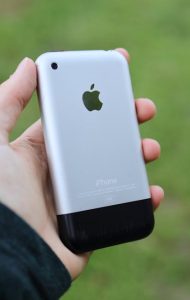
iPhones are known for their sleek, minimalist design. They usually feature an aluminum or stainless steel frame. The glass back adds a touch of elegance. Every iPhone model maintains a consistent design language. This consistency ensures familiarity for users. Apple’s attention to detail is evident in every corner. The buttons are tactile, providing a satisfying click. The color options are limited but carefully chosen. This creates a premium and unified look.
Variety In Smartphones
Smartphones offer a wide range of designs. Many manufacturers create phones with unique styles. These phones come in various sizes and shapes. You can find models with curved screens. Some have bezels, while others are bezel-less. Material choices differ, from plastic to metal. Color options are diverse, catering to personal tastes. Each brand aims to stand out with its design. This variety offers users more choices. You can pick a smartphone that fits your style.
Credit: medium.com
App Ecosystem
The app ecosystem is vital in the smartphone world. It determines the variety and quality of apps you can use. Different platforms offer distinct app experiences. iPhone and other smartphones have unique app ecosystems. These differences shape user experiences significantly.
Apple App Store
The Apple App Store is exclusive to iPhones. It offers over two million apps. Each app is reviewed by Apple before approval. This ensures security and quality for users. Apple prioritizes user privacy and strict guidelines. Developers must follow these rules closely. The App Store often features high-quality apps. Many developers prefer to launch apps here first. The iOS platform is known for its consistent updates. This ensures apps run smoothly on iPhones.
Google Play Store And Alternatives
The Google Play Store is the main app source for Android phones. It hosts over three million apps. Android offers more flexibility for developers. Apps can be published with fewer restrictions. This results in a wider variety of apps. Android users enjoy more customization options. Besides the Play Store, other app stores exist. These include Amazon Appstore and Samsung Galaxy Store. Each store offers unique apps and experiences. Users can choose based on their preferences.
User Experience
When choosing a mobile device, user experience plays a vital role. It influences how we interact with our devices daily. The iPhone and other smartphones offer distinct user experiences. Each has unique strengths and features. Understanding these differences can guide your choice.
Iphone Interface
The iPhone interface is known for its simplicity. Apple focuses on a clean, intuitive design. Icons are uniform and easy to recognize. The home screen is straightforward. Users can access apps quickly. The iOS system is consistent across all iPhones. This uniformity ensures a smooth experience. Updates are available for all users at once. This keeps the interface fresh and secure. Apple’s App Store is curated. This means safer, high-quality apps for users.
Smartphone Customization
Smartphones, especially those running Android, offer vast customization. Users can change the look of their home screens. Widgets can be added for quick information access. Different launchers can be downloaded. This changes the entire interface appearance. Android users can choose from a variety of app stores. This expands app choices beyond the default store. Customization extends to settings and features. Users can adjust battery use and notifications. This flexibility caters to diverse user preferences. It allows a personalized device experience.
Security Features
In the world of mobile technology, security is a crucial factor that influences our choices. Whether you own an iPhone or another type of smartphone, understanding their security features can help you protect your personal data. These devices use different security protocols and options to keep your information safe from unauthorized access. But what truly sets them apart?
Iphone Security Protocols
Apple has always prioritized security for its iPhone users. The iPhone has a robust system that includes regular updates to keep your device protected against new threats. Face ID and Touch ID are two advanced features that ensure only you can access your phone. Did you know Apple uses encryption to safeguard your data? This means your personal information is kept secure even if someone tries to intercept it.
One personal experience I had was losing my iPhone and worrying about sensitive data falling into the wrong hands. But Apple’s ‘Find My iPhone’ feature allowed me to remotely lock the device, keeping my information safe. How many other smartphones offer this level of security and peace of mind?
Smartphone Security Options
Smartphones, particularly those running on Android, offer a variety of security options. While some brands provide regular updates, others may not be as consistent. This can leave your device vulnerable to threats. Android phones often rely on third-party apps for additional security, which can be a double-edged sword.
For instance, many users appreciate the flexibility of customizing their security settings. But this flexibility can sometimes lead to weaker security if not managed properly. Have you ever considered how the apps you install might impact your phone’s security? It’s essential to be cautious and choose apps wisely.
As you compare iPhone and smartphone security features, ask yourself: How important is it for you to have consistent security updates? Would you prefer a device that offers built-in security features or one that allows more customization? These questions can guide you in making an informed decision that best suits your needs.
Price Range
Iphones usually have a higher price range than other smartphones. Their brand reputation and exclusive features contribute to this cost. In contrast, smartphones offer diverse choices, often at lower prices, catering to varied budgets and needs.
Understanding the price range of iPhones compared to other smartphones can be crucial when deciding which device to purchase. Price is often a deciding factor in your choice of tech, and both iPhones and other smartphones offer distinct pricing structures. Let’s explore how these options differ in terms of affordability and market diversity.
Iphone Pricing
iPhones are known for their premium pricing. Apple positions its devices as luxury items, often justifying higher costs with unique features and design quality. When Apple releases a new iPhone model, it often comes with a price tag that reflects cutting-edge technology and the latest innovations. For instance, the iPhone 14 Pro Max could be priced at over $1,000. Such pricing can be steep, but for many, the allure of Apple’s ecosystem and the prestige associated with owning an iPhone outweigh the cost. Have you ever considered if the price of an iPhone matches its value for you?
Smartphone Market Diversity
In contrast, the smartphone market is remarkably diverse, offering a wide range of prices. Whether you’re on a budget or looking for high-end specs, there’s likely a smartphone that fits your financial plan. Brands like Samsung, Xiaomi, and OnePlus offer flagship models with prices comparable to iPhones. However, they also provide mid-range and budget options that deliver excellent performance without breaking the bank. Imagine having the flexibility to choose a phone that fits your needs and budget. Would you prefer the freedom to choose or the reliability of a brand like Apple? The diversity in smartphone pricing means you can weigh features against cost more easily. Whether it’s a $300 device with great battery life or a $700 phone with an impressive camera, you have options. Ultimately, your choice between an iPhone and another smartphone might hinge on whether you prioritize brand loyalty or financial flexibility. What’s more important to you—brand prestige or value for money?
Brand Loyalty
Brand loyalty is a significant factor influencing your choice between an iPhone and other smartphones. It’s more than just liking a brand—it’s about trust, satisfaction, and a sense of belonging. But what makes Apple’s loyal fan base stand out from the diverse smartphone landscape? Let’s dig into the specifics.
Apple Ecosystem
Imagine having all your devices seamlessly connected—your phone, laptop, tablet, and even your TV. That’s the power of the Apple ecosystem. When you own an iPhone, you’re not just buying a phone; you’re stepping into a world where everything works together effortlessly. It’s like having a digital assistant that knows what you need before you even ask.
Picture this: You’re writing an email on your Mac, and suddenly, you need to leave your desk. No problem! You can continue on your iPhone exactly where you left off. This seamless experience fosters a loyalty that keeps Apple users coming back for more.
Have you ever been tempted to switch because of a shiny new feature from another brand? Apple’s ecosystem often convinces users to stick around. The convenience of having all your devices sync flawlessly is hard to give up.
Diverse Smartphone Brands
Now, let’s shift gears to the vast world of diverse smartphone brands. Unlike Apple, these brands offer a kaleidoscope of choices, catering to different needs and budgets. From Samsung to Xiaomi, each brand brings something unique to the table, fostering its own loyal fanbase.
These brands thrive on innovation and competition. They push the boundaries, offering features that might be missing in an iPhone. This diversity means you can find a phone that perfectly matches your preferences, whether it’s a superior camera, longer battery life, or a customizable interface.
Consider the freedom to switch brands without losing essential features. Does this flexibility appeal to you? With so many options, you can always find a device that suits your evolving needs.
In the end, brand loyalty can be a powerful influence on your smartphone choice. Are you drawn to the cohesive Apple ecosystem or the diverse offerings of other brands? Your choice might just reflect your personality and lifestyle.
Innovation And Updates
Innovation drives the tech world forward, especially in smartphones. iPhones and Android devices frequently update to stay ahead. This keeps users excited and engaged. Each platform has its own way of innovating. Let’s explore how iPhones and Android devices handle innovation and updates.
Apple’s Innovation Cycle
Apple follows a yearly update cycle for iPhones. Each year, a new model arrives with fresh features. This regular cycle keeps users eager for the latest iPhone. Apple focuses on hardware improvements and software enhancements. The seamless integration between devices is a priority for Apple. iOS updates are made available to many devices at once. This ensures a consistent user experience across models.
Android Advancements
Android offers a diverse ecosystem of devices. Many manufacturers create Android smartphones, each with unique features. This variety leads to frequent innovations in hardware and software. Android updates are not uniform like iOS. Manufacturers release updates at different times. This can lead to varied experiences across devices. Google’s Pixel phones often get updates first. This showcases new features and optimizations.
Frequently Asked Questions
What Is The Main Difference Between Iphone And Smartphone?
An iPhone is a type of smartphone specifically designed by Apple. It runs on iOS, while smartphones can run on various operating systems like Android, Windows, or others.
Is Ios Better Than Android For Smartphones?
IOS offers a smooth, user-friendly experience with consistent updates. Android provides more customization options and a wider range of devices, catering to different user needs.
Do Iphones Have Better Security Features Than Smartphones?
IPhones are known for robust security features. Apple regularly updates its security protocols, while many smartphones also offer strong security options but may vary by brand.
Are Iphones Generally More Expensive Than Other Smartphones?
IPhones are often priced higher due to brand value and premium features. However, many smartphones offer competitive pricing with similar functionalities.
Conclusion
Choosing between an iPhone and a smartphone depends on your needs. IPhone offers a seamless experience with its ecosystem. Smartphones provide diversity with various brands and features. Consider price and compatibility with other devices. Both have pros and cons. IPhones excel in design and user interface.
Smartphones shine in customization and variety. Focus on what matters most to you. Battery life? Camera quality? App availability? Each option serves different preferences. Explore different models. Make an informed decision. Your choice shapes your tech experience. Select wisely to match your lifestyle.