Imagine a world where your wristwatch not only tells time but also tracks your health, manages your schedule, and even connects you with loved ones—all while keeping up with the latest fashion trends. You’re already seeing glimpses of this future, but what’s next for wearable technology?
The possibilities are not only exciting but also potentially life-changing. As you dive into this article, you’ll discover how wearable tech is set to revolutionize your daily life, enhance your well-being, and reshape the way you interact with the world.
Prepare to uncover the innovations that promise to make your life more convenient, connected, and futuristic than ever before.
Advancements In Wearable Technology
Wearable technology is rapidly evolving, blending seamlessly into daily life. Smartwatches and fitness trackers now offer advanced health monitoring features. Future innovations may bring increased connectivity and personalization, enhancing user experience and improving healthcare efficiency.
Advancements in wearable technology are reshaping how we interact with the world. Imagine a future where your clothes not only make a fashion statement but also monitor your health. This isn’t a distant dream—it’s happening now. As technology evolves, so do the materials used in wearables.Innovative Materials
The latest wearables are crafted from materials that are both flexible and durable. Think about fabrics that stretch with your movements yet retain their shape. These materials are not only comfortable but also capable of conducting electricity. Self-healing materials are now on the horizon. These materials can repair themselves, extending the lifespan of your wearables. Imagine not having to worry about a scratch or tear in your smartwatch band. Sustainable materials are also gaining traction. More companies are using eco-friendly resources to create wearables. This shift not only benefits the environment but also appeals to eco-conscious consumers like you.Miniaturization And Design
Wearables are getting smaller and sleeker. Devices that once felt bulky are now designed to be almost invisible. This transformation makes it easier for you to integrate technology into your daily life without compromising style. Designers are focusing on aesthetics as much as functionality. The result? Wearables that you are proud to show off. Whether it’s a chic fitness tracker or a sophisticated smart ring, design plays a crucial role. Consider how miniaturization has changed the way you think about technology. Devices like hearing aids and heart monitors are now less intrusive, offering greater comfort and discretion. What does this mean for you? More freedom and a better user experience. Advancements in wearable technology are paving the way for a future where technology seamlessly integrates into your life. As materials become more innovative and designs continue to improve, the possibilities are endless. Are you ready to embrace this technological evolution?Health And Fitness Revolution
The health and fitness world is undergoing a transformation. Wearable technology is at the forefront of this change. Devices like smartwatches and fitness trackers are now essential tools. They offer insights that were once unimaginable. This revolution is reshaping how we approach our wellbeing.
Real-time Health Monitoring
Wearables provide instant health updates. Heart rate monitors are a common feature. Track your heart rate during workouts. Stress levels can also be tracked. These insights help maintain optimal health. Users can adjust activity levels based on real-time data.
Sleep trackers are now popular. They monitor sleep quality and patterns. Better sleep leads to better health. Wearables provide sleep insights for better rest. Real-time data empowers users to make informed health decisions.
Personalized Fitness Plans
Wearables customize fitness plans for individuals. Users set goals based on their needs. These devices track progress and suggest adjustments. Personalized plans keep users motivated. They make fitness goals achievable.
AI in wearables analyzes user data. It suggests workouts tailored to the user. This makes fitness plans more effective. Users can achieve results faster. Personalized fitness is now accessible to everyone.
Wearables In Professional Settings
Wearable technology is transforming professional settings. From smartwatches to AR glasses, these devices are changing how people work. They offer benefits that can enhance productivity and improve safety. Let’s explore how wearables are shaping the workplace.
Enhanced Workplace Productivity
Wearables improve productivity with real-time data access. Employees can receive updates without disrupting tasks. Smart devices help track time and manage schedules efficiently. This minimizes delays and boosts task completion rates.
Notifications and reminders keep workers on track. This helps avoid missed deadlines and improves workflow. Wearables also enable better communication. Quick messages can be sent and received, fostering teamwork.
Safety And Monitoring Applications
Wearables offer safety monitoring in workplaces. Devices can track vital signs and alert supervisors. This ensures quick response to health issues. Wearables can also monitor environmental conditions. They detect hazards, protecting workers from risks.
Location tracking helps in emergencies. Managers can locate employees quickly. This aids in evacuations and safety drills. Wearables contribute to a safer work environment. They promote health and security for all employees.
Credit: electrolube.com
Impact On Communication
Wearable technology transforms communication by making interactions more direct and immediate. Devices like smartwatches and AR glasses help users stay connected effortlessly. They enable quick messaging and calls, enhancing the way people share information and stay in touch.
Wearable technology is not just about counting steps anymore. It’s transforming how we communicate. With each new advancement, wearables are reshaping our interactions and connections. Imagine a world where your smartwatch not only alerts you of a message but also allows you to respond without saying a word. This is the future of communication with wearables.Seamless Connectivity
Wearables are breaking the barriers of traditional communication. Devices like smartwatches and earbuds are not just accessories; they are communication tools. They offer instant access to calls, texts, and emails, keeping you connected without reaching for your phone. Picture this: you’re in a meeting and get an urgent text. With a slight tap on your smartwatch, you can send a quick reply. This seamless connectivity is making communication more efficient and less intrusive. Wearables ensure you’re always in touch, whether you’re jogging or in a crowded subway. How would your daily interactions change with this level of connectivity?Augmented Reality Integration
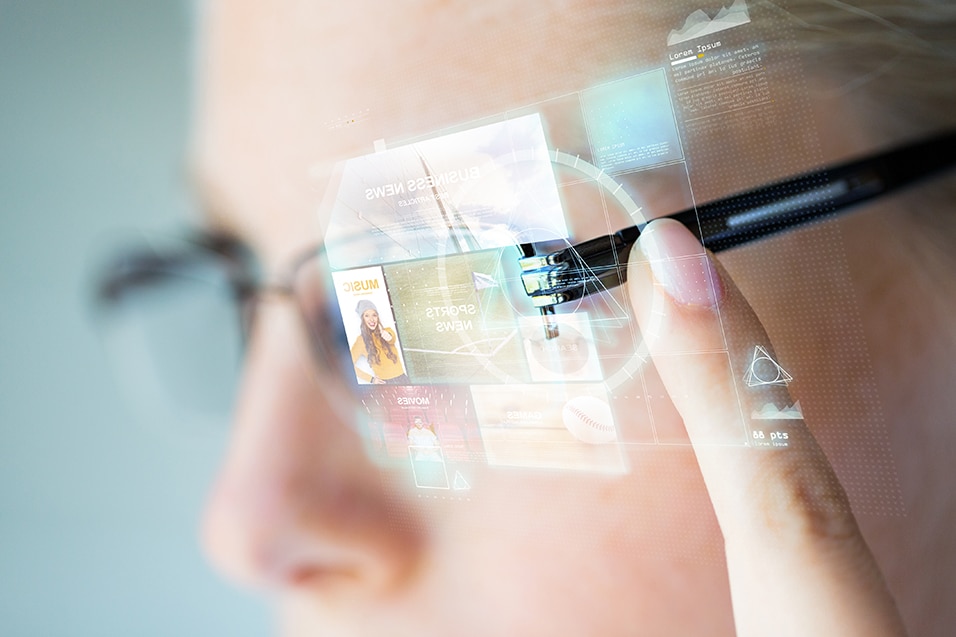
Augmented Reality (AR) is stepping into the wearable space, and it’s changing how we see and share information. AR-enabled glasses can overlay digital information onto the real world, enhancing communication. Imagine giving a presentation and your AR glasses display notes only you can see. This integration allows you to maintain eye contact and engage your audience better. Or consider AR translating a foreign language in real-time during a conversation. Such features are not just futuristic; they are becoming a reality. Would you embrace this tech to enhance your communication skills? The future of wearable technology is more than convenience. It’s about creating meaningful interactions and breaking down communication barriers. How ready are you to embrace these changes in your daily life?Privacy And Security Concerns
The future of wearable technology holds great promise. Yet, privacy and security concerns loom large. These devices collect sensitive data. Personal health metrics, location, and more. Protecting this data is crucial. Users need assurance their information is safe. Privacy breaches can have serious consequences.
Data Protection Challenges
Wearables gather vast amounts of data. This data is often stored in the cloud. Hackers target these data repositories. They seek valuable personal information. Wearables must have strong encryption methods. Encryption keeps data safe from unauthorized access. Regular software updates are also vital. Updates fix vulnerabilities and bugs.
Regulatory Frameworks
Governments are aware of privacy concerns. They create laws to protect users. These laws govern how data is handled. Companies must comply with regulations. Non-compliance can result in penalties. Regulations vary by country. Businesses need to navigate these complexities. Compliance ensures users’ trust and safety.
Sustainability In Wearable Tech
As wearable technology continues to evolve, sustainability has become a key focus. With concerns about environmental impact and resource depletion, the industry is shifting towards greener practices. You might wonder how your smartwatch or fitness tracker could be more eco-friendly. Let’s dive into how wearable tech is embracing sustainability and what that means for your next gadget purchase.
Eco-friendly Materials
Eco-friendly materials are transforming the wearable tech industry. Instead of traditional plastics, companies are now using recycled or biodegradable materials. Imagine wearing a device made from ocean-reclaimed plastic or sustainable bamboo.
These materials not only reduce waste but also appeal to consumers who value environmental responsibility. Next time you’re picking a wearable, consider its material impact on the planet.
Energy-efficient Designs
Energy-efficient designs are another game-changer in sustainable wearable tech. Devices now boast longer battery life, reducing the need for frequent charging. This means less energy consumption, benefiting both your electricity bill and the environment.
Some smartwatches even harness solar power, offering endless possibilities for energy sustainability. So, would you prefer a device that supports your lifestyle while conserving energy?
By prioritizing eco-friendly materials and energy-efficient designs, wearable tech is paving the way for a sustainable future. As consumers, it’s crucial to consider these aspects when purchasing new gadgets. Your choices can make a significant impact on the planet.
Future Trends And Innovations
The future of wearable technology is teeming with exciting trends and innovations that promise to reshape how we live and interact with the digital world. From AI-enhanced smartwatches to seamless device connectivity, these advancements are not just tech fantasies—they’re becoming reality. As you read on, consider how these developments might impact your daily routine, and prepare to be inspired by the potential these innovations hold.
Ai And Machine Learning
Imagine a smartwatch that knows you better than you know yourself. AI and machine learning are making this possible. These technologies enable wearables to analyze your habits and predict your needs. Just last week, my fitness tracker suggested a workout based on my activity levels and mood. It’s not just about tracking; it’s about anticipating.
Think about how AI-driven wearables can enhance your productivity. They can offer personalized advice, monitor your health, and even alert you to potential issues before they arise. Are you ready for a device that might save your life?
Interoperability Of Devices
Picture this: your smartwatch, smartphone, and smart home all working in perfect harmony. Interoperability of devices is the future we’re heading towards. This means smoother communication between your gadgets, making your life simpler and more efficient.
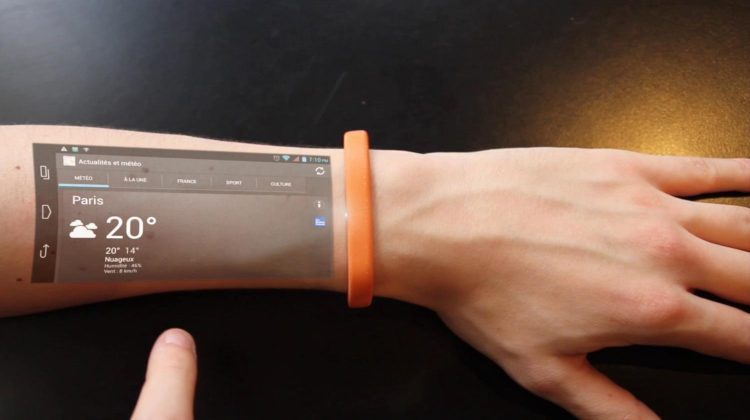
Have you ever struggled with syncing your devices? Soon, you won’t have to. Future wearables will seamlessly connect with everything in your digital ecosystem. This could mean controlling your home’s temperature or locking your doors with just a swipe on your wrist.
Consider how this seamless connectivity could streamline your daily tasks. How much time and effort could you save if all your devices worked together effortlessly?
These trends are not just about tech upgrades; they’re about enhancing your lifestyle. As wearables evolve, they’ll become indispensable allies in managing your health, productivity, and comfort. Are you prepared to embrace these changes and make them part of your life?
Credit: datafloq.com

Credit: vocal.media
Frequently Asked Questions
What Are The Benefits Of Wearable Technology?
Wearable technology offers numerous benefits, including health monitoring, fitness tracking, and enhanced connectivity. It provides real-time data, helping users make informed decisions about their well-being. Wearables can also improve productivity and convenience, offering features like notifications and navigation. These devices are increasingly integrating AI for personalized experiences.
How Does Wearable Tech Impact Healthcare?
Wearable technology significantly impacts healthcare by enabling continuous health monitoring. Devices like smartwatches track heart rate, sleep patterns, and activity levels. They provide valuable data for healthcare professionals, improving diagnosis and treatment. Wearables can also aid in chronic disease management and early detection of health issues.
What Trends Are Shaping Wearable Technology’s Future?
Future trends in wearable technology include advanced sensors, AI integration, and improved battery life. Augmented reality and virtual reality are becoming prominent, enhancing user experiences. Wearables are also focusing on sustainability and customization. The industry is moving towards more discreet, fashionable designs for everyday use.
Are Wearables Evolving Towards Smarter Devices?
Yes, wearables are evolving towards smarter devices with AI integration. AI enhances personalization, offering tailored recommendations and insights. Advanced sensors provide more accurate data. Smart wearables can predict health issues and offer proactive solutions. The evolution aims to make wearables indispensable in daily life.
Conclusion
Wearable technology continues to evolve rapidly. It offers exciting possibilities. Enhanced health monitoring is just one benefit. Convenience and connectivity also improve daily life. As devices get smarter, more people will adopt them. This growth brings new opportunities and challenges.
Privacy concerns need attention. Wearables might soon integrate seamlessly into our lives. They could become essential tools for many. Staying informed is crucial as the landscape changes. Future innovations promise to make wearables even more useful. An exciting journey lies ahead.
Embrace it and stay curious. The future of wearable technology looks promising and intriguing.