Affiliate Disclosure: This post may contain affiliate links. If you purchase through links on our site, we may earn an affiliate commission at no extra cost to you.
Have you ever wondered how long the smartphone has been part of your life? It’s fascinating to think about how these small devices have transformed the way you communicate, work, and entertain yourself.
Smartphones have become so essential that imagining a world without them seems impossible. But have you stopped to consider when they first appeared and how quickly they’ve evolved? You’ll discover the intriguing history of smartphones, uncover surprising facts, and understand the rapid advancement that has turned these gadgets into everyday necessities.
By the end, you’ll gain a new appreciation for the technology that sits in your pocket, and understand the journey it has taken to become such a vital part of your daily routine. Let’s dive into the timeline of smartphones and explore how they have become indispensable to you.
Early Beginnings
Smartphones have been around since 1992, with IBM’s Simon Personal Communicator being the first. It combined phone and PDA features, paving the way for modern devices.
The modern smartphone, with its sleek design and multifunctional capabilities, might seem like a relatively recent invention. However, its roots stretch back further than many realize. Understanding the early beginnings of smartphones offers a fascinating glimpse into how these devices evolved from mere concepts to the indispensable tools we rely on today.
The First Concept
The idea of a handheld device that could combine various functionalities was first imagined in the 1970s. One of the earliest visions of such a device came from Martin Cooper, a pioneer in wireless communications. Cooper, inspired by science fiction, dreamed of a portable device that could connect people wirelessly. In 1973, Cooper made the first-ever mobile phone call using a prototype he developed. This was a groundbreaking moment, even though the device was bulky and limited in function. Imagine holding a phone the size of a brick up to your ear today!
Early Mobile Communication
Mobile communication began to gain traction in the early 1980s. The first generation of mobile networks, known as 1G, allowed voice calls over cellular networks. These phones were far from smart by today’s standards, with their primary function being to make and receive calls. Despite their limited capabilities, these early mobile phones were revolutionary. They provided the first glimpse of what mobile communication could achieve. Reflect on how life might have been if these early innovations had not paved the way for the smartphones we use daily. As technology improved, so did the vision for mobile phones. The introduction of 2G networks in the 1990s brought digital encryption and text messaging. These advancements laid the groundwork for future developments and increased the demand for more sophisticated mobile devices. The journey from these early beginnings to the smartphones of today is a testament to human ingenuity and persistence. It’s incredible to think about how a concept rooted in science fiction has become an essential part of everyday life. What do you think the next stage of smartphone evolution will bring?
The First Smartphone
Have you ever wondered when the smartphone first appeared? It might surprise you to learn that the first smartphone was launched in 1994. Back then, it seemed futuristic and perhaps even a bit clunky. Yet, it laid the foundation for the sleek devices we use today. Let’s dive into the debut of the very first smartphone, the IBM Simon, and explore its unique features.
Ibm Simon’s Debut
In 1994, IBM introduced the Simon Personal Communicator, often considered the world’s first smartphone. You might think of it as a brick-shaped device with a black-and-white screen. Despite its bulky appearance, Simon was revolutionary at the time.
Imagine holding a device that combined a cell phone with a PDA. IBM Simon offered just that. It was a gadget ahead of its time, merging communication with basic computing functions. Would you believe it was sold for around $899 at launch? That’s quite a hefty price tag for the era!
Features And Innovations
Simon offered features that seem basic today but were groundbreaking in the ’90s. It included a touchscreen, allowing users to navigate without buttons. Do you remember the thrill of using touch technology for the first time? Simon brought that excitement to early adopters.
The device wasn’t just about calls; it could send and receive emails and even faxes. It included an address book, calendar, and appointment scheduler. These were features that transformed how people managed their daily lives. Can you imagine how liberating it was to have all this in one device?
Despite its limitations, Simon set the stage for future innovations in mobile technology. Its debut marked a pivotal moment, inspiring subsequent generations of smartphones. What innovations do you think will define the next era of smartphones?
Evolution In The 2000s
The 2000s marked a transformative era for smartphones. What was once a bulky device with basic functions evolved into a sleek, multifunctional gadget. This decade set the stage for the smartphone’s journey from being a luxury to an essential part of daily life.
Rise Of Touchscreens
Touchscreens changed the way you interact with your phone. Before the 2000s, smartphones had physical keyboards and buttons. The introduction of touchscreens allowed for more intuitive use and paved the way for more compact designs.
Remember the first time you swiped on a touchscreen? It felt like magic. Touchscreens made it possible to scroll through menus and apps with simple gestures. This was a game changer in user experience.
As touchscreens became widespread, manufacturers raced to offer larger displays without increasing the device size. It enhanced multimedia experiences, making watching videos and browsing the web more enjoyable.
Introduction Of Apps
Apps turned smartphones into versatile tools. Before apps, phones were limited to calls, texts, and a few built-in features. The launch of app stores opened up endless possibilities.
Apps are now a part of your routine. Whether you need to check the weather, navigate a city, or play games, there’s an app for everything. They transformed smartphones into personalized devices tailored to your needs.
Think about how apps simplified tasks. Need a flashlight? There’s an app for that. Want to track your fitness goals? Apps have got you covered. Apps brought convenience right at your fingertips.
As you reflect on the smartphone evolution, consider this: How has your daily life changed with these advancements? The 2000s laid the foundation for the smartphones you rely on today. Embrace the journey and look forward to what the future holds.
Credit: signinapp.com
The Smartphone Boom
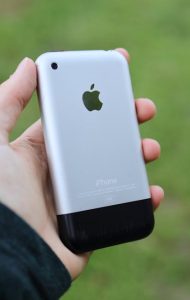
Smartphones have been a part of our lives since the first iPhone launch in 2007. This marked a new era in technology, changing how we communicate. Over time, phones evolved rapidly, becoming essential tools for daily tasks and connecting people worldwide.
The rapid rise of smartphones is nothing short of remarkable. Just over a decade ago, these powerful devices were a novelty, but today they are a staple in most people’s lives. You might remember the days when phones were just for calls, but now, they are our cameras, GPS, and even personal assistants.
Apple And The Iphone Revolution
In 2007, Apple launched the iPhone, and it was a game-changer. It wasn’t just a phone; it was a computer in your pocket. The iPhone’s sleek design and intuitive interface attracted millions. Suddenly, everyone wanted one. Do you recall the buzz when Steve Jobs revealed it? The touchscreen was a revelation, changing how we interact with technology. Apple set a new standard, and competitors had to catch up.
Android’s Entry And Growth
Not long after Apple’s big splash, Android entered the scene. It offered a different approach, focusing on open-source software. This allowed various manufacturers to create diverse devices, catering to different tastes and budgets. Android’s flexibility meant it could quickly adapt and improve. Soon, Android phones were everywhere, challenging Apple’s dominance. Today, Android powers a significant portion of smartphones worldwide. Isn’t it fascinating how competition fuels innovation? The smartphone boom reshaped our daily lives. From connecting with friends to managing work tasks, these devices are indispensable. As you hold your smartphone, think about its journey. What feature do you think is most revolutionary?
Technological Advancements
Smartphones have changed our world in many ways. Technological advancements have made them more powerful and useful. Understanding these changes can help us appreciate their impact.
Camera And Display Innovations
Early smartphones had basic cameras. They could only take simple photos. Now, smartphones have advanced cameras that rival professional ones. These cameras offer high resolution and multiple lenses. They capture stunning photos and videos.
Displays have also improved. Early screens were small and dull. Today’s screens are vibrant and large. They offer better color and clarity. Touchscreen technology has become precise and responsive. These changes enhance user experience.
Emergence Of 5g
5G has transformed mobile networks. It offers faster internet speeds. Downloads and streaming are quicker. 5G improves connectivity and reduces lag. Users enjoy smooth online experiences.
With 5G, smartphones can handle more data. This supports advanced applications and services. Gaming and virtual reality are more immersive. Mobile technology continues to evolve with 5G.
Smartphones In Daily Life
Smartphones have woven themselves into the fabric of daily life. They are not just gadgets; they are essential tools. They connect us, entertain us, and guide us. In a world constantly on the move, smartphones are our anchors.
Impact On Communication
Smartphones changed how we communicate. Texting replaced phone calls for quick chats. Social media became a platform for sharing moments instantly. Video calls make distant faces feel closer. Communication is faster and more interactive.
Changes In Lifestyle And Work
Smartphones altered daily routines and work habits. Shopping is now done online with a swipe. Banking is easier with mobile apps. Work meetings happen anywhere through video calls. Smartphones offer flexibility and convenience in our tasks.
Entertainment is at our fingertips. Music, movies, and games are accessible anytime. Reading news, checking weather, and even learning new skills are possible on-the-go. Smartphones make daily life adaptable and connected.
Future Prospects
Smartphones have existed for over two decades, with their roots tracing back to the late 1990s. As technology advances, these devices continue evolving, offering new features and improving user experiences.
The smartphone has become a staple in our daily lives, influencing how we communicate, work, and entertain ourselves. As technology advances, the future prospects of smartphones are exciting and filled with possibilities. These devices are not just about making calls or sending texts anymore; they are becoming more integrated into our lives, promising smarter and more efficient solutions. But what does the future hold for these pocket-sized powerhouses?
Emerging Technologies
Innovation in smartphone technology is relentless. You can expect to see more integration with artificial intelligence, making your phone smarter than ever. Imagine a phone that understands your preferences and anticipates your needs. Foldable phones are another exciting trend. They offer the practicality of a tablet with the portability of a phone. This is not just a gimmick; it’s a tangible shift in how you might interact with your devices. Augmented Reality (AR) and Virtual Reality (VR) are also poised to transform how you use your smartphone. Picture using your phone to virtually try on clothes or visualize how furniture looks in your living room. These technologies are not just fun; they are practical tools that can enhance your daily life.
Potential Challenges
As smartphones become more advanced, they also face significant challenges. Privacy concerns are at the forefront. With more data being collected, how can you ensure your information is safe? Battery life is another issue. While phones become more powerful, they also demand more energy. How can manufacturers provide longer-lasting batteries without making phones bulkier? Then there’s the problem of e-waste. With frequent upgrades, old phones often end up in landfills. How can you responsibly manage your old devices? The future of smartphones is promising, but these challenges need solutions. As technology evolves, how can you benefit from these advancements while addressing these concerns? The smartphone journey continues, and your role in shaping it is pivotal. Will you embrace these changes or resist them?
Credit: en.wikipedia.org
Frequently Asked Questions
When Was The First Smartphone Launched?
The first smartphone was launched in 1992. IBM introduced the Simon Personal Communicator. It combined a mobile phone with PDA features. It was revolutionary for its time. Simon included email, a calendar, and a touchscreen.
How Did Smartphones Evolve Over Time?
Smartphones have evolved significantly over the years. They now include advanced features like cameras, internet browsing, and apps. Initially, they had basic functions. Now, they are mini-computers. Technological advancements drive continuous innovation in smartphones.
Which Company Led Smartphone Innovation?
Apple and Samsung have led smartphone innovation. Apple’s iPhone was a game-changer in 2007. It introduced user-friendly touchscreens. Samsung followed with its Galaxy series. Both companies pushed technology boundaries. Their competition spurred industry-wide advancements.
Why Did Smartphones Become Popular?
Smartphones became popular due to their multifunctionality. They offer communication, entertainment, and productivity tools. Their portability and connectivity transformed everyday life. Apps and internet access provide endless possibilities. This convenience made smartphones essential.
Conclusion
Smartphones have come a long way since their debut. They started as simple tools for calls. Now, they are essential in daily life. The journey has been fascinating. From bulky devices to sleek, powerful machines. Each year brings new innovations.
But the core stays the same. Connection and convenience. Understanding their history helps appreciate their impact. Smartphones are not just gadgets. They are part of our culture. A window to the world. As technology evolves, smartphones will continue to shape our future.
Embrace the change. Stay curious about what comes next.