Affiliate Disclosure: This post may contain affiliate links. If you purchase through links on our site, we may earn an affiliate commission at no extra cost to you.
Imagine holding the world in the palm of your hand. That’s the magic of the smartphone.
It has revolutionized the way you connect, learn, and live. But have you ever paused to wonder how this incredible invention came to be? Understanding the journey of the smartphone’s invention can change the way you see and use it.
The fascinating stories behind its creation reveal the genius, struggles, and breakthroughs that led to the device you can’t live without today. As you explore these tales, you will gain a deeper appreciation for your smartphone and discover insights that could even change your daily habits. Ready to uncover the secrets behind one of modern life’s greatest inventions? Let’s dive in!
The Birth Of The Smartphone
Smartphones began with IBM’s Simon Personal Communicator in 1992. This device combined a phone and PDA features. Its touch screen and email access marked a significant step in mobile technology.
The invention of the smartphone marked a significant leap in technology, altering how we communicate, work, and even play. This compact device, which we often take for granted, has roots that trace back to the early days of mobile communication. Understanding the journey of the smartphone’s birth not only enriches our appreciation for it but also gives us insights into future technological advancements. Let’s take a closer look at how it all began.
The Humble Beginnings
The concept of combining a phone with computing capabilities was groundbreaking. In 1992, IBM unveiled the Simon Personal Communicator. It was the first device to merge the functions of a phone with those of a PDA. You might find it amusing that Simon had a touch screen and could send emails, a rarity in its time. Despite its innovation, Simon wasn’t an instant hit. It was bulky, with a short battery life. But it paved the way for what was to come. This early attempt showed the world that phones could do much more than make calls.
The Role Of Software Evolution
Software played a crucial role in shaping smartphones. In the mid-2000s, the development of mobile operating systems like Apple’s iOS and Google’s Android transformed phones into versatile devices. These platforms provided a foundation for apps, which extended the phone’s capabilities beyond imagination. Imagine your daily routine without apps. It sounds impossible now, doesn’t it? The ease of ordering food, navigating routes, or staying connected on social platforms became possible due to the software evolution.
The Influence Of Consumer Demand
Consumer demand was a driving force behind the rapid evolution of smartphones. People wanted more features, better connectivity, and stylish designs. Manufacturers responded by constantly innovating and improving their products. Think back to the first smartphone you owned. How did it compare to the one you have today? The difference is likely vast, showing how consumer needs have shaped technological advancements.
The Impact Of Connectivity
Connectivity is the lifeline of smartphones. The transition from 2G to 3G and now 5G has significantly enhanced data speeds and connectivity. This evolution has allowed smartphones to support high-quality streaming, real-time video calls, and seamless browsing. Have you ever wondered how many times you rely on your phone’s connectivity daily? From checking the weather to streaming your favorite show, connectivity has made smartphones indispensable. Understanding the birth of the smartphone helps us appreciate its impact on our lives. How do you think future innovations will transform the smartphones we use today? The possibilities are endless, and the journey continues.
Key Innovators
The invention of the smartphone transformed how we communicate and access information. Behind this innovation are key figures and companies that shaped the industry. Their vision and determination laid the foundation for modern smartphones. Let’s explore who these innovators are and what they contributed.
Pioneering Companies
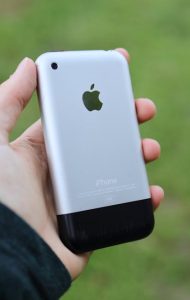
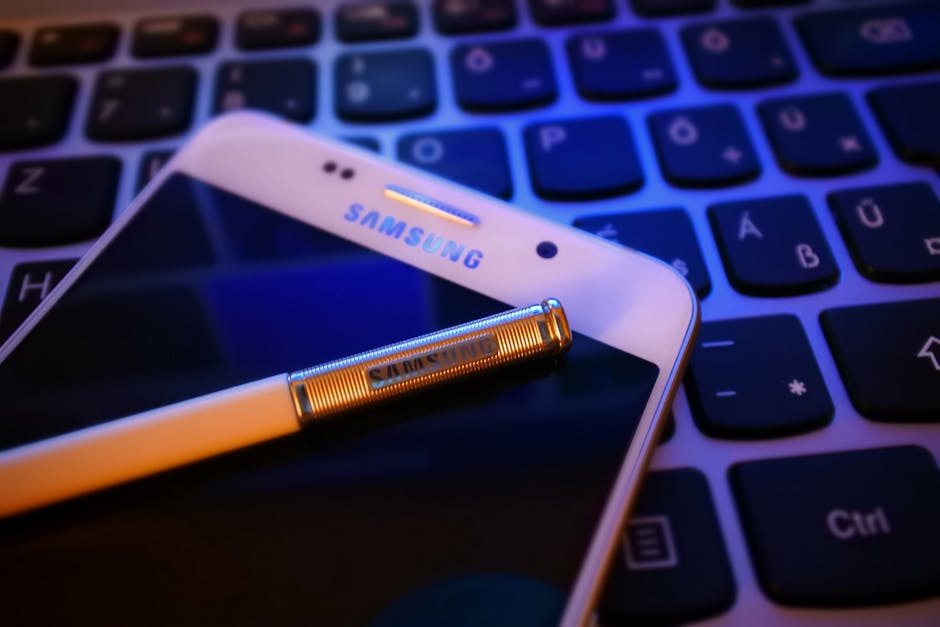
Several companies led the charge in smartphone development. Appleintroduced the iPhone in 2007, merging a phone with a mini computer. Its user-friendly design set new standards. Samsungfollowed with its Galaxy series, offering a variety of features. They focused on hardware advancements and diverse software options. Nokiawas an early leader, popularizing mobile phones globally. Their focus was on sturdy design and reliable communication.
Visionary Inventors
Visionary inventors played a vital role in smartphone evolution. Steve Jobsenvisioned a device that combined a phone with a media player. His leadership at Apple resulted in the iconic iPhone. Martin Cooperdeveloped the first handheld mobile phone in 1973. He worked for Motorola and emphasized portability. Andy Rubincreated Android, a flexible operating system. His vision allowed developers to create diverse applications for users.
Technological Breakthroughs
The invention of the smartphone marked a pivotal moment in technology. It changed how we communicate, work, and entertain ourselves. This innovation brought several technological breakthroughs. These breakthroughs include touchscreen technology and mobile operating systems.
Touchscreen Technology
Touchscreens transformed the way users interact with devices. Before smartphones, buttons dominated mobile devices. Touchscreen technology replaced physical buttons with virtual ones. Users can now swipe and tap to navigate. This made smartphones more user-friendly and efficient. Early touchscreens were resistive and less responsive. Capacitive screens improved response and accuracy. Multi-touch functions allow for gestures like pinch-to-zoom. These advancements enhanced user experience significantly.
Mobile Operating Systems
Mobile operating systems are the backbone of smartphones. They manage hardware and software interactions. Early smartphones had basic operating systems. Modern systems support complex applications and features. Android and iOS are the most popular platforms. They offer regular updates and security improvements. Users can download apps from stores to personalize their devices. These systems make smartphones versatile and adaptable. They enable seamless connectivity and multitasking.
Impact On Society
The invention of the smartphone has transformed society. It changed how we live and interact. Its impact reaches every corner of our lives. From communication to daily routines, smartphones hold a central role. Let’s explore their effect on society.
Changing Communication
Smartphones changed how people communicate. They made it faster and easier. Text messages, emails, and video calls are now at our fingertips. Distance is no longer a barrier to staying connected. Families and friends remain in touch across the globe. Social media apps offer constant interaction. People now share moments instantly. This new communication style links people like never before.
Influence On Daily Life
Smartphones influence daily life in many ways. They act as personal assistants. Calendars, reminders, and alarms help organize our schedules. Navigation apps guide us through unfamiliar places. Smartphones provide entertainment and news on demand. Streaming music, videos, and games are just a tap away. Online shopping is another convenience they offer. Smartphones make our lives more efficient and enjoyable.
Transforming Industries
Smartphones have changed how industries work by connecting people everywhere. Businesses now use apps for communication and selling products. Industries rely on smartphones to improve services and customer experiences, making tasks easier and faster.
The invention of the smartphone has undeniably transformed various industries, reshaping how we interact, work, and live. It’s more than just a communication device; it’s a powerhouse of possibilities. Imagine waking up one day without it—seems hard, right? This small gadget has not only changed our daily routines but also revolutionized industries across the globe.
Media And Entertainment
Smartphones have turned media consumption on its head. Remember the days when you waited for your favorite show on TV? Now, your smartphone lets you binge-watch anything, anytime. Streaming platforms like Netflix and Spotify thrive because of the smartphone era, offering you entertainment at your fingertips. The smartphone’s role doesn’t end with consumption; it empowers creation too. Amateur filmmakers and musicians use smartphones to produce content that can go viral overnight. Think about the last viral video you watched—wasn’t it shot on a smartphone?
Healthcare Advancements
Smartphones have been game-changers in healthcare. Imagine being able to consult a doctor through a video call without stepping out of your home. Telemedicine apps have made healthcare more accessible and convenient for you. Beyond consultations, smartphones help you monitor your health. Fitness apps track your daily steps, heart rate, and even sleep patterns. These insights encourage healthier habits—do you use any health apps to keep yourself in check? Consider the emergency situations where smartphones prove life-saving. In crisis moments, they enable rapid communication with healthcare professionals. Have you ever thought about how crucial your smartphone could be in an emergency? Smartphones continue to evolve, and their impact on industries is profound. How will they change the way you work or play next? The possibilities are endless, and as we adapt, so do our industries.
Global Connectivity
Smartphone invention transformed global connectivity, bridging distances and cultures effortlessly. It allows people to communicate instantly worldwide. Information access became easier, enhancing learning and collaboration across borders.
The invention of the smartphone has transformed how we connect with each other, breaking barriers across the globe. Global connectivity is no longer a distant dream but a reality that we live every day. Smartphones have made it easier to stay in touch, share experiences, and learn from diverse cultures. Let’s dive into how smartphones have bridged distances and fostered cultural exchange, making the world feel a bit smaller and more connected.
Bridging Distances
Smartphones have redefined the concept of distance. Today, you can video call a friend across the ocean as easily as if they were next door. This technology has not only kept personal relationships alive but has also been crucial in professional settings. Consider how businesses now operate. Meetings that once required expensive travel can now happen over a video call. This saves time, reduces costs, and speeds up decision-making. How has this impacted you? Have you found yourself working with colleagues from different parts of the world without ever leaving your office? Smartphones make this possible, offering a level of connectivity that was unimaginable a few decades ago.
Cultural Exchange
Smartphones are a window to the world. They allow you to explore cultures, languages, and traditions from the comfort of your home. Think about how social media platforms and apps have made cultural content accessible at your fingertips. You can learn a new language through an app or join a virtual cooking class to try a dish from another country. These experiences enrich your understanding and appreciation of diversity. Have you ever tried learning something new through your smartphone? This cultural exchange helps break stereotypes and build empathy. Engaging with other cultures through your smartphone not only broadens your horizons but also fosters mutual respect and understanding. In what ways have you seen the world differently because of your smartphone? Each swipe and tap is an opportunity to connect with someone halfway across the world, making the vast world seem like a community.
Challenges And Concerns
The invention of the smartphone revolutionized the way we communicate, work, and live. However, with these advancements come challenges and concerns that cannot be overlooked. As smartphones become an integral part of daily life, it’s vital to understand the privacy issues and digital addiction they bring along.
Privacy Issues
Smartphones have access to an incredible amount of personal data. From location tracking to contact lists, they hold sensitive information about you. This raises concerns about who has access to this data and how it is used.
Consider the apps you download. Many request permissions to access your photos, messages, and location. Do you ever wonder why they need this information? Or how secure it is?
Data breaches and unauthorized access can expose your personal life to strangers. It’s crucial to regularly check app permissions and be cautious about the information you share online.
Digital Addiction
Smartphones are designed to capture your attention. With constant notifications and endless scrolling, they can become addictive. How often do you find yourself checking your phone without realizing it?
Digital addiction affects your productivity and mental health. It can lead to anxiety and stress. Have you noticed how it impacts your interactions and focus?
Set boundaries for smartphone usage. Allocate specific times for checking notifications and social media. Create phone-free zones at home to encourage meaningful interactions.
Think about your smartphone habits. Are they helping you, or holding you back? Addressing these challenges can lead to a healthier relationship with technology.
Future Innovations
Smartphones have changed our lives. They are our connection to the world. As technology grows, smartphones will evolve. Future innovations promise exciting changes. New features and sustainability are at the forefront.
Next-gen Features
Imagine a phone that can fold. Companies are working on this now. Foldable screens offer flexibility. You can have a tablet and phone in one device. AI technology also enhances smartphones. It makes them smarter and more responsive. Virtual assistants will become more helpful. They will understand and predict your needs better.
Improved cameras will also be a focus. Future phones may capture better photos than ever. Enhanced zoom, low-light photography, and even 3D imaging are possible. These features will change how we take pictures.
Sustainable Technology
Phones impact the environment. Companies aim to reduce this. Sustainable technology is becoming important. Phones will use eco-friendly materials. This reduces waste and pollution. Battery life will also improve. Longer-lasting batteries mean fewer replacements. This helps the environment and saves money.
Recycling old phones is another focus. New programs will make it easier. You can return your old phone and help the planet. These efforts aim to make smartphones more sustainable for future generations.
Frequently Asked Questions
What Is The History Of Smartphone Invention?
The invention of smartphones dates back to the early 1990s. IBM’s Simon was one of the first smartphones, launched in 1992. It combined a phone and PDA, offering email, calendar, and touchscreen functions. This innovation laid the foundation for the smartphones we use today.
Who Invented The First Smartphone?
IBM is credited with inventing the first smartphone. The IBM Simon, introduced in 1992, was a groundbreaking device. It featured a touchscreen, calendar, and email capabilities, paving the way for future smartphone innovations.
How Did Smartphones Evolve Over Time?
Smartphones evolved from simple communication devices to multifunctional gadgets. Early models offered basic functions like calling and messaging. Over time, they integrated cameras, internet browsing, apps, and advanced computing capabilities, transforming how we communicate and access information.
What Technologies Enabled Smartphone Development?
Key technologies like touchscreen interfaces, microprocessors, and wireless communication enabled smartphone development. These advancements allowed for compact designs, enhanced user interfaces, and seamless connectivity. Over the years, innovations such as 4G and 5G networks further boosted smartphone capabilities.
Conclusion
The smartphone invention changed the world in many ways. It connects people easily. Access to information is now at our fingertips. Communication has become faster and more efficient. Smartphones also opened doors for new technology. Businesses, education, and healthcare have all benefited.
Daily tasks now require less effort. Creativity and innovation continue to thrive. The smartphone remains a vital tool in our lives. Its impact will only grow stronger with time. Embrace the possibilities it offers. Stay connected, informed, and inspired. The future with smartphones looks promising and exciting.