Affiliate Disclosure: This post may contain affiliate links. If you purchase through links on our site, we may earn an affiliate commission at no extra cost to you.
Have you ever wondered who is behind the little device that you can’t live without? The smartphone has revolutionized the way you communicate, work, and play, becoming an essential part of your daily life.
But who is the genius behind this incredible invention? Imagine holding the key to a world where you can instantly connect with anyone, access endless information, and capture memories in a snap. This article unravels the fascinating story of the inventor who dared to dream and shaped the future.
Discover the mind and motivation behind the creation of smartphones, and see how one person’s vision continues to impact your life in ways you might not even realize. Get ready to delve into the remarkable journey of innovation and find out what makes the inventor of the smartphone truly extraordinary. Are you curious to learn more? Keep reading, and let your intrigue guide you through this captivating tale.
The Birth Of The Smartphone
Martin Cooper, often credited as the inventor of the smartphone, made the first mobile call in 1973. This innovation paved the way for today’s smartphones, blending communication and technology seamlessly. His work set the foundation for devices that are now an essential part of daily life.
The journey to the smartphone that sits in your pocket today began with humble yet groundbreaking steps. It wasn’t just about making a call anymore; it was about connecting to a world of information at your fingertips. But how did we get from the clunky mobile phones of the past to the sleek, powerful devices we rely on today?
The Early Visionaries
In the late 20th century, a few visionary inventors imagined a future where a single device could do it all. These pioneers saw beyond the traditional phone’s capabilities. They believed a phone could be a mini-computer, a music player, and even a camera. This concept was revolutionary at a time when most people were still using rotary phones. Do you remember your first mobile phone? It was likely a brick compared to today’s standards.
The First Steps: Ibm Simon
The IBM Simon Personal Communicator, released in 1994, was the first attempt at a smartphone. It combined a mobile phone with a PDA (Personal Digital Assistant). It had a touchscreen and could send emails and faxes. At the time, this was groundbreaking technology. Imagine carrying a device that could send a fax right from your hand. It might seem basic now, but it was the dawn of something extraordinary.
The Role Of Software
The transformation of the smartphone was not just about hardware. Software played a crucial role in making these devices smart. Operating systems like Symbian, and later iOS and Android, transformed phones into versatile tools. These systems allowed developers to create apps, expanding what a phone could do. Think about the apps you use daily. They exist because of the software revolution that began years ago.
Breaking Barriers: The Iphone Era
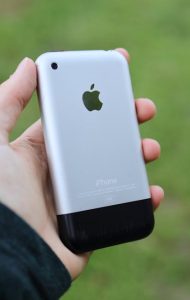
When Apple introduced the iPhone in 2007, it set a new standard. It was not just a phone; it was a lifestyle change. Its intuitive interface and app ecosystem opened doors to endless possibilities. Do you remember the first time you swiped an iPhone screen? It felt like the future had arrived, and it had. The iPhone’s success pushed other companies to innovate and compete, benefiting consumers worldwide.
Your Role In The Smartphone Story
As a user, you are a part of this ongoing evolution. Your feedback shapes the features and capabilities of future smartphones. Companies listen to what you like and dislike. Think about how you use your smartphone today. Are there features you can’t live without? Your preferences drive the next wave of innovation. The birth of the smartphone is a tale of vision, innovation, and collaboration. As technology advances, the story continues, with you as a central character. What do you hope to see in the next chapter of the smartphone saga?
Key Innovations In Smartphone Development
Smartphones have transformed how we communicate and interact. Several key innovations have driven this evolution. These innovations have shaped the smartphone’s functionality and user experience. They have made smartphones an essential part of our lives. Let’s explore these key innovations in smartphone development.
Touchscreen Technology
Touchscreen technology changed how we use smartphones. It replaced physical keyboards with a smooth, interactive display. Users can now tap, swipe, and pinch. This technology made devices more intuitive and user-friendly. Touchscreens also allowed for larger displays. This enabled better viewing experiences for photos and videos.
Mobile Operating Systems
Mobile operating systems are the backbone of smartphones. They manage hardware and software resources. Android and iOS are the most popular systems. Each offers unique features and user experiences. These systems allow users to customize their devices. They also support various applications and services. Mobile operating systems ensure seamless performance and security.
App Ecosystem Expansion
The app ecosystem has expanded rapidly. It offers a wide range of applications for users. From games to productivity tools, apps enhance smartphone functionality. They allow users to personalize their devices. App stores like Google Play and Apple App Store lead this expansion. They provide platforms for developers to distribute their creations. The variety of apps available caters to diverse user needs.
Smartphones And Social Connectivity
Inventor Smartphone transformed the way we connect. It bridges distances, enabling instant communication across the globe. This innovation enhances social bonds by keeping people connected through calls, texts, and social media.
Smartphones have transformed how we connect and communicate with the world around us. You might remember the days when staying in touch required a landline or a desktop computer. Now, with a smartphone in your pocket, reaching out is as simple as a tap. This unprecedented connectivity has reshaped social interactions, making them faster and more dynamic. Let’s dive into how smartphones have impacted social media, instant messaging, and video calling, turning them into indispensable tools for modern connectivity.
Impact On Social Media
Smartphones have made social media an integral part of daily life. You can share moments with friends and followers instantly, fostering a sense of community regardless of distance. Consider how platforms like Instagram and Twitter have evolved. With smartphone cameras, capturing and sharing high-quality images is effortless. Think about this: how often do you scroll through your feed to catch up on life updates? Smartphones let you be part of the conversation, anytime and anywhere.
Instant Messaging Evolution
Gone are the days of waiting hours for an email response. Instant messaging apps like WhatsApp and Messenger allow you to exchange messages in real-time. Remember the excitement of getting your first text message? Now, you can send photos, emojis, and voice notes instantly. This evolution has made communication more interactive. You can have group chats with friends or quick one-on-one exchanges. How has instant messaging changed your conversations?
Video Calling And Conferencing
Video calling has taken connectivity to a new level. You can now see and hear loved ones from across the globe. Apps like Zoom and FaceTime are not just for catching up with family; they’re essential for remote work and learning. Picture yourself in a virtual meeting with colleagues from different time zones. Smartphones make this possible, breaking geographical barriers. Have you noticed how video calls have changed your professional and personal relationships? Smartphones have redefined social connectivity, making it more immediate and personal. They enable you to stay in touch with loved ones, share experiences, and collaborate globally, all from the palm of your hand. How has your smartphone transformed the way you connect with others?
Smartphones In Business And Commerce
Smartphones have transformed the way businesses operate. They offer new avenues for communication and transactions. Many companies rely on them to engage with customers and manage operations. This shift has led to increased efficiency and flexibility. Below, we explore several key areas where smartphones impact business.
Mobile Banking And Payments
Smartphones simplify financial transactions. Mobile banking apps allow users to manage accounts anytime. People can check balances, transfer funds, and pay bills on the go. Businesses benefit from mobile payments, too. Customers can complete transactions quickly and securely. This convenience boosts sales and improves customer experience.
E-commerce Growth
Online shopping is more popular than ever. Smartphones play a huge role in this trend. Many people use their phones to browse and buy products. E-commerce platforms optimize their sites for mobile users. This ensures a smooth shopping experience. Businesses reach more customers by adapting to mobile commerce.
Remote Work And Productivity Tools
Smartphones support remote work. They enable employees to stay connected. Email, chat, and video calls are accessible from anywhere. Productivity apps help manage tasks and schedules. These tools increase efficiency and collaboration. Businesses can operate flexibly and respond quickly to changes.
Cultural Impacts Of Smartphones
Smartphones have transformed our lives in many ways. They have changed how we communicate, consume entertainment, and interact with different cultures. These devices have become essential to our daily routines. Their influence on culture is profound and far-reaching. Let’s explore how smartphones have reshaped communication norms, entertainment consumption, and cultural exchange.
Shifts In Communication Norms
Smartphones have redefined communication. People now text more than talk. Messaging apps are popular. They offer quick and easy interaction. Emojis express emotions. GIFs and memes add fun. Social media platforms are new meeting places. They connect friends and family globally. People share life moments instantly. Privacy has changed too. Many share details publicly. Communication has become more visual and immediate.
Influence On Entertainment Consumption
Entertainment is now at our fingertips. Streaming services are accessible anywhere. People watch movies and shows on the go. Music apps offer endless playlists. Podcasts are a new trend. They cater to various interests. Games are more interactive. Many play with others online. Smartphones have made entertainment diverse. Choices are abundant and varied. Content is personalized for users.
Globalization And Cultural Exchange
Smartphones bridge cultural gaps. People access global news instantly. They learn about different cultures. Apps provide language tools. They help with communication barriers. Social media connects cultures. People share traditions and customs. Cultural events are streamed live. Global collaboration is easier. Smartphones promote understanding. They foster unity in diversity. Cultural exchange is now a daily experience.
Credit: aleteia.org
Challenges And Concerns
Inventor smartphones often face challenges like balancing innovation with usability. Concerns about privacy and data security persist. High manufacturing costs can hinder widespread adoption.
In today’s digital age, the smartphone has become a vital tool. It connects us, entertains us, and keeps us informed. Yet, this powerful device brings several challenges and concerns. These issues affect users globally and need attention.
Privacy And Security Issues
Smartphones store a vast amount of personal data. This includes contacts, messages, and financial information. Protecting this data is crucial. Hackers can access sensitive information easily. Many apps request excessive permissions. Users often ignore these requests, risking privacy. Public Wi-Fi networks pose another threat. They make it easier for data interception. Users must stay alert and informed.
Digital Addiction
Smartphones are highly engaging. Many people spend hours on social media and games. This can lead to digital addiction. It affects mental health and productivity. People struggle to disconnect from their devices. Sleep patterns also suffer. Late-night screen time disrupts sleep cycles. Families and friends face communication gaps. Real-world interactions decrease. Balancing digital and real life is essential.
Environmental Impact
Smartphone production impacts the environment. Mining for rare minerals harms ecosystems. Manufacturing processes emit greenhouse gases. E-waste is another major concern. Many devices end up in landfills. Recycling rates are low. Toxic chemicals from phones pollute the soil and water. Sustainable practices can reduce this impact. Responsible consumption is vital for future generations.
Future Of Smartphones
The future of smartphones is a fascinating topic. It holds exciting possibilities. New technologies are shaping how we use these devices. From smarter AI to greener tech, change is constant. Let’s explore what’s next for smartphones.
Advancements In Ai And Augmented Reality
Artificial Intelligence (AI) is becoming more advanced. It helps improve smartphone functions. Voice assistants are getting smarter. They understand our needs better. Augmented Reality (AR) is also gaining ground. It blends digital elements with the real world. AR apps can change how we play games. They also enhance shopping experiences. The future of AI and AR in smartphones is bright.
Sustainability And Green Technology
Sustainability is a big focus in tech. Smartphones are no exception. Companies aim to reduce waste. They use more recycled materials. Energy-efficient designs are also popular. Solar-powered phones are in development. These steps help protect our planet. Green technology is the way forward for smartphones.
5g And Beyond
5G technology is already here. It offers faster internet speeds. This improves video streaming and downloads. But the journey does not stop at 5G. Researchers are exploring 6G networks. These future networks promise even more speed. They could change how we connect with the world. The future of smartphone connectivity is exciting.
Frequently Asked Questions
Who Invented The Smartphone?
The smartphone was invented by IBM. Their model, Simon Personal Communicator, launched in 1992. It combined phone capabilities with PDA features. It was the precursor to the modern smartphone. The IBM Simon laid the foundation for future advancements in mobile technology.
When Was The First Smartphone Released?
The first smartphone was released in 1992. IBM Simon was launched in August and marketed in 1994. It featured a touchscreen interface. It could make calls, send emails, and manage contacts. The release marked the beginning of the smartphone era.
What Features Did The First Smartphone Have?
The IBM Simon featured a touchscreen and PDA capabilities. It could make calls, send emails, and manage contacts. It also included a calendar, calculator, and address book. The device was ahead of its time, integrating multiple functions. These features paved the way for future developments in smartphones.
Why Is Ibm Simon Considered A Smartphone?
IBM Simon is considered a smartphone due to its multifunctionality. It combined telephony with PDA features. The device had a touchscreen interface. It could send emails and manage tasks. These capabilities were revolutionary, defining the smartphone concept.
Conclusion
The journey of smartphone invention is fascinating. It shows human creativity and progress. These devices changed how we connect and communicate. Every feature reflects innovation and dedication. Smartphones now are more than communication tools. They are part of daily life.
They help us learn, entertain, and stay informed. As technology evolves, smartphones will keep surprising us. They will adapt to our needs and desires. It’s exciting to imagine what comes next. New advancements await. Stay curious and embrace the future.
Smartphones will continue to shape our lives and experiences.