Affiliate Disclosure: This post may contain affiliate links. If you purchase through links on our site, we may earn an affiliate commission at no extra cost to you.
Have you ever traveled to a new country and found yourself wondering if your smartphone will keep you connected? With a roaming smartphone, you can stay in touch with friends and family, navigate unfamiliar streets, and access essential information without a hitch.
Imagine the peace of mind knowing your device works seamlessly, wherever you are. As you explore the ins and outs of roaming smartphones, you’ll discover the benefits, the cost-saving tricks, and how to ensure you stay connected effortlessly. Let’s dive into the world of roaming smartphones and empower your travels with the connectivity you need.
Global Connectivity Challenges
Traveling with your smartphone can be a liberating experience, keeping you connected to the world. However, global connectivity can pose several challenges. As you cross borders, these issues can affect how you use your device and access essential services.
Network Compatibility Issues
Not all smartphones work seamlessly across different countries. You might face network compatibility issues depending on your device and the local network technology. For instance, your 4G-enabled phone might only connect to a 3G network overseas.
Before you travel, it’s crucial to check if your phone is compatible with the network bands in your destination country. Manufacturers often list this information on their websites. Alternatively, consider purchasing a local SIM card to ensure connectivity.
High Roaming Charges
Roaming charges can quickly add up, turning your affordable trip into an expensive ordeal. Many travelers have been surprised by exorbitant bills after a short trip abroad. These charges typically include calls, texts, and data usage.
Consider activating a roaming package with your carrier before you leave. Many providers offer competitive international plans that can help you save money. Alternatively, use Wi-Fi hotspots whenever possible to minimize data usage.
Data Speed Limitations
Data speed can be a significant concern when roaming internationally. Networks in some countries may not offer the same speed you are accustomed to. Slow speeds can affect everything from streaming videos to browsing social media.
Using Wi-Fi is often the best way to ensure fast data speeds while traveling. Download essential apps and maps before your trip to avoid relying solely on cellular data. This strategy not only saves data but also ensures smooth connectivity.
Have you ever faced these challenges while traveling with your smartphone? What strategies do you use to stay connected without breaking the bank? Share your experiences in the comments below and help other travelers stay savvy and connected on their journeys.
Credit: gigs.com
Choosing The Right Mobile Carrier
Choosing the right mobile carrier for your smartphone is crucial, especially when you’re roaming internationally. It’s not just about finding the cheapest plan; you need a carrier that offers seamless connectivity, excellent customer service, and coverage where you need it most. Let’s dive into some key aspects that will help you make an informed choice.
International Plans And Offers
When traveling abroad, you want a carrier that provides attractive international plans. Look for options that offer unlimited data or discounted rates for calls and texts. Some carriers, like T-Mobile, offer free international roaming in certain countries. Check if your carrier has partnerships with local networks to ensure good service.
Consider your travel frequency. If you’re a globetrotter, investing in a global roaming plan might save you money in the long run. Compare offers from multiple carriers and read reviews to understand the real-world performance of these plans.
Understanding Coverage Maps
A carrier’s coverage map is your guide to knowing where you’ll have service. Before committing, examine coverage maps to see if your destination is well-covered. Verizon, for instance, provides detailed maps showing 4G and 5G availability in different regions.
Ask yourself: Will I be visiting remote areas? Coverage maps can reveal gaps in service in rural or mountainous locations. Don’t just rely on the map; check online forums and travel blogs for firsthand experiences. This ensures you’re not left stranded without connectivity.
Customer Service For Travelers
Good customer service can be a lifesaver when you’re traveling. Choose a carrier known for supporting travelers effectively. Consider their response time and willingness to resolve issues, especially when you’re abroad.
Imagine arriving in a foreign country and your phone doesn’t connect. A carrier with 24/7 support can quickly resolve this. Check if your carrier offers easy ways to contact them, like WhatsApp or live chat, without incurring hefty international call charges.
In the end, choosing the right mobile carrier is about balancing cost, coverage, and customer service. What’s most important for your travel needs? Evaluate these factors to ensure your smartphone remains your reliable travel companion.
Smartphone Settings For Roaming
Traveling with a smartphone is essential. Keeping it connected abroad is crucial. Roaming settings ensure seamless connectivity. These settings manage data, calls, and avoid extra charges. Understanding smartphone roaming settings helps in staying connected.
Activating Roaming Services
Check your phone settings before traveling. Enable roaming under mobile network options. Confirm with your carrier that roaming services are active. Some networks require manual activation. Ensure your phone supports international roaming.
Managing Data Usage
Data charges can be high abroad. Limit data usage to save costs. Use Wi-Fi whenever possible. Disable background app refresh. Turn off automatic updates. Monitor data usage in settings. Download maps and content in advance.
Avoiding Unexpected Charges
Unexpected charges can ruin your trip. Set data limits to avoid surprises. Track call and message costs. Switch off data roaming when not needed. Use local SIM cards for cheaper rates. Read your carrier’s roaming policy carefully.
Leveraging Technology For Better Roaming
Smartphones enhance roaming experiences by using advanced technology. This allows users to stay connected easily while traveling. Seamless internet access and reliable connectivity empower travelers to communicate and access online services effortlessly.
Traveling with your smartphone can be both exciting and challenging. The thrill of capturing new experiences on camera often gets overshadowed by the fear of skyrocketing phone bills. However, leveraging technology for better roaming can transform this narrative. Imagine having the freedom to share your adventures without worrying about costly data roaming charges. Let’s delve into how technology can make your travel experience smoother and more enjoyable.
Dual Sim Phones
Dual SIM phones are a game-changer for travelers. They allow you to use two different phone numbers on the same device. This means you can keep your home SIM card active for receiving calls and messages, while using a local SIM card for affordable data and local calls. Have you ever been on a trip and felt disconnected because you didn’t want to pay for roaming? Dual SIM phones solve this problem. By simply adding a local SIM, you can stay connected without breaking the bank. The flexibility they offer is unparalleled. As you explore new destinations, your communication remains seamless. Consider a dual SIM phone as your travel buddy that ensures you’re always just a call away from home.
Esim Technology
eSIM technology takes convenience a step further. Unlike traditional SIM cards, eSIMs are embedded within your phone. This allows you to download different carrier profiles without changing physical cards. Picture yourself in a bustling airport, juggling luggage and trying to switch SIM cards. With eSIM, you can avoid this hassle. Just scan a QR code, and you’re ready to use a local network. Are you worried about compatibility? Many modern smartphones support eSIM, making it a viable option for most travelers. It’s an effortless way to manage connectivity when hopping from one country to another.
Using Wi-fi For Connectivity
Wi-Fi is your best friend when roaming internationally. Connecting to Wi-Fi networks can save you from expensive data charges. Many places offer free Wi-Fi, from cafes to airports. Have you ever found yourself in a foreign city, desperately looking for directions? Using Wi-Fi for map services can be a lifesaver. It provides the information you need without consuming your mobile data. Think about how much you can save by using Wi-Fi for calls and messages. Apps like WhatsApp and Skype make it possible to communicate with loved ones at no extra cost. Next time you’re on the road, make Wi-Fi your go-to option for staying connected. In what ways have you used technology to enhance your travel experience? Embracing these advances can make your journey both memorable and affordable.
Apps For Seamless Travel
Travel smoothly with apps that make roaming easy on your smartphone. Stay connected, find directions, and explore local attractions. Effortlessly manage bookings, language translations, and currency conversions, ensuring a hassle-free journey.
Traveling with a smartphone can transform your journey, making it smoother and more enjoyable. With the right apps, you can communicate effortlessly, navigate new places, and manage your finances without a hitch. Let’s dive into the essential apps you need for seamless travel.
Communication Apps
Staying connected with family or friends while traveling is crucial. Apps like WhatsApp, Skype, and Viber allow you to make free calls and send messages over Wi-Fi, saving you from hefty roaming charges. Imagine landing in a new country and needing to let your loved ones know you’re safe. With these apps, you can quickly share your location, photos, or even video call, making them feel like they’re part of your adventure. Have you tried using a language translation app for chatting with locals? Google Translate and iTranslate offer real-time translation, breaking down language barriers and enriching your travel experience.
Navigation And Maps
Getting lost can be exciting, but not when you’re on a tight schedule. Reliable navigation apps like Google Maps and Maps.me are lifesavers, providing offline maps and step-by-step directions. Picture this: You’ve just arrived in a bustling city, and you want to find the best local café. With these apps, you can easily pinpoint your location, find routes, and discover nearby attractions. Did you know you can also check public transport schedules and avoid traffic jams with these tools? This ensures you spend more time exploring and less time commuting.
Currency Converters
Managing your money in a foreign country can be daunting. Currency converter apps like XE Currency and OANDA help you keep track of exchange rates in real-time. Consider the last time you struggled to convert prices in your head. With these apps, you can quickly calculate costs in your home currency, ensuring you stay within budget. They also offer features like historical charts and conversion rates for multiple currencies, perfect for comparing deals while shopping. Which of these apps have you already used on your travels? Or are there any you’re excited to try on your next trip?
Security Considerations
Roaming with your smartphone offers convenience and connectivity. Yet, it brings security concerns. Keeping personal data safe is crucial. Public Wi-Fi can be risky. Virtual Private Networks (VPNs) can help. Let’s explore these aspects for a safer roaming experience.
Protecting Personal Data
Smartphones contain sensitive information. Contacts, photos, and messages need protection. Enable strong passwords. Use biometric locks like fingerprint or face recognition. Regularly update your apps and operating system. Updates fix security vulnerabilities.
Consider encryption tools. They protect your data from unauthorized access. Backup your data frequently. This ensures recovery in case of loss or theft. Be cautious about sharing personal information online.
Avoiding Public Wi-fi Risks
Public Wi-Fi networks are convenient. They are also dangerous for your data. Cybercriminals often target these networks. Avoid accessing sensitive accounts on public Wi-Fi. Check for a secure connection symbol before connecting.
Disable automatic Wi-Fi connection. This prevents unintended connections to insecure networks. Use mobile data for essential transactions. It is usually safer than public Wi-Fi.
Using Vpns
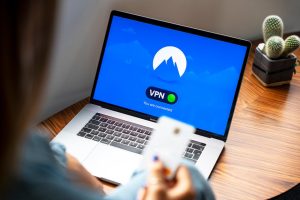
VPNs create a secure connection. They protect your data on public networks. VPNs encrypt your internet traffic. This makes it harder for cybercriminals to intercept it.
Select a reputable VPN provider. Make sure the VPN has strong encryption protocols. Remember, not all VPNs are created equal. Some may compromise your privacy. Research before subscribing to any service.
Future Of Global Roaming
Global roaming for smartphones is evolving with advanced technology. Users can expect faster connections and better coverage worldwide. Cost-effective plans may become more common, making it easier to stay connected while traveling.
The future of global roaming is rapidly evolving, fueled by technological advancements and changing consumer demands. As international travel becomes more common, the need for seamless connectivity across borders is more important than ever. The roaming landscape is set to transform, promising exciting opportunities for both service providers and users. Understanding these changes will help you navigate the evolving world of mobile connectivity and make the most of your travel experiences.
5g Impact On Roaming
The arrival of 5G technology is set to revolutionize global roaming. Imagine downloading a movie in seconds or having crystal clear video calls while walking through a foreign city. 5G offers faster speeds and more reliable connections, which means better service quality when you roam. This is not just about convenience; it’s about enhancing your travel experience. Service providers will need to adapt their infrastructure to support 5G roaming, leading to potential cost changes. Are you ready for the new era of lightning-fast connectivity?
Emerging Markets And Opportunities
Emerging markets like Africa and Southeast Asia present untapped potential for roaming services. These regions are seeing a surge in smartphone adoption and improved mobile networks. As more people travel to and from these areas, the demand for affordable and reliable roaming options will grow. This opens up opportunities for innovation in pricing models and partnerships with local carriers. Consider the last time you traveled to a less-developed region. Was your roaming experience satisfactory, or did you face challenges? Addressing these gaps can lead to better user experiences and new business avenues.
Regulatory Changes
Regulatory changes are shaping the future of global roaming. Governments and telecommunications bodies are working to make roaming more affordable and transparent. The European Union, for example, has already eliminated roaming charges within its member states. Similar changes might spread globally, impacting how you plan and budget for your trips. Are you familiar with the roaming regulations in your next travel destination? Being informed can save you from unexpected charges and improve your connectivity experience. As the landscape evolves, staying updated on these regulatory changes can help you make smarter choices.
Frequently Asked Questions
What Is Smartphone Roaming?
Smartphone roaming allows your device to connect to different networks when traveling. This service ensures you stay connected, even outside your home network’s coverage area. Charges may apply, so check with your provider for details on rates and plans before traveling internationally or across regions.
How Does Roaming Affect Data Usage?
Roaming can significantly increase your data costs, as it uses networks outside your provider’s coverage. Be mindful of your data usage while roaming, as charges can escalate quickly. Consider purchasing a roaming data plan or using Wi-Fi where available to manage costs effectively.
Can I Disable Roaming On My Smartphone?
Yes, you can disable roaming through your smartphone’s settings. Go to your device’s network settings and toggle the roaming option off. This helps avoid unexpected charges when traveling. Remember to enable it again if you need connectivity outside your home network area.
Are Roaming Charges Expensive?
Roaming charges can be costly, depending on your provider and travel destination. International roaming often incurs higher rates than domestic. To manage costs, explore roaming plans or use local SIM cards. Always check your provider’s roaming rates before traveling to avoid unexpected expenses.
Conclusion
Roaming smartphones have transformed our connectivity. We stay linked anywhere we go. They help us work, learn, and connect with ease. No more worrying about missing calls or messages abroad. Exploring new places becomes stress-free with smart devices. But remember, data costs can add up.
Always check your plan before traveling. Choose wisely to avoid surprises. Enjoy the freedom of seamless communication. Stay informed, stay connected, and make the most of your roaming smartphone. Embrace technology wisely for a smoother journey.