Affiliate Disclosure: This post may contain affiliate links. If you purchase through links on our site, we may earn an affiliate commission at no extra cost to you.
Imagine a world where machines handle the mundane tasks, freeing up your time for creativity and innovation. This isn’t a scene from a sci-fi movie; it’s the reality brought to life by the robotics and automation industry.
As you dive into this fascinating field, you’ll discover how it transforms businesses, boosts efficiency, and even shapes your daily life in ways you might not yet realize. Are you ready to explore how these technological marvels are not just changing industries, but also creating new opportunities for you?
Stay with us as we unfold the secrets of this rapidly evolving industry, and see how it could revolutionize your world.
Credit: ldi.upenn.edu
History Of Robotics
The robotics and automation industry has evolved significantly since its inception. Early innovations focused on simple machines, paving the way for complex technologies today. This progress shapes industries globally, enhancing efficiency and productivity.
The history of robotics is a fascinating journey through time, marked by human ingenuity and the relentless pursuit of innovation. From ancient myths to modern marvels, robotics has evolved from simple mechanical devices to complex automated systems that shape our daily lives. Understanding this history not only highlights our technological achievements but also offers insights into how you might be interacting with robots in the future.
Early Developments
The roots of robotics trace back to ancient civilizations. Ancient Greeks, for instance, spoke of mechanical men like Talos, a giant bronze figure that protected Crete. These stories reflect our age-old fascination with artificial beings. During the Renaissance, inventors like Leonardo da Vinci designed mechanical knights. His drawings showed intricate gears and pulleys, hinting at the potential of mechanical automation. This era laid the groundwork for the mechanical innovations that followed. The Industrial Revolution was a turning point. Machines began replacing manual labor, with devices like the Jacquard Loom showing how automation could enhance productivity. This shift raised questions: How far could machines go in mimicking human tasks?
Key Innovations
The 20th century brought about pivotal breakthroughs. In the 1950s, George Devol invented the first programmable robot, Unimate, which revolutionized manufacturing. Unimate’s ability to automate repetitive tasks paved the way for modern industrial robots. The field of artificial intelligence (AI) emerged next, expanding the capabilities of robots. AI-powered robots can now learn and adapt, performing complex tasks such as surgery and customer service. This integration of AI showcases the potential for robots to become even more autonomous. More recently, collaborative robots, or cobots, have entered the workplace. These robots work alongside humans, enhancing productivity without replacing jobs. Imagine a future where you work with a robot sidekick—how would that change your workday? As you reflect on these innovations, consider how each step in robotics history has shaped the tools and technologies you use today. What’s next in this ever-evolving field, and how will you be part of this exciting future?
Automation In Industry
Automation is reshaping industries worldwide. It brings efficiency and precision to complex tasks. The robotics and automation industry is at the forefront of this transformation. Businesses are adopting automated systems to enhance productivity. This change is evident in manufacturing and supply chains.
Manufacturing Transformation
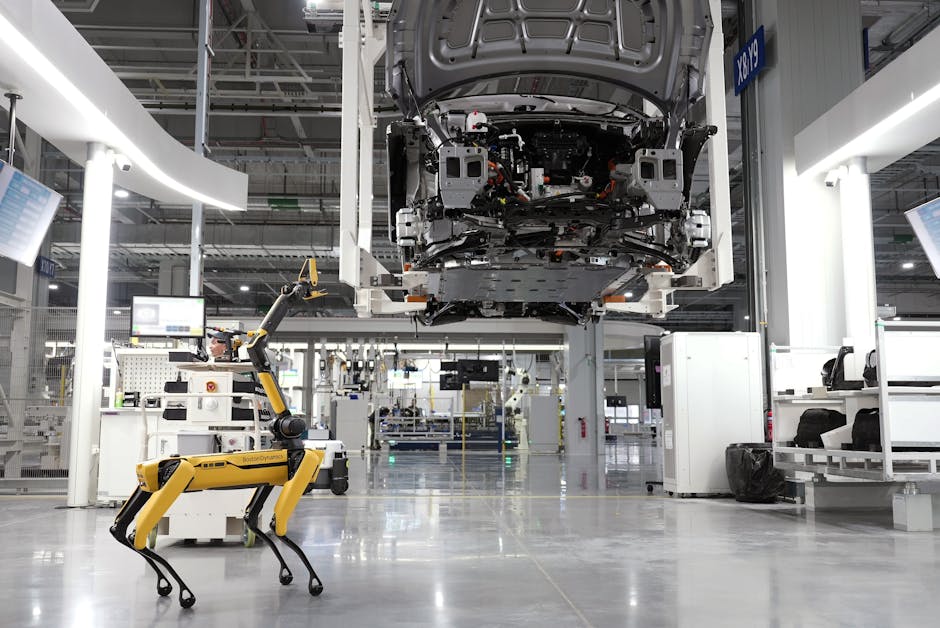
Manufacturing is undergoing significant changes due to automation. Robots now handle repetitive tasks with ease. They assemble products faster and with accuracy. This leads to higher quality and reduced errors. Factories benefit from increased output. Workers focus on complex tasks, enhancing their skills.
Automated systems streamline production processes. They integrate seamlessly with existing machinery. This reduces downtime and boosts efficiency. Automation also minimizes wastage. It ensures optimal use of materials and resources.
Impact On Supply Chains
Automation is changing supply chains drastically. It enhances inventory management with real-time updates. Automated tracking systems provide precise data. This improves forecasting and planning. Companies can reduce stock shortages and overproduction.
Logistics benefit from automation too. Autonomous vehicles and drones deliver goods swiftly. They reduce transport costs and increase delivery speed. Automated warehouses sort and pack items efficiently. This ensures quicker dispatch and satisfied customers.
Supply chains gain resilience with automation. Systems adapt to changes in demand swiftly. Businesses can respond to market fluctuations effectively. Automation ensures stable operations, even during disruptions.
Technological Advancements
Robotics and automation are transforming industries by improving efficiency and reducing manual labor. These advancements lead to faster production and improved safety. As technology evolves, more sectors benefit from automated solutions.
The Robotics and Automation Industry is evolving at a breathtaking pace, fueled by remarkable technological advancements. These innovations are reshaping industries, redefining what machines can achieve, and pushing boundaries like never before. As you dive into the world of robotics, you’ll discover how technology is not just enhancing productivity but also sparking creativity and innovation. Are you ready to explore the future of automation?
Ai And Machine Learning
Artificial Intelligence and Machine Learning are the engines driving modern robotics. They enable machines to think, adapt, and improve over time. Imagine a robot that learns from its environment, adapting to new tasks without human intervention. This is happening now. In manufacturing, AI-powered robots optimize production lines, reduce errors, and increase efficiency. They analyze data and make decisions faster than any human could. AI is also revolutionizing healthcare, with robots assisting in surgeries, providing precise movements that enhance patient outcomes. Think about how AI in your everyday life, like voice assistants, anticipates your needs. In the robotics industry, the potential is even greater, leading to smarter, more intuitive machines.
Sensor And Vision Systems
Sensors are the sensory organs of robots. They gather information from the surroundings, enabling robots to interact with the world. Advanced sensor systems are crucial for precision tasks, like those performed by robots in agriculture, where they detect plant health and adjust care accordingly. Vision systems are equally transformative, giving robots the ability to ‘see’ and understand their environment. Consider self-driving cars, which rely heavily on vision systems to navigate safely. These systems are constantly evolving, improving the accuracy and reliability of robotic perception. In industrial settings, vision systems help robots identify and sort materials, reducing the need for human oversight. What would you do with machines that can ‘see’ and react with such precision? The possibilities are endless. By embracing these technological advancements, you can transform industries, enhance productivity, and create new opportunities for innovation. What role will you play in this exciting future?
Applications Across Sectors
The robotics and automation industry is transforming many sectors. These technologies enhance efficiency, accuracy, and productivity. Their applications span numerous fields, reshaping traditional practices. Let’s explore their impact on healthcare, agriculture, and logistics.
Healthcare
Robotics in healthcare assists in surgeries. They provide precision and reduce human error. Automated systems manage patient data efficiently. They support doctors with accurate diagnostics. Robots also help in patient rehabilitation. They offer personalized therapy and constant monitoring.
Agriculture
Automation boosts crop production in agriculture. Drones survey fields and optimize planting. Robots handle tasks like planting and harvesting. They ensure timely and efficient operations. Automated systems monitor soil health. They guide farmers for better crop yields.
Logistics
In logistics, automation streamlines supply chains. Robots sort and pack goods faster. They reduce manual labor and errors. Automated vehicles transport products efficiently. They ensure timely deliveries. Systems track shipments in real-time. They improve inventory management.
Economic Impacts
Robotics and automation reshape industries, boosting efficiency and productivity. Businesses save on labor costs, increasing profits and economic growth. These technologies drive innovation, creating new job opportunities and transforming traditional sectors.
The robotics and automation industry is reshaping economies worldwide. Its influence stretches beyond technological advancements, reaching deep into the fabric of our job markets, productivity rates, and overall economic landscapes. The ripple effects are both vast and varied, sparking debates and innovations alike.
Job Market Shifts
The job market is witnessing a significant transformation due to robotics and automation. While some roles are being phased out, new opportunities are emerging in unexpected areas. Have you ever considered that a robot could create new jobs? Take, for instance, the rise in demand for robot maintenance technicians. These roles require human skills that machines cannot replicate. This shift encourages a workforce that is more technically skilled and adaptable. But what about those who lose their jobs to automation? Upskilling and reskilling have become vital. As a worker, learning new skills can open doors to roles in burgeoning tech fields.
Productivity Gains
Productivity is soaring with the integration of robotics and automation. Companies can produce more in less time, often with greater precision. This efficiency can lead to cost savings and increased competitiveness. Imagine a factory where robots handle repetitive tasks. Workers can then focus on quality control and innovation. This dual approach enhances product quality and operational efficiency. However, there’s a flip side. Increased productivity might lead to overproduction and resource depletion. How can businesses balance the benefits of automation with sustainable practices? It’s a question worth pondering. In conclusion, as you navigate the evolving landscape of robotics and automation, consider the broader economic impacts. These changes are not just about machines taking over; they are about adapting to a future where humans and robots work side by side, enhancing each other’s capabilities. How will you prepare for this new era?
Challenges And Concerns
The robotics and automation industry is growing rapidly. This progress brings several challenges and concerns. Understanding these issues is vital for businesses and consumers. As technology advances, ethical considerations arise. Security risks also become more prominent. Navigating these areas requires attention and insight.
Ethical Considerations
Robots are replacing human workers in many sectors. This change raises ethical questions. Is it fair to eliminate human jobs? Machines lack empathy. Can they make moral decisions? Privacy is another concern. Automated systems collect data constantly. How is this data used? Protecting individual rights is crucial. Businesses must consider these ethical dilemmas.
Security Risks
Automation increases efficiency but can pose security threats. Hackers target automated systems. Breaches can disrupt operations. Sensitive information might be at risk. Cybersecurity measures are essential. Securing networks prevents unauthorized access. Regular updates strengthen defenses. Vigilance is necessary to avoid potential risks.
Future Prospects
The robotics and automation industry is on the brink of a transformation. This sector is evolving rapidly, promising new opportunities for businesses and individuals. As technology advances, robots are becoming smarter and more efficient. Automation is streamlining processes across various industries. This progress impacts manufacturing, healthcare, and even everyday life.
Innovative Trends
Robots are now equipped with artificial intelligence. This allows them to learn and adapt to different tasks. Collaborative robots, or cobots, are becoming popular. They work alongside humans, enhancing productivity. These machines are safer and more efficient. They reduce the risk of workplace injuries. Another trend is the use of robots in healthcare. They assist in surgeries and patient care. This improves accuracy and reduces human error.
Global Market Potential
The global market for robotics is expanding. Companies worldwide are investing in automation. They aim to increase efficiency and reduce costs. Asia is leading in robotics adoption. Countries like China and Japan are at the forefront. Europe and North America follow closely. They are integrating robots in various sectors. This surge creates job opportunities in tech and engineering. As demand grows, more skilled workers are needed. This creates a robust job market for the future.
Frequently Asked Questions
What Is Robotics In Industry?
Robotics in industry refers to the use of robots to automate tasks. These robots enhance efficiency, productivity, and safety in manufacturing processes. They perform repetitive tasks with precision and can handle hazardous operations. Robotics helps in reducing human error, improving quality, and optimizing workflows in various industrial sectors.
How Does Automation Impact Productivity?
Automation significantly boosts productivity by streamlining operations and reducing manual interventions. Automated systems work tirelessly, increasing output and minimizing errors. They optimize resource utilization and improve accuracy in tasks. This leads to faster production cycles, reduced downtime, and enhanced overall efficiency in the robotics and automation industry.
Why Is Automation Important In Manufacturing?
Automation is crucial in manufacturing for enhancing efficiency and competitiveness. It reduces labor costs and improves precision in production. Automated systems enable faster processes, ensuring consistent quality. By minimizing human error, automation enhances product reliability and helps manufacturers meet increasing demands effectively, shaping the future of industrial operations.
What Are The Benefits Of Industrial Robots?
Industrial robots offer numerous benefits, including increased productivity and precision in tasks. They reduce labor costs and enhance workplace safety by handling hazardous operations. Robots can operate continuously, improving efficiency. They also help in reducing production errors, optimizing resource utilization, and ensuring consistent quality in manufacturing processes.
Conclusion
The robotics and automation industry is shaping the future. Technology evolves fast, creating new possibilities. Businesses adapt, using machines for efficiency and innovation. These advancements impact jobs, requiring new skills and training. Society benefits from safer, smarter environments. Challenges remain, but the potential is exciting.
Robots and automation simplify tasks, improving quality of life. The industry continues to grow, influencing various sectors. Stay informed, as change is constant and impactful. Embrace these developments and prepare for tomorrow’s opportunities. The journey is ongoing, with each step bringing progress and discovery.
The future holds promise. Let’s move forward together.