
Imagine your sensitive data floating in the vast space of the internet, accessible from anywhere but also vulnerable to lurking dangers. As you rely more on cloud computing to store your critical information, understanding the security threats becomes crucial.
It’s not just about protecting files; it’s about safeguarding your business, your reputation, and your peace of mind. You might wonder if your cloud provider is doing enough to keep your data safe. Or perhaps you’re curious about the risks involved when storing information in the cloud.
This article will explore the potential security threats in cloud computing and how they can impact you. By the end, you’ll have a clear understanding of what to watch out for and how to protect your valuable data. Get ready to secure your cloud space like never before!
Credit: infrasos.com
Cloud Computing Basics
Understanding the basics of cloud computing is crucial as it forms the backbone of modern digital infrastructure. Simply put, cloud computing allows you to access and store data and applications over the internet instead of your computer’s hard drive. It’s like renting storage space online rather than having a room full of filing cabinets.
One day, I realized I had forgotten my laptop at home during a business trip. But thanks to cloud computing, I accessed all my files on a hotel computer. This convenience is a game-changer, but it also comes with its own set of security challenges.
What Is Cloud Computing?
Cloud computing uses remote servers hosted on the internet to store, manage, and process data. It eliminates the need for physical storage and offers flexibility. Think of it as using a virtual machine that you can access from anywhere.
How Does Cloud Computing Work?
Cloud services are categorized into three types: IaaS, PaaS, and SaaS. Infrastructure as a Service (IaaS) provides virtualized computing resources over the internet. Platform as a Service (PaaS) offers hardware and software tools over the internet, while Software as a Service (SaaS) delivers software applications over the web.
Benefits Of Cloud Computing
- Cost Savings:Pay for only what you use, reducing unnecessary expenses.
- Scalability:Easily scale your resources up or down based on your needs.
- Accessibility:Access your data from anywhere with an internet connection.
Potential Risks
Despite its benefits, cloud computing is not without risks. Data breaches are a significant concern. Imagine losing sensitive information because of poor security practices. It’s crucial to be proactive in safeguarding your data.
Have you ever thought about the potential impact of a cloud service outage on your business? That’s another risk. If a cloud provider faces downtime, your access to data and applications could be interrupted.
Security Measures
To secure your cloud data, use strong passwords and enable two-factor authentication. Regularly update your software to patch vulnerabilities. Consider encryption to protect your data both in transit and at rest.
Is your data backed up? A reliable backup strategy ensures you can recover your data in case of a breach or loss. Regularly test your backups to ensure they’re functional.
Understanding the basics of cloud computing is your first step towards leveraging its power while safeguarding your data. Keep asking questions and seeking answers to enhance your knowledge and security.
Common Security Threats
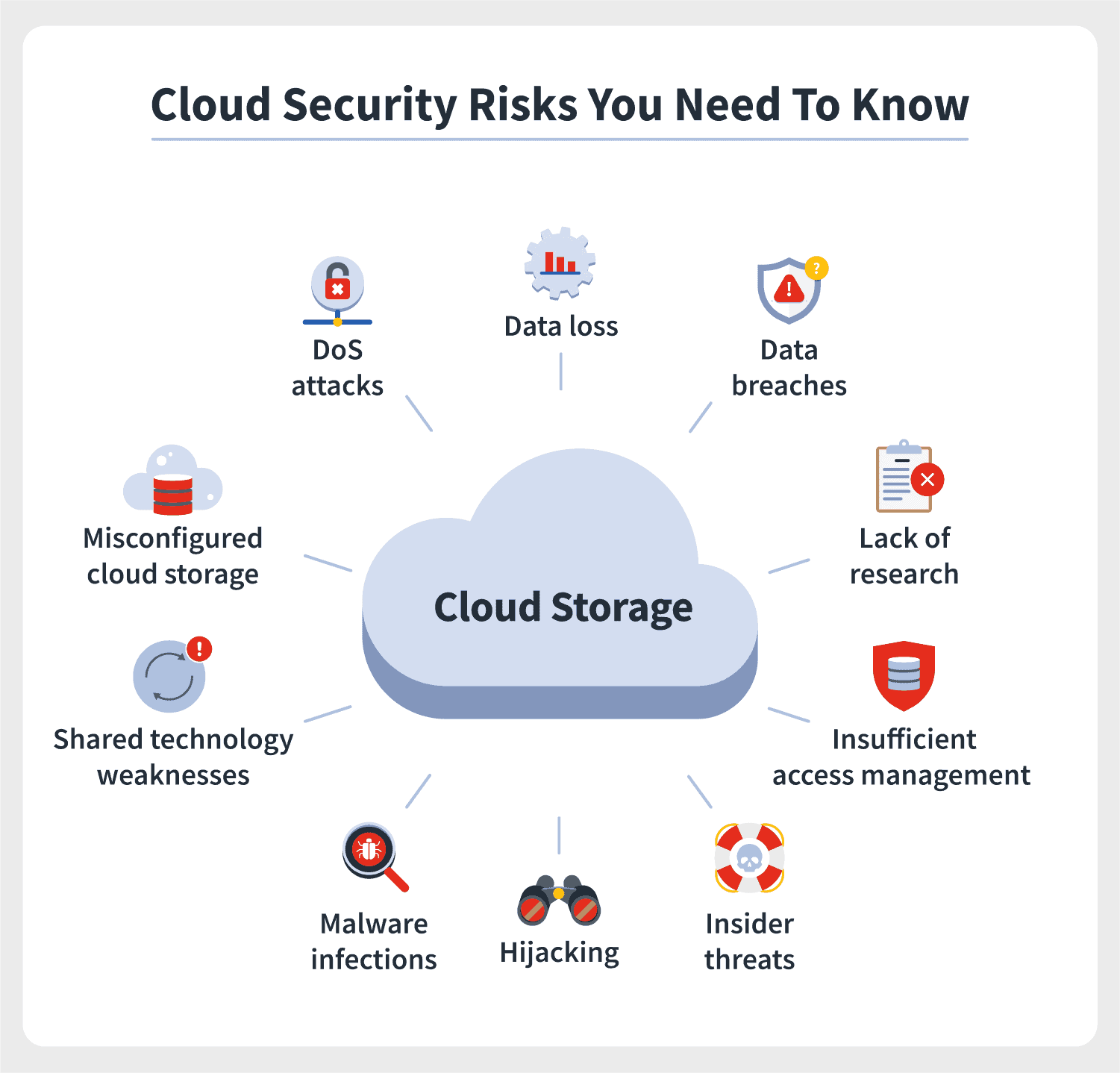
Cloud computing faces security threats like data breaches and insecure interfaces. These issues can expose sensitive information. Misconfigured servers and weak access controls also pose risks. Protecting data in the cloud is crucial for safety.
As more businesses move to the cloud, security threats become a growing concern. The convenience and scalability of cloud computing come with challenges that can impact your data’s safety. It’s essential to understand the common security threats you might face in the cloud to safeguard your information effectively.Data Breaches
Data breaches are a significant threat in cloud computing, affecting both small businesses and large corporations. When unauthorized users gain access to your sensitive information, it can lead to financial loss and damage to your reputation. Consider how a breach could expose customer data, resulting in loss of trust and potential legal consequences. Are you confident in your current security measures to prevent such breaches?Account Hijacking
Account hijacking occurs when attackers gain control of your cloud services account. This can happen through phishing attacks or poor password management. Imagine logging into your account to find unauthorized changes or data loss. You can prevent this by using strong, unique passwords and enabling multi-factor authentication. Do you have measures in place to detect suspicious activity in your accounts?Insider Threats
Not all threats come from outside your organization; insider threats can be equally damaging. Employees with access to your cloud systems may misuse their privileges, intentionally or accidentally. Have you ever considered how a disgruntled employee could compromise your data? To mitigate this risk, implement strict access controls and monitor user activities. Are you confident that your current policies minimize insider threats? Understanding these common security threats is crucial for protecting your cloud-based assets. By addressing these risks head-on, you can ensure your data remains secure and your business continues to thrive.Emerging Threats
As the digital landscape evolves, so do the threats that cloud computing faces. Emerging threats are changing the game, challenging businesses to stay one step ahead. These threats are not just theoretical—they’re happening now, and they demand your attention.
Consider the sophisticated strategies cybercriminals are using today. They’re not just trying to breach systems; they’re crafting long-term, stealthy attacks that can remain undetected for months or even years.
Advanced Persistent Threats
Advanced Persistent Threats (APTs) are the silent predators in the cloud world. They’re designed to go unnoticed, slowly gathering information over time. Think of them as digital spies lurking in your network.
APTs often target valuable data, such as intellectual property or customer information. They might even manipulate or sabotage your systems without your knowledge. One day, you could wake up to find sensitive data has been stolen, and you never saw it coming.
How can you guard against these stealthy adversaries? Regularly update your security measures and conduct thorough audits. Use threat intelligence to anticipate potential attacks and reinforce your defenses.
Ai-driven Attacks
Artificial Intelligence is not just a tool for innovation; it’s also being used to exploit vulnerabilities. AI-Driven Attacks are increasingly sophisticated, using machine learning algorithms to adapt and evolve.
These attacks can mimic legitimate user behavior, making them hard to detect. They might even create convincing phishing emails that look like they came from your trusted partners. Imagine clicking a link, thinking it’s safe, only to realize your data is compromised.
What can you do to counteract AI threats? Invest in AI-powered security tools that can analyze patterns and predict potential breaches. Educate your team about recognizing unusual activity and encourage them to report anything suspicious.
Have you ever considered how prepared you are for these emerging threats? The stakes are high, and the time to act is now. Strengthen your cloud security before it’s too late.

Credit: www.researchgate.net
Vulnerabilities In Cloud Infrastructure
Cloud computing offers flexibility. Yet, it also brings security challenges. One major concern is vulnerabilities in cloud infrastructure. These vulnerabilities can expose sensitive data. They can also disrupt services. Understanding these risks is crucial for protection.
Misconfigured Settings
Misconfigured settings are a common cloud vulnerability. They occur when default settings remain unchanged. Or when configurations are set incorrectly. Misconfigurations can open backdoors for attackers. They can lead to data breaches. Regular audits help prevent these issues. Automated tools can also detect and fix misconfigurations.
Shared Technology Risks
Cloud environments often share resources. This includes networks and storage. Shared technology risks arise from this setup. Vulnerabilities in one tenant can affect others. Attackers may exploit shared resources. Isolation techniques can reduce these risks. Proper segmentation ensures better security.
Impact Of Security Threats
Cloud computing faces serious security threats, affecting data protection and privacy. Cyberattacks, data breaches, and unauthorized access pose significant risks. Businesses must prioritize robust security measures to safeguard sensitive information.
The impact of security threats in cloud computing can be both immediate and far-reaching. When these threats strike, they can disrupt your operations, compromise sensitive data, and affect your bottom line. Understanding these impacts can help you better prepare and safeguard your assets.Financial Losses
Security threats in the cloud can lead to significant financial losses. Imagine waking up one morning to find your company’s data has been breached, and sensitive customer information is now in the hands of cybercriminals. This could result in hefty fines due to regulatory non-compliance and potential lawsuits from affected parties. Lost revenue is another direct consequence. If your cloud services are disrupted, your business may not be able to operate efficiently. This downtime can erode customer trust and push your clients to seek alternatives, affecting your sales and profitability. There are also costs associated with rectifying the breach. You might need to hire cybersecurity experts, invest in new security infrastructure, and conduct extensive audits to ensure such an incident doesn’t happen again. These expenses can strain even the most robust budgets.Reputation Damage
Security threats can tarnish your business’s reputation. Customers trust you to protect their data; a breach can shatter that trust. They may think twice before engaging with your services again, fearing their information isn’t safe. The news of a security breach can spread quickly, especially in today’s digital age. Negative publicity can result from media coverage and social media platforms, where users might share their dissatisfaction with a broad audience. This can lead to a loss of brand credibility. Once your reputation is damaged, rebuilding it can be a long and arduous process. You might have to invest in marketing and public relations campaigns to restore your brand image. Are you prepared to take on this challenge if a security threat hits your cloud systems? By anticipating these impacts, you can take proactive steps to mitigate them. Strengthening your cloud security measures is not just a technical necessity—it’s a strategic business move. What steps will you take to protect your cloud assets and maintain your business’s financial health and reputation?Strategies For Risk Mitigation
Cloud computing offers incredible flexibility and scalability, but it also brings security concerns that must be addressed. Implementing robust strategies for risk mitigation is crucial to protect your data and maintain trust with your clients. Let’s dive into two pivotal areas: encryption and data protection, and access management.
Encryption And Data Protection
Encryption is your first line of defense against unauthorized access to sensitive data. It transforms your data into a code that can only be unlocked with a specific key.
Imagine storing your valuables in a safe and handing out the combination to only trusted people. That’s encryption in a nutshell. By encrypting data both at rest and in transit, you ensure that prying eyes can’t easily make sense of your information.
Consider adopting advanced encryption standards like AES-256. It’s widely respected for its reliability and strength. Regularly update your encryption keys to stay ahead of potential threats.
Data protection extends beyond encryption. Implement backup solutions that provide redundancy. This ensures you have multiple copies of your data in case of accidental loss or malicious attacks.
If you’ve ever lost important files and had to scramble to recover them, you understand the value of reliable backups. They can save you from potential disasters.
Access Management
Controlling who can access your cloud resources is vital. Effective access management limits potential security breaches.
Utilize role-based access control (RBAC) to assign permissions based on a user’s role within your organization. This way, each person gets access to only what’s necessary for their tasks.
Think of it like a bouncer at a club; only those on the guest list get in. RBAC ensures that your cloud isn’t an open door to anyone.
Multi-factor authentication (MFA) adds an extra layer of security. Even if someone knows your password, they need a second factor, like a fingerprint or code sent to your phone.
Have you ever received a verification code while logging in? It might seem like a hassle, but it’s crucial for preventing unauthorized access.
Regularly audit your access logs to spot unusual activity. This proactive approach can help detect intrusions before they escalate.
How often do you check your cloud access logs? Neglecting them could leave you blind to potential threats.
By focusing on these strategies, you can significantly reduce risks and safeguard your cloud environment. What steps will you take today to enhance your cloud security?
Regulatory And Compliance Considerations
Cloud computing faces security threats that demand careful regulatory and compliance considerations. Protecting data requires following specific laws and industry standards. Organizations must ensure their cloud services meet these requirements to safeguard information against potential breaches.
Cloud computing offers vast opportunities but comes with security challenges. Regulatory and compliance considerations are crucial in safeguarding data. Organizations must navigate complex legal landscapes to ensure data protection. Failing to comply can lead to hefty fines or reputational damage. Understanding these regulations helps maintain security and trust in cloud environments.Gdpr Implications
The General Data Protection Regulation (GDPR) impacts cloud computing security. It mandates strict data protection measures for EU citizens. Companies must ensure data is stored securely and access is controlled. Non-compliance risks substantial fines. GDPR requires transparent data handling processes. Regular audits and updates are essential. Encryption and data anonymization are vital strategies. A robust data breach response plan is necessary. Organizations must appoint a Data Protection Officer. GDPR enhances trust by safeguarding personal information.Industry-specific Regulations
Different industries face unique regulatory challenges in cloud computing. Healthcare must comply with HIPAA. It demands stringent data protection for patient records. Financial sectors are governed by PCI DSS. It ensures security for payment card information. Each industry has specific compliance requirements. Tailored security measures are essential. Regular assessments help identify vulnerabilities. Implementing industry standards ensures compliance. Automation can streamline compliance processes. Training staff on regulations is crucial. Staying informed about changes in regulations is vital for security.Future Of Cloud Security
Cloud computing faces growing security threats as technology evolves. Hackers target data breaches and unauthorized access. Companies must strengthen defenses to protect sensitive information.
The future of cloud security is a topic that sparks both excitement and concern. As businesses increasingly shift to cloud-based solutions, understanding potential security threats becomes crucial. The landscape is evolving rapidly, and staying ahead requires vigilance, adaptability, and informed decision-making. As technology advances, so do the tactics of those looking to exploit it. Are you prepared for the changes on the horizon?Zero Trust Architecture
Zero Trust Architecture is gaining traction in cloud security. This approach assumes that threats could come from anywhere, even within your network. It requires verifying every request as though it originates from an open network. By implementing Zero Trust, you ensure that each user and device is authenticated and authorized. This minimizes the risk of unauthorized access. Imagine working in an office where every door requires a key card—this is Zero Trust in action. The beauty of Zero Trust is its adaptability. It can be integrated gradually, starting with critical areas. This way, you can enhance security without disrupting operations.Quantum Computing Challenges
Quantum computing presents both opportunities and challenges for cloud security. On one hand, it promises immense computing power. On the other, it could potentially break current encryption methods. Consider the encryption that protects your data today. Quantum computers could crack it in seconds. This is a daunting thought for businesses relying on cloud security. To address this, researchers are developing quantum-resistant algorithms. These aim to withstand the power of quantum computers. It’s essential to stay informed about these developments and prepare to adapt. As you navigate the future of cloud security, consider these emerging trends. Are you ready to embrace Zero Trust and prepare for quantum challenges? Engaging with these concepts now will help safeguard your cloud-based data in the years to come.
Credit: www.wiz.io
Frequently Asked Questions
What Are Common Cloud Security Threats?
Common cloud security threats include data breaches, account hijacking, and insecure interfaces. Misconfigurations can expose sensitive data, while vulnerabilities can be exploited by attackers. Unauthorized access and insider threats also pose significant risks. It’s crucial to implement robust security measures to mitigate these threats effectively.
How Do Data Breaches Occur In Cloud Computing?
Data breaches in cloud computing often occur due to weak security practices and inadequate encryption. Cybercriminals exploit vulnerabilities to access sensitive information. Misconfigured cloud settings can expose data unintentionally. Strong authentication and regular security audits can help prevent unauthorized access and data breaches.
Can Account Hijacking Affect Cloud Services?
Yes, account hijacking can significantly impact cloud services. Attackers gain unauthorized access to accounts, leading to data theft and service disruptions. Weak passwords and phishing attacks are common causes. Implementing multi-factor authentication and monitoring account activity can help prevent such incidents.
How Can Misconfiguration Lead To Security Risks?
Misconfiguration can expose sensitive data and applications to unauthorized access. It often results from human error or lack of security awareness. Automated tools can help detect and correct misconfigurations. Regularly reviewing security settings is essential to minimize risks and protect cloud environments.
Conclusion
Cloud computing offers many benefits. Yet, security threats remain a concern. Users must stay informed about potential risks. Regular updates and strong passwords are essential. Understanding vulnerabilities helps safeguard data. Educate your team about security best practices. Choose trusted cloud service providers.
They offer advanced security measures. Always back up important data. This ensures recovery in case of breaches. Vigilance is key in protecting cloud environments. Stay proactive, and prioritize security always. This way, you can enjoy the full benefits of cloud computing with peace of mind.