Affiliate Disclosure: This post may contain affiliate links. If you purchase through links on our site, we may earn an affiliate commission at no extra cost to you.
Have you ever wondered why your smartphone feels just right in your hand, or why some models seem too large or too small? The size of a smartphone isn’t just a matter of aesthetics—it’s a crucial factor that influences how you interact with your device every day.
Imagine the perfect smartphone that fits comfortably in your pocket, yet offers a dazzling display and powerful performance. Finding the right size can enhance your experience, making everything from browsing social media to watching videos more enjoyable. By understanding how smartphone sizes affect usability and functionality, you can make smarter choices when purchasing your next device.
Dive deeper into this topic to discover how the size of your smartphone can impact your daily life, and learn tips on selecting the best fit for your needs.
Smartphone Size Trends
Smartphone sizes are evolving as users demand larger screens for better viewing experiences. Compact models remain popular for their portability. Each size offers unique benefits, catering to diverse user preferences and needs.
The size of smartphones has always been a topic of intrigue and debate. As technology advances, so do our expectations and demands from our handheld devices. Have you ever wondered why the size of your smartphone matters? The answer often lies in how it caters to your daily needs, whether it’s for ease of use, portability, or a cinematic experience on the go.
Historical Evolution
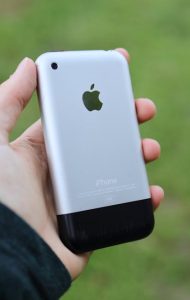
In the early 2000s, phones were primarily compact. The goal was to fit a phone comfortably in your pocket. As technology evolved, so did the need for larger screens. Remember your first smartphone? It probably had a small screen compared to what we use today. This was mainly due to the limited technology and the primary purpose of making calls and sending texts. By the mid-2010s, the trend shifted towards larger screens. This change was driven by the demand for more functionality, like browsing the internet and watching videos. Manufacturers started focusing on maximizing screen size while minimizing the overall footprint of the device.
Current Market Preferences
Today, the market is dominated by smartphones with screens ranging from 5.5 to 6.7 inches. This range seems to hit the sweet spot between usability and portability. Have you noticed how many of your friends opt for larger screens? It’s because they offer a better multimedia experience and are great for multitasking. However, there’s still a niche market for compact phones. Some users prefer them for their convenience and ease of use with one hand. Companies have started to notice this trend, offering “mini” versions of their flagship models.
Future Predictions
What does the future hold for smartphone sizes? One possibility is the growing trend of foldable phones. These devices offer large screens without compromising on portability. Imagine having a tablet-sized screen that fits into your pocket. Additionally, as technology progresses, we might see phones becoming even more integrated into our daily lives. Will they become more like wearable devices? The possibilities are endless, and it all depends on what you, the consumer, demand. As you consider your next smartphone purchase, think about how the size of the device impacts your daily life. Do you value a larger screen for media consumption, or do you prioritize portability? Your preferences will help shape the future of smartphone design.
Factors Influencing Size Choice
Choosing the size of your smartphone is not just a matter of personal preference. It’s influenced by a variety of factors that can greatly impact your daily life. From the technology packed inside to how you use it day-to-day, your smartphone’s size can say a lot about you. Let’s dive into what shapes these choices.
User Demographics
Age, gender, and even geographic location can play a huge role in your smartphone size preference. Younger users often prefer larger screens for gaming and streaming. Older adults might lean towards smaller devices for ease of handling.
Think about your friends. Do they use their phones differently based on their age or lifestyle? This is a key factor that can guide your choice.
Technological Advancements
Every year, new tech makes smartphones more powerful. Better batteries, faster processors, and clearer displays mean bigger devices. Yet, technology is also making smaller phones smarter and more efficient.
Have you noticed how folding phones are gaining popularity? They offer large screens that fold into smaller sizes, blending technology and convenience.
Lifestyle Considerations
Your daily routine can significantly influence your smartphone size choice. If you travel often, a smaller phone might be easier to carry. For business professionals, larger screens might help with multitasking.
Consider what you do most with your phone. If reading or watching videos is a big part of your routine, a larger screen could enhance your experience.
So, what drives your smartphone size choice? Is it the latest tech, your lifestyle, or maybe the demographic trends you fit into? Whatever it is, make sure your decision fits your unique needs.
Impact On User Experience
The size of your smartphone can greatly impact your user experience in surprising ways. It’s more than just a choice between a large screen and a compact device. The dimensions of your phone influence how you interact with it daily. Think about the ease of carrying it around, the clarity of what you see, and how long it lasts on a single charge. These factors can change how you feel about your smartphone. Let’s dive into how these elements affect your everyday life.
Portability Vs. Functionality
Imagine you’re rushing to catch a bus, and your phone slips effortlessly into your pocket. That’s the beauty of a portable smartphone. Smaller phones are easy to carry and manage. But do they offer the same functionality as larger ones? Larger phones often come with advanced features that enhance productivity. Consider how much you value portability compared to the ability to multitask on a bigger screen. Does a compact phone fulfill all your needs, or do you crave the power that larger models offer?
Display Quality
Display quality is crucial for an enjoyable user experience. A larger screen often means better viewing angles and higher resolution. This can make a difference when watching videos or reading text. However, smaller phones have made strides in display technology too. Have you noticed how crisp images can be on a compact screen? What matters more to you: the vibrancy of colors or the sheer size of the display? Your choice reflects your priorities.
Battery Life
Battery life can be a deal breaker for many. Larger phones typically house bigger batteries, which can mean longer life. Imagine not having to charge your phone every few hours; it’s liberating. But smaller phones are catching up with efficient processors and optimized software. Have you ever been frustrated with your phone dying mid-day? Consider how your phone’s size impacts its battery life and your daily routine. Could a larger phone give you more freedom from charging cables?
Choosing the right smartphone size involves balancing trade-offs. Reflect on what aspects of user experience matter most to you. Is it the ease of carrying your phone, the quality of the display, or the longevity of the battery? Your decision can shape how satisfied you feel with your device. What do you prioritize when selecting your next smartphone?
Industry Innovations
Smartphones have come a long way from being mere communication devices to becoming essential parts of our daily lives. The evolution in their size reflects the industry’s constant push for innovation and adaptability. As you scroll through your favorite tech sites, you might wonder about the latest trends in smartphone sizes. Let’s dive into some of the industry innovations that are shaping the way we think about smartphone dimensions.
Foldable Phones
Foldable phones are transforming the smartphone landscape. Picture a device that fits snugly in your pocket, yet unfolds to reveal a large, vibrant screen. This innovation combines portability with enhanced user experience. Samsung’s Galaxy Z Fold series is a prime example, giving you the flexibility to switch between phone and tablet modes. If you value versatility, foldable phones might just be your next upgrade.
Compact Models
Compact models are making a comeback, catering to those who prefer smaller, manageable devices. Remember the days when phones easily fit in one hand? Companies like Apple are reviving this trend with models like the iPhone SE. These phones offer powerful features without the bulk. Are you tired of lugging around a brick-sized device? Compact models could be your perfect solution.
Screen-to-body Ratio
The screen-to-body ratio is a game-changer in smartphone design. It refers to the amount of screen space compared to the phone’s overall size. High ratios mean more screen and less bezel, providing a sleek look and immersive experience. Brands like Xiaomi and Huawei are pushing boundaries with nearly bezel-less screens. Would you enjoy a more cinematic view for streaming or gaming? Phones with high screen-to-body ratios might be what you’re looking for.
Each innovation brings unique benefits. Whether it’s the futuristic appeal of foldables, the nostalgia of compact phones, or the immersive experience of high screen-to-body ratios, there’s something for everyone. What’s your priority in choosing a smartphone? Consider these innovations when making your next purchase. Your preferences might just guide the industry’s next move!
Choosing The Right Size
Choosing the right smartphone size can greatly impact your daily life. A smartphone’s size influences how comfortably it fits in your hand or pocket. It also affects usability, display quality, and device portability. This section will guide you through key considerations when selecting a smartphone size.
Personal Preferences
Personal preference plays a significant role in choosing a smartphone size. Some users prefer compact phones for easy handling. Others enjoy larger screens for media consumption and gaming. A phone’s size can also reflect your style. Do you value portability over screen size? Consider your lifestyle when deciding.
Usage Needs
Your smartphone size should align with your usage needs. Frequent travelers often opt for smaller phones. They fit easily in pockets and bags. If you work on your phone, a larger screen may be better. Larger displays enhance visibility for reading and multitasking. Consider how you use your phone daily.
Cost Implications
Smartphone size can affect cost. Larger phones often have higher prices. They may offer advanced features, impacting the price tag. Smaller phones might be more budget-friendly. They lack some of the bells and whistles. Evaluate your budget when choosing a phone size. Balance size with affordability.
Frequently Asked Questions
What Is The Average Size Of A Smartphone?
Smartphones vary in size, typically ranging from 5 to 7 inches. Larger screens enhance media viewing and gaming experiences. However, smaller devices are often preferred for portability and ease of use. The average size tends to be around 6 inches, balancing usability and screen space.
How Does Smartphone Size Affect Usability?
The size of a smartphone impacts its usability significantly. Larger screens offer better visibility and a more immersive experience. Smaller devices, however, are easier to hold and operate with one hand. Your choice depends on personal preference and intended usage, such as gaming or one-handed texting.
Are Bigger Smartphones Better For Productivity?
Larger smartphones often improve productivity due to expanded screen space. They facilitate multitasking and offer a better display for documents and apps. However, portability may be compromised. Smaller phones are easier to carry but may limit multitasking capabilities, impacting overall productivity.
Do Smartphone Sizes Affect Battery Life?
Smartphone size can influence battery life. Larger phones typically have bigger batteries, offering extended usage. However, increased screen size and resolution may consume more power. Smaller phones might have shorter battery life but are generally more efficient with power consumption.
Conclusion
Smartphone size matters in daily life. Small phones fit pockets easily. Larger screens offer better video and gaming experiences. Consider your needs. Battery life, camera quality, and ease of use are important. Find the right balance for your lifestyle. Each size has its benefits.
Think about your daily activities. Choose a size that complements them. Don’t rush the decision. Take your time. Explore options. Visit stores and hold different sizes. Test them out. Personal preference plays a big role. Ultimately, the perfect smartphone size enhances your digital experience.
Make the choice that suits you best.