Affiliate Disclosure: This post may contain affiliate links. If you purchase through links on our site, we may earn an affiliate commission at no extra cost to you.
Imagine a day without your smartphone. Hard, isn’t it?
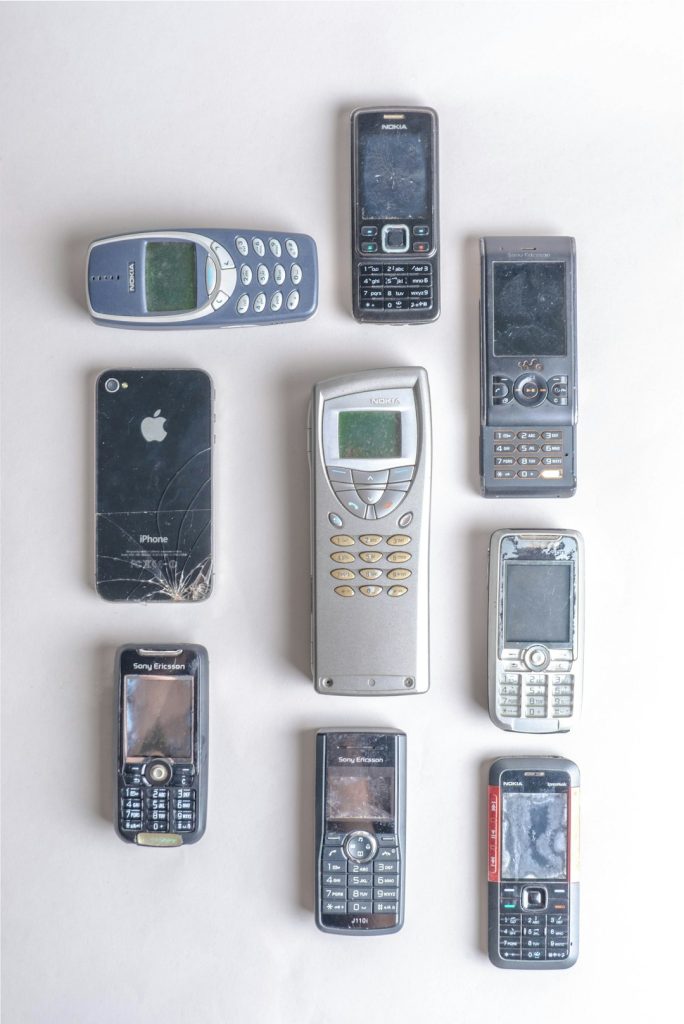
These pocket-sized devices have become an essential part of our lives, connecting us to the world and each other in ways we could never have imagined. But have you ever wondered how these powerful gadgets came to be? The history of smartphones is a fascinating tale of innovation and evolution, filled with unexpected twists and leaps in technology.
As you dive into this article, you’ll uncover the milestones that transformed a simple communication tool into the indispensable technology you rely on every day. Get ready to discover the story behind the screen and gain a deeper appreciation for the device in your hand.
Credit: jaaduse.com
Early Beginnings
The history of smartphones is fascinating and transformative. It began with simple devices that could only make calls. Over time, technology advanced, leading to the powerful smartphones we use today. Understanding the early beginnings offers insights into how far we’ve come.
First Mobile Phones
The first mobile phones appeared in the 1970s. They were large and heavy, often compared to bricks. These devices could only make and receive calls. No internet. No apps. Just basic communication. Motorola’s DynaTAC, released in 1983, was among the earliest models. It was expensive and exclusive, mostly for business professionals. This marked the start of mobile communication for the masses.
Birth Of The Smartphone Concept
The concept of a smartphone emerged in the 1990s. IBM’s Simon Personal Communicator, introduced in 1992, was a pioneer. It combined a mobile phone with a PDA. Users could make calls, send emails, and manage contacts. This was groundbreaking at the time. Nokia’s Communicator series followed, blending phone and computer functions. These devices laid the groundwork for modern smartphones.
Rise Of Key Players
Smartphones transformed with the rise of key players like Apple and Samsung. They drove innovation and expanded global reach. Their influence shaped design and technology, making smartphones essential in daily life.
The history of smartphones is marked by significant milestones, particularly the rise of key players who shaped the industry. In the early 2000s, mobile phones were transforming from simple communication devices into multifunctional gadgets. Some companies stood out, leading the charge with groundbreaking innovations. As you delve into the history, you’ll see how certain brands paved the way for the smartphones we use today.
Apple’s Iphone Revolution
Apple changed the game with the launch of the first iPhone in 2007. Before its debut, smartphones were clunky and complicated. The iPhone was sleek and user-friendly, offering a touch screen interface that was unheard of at the time. Steve Jobs’ presentation of the iPhone was unforgettable. You might remember the excitement of seeing a device that combined a phone, iPod, and internet communicator. Apple’s App Store, launched in 2008, further revolutionized how people interacted with their phones. Suddenly, developers had a platform to create apps that catered to every need and interest. Think about the apps you use daily. Many of them might not exist without Apple’s vision to create a thriving ecosystem for app developers.
Android’s Emergence
While Apple was making waves, Android was quietly emerging as a powerful force. Launched by Google in 2008, Android offered a different approach. Android’s open-source platform was attractive to manufacturers who wanted to customize the user experience. This flexibility led to a variety of smartphones at different price points, making advanced technology accessible to more people. Consider your own smartphone journey. Did you start with an Android device because it offered features that fit your budget and needs? Android’s partnership with multiple manufacturers, including Samsung, HTC, and LG, helped it quickly gain ground. These collaborations resulted in innovations that pushed the boundaries of mobile technology, sparking a healthy competition that propelled the industry forward. As you reflect on the evolution of smartphones, one question stands out: How will these key players continue to influence the future of mobile technology?
Technological Advancements
The history of smartphones is marked by incredible technological advancements. These devices have transformed how we communicate and access information. Their evolution has been rapid, driven by constant innovation. Key advancements include touchscreens, cameras, and batteries. Each has played a vital role in shaping modern smartphones.
Touchscreen Innovations
Touchscreens changed the way we interact with devices. Early phones had physical keys, limiting user experience. The introduction of capacitive touchscreens allowed for a smoother interface. Users could swipe, pinch, and zoom effortlessly. This technology enhanced user engagement and accessibility. Manufacturers continually improved sensitivity and accuracy. Touchscreens became larger and more responsive over time.
Camera And Photography Evolution
Smartphone cameras have undergone significant advancements. Early cameras offered low resolution and basic functions. Today, cameras capture high-quality images with ease. They provide users with powerful photography tools. Features like autofocus and optical zoom have enhanced image quality. Night mode and portrait settings offer professional-like photos. Camera technology continues to evolve rapidly.
Battery And Charging Improvements
Batteries have seen major enhancements over the years. Early smartphones struggled with short battery life. Users often had to charge devices multiple times a day. Advances in battery technology extended usage time significantly. Fast charging technologies reduced waiting time. Wireless charging introduced new convenience for users. Battery efficiency remains a key focus for manufacturers.
Smartphone Features
Smartphones have evolved significantly over the years. Early models focused on calling and texting, while modern versions boast cameras, apps, and internet access. From bulky designs to sleek devices, they now offer touch screens, GPS, and voice assistants.
Smartphones have transformed our daily lives, offering a plethora of features that go beyond making calls and sending texts. Over the years, these devices have evolved dramatically, becoming essential tools for both work and play. What makes a smartphone truly smart? Let’s dive into the fascinating features that have defined the smartphone era.
App Ecosystem Growth
The app ecosystem is one of the most significant developments in smartphone history. Remember when phones just had a few basic functions? Now, the app stores brim with millions of options. Whether you’re into gaming, productivity, or health tracking, there’s an app for you. This growth has empowered users to customize their smartphones to fit their lifestyles. Ever tried using an app to learn a new language or manage your budget? These are just a few ways apps have made life more convenient. The sheer variety means you’re bound to find something that enhances your daily routine. Think about it: how many apps do you use daily? This wide selection ensures that your smartphone can be a powerful tool tailored to your unique needs.
Integration Of Ai And Virtual Assistants
Artificial Intelligence (AI) and virtual assistants have become integral parts of the smartphone experience. Siri, Google Assistant, and Alexa are more than just voices in your phone; they are personal helpers ready to assist at any moment. Have you ever asked your phone to set a reminder or find a nearby restaurant? That’s AI at work. These assistants learn from your habits and preferences, making them increasingly useful. They can anticipate your needs, providing recommendations based on your previous behavior. Imagine your phone suggesting a playlist or reminding you of your next meeting without you having to lift a finger. The integration of AI into smartphones has made them smarter and more intuitive. How do you feel about having a virtual assistant at your beck and call? Their role in smartphones continues to expand, promising even more capabilities in the future. Smartphones are more than just gadgets; they are versatile companions that adapt to your ever-changing needs. As features like app ecosystems and AI integration grow, so do the possibilities. What will your smartphone help you achieve today?
Cultural Impact
The smartphone has changed cultures worldwide. Its influence is profound. People use smartphones for almost everything now. They are not just tools; they are companions. The cultural impact of smartphones can be seen in many aspects of life.
From how we communicate to how we live our daily lives, smartphones play a pivotal role. Let’s explore how they have reshaped our culture.
Social Media And Connectivity
Smartphones made social media more accessible. People connect instantly with others worldwide. They share photos, updates, and stories in seconds. Social media platforms like Facebook, Instagram, and Twitter thrive on smartphones.
Smartphones help build communities. They bring people together. Users follow trends, join discussions, and exchange ideas. They create and consume content daily. Smartphones have made the world a smaller, more connected place.
Influence On Daily Life
Smartphones have changed daily routines. They are alarm clocks in the morning. They provide weather updates and news.
People use them for navigation. Smartphones guide them to destinations easily. They are also entertainment hubs. Users watch videos, play games, and read books.
Smartphones help in managing tasks. They organize calendars, notes, and reminders. They simplify complex tasks.
In education, smartphones are learning tools. They access online classes and educational apps. They support students and educators alike. Daily life is now more convenient with smartphones.
Economic Implications
Smartphones have transformed not just how we communicate, but also the global economy in profound ways. Their rise has reshaped entire industries and sparked new opportunities, while also presenting challenges that have impacted economic dynamics worldwide. Understanding these economic implications can offer valuable insights into how smartphones continue to shape our world.
Market Growth And Competition
The smartphone market has witnessed explosive growth over the past two decades. Major players like Apple, Samsung, and Huawei have dominated the scene, each striving to outdo the others with innovative features and competitive pricing. This fierce competition has driven rapid technological advancements, benefiting consumers with better devices at increasingly accessible prices.
You might remember the excitement of your first smartphone purchase. The buzz around the latest release and the anticipation of features that promised to make life easier. Each new model has contributed to growing consumer demand, pushing companies to consistently innovate and stay ahead.
This growth has also attracted new players eager to carve out their share of the market. Smaller companies have introduced budget-friendly options, appealing to a broader audience. As a result, the smartphone industry has become a hotbed of competition, continually evolving and expanding.
Impact On Other Industries
Smartphones have influenced more than just the tech world. Industries such as photography, navigation, and entertainment have been transformed as devices integrate functionalities previously handled by separate gadgets. Think about how your smartphone replaced your digital camera or GPS device.
The app ecosystem has created opportunities for developers, giving rise to businesses that didn’t exist a decade ago. Apps that help you learn a new language or manage your finances are now essential parts of daily life. This shift has opened doors for entrepreneurs and altered traditional business models.
Yet, with these opportunities come challenges. Traditional sectors, like print media and retail, have had to adapt or face decline as smartphones change consumer habits. How has your shopping experience evolved with the ability to browse and purchase items from the palm of your hand?
The smartphone era is an unfolding story of economic transformation, with implications that continue to ripple across industries. What new opportunities and challenges will arise as technology advances further? The answers might redefine the future of global economics.
Future Trends
Smartphones have evolved dramatically since their inception, blending technology and communication in unprecedented ways. Future trends may focus on seamless integration with everyday life, enhancing connectivity and functionality. As history shows, innovation continuously shapes the smartphone landscape, promising exciting advancements ahead.
Smartphones have evolved rapidly, becoming an integral part of our lives. As we look to the future, the possibilities seem endless. From faster internet speeds to innovative designs, the next wave of smartphones promises to reshape how we interact with technology. What can you expect from these future trends? Let’s dive in.
5g And Beyond
The arrival of 5G technology has already transformed the smartphone landscape with its ultra-fast internet speeds. But the future holds even more potential. Imagine downloading a full-length movie in seconds or having a seamless video call without any lag. Smartphones will likely expand beyond 5G, potentially leveraging satellite technology for global connectivity. This means no more worrying about weak signals in remote areas. Could this lead to a world where everyone is connected, no matter where they live?
Innovations In Design And Functionality
Design isn’t just about aesthetics; it’s about function. Future smartphones might look very different from what you’re used to. Think foldable screens that expand into tablets or devices that roll up like a scroll. Wouldn’t it be exciting to carry your smartphone in your pocket and unfold it when you need a larger screen? Functionality enhancements are equally thrilling. Envision smartphones with embedded AI that understands your needs before you do. Imagine a phone that adjusts its settings based on your habits or suggests tasks you may have forgotten. How would a phone that knows you inside out change your daily routine? As we anticipate these advancements, it’s intriguing to consider how these technologies will impact your life. Will they make everyday tasks easier or introduce new challenges? The future of smartphones is not just about what’s possible, but how it will shape your world.
Frequently Asked Questions
What Was The First Smartphone Released?
The first smartphone was IBM Simon, launched in 1992. It featured a touchscreen, calendar, and email capabilities. This device marked the beginning of integrating telephony with computing technologies. IBM Simon was ahead of its time but limited by the technology of its era.
How Did Smartphones Evolve Over Time?
Smartphones evolved rapidly with advancements in technology. Early models focused on basic functions. Over time, features like cameras, internet access, and apps were added. Modern smartphones are powerful computing devices with capabilities that rival computers, revolutionizing communication and daily life.
When Did Smartphones Become Popular?
Smartphones gained popularity in the late 2000s. The release of Apple’s iPhone in 2007 was a turning point. The iPhone combined sleek design with a user-friendly interface. This innovation sparked widespread consumer interest, leading to the smartphone becoming a ubiquitous device.
What Impact Did Android Have On Smartphones?
Android transformed the smartphone industry with its open-source platform. Launched by Google in 2008, it enabled manufacturers to create diverse devices. Android’s flexibility and wide app ecosystem contributed significantly to the smartphone’s global reach and affordability.
Conclusion
Smartphones have come a long way. From bulky devices to sleek designs. They’ve changed how we communicate. Made information available anytime, anywhere. Created new ways to socialize and work. Each year brings new features. Faster processors, better cameras, smarter apps.
People rely on them for daily tasks. They keep us connected to the world. Understanding their history shows their impact. How they’ve shaped modern life. Smartphones are more than gadgets. They’re essential tools in our pockets. A testament to human innovation and need.
As technology evolves, so will smartphones. Their journey is far from over.