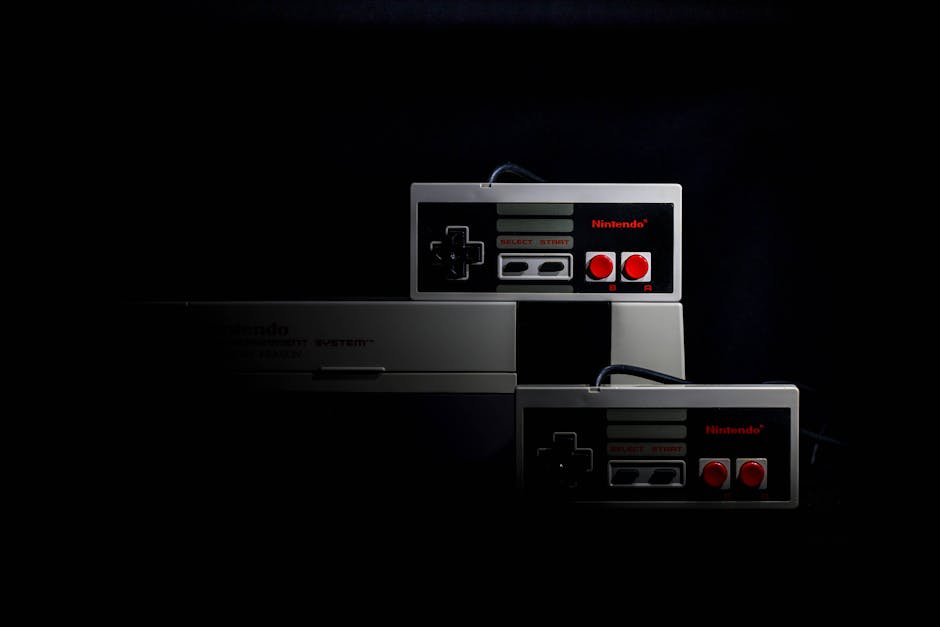
Are you ready to unlock the secrets of video game consoles? Imagine having a treasure trove of information right at your fingertips.
With the “Video Game Console Wiki,” you can discover everything you’ve ever wanted to know about your favorite gaming devices. Whether you’re a seasoned gamer or new to the world of consoles, this guide is your gateway to understanding every beep, buzz, and button.
Dive into the details, explore the history, and see how your gaming experience can be transformed. Stay tuned as we unravel the mysteries and help you become a true gaming aficionado. Your adventure in the world of video game consoles starts here!
Origins Of Video Game Consoles
The history of video game consoles is rich and fascinating. It all began with simple innovations that paved the way for today’s advanced gaming systems. Understanding the origins helps appreciate the evolution of gaming technology.
Early Innovations
In the 1950s, engineers started exploring electronic games. These early efforts were basic, often limited to simple screen displays. William Higinbotham created “Tennis for Two” in 1958. This game used an oscilloscope to mimic a tennis match. It was a hit at a public exhibition, sparking interest in interactive entertainment.
By the 1960s, more experiments with gaming technology emerged. Ralph Baer, known as the “Father of Video Games,” developed ideas for a home gaming device. His work laid the groundwork for future gaming consoles.
First Generation Consoles
The first generation of video game consoles appeared in the early 1970s. The Magnavox Odyssey, released in 1972, was the first home video game console. It offered simple games like table tennis and shooting games. The graphics were rudimentary, but it was a breakthrough in home entertainment.
In this era, consoles used cartridges to store games. This allowed users to change games easily, enhancing the gaming experience. Though primitive by today’s standards, these consoles were revolutionary for their time.
The first generation set the stage for the rapid advancement of gaming technology. It showed the potential of home entertainment systems. This era marked the beginning of a new way to enjoy video games.
The Golden Age Of Gaming
The Golden Age of Gaming marks a thrilling era in video game history. During this period, gaming evolved rapidly, captivating millions worldwide. This era saw the rise of iconic arcade games and revolutionary home consoles. Enthusiasts witnessed the transformation of gaming from a niche hobby into mainstream entertainment. The Golden Age laid the foundation for today’s vibrant gaming culture.
Rise Of Arcade Games
Arcade games exploded in popularity during the late 1970s and early 1980s. These games offered a unique social experience, gathering players in arcades. Classics like Pac-Man and Space Invaders became cultural icons. Players were drawn to the simple yet addictive gameplay. High scores and competition fueled excitement and camaraderie. Arcades became vibrant community hubs, filled with flashing lights and sounds.
Second Generation Consoles
The second generation of consoles emerged in the early 1980s. This era introduced more complex games to living rooms. The Atari 2600 led the charge with its diverse game library. It brought the arcade experience home, thrilling families everywhere. Other consoles like the Intellivision and ColecoVision followed suit. These systems offered improved graphics and gameplay. Video gaming became a household staple, changing entertainment forever.
The Console Wars
The Console Wars defined a thrilling era in gaming history. Companies battled fiercely to capture players’ attention and loyalty. Many gamers remember these epic struggles fondly. These wars shaped the gaming landscape forever.
Bold strategies and innovative technologies emerged during this time. Developers pushed boundaries to offer unique experiences. Console Wars were much more than just a competition. They were about passion and creativity.
Nintendo Vs Sega
Nintendo and Sega were iconic rivals in the Console Wars. Their fierce competition captivated millions worldwide. Nintendo’s Mario was a household name. Sega’s Sonic raced into homes with speed and style.
Each company had its own strengths. Nintendo focused on family-friendly games. Sega targeted a slightly older audience. Both companies created memorable characters. Players chose sides and formed loyal followings.
Third Generation Battle
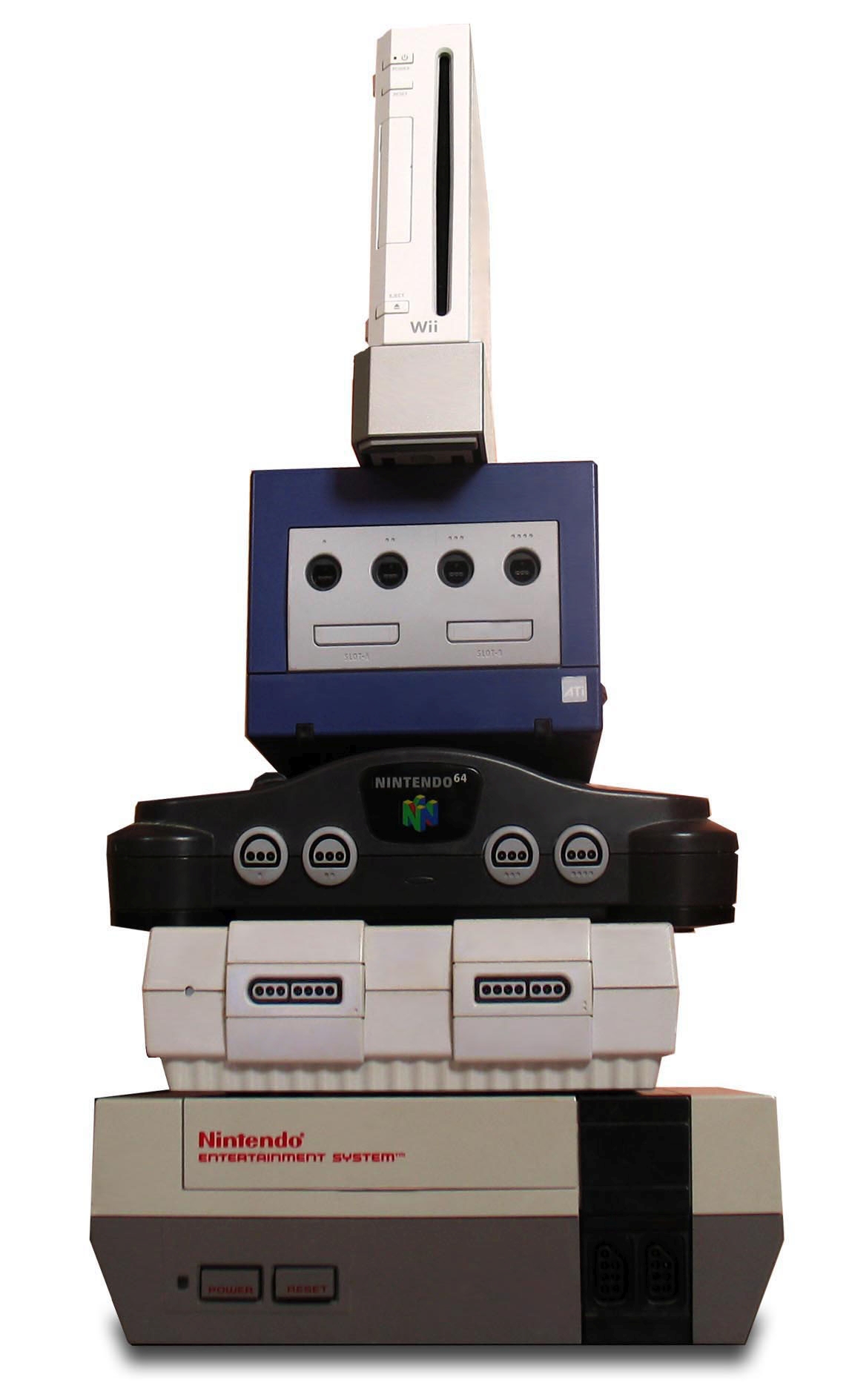
The Third Generation Battle was an intense chapter in the Console Wars. New technologies brought fresh excitement to gaming. The NES by Nintendo and Sega’s Master System clashed fiercely.
Graphics improved, offering vibrant visuals. Sound quality enhanced gameplay experiences. Controllers became more ergonomic and responsive. Gamers enjoyed more realistic adventures.
Each console offered unique features. Gamers eagerly debated which was superior. The Third Generation Battle pushed boundaries and set new standards.
Credit: en.wikipedia.org
Transition To 3d Graphics
The transition to 3D graphics marked a pivotal moment in gaming history. This era changed how players interacted with virtual environments. It offered depth and realism previously unseen. The shift from 2D to 3D graphics opened new possibilities for game developers. Characters and landscapes appeared more lifelike. Gamers could explore worlds in ways never imagined before.
Fourth Generation Advancements
The fourth generation of consoles brought significant technological improvements. Systems like the Super Nintendo and Sega Genesis set the stage for 3D graphics. Enhanced processing power enabled more complex visuals. Developers experimented with pseudo-3D effects, offering a taste of what’s to come. These consoles laid the groundwork for future 3D innovations.
Impact On Game Design
3D graphics reshaped game design fundamentally. Designers crafted intricate worlds with multi-dimensional gameplay. Players experienced richer narratives and deeper interaction. Developers faced new challenges in creating engaging 3D environments. Game mechanics evolved, allowing more freedom and exploration. This era inspired creativity and pushed boundaries in game design.
Modern Gaming Era
The modern gaming era marks a transformative phase in the gaming world. This period introduced high-definition graphics, online multiplayer options, and innovative gameplay experiences. Game consoles became more than just gaming devices. They turned into entertainment hubs that offer streaming, browsing, and social networking.
With technological advancements, gaming consoles evolved significantly. This era witnessed remarkable changes that reshaped how people engage with video games. Let’s delve into key developments that defined this exciting era.
Sony And Microsoft’s Entry
Sony and Microsoft played pivotal roles in the modern gaming era. Sony launched the PlayStation 2 in 2000. It offered DVD playback, making it a versatile device. The PlayStation 3 followed, introducing Blu-ray support and online gaming.
Microsoft entered the arena with the Xbox in 2001. It boasted superior graphics and a built-in hard drive. The Xbox 360, released in 2005, focused on online gaming and digital media. Both companies pushed the boundaries of gaming technology.
Online Gaming Evolution
Online gaming transformed the gaming landscape in this era. It allowed players to connect and compete worldwide. Xbox Live, launched in 2002, revolutionized online multiplayer gaming. It offered a subscription-based model and robust matchmaking services.
The PlayStation Network, introduced in 2006, provided similar features. Both platforms embraced online gaming communities and digital downloads. These developments made gaming more social and accessible.
Online gaming also introduced new genres and gameplay styles. Massively multiplayer online games gained popularity. Players could now experience expansive virtual worlds with friends globally.

Credit: gameconsole.fandom.com
Handheld Consoles
Handheld consoles have transformed the way we experience video games. No longer confined to the living room, these devices allow you to take your gaming adventures anywhere. Whether you’re on a bus, waiting in line, or lounging in your backyard, handheld consoles offer a unique blend of portability and entertainment.
Portable Gaming Revolution
The rise of handheld consoles marked a significant shift in gaming culture. Suddenly, gaming wasn’t just a home activity; it became a lifestyle. You could challenge your friends at school or play while traveling. This mobility revolutionized how we view gaming as a part of daily life.
Consider the first time you played a handheld game on a long trip. The journey seemed shorter, didn’t it? It’s this convenience that has kept handheld consoles at the forefront of gaming evolution. They’ve adapted to our fast-paced lives, offering quick gaming sessions on the go.
Notable Handheld Devices
Several devices have stood out in the handheld console market. The Nintendo Game Boy, released in 1989, was a game changer. It was affordable, durable, and offered iconic games like Tetris and Pokémon.
Another standout is the PlayStation Portable (PSP). It introduced advanced graphics and multimedia capabilities, making it more than just a gaming device. The PSP allowed you to watch movies and listen to music, all while offering high-quality gaming.
The Nintendo DS brought innovation with its dual screens and touch capabilities. It opened up new possibilities for game design and interaction. The DS encouraged developers to think outside the box, creating games that were both engaging and immersive.
Which handheld console has been your favorite? And more importantly, what future features would you like to see in these portable devices? As technology advances, the potential for handheld consoles is limitless.
Influence Of Mobile Gaming
Mobile gaming has reshaped the landscape of video game consoles, bringing a new dimension to how games are played and enjoyed. As smartphones become more advanced, they have challenged traditional gaming consoles, offering convenience and accessibility. This shift has influenced player dynamics and the gaming industry at large.
Smartphone Impact
Smartphones have transformed gaming by making it portable and easy to access. Gone are the days when you had to be at home to enjoy a game. With a smartphone, you can dive into your favorite games during a lunch break or on a train ride. This flexibility has drawn more casual players into the gaming world.
Think about the last time you played a game on your phone. Was it during a waiting period or on a lazy afternoon? Mobile games cater to those quick bursts of entertainment. They don’t require hours of commitment like some console games. This ease of access has expanded the gaming audience significantly.
Changing Player Dynamics
The rise of mobile gaming has shifted player dynamics in surprising ways. It has blurred the lines between casual and hardcore gamers. You might find yourself engaging in a quick game during a busy day, yet still consider yourself a serious gamer at heart.
Mobile gaming has also fostered a sense of community among players. Social features allow you to compete with friends or strangers online, creating new connections. It raises the question: Is the social aspect of gaming more important than the platform itself?
As mobile games continue to evolve, they offer experiences that rival traditional consoles. New technologies like augmented reality are pushing boundaries, making mobile gaming more immersive. Are you ready to embrace this change, or do you prefer the classic console experience?
In exploring these shifts, you’ll find that the influence of mobile gaming is undeniable. It has redefined how we perceive and engage with video games. What does this mean for the future of gaming consoles? Only time will tell.
Future Of Gaming Consoles
The future of gaming consoles promises exciting advancements. As technology evolves, consoles adapt to new trends. Gamers expect more immersive and seamless experiences. Let’s explore what lies ahead for gaming consoles.
Virtual And Augmented Reality
Virtual Reality (VR) will change how gamers interact with worlds. Headsets will become lighter and more comfortable. Graphics will be more lifelike. Augmented Reality (AR) will blend the real and digital worlds. Imagine playing in your living room with virtual elements. These technologies will make games more engaging and interactive.
Cloud Gaming Prospects
Cloud gaming offers new possibilities. Gamers can play without physical consoles. Streaming services will handle processing power. This means faster access to games. No need to download large files. Gamers can play on different devices. A smartphone or a TV can become a gaming hub. This flexibility will attract more players.
Credit: future-ideas.fandom.com
Frequently Asked Questions
What Is The Best-selling Video Game Console?
The PlayStation 2 is the best-selling video game console. It sold over 155 million units worldwide. Its popularity was due to its vast game library and DVD playback capability. Released in 2000, it continued to dominate the market for many years.
How Do Video Game Consoles Work?
Video game consoles work by processing game data to display visuals. They use specialized hardware to run software games. Consoles connect to TVs, providing an interactive gaming experience. Controllers allow players to navigate and interact with game environments.
What Are The Main Types Of Video Game Consoles?
The main types of video game consoles are home and handheld. Home consoles connect to TVs for immersive gaming. Handheld consoles offer portability with built-in screens. Both types provide unique gaming experiences and cater to different preferences.
Why Are Video Game Consoles Popular?
Video game consoles are popular for offering exclusive games and immersive experiences. They provide easy access to high-quality entertainment at home. With multiplayer capabilities, consoles enhance social interaction. The constant innovation keeps gamers engaged and excited.
Conclusion
Exploring video game consoles can be exciting and informative. Each console offers unique features and experiences. Understanding their evolution helps appreciate modern gaming. New models bring advanced graphics and gameplay. Older consoles hold nostalgic value. They paved the way for today’s innovations.
Learning about different consoles expands gaming knowledge. This knowledge enhances your gaming journey. Enjoy diving into the world of video game consoles. Discover more about your favorites. Share your experiences with friends. Keep exploring, keep playing. Gaming is a world of endless possibilities.