
Affiliate Disclosure: This post may contain affiliate links. If you purchase through links on our site, we may earn an affiliate commission at no extra cost to you.
Imagine holding the world in the palm of your hand. That’s the power of a smartphone.
But have you ever wondered where it all began? What was the first smartphone, and how did it pave the way for the sleek devices we can’t live without today? You’ll discover the story behind the very first smartphone. We’ll unravel the technological marvels and visionary ideas that birthed this revolutionary gadget.
By the end, you’ll not only know the origins of your trusty device but also appreciate the innovation that has shaped your everyday life. Get ready to be amazed by the journey of how a groundbreaking idea transformed into the indispensable tool you hold today. Keep reading, because this is more than just history—it’s the beginning of a revolution.
Early Mobile Communication
The first smartphone, IBM Simon, debuted in 1994, blending mobile phone features with computing. It offered email, fax, and contact management, setting a precedent for modern smartphones. Its innovative design paved the way for the mobile technology we rely on today.
In a world dominated by smartphones, it’s fascinating to look back and explore the early days of mobile communication. Have you ever wondered how it all began? The journey from bulky devices to sleek smartphones is a tale of innovation and determination. Let’s dive into the origins of mobile phones and understand the challenges faced by early devices.
The Birth Of Mobile Phones
The concept of mobile communication started with a dream to make phone calls on the go. In the 1980s, the first mobile phones hit the market, changing how people communicated. These devices were big, heavy, and often required a suitcase-sized battery. Despite their cumbersome nature, they were revolutionary. The ability to make a call without being tethered to a landline was groundbreaking. It sparked a new era of connectivity and set the stage for further advancements.
Limitations Of Early Devices
Early mobile phones had their fair share of limitations. They were expensive and not accessible to everyone. You needed deep pockets to own one. Additionally, the call quality was often poor, with frequent dropped calls and limited coverage areas. Battery life was another major issue. You could barely talk for an hour before needing a recharge. Imagine being in the middle of an important conversation only to have your phone die on you. Frustrating, right? Despite these drawbacks, early adopters were thrilled. They could communicate in ways that were never possible before. It was the beginning of a communication revolution that would eventually lead to the smartphones we can’t live without today. Reflecting on these early days, you realize how far technology has come. Do you think you could have managed with such limitations? The evolution from those early models to today’s devices is a testament to human ingenuity and the relentless pursuit of better communication.
Birth Of The Smartphone
The birth of the smartphone transformed communication. It ushered in a new era of technology. In the 1990s, mobile phones evolved rapidly. This evolution paved the way for smarter devices. These devices combined computing with communication.
Defining The First Smartphone
IBM Simon is considered the first smartphone. It was launched in 1994. Simon combined a phone with PDA features. It allowed users to send and receive emails. Users could even fax documents. Its touchscreen interface was ahead of its time.
Innovations In Technology
IBM Simon introduced several innovations. It featured a touchscreen, a rarity then. It had built-in apps like calendar and address book. Users could download additional apps. This concept was groundbreaking at the time. Simon’s design laid the foundation for modern smartphones.
Ibm Simon: The Pioneer
When you think of smartphones today, you probably imagine sleek designs, touch screens, and endless apps. But have you ever wondered where it all began? The IBM Simon stands as a landmark in the evolution of mobile technology. Released in 1994, it wasn’t just a phone; it was a trailblazer that laid the groundwork for the smartphones we use today.
Features And Capabilities
The IBM Simon was revolutionary for its time, combining the functions of a mobile phone with those of a PDA. It had features that seemed futuristic back then, such as a touch screen and the ability to send emails. Imagine the excitement of having a device that could store your contacts, manage your calendar, and even entertain you with games.
It also came equipped with a stylus for navigation—a precursor to the touch interactions we are so familiar with today. With its 16 MHz processor, Simon might seem sluggish by today’s standards, but it was groundbreaking at the time. You could even send faxes directly from the device, a feature that highlighted its multifaceted capabilities.
Market Reception And Impact
Despite its innovative features, the IBM Simon had a mixed reception in the market. Priced at $899, it wasn’t accessible to everyone, limiting its widespread adoption. However, its influence was undeniable, paving the way for future developments in mobile technology.
It sold around 50,000 units during its six-month lifespan—a modest number compared to today’s smartphone giants. Yet, Simon set a precedent, sparking a wave of innovation that would eventually lead to the devices you carry in your pocket. It posed a vital question: How much could a mobile device achieve?
Reflecting on Simon’s journey makes you appreciate how far technology has come. What features do you think Simon would have today, if it were reimagined? The possibilities are endless, and it’s fascinating to consider the trajectory of mobile technology since Simon’s debut.
Evolution Of Smartphone Technology
The journey of smartphone technology is a fascinating story. From simple beginnings, it has transformed how we communicate and interact. Over the years, smartphones have evolved rapidly, offering more than just calling features. Let’s explore how smartphone technology advanced after the IBM Simon, and how modern smartphones became essential in our lives.
Advancements Post-ibm Simon
The IBM Simon was the first smartphone. Released in 1994, it was basic by today’s standards. Yet, it set the stage for future innovations. After Simon, smartphones saw many changes. Manufacturers added features like email, internet access, and cameras.
In the late 1990s and early 2000s, technology advanced quickly. BlackBerry and Nokia led the market. Their devices offered better connectivity and user experience. Touchscreens began replacing physical keyboards. This shift allowed for larger displays. It made devices more user-friendly.
Rise Of Modern Smartphones
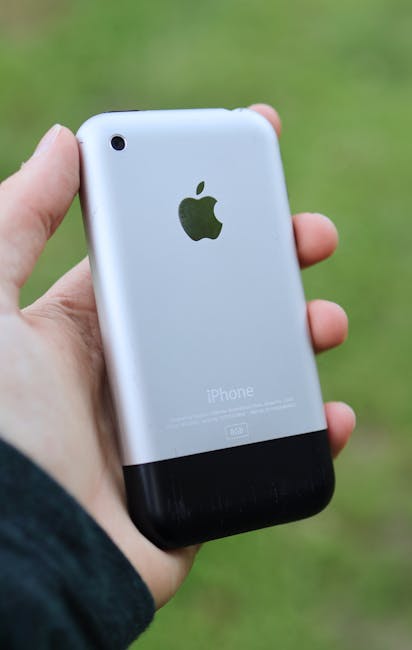
The launch of the iPhone in 2007 marked a new era. Apple introduced a full touchscreen interface. It changed how users interacted with their phones. Soon after, Android entered the scene. It offered a customizable alternative. Both platforms dominated the market.
Modern smartphones now blend many technologies. They serve as cameras, computers, and entertainment hubs. Features like GPS, apps, and voice assistants became standard. With each new model, capabilities expand. Today, smartphones are essential tools, connecting people globally.
Impact On Society
The first smartphone changed how we live and interact. It became more than just a tool for calling. It transformed into a pocket-sized computer. This shift impacted society in profound ways.
The smartphone altered communication, daily routines, and even our thoughts. Below, we explore these changes in detail.
Changing Communication Norms
Before smartphones, communication was slower. People relied on letters or landlines. The smartphone introduced instant messaging and emails. It allowed people to connect anywhere, anytime.
Social media apps on smartphones brought friends and family closer. Sharing photos, updates, and moments became easy. This new norm influenced how we maintain relationships.
Influence On Daily Life
Smartphones influenced daily tasks and routines. They became alarm clocks, calendars, and notebooks. With a smartphone, people manage schedules with ease.
Access to the internet brought information at our fingertips. People began using smartphones for learning and entertainment. Streaming videos, reading news, or playing games became common activities.
Smartphones also introduced health apps. These apps helped track fitness and health goals. It made people more conscious of their well-being.
Future Of Smartphones
The future of smartphones looks bright with endless possibilities. The first smartphone was IBM Simon, launched in 1994. It combined phone and PDA features, paving the way for today’s multifunctional devices.
Imagine a world where your smartphone not only keeps you connected but also anticipates your needs, adapts to your preferences, and seamlessly integrates with your daily life. The future of smartphones is not just about faster processors or sharper cameras. It’s about transforming these devices into intuitive companions that enhance every moment of your existence.
Emerging Technologies
The buzz around emerging technologies is more than just hype. Consider augmented reality (AR) and virtual reality (VR). They are not just for gaming anymore. Soon, you’ll use AR to visualize how a piece of furniture fits in your living room before buying it. Artificial intelligence (AI) is another game-changer. Your smartphone will learn your habits and make suggestions tailored specifically to you. Imagine your phone scheduling a meeting after analyzing your calendar and emails. Foldable screens could redefine how we interact with our devices. They offer larger displays in a compact form. Picture watching a movie on a tablet-sized screen that folds into your pocket.
Potential Innovations
What could the next wave of innovations bring to your fingertips? Battery life has always been a pain point. Researchers are exploring new materials like graphene to create batteries that last longer and charge faster. Security is another area ripe for innovation. Biometric authentication, like facial recognition and fingerprint scanning, might soon be joined by voice and even heart rhythm recognition. Consider the potential of 5G and beyond. As connectivity speeds soar, streaming high-definition content and conducting virtual meetings without a hitch will be the norm. Do you remember a time when smartphones were just about calls and texts? The road ahead is filled with possibilities that could make those simple functions seem as outdated as rotary phones. The future of smartphones is not just about keeping up with trends. It’s about making technology work for you in ways you’ve never imagined. Which emerging tech excites you the most?
Frequently Asked Questions
What Was The First Smartphone Called?
The first smartphone was named Simon Personal Communicator (SPC). IBM created it, and it was released in 1994. It combined mobile phone capabilities with personal computing features, including email and calendar.
Who Invented The First Smartphone?
IBM invented the first smartphone, known as Simon Personal Communicator, in 1992. It was a pioneering device that integrated telephony and computing. Dr. Frank J. Canova led the team responsible for its creation.
What Features Did The First Smartphone Have?
The first smartphone had a touchscreen, email capabilities, and a calendar. It also included a fax, pager, and address book. These features were revolutionary for its time, offering advanced functionality.
When Was The First Smartphone Released?
The first smartphone, Simon Personal Communicator, was released in August 1994. It marked a significant milestone in mobile technology. IBM introduced it to the market, showcasing innovative features.
Conclusion
The first smartphone marked a new beginning for mobile technology. It combined communication with computing in one device. This innovation paved the way for modern mobile gadgets. Today, smartphones are part of daily life worldwide. They offer endless possibilities for communication, entertainment, and productivity.
The journey of smartphones shows how technology evolves. It adapts to meet human needs, making life easier. Understanding the first smartphone helps us appreciate today’s advanced devices. It’s fascinating to see how far technology has come. The smartphone’s evolution reflects our drive for progress.
A story of innovation and endless potential.