Imagine holding the power of technology right at your fingertips, literally. You probably use your smartphone every day, scrolling through apps, tapping on messages, and swiping through photos, all thanks to the magic of touchscreen technology.
But have you ever wondered where it all began? What was the first touchscreen smartphone that paved the way for the sleek and sophisticated devices you rely on today? By understanding the roots of this revolutionary technology, you can gain insights into how far we’ve come and where we’re headed.
So, grab your curiosity and keep reading—you’ll discover the fascinating story of the first touchscreen smartphone and the groundbreaking moment that changed how we interact with our devices forever.
-min.jpeg)
Credit: www.textedly.com
The Dawn Of Touchscreen Technology
The IBM Simon Personal Communicator, released in 1994, marked the birth of touchscreen smartphones. It combined a mobile phone with a PDA, offering email and fax features. This device paved the way for future innovations in mobile technology.
The dawn of touchscreen technology marked a pivotal moment in the evolution of smartphones. It transformed how we interact with our devices, offering a more intuitive and engaging user experience. Many of us remember the clunky keys and tiny screens of early mobile phones, but the introduction of touchscreen technology changed everything.The Birth Of A New Era
In 1992, the world witnessed the introduction of the IBM Simon Personal Communicator, often credited as the first touchscreen smartphone. It was a bold step away from the traditional mobile phones of that time. Instead of relying on physical buttons, Simon offered a touchscreen interface, which felt like something straight out of science fiction. Simon was not just a phone; it was a personal digital assistant. You could send and receive emails, manage your calendar, and even use basic apps. This was groundbreaking, laying the foundation for modern smartphones.Features That Stood Out
The Simon’s touchscreen was monochrome, but it offered a glimpse into the future. It was a resistive touchscreen, requiring a firm press to register your input. Despite its limitations, it was a marvel of its time. Imagine the excitement of using your finger to navigate through menus instead of pressing tiny keys. The Simon introduced a stylus, allowing more precise control—a precursor to modern-day devices.The User Experience
Using the Simon was a unique experience. While it had its quirks, the ability to interact directly with the screen felt revolutionary. It empowered users, providing a sense of control and freedom. Think about the first time you used a smartphone. The swipe and tap gestures are second nature now, but back then, it was a whole new world. The Simon paved the way for these intuitive interactions.Challenges And Limitations
Despite its innovation, the Simon faced challenges. Its battery life was limited, and it was bulky compared to today’s sleek devices. It was also priced at a premium, making it accessible only to a select few. But these limitations didn’t overshadow its contributions. The Simon proved that touchscreen technology had a place in the future of mobile devices.Impact On Future Technology
The IBM Simon set the stage for future innovations. It inspired tech companies to explore touchscreen technology further. The lessons learned from its design and functionality influenced the development of more advanced smartphones. Would you have imagined back then that your phone could replace a camera, computer, and gaming console? The Simon’s influence is undeniable, proving that bold ideas can shape the future. The dawn of touchscreen technology was a thrilling time. It was about dreaming big and pushing boundaries. As you swipe through your apps today, take a moment to appreciate the journey that started with the humble IBM Simon.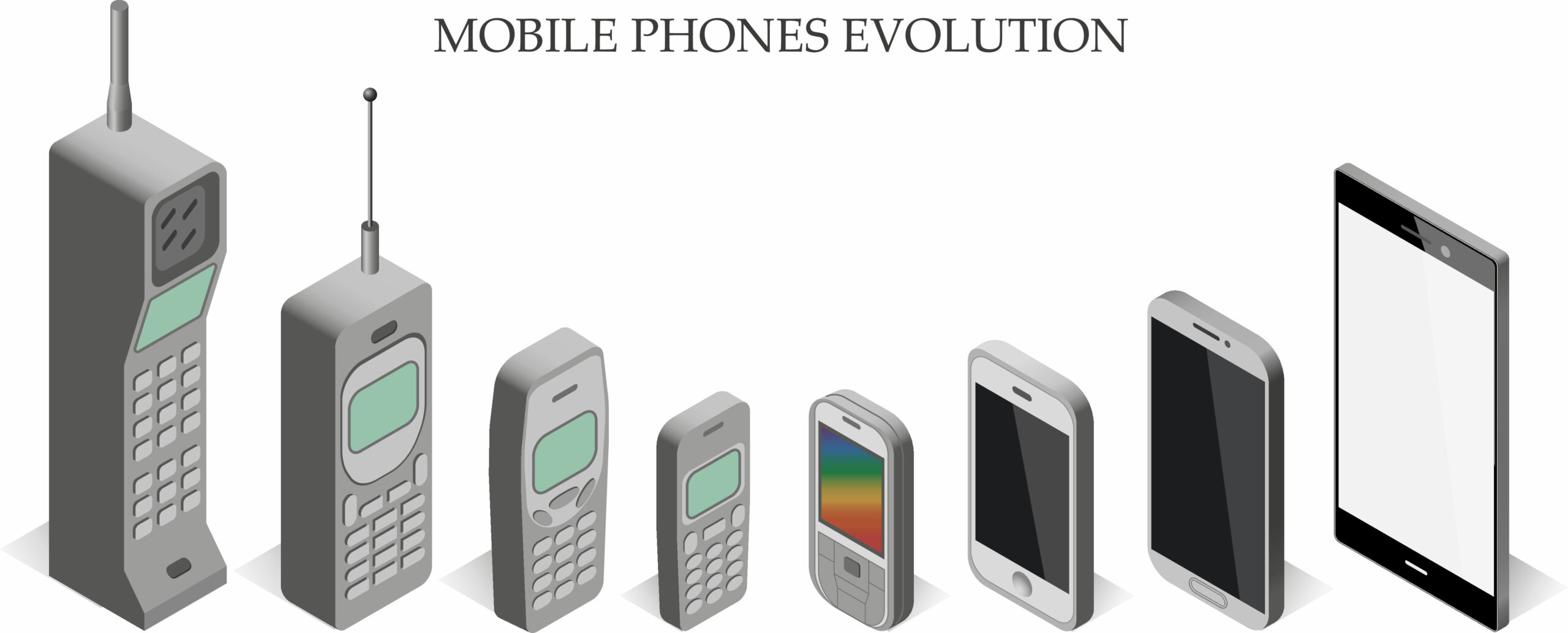
Credit: techwireasia.com
The Evolution Of Mobile Phones
Mobile phones have transformed dramatically over the years. From bulky devices to sleek touchscreens, the journey is fascinating. This evolution reflects advancements in technology and changing user needs.
From Keypads To Touchscreens
Early mobile phones relied on physical keypads. Users pressed buttons to dial numbers and send texts. These devices were limited in functionality and design.
Touchscreens introduced a new era. They allowed users to interact directly with the display. This shift enhanced user experience and increased functionality. Touchscreens paved the way for more versatile devices.
Innovations Leading Up To The Smartphone Era
Before smartphones, several innovations set the stage. Smaller chips and better batteries improved device performance. Wireless technology enabled mobile internet access, changing how users interacted with their phones.
Software advancements also played a crucial role. They allowed developers to create apps, expanding phone capabilities. These innovations were essential for the development of the first touchscreen smartphone.
The Birth Of The First Touchscreen Smartphone
The journey to modern smartphones began with a significant milestone. The first touchscreen smartphone marked a new era in mobile technology. It combined phone functions with a touch-sensitive screen, paving the way for future innovations.
Pioneers Of Touchscreen Innovation
The IBM Simon Personal Communicator debuted in 1992. It was the first smartphone with a touchscreen interface. This device was ahead of its time, offering a unique touch experience. Touchscreen technology was still in its infancy during this period. Yet, IBM Simon showed the world what was possible.
Nokia and Ericsson were also exploring touchscreen ideas. They contributed to the development of this technology. Their efforts helped shape the future of mobile communication.
Key Features And Specifications
The IBM Simon had a monochrome LCD screen. The display measured 4.5 inches diagonally. Users could operate the device through a stylus or their fingers. This interaction was groundbreaking at the time.
IBM Simon offered basic computing features. It included a calendar, address book, and email capability. These features were basic by today’s standards. Yet, they were innovative for the early 90s. The smartphone supported a few third-party applications. Users could install apps using a PC connection.
The device weighed about 18 ounces. It was portable but bulky compared to current models. Battery life lasted for an hour of talk time. Charging required a separate cradle.
The IBM Simon was a glimpse into the future. It demonstrated what mobile phones could achieve. Its touchscreen interface set the stage for future developments.
Credit: www.androidauthority.com
Impact On The Mobile Industry
The first touchscreen smartphone, IBM Simon, debuted in 1992. It significantly influenced the mobile industry by introducing touch technology. This innovation paved the way for modern smartphones, transforming communication and daily tasks.
The release of the first touchscreen smartphone marked a significant turning point in the mobile industry. It transformed how we interact with technology, paving the way for modern devices that are now integral to our daily lives. This innovation didn’t just change phones; it reshaped the entire tech landscape.Redefining User Interaction
The first touchscreen smartphone introduced a new way for users to engage with their devices. Instead of relying on physical buttons, users could now directly interact with their screens through taps and swipes. This shift made phones more intuitive and user-friendly. Remember the first time you pinched to zoom on a photo? That simple gesture, once revolutionary, is now second nature. Touchscreen technology has made digital interaction feel natural, bridging the gap between humans and machines.Influence On Subsequent Designs
The introduction of the touchscreen influenced phone designs that followed. Manufacturers began prioritizing sleek, minimalist designs with larger screens. Buttons became less prominent, making way for edge-to-edge displays. Consider the evolution of smartphones over the years. From bulky devices with small screens to today’s slim, all-screen designs. Would our current sleek smartphones exist without that initial leap into touchscreen technology? This change also spurred the development of apps, which thrive on touch interfaces. The app ecosystem we enjoy today owes much to the touchscreen’s success. Developers recognized the potential and began crafting applications that harness the power of touch, further enhancing user experience. The first touchscreen smartphone wasn’t just a gadget. It was a catalyst that set the stage for a digital revolution. How has it impacted the way you use your smartphone today?Consumer Reception And Market Response
The first touchscreen smartphone marked a significant shift in technology. Consumers were curious and hesitant about this new device. The market was buzzing with excitement and skepticism. Understanding consumer reception and market response is essential.
Adoption Challenges
People had doubts about touchscreen functionality. They were used to physical buttons. Touchscreens needed a learning curve. Users had to adapt to touch gestures. Some consumers worried about screen durability. Others feared accidental taps. These concerns slowed early adoption.
Market Success And Popularity
The smartphone eventually gained traction. Early adopters praised its innovative design. Word of mouth played a crucial role. Tech enthusiasts shared positive experiences. Sales numbers began to climb steadily. Companies improved user interfaces. Touchscreen technology became more reliable. This increased consumer confidence.
Retailers reported growing demand. The smartphone became a status symbol. Its popularity spread across demographics. People appreciated its compact design. Features like internet browsing attracted users. The market response was positive and impactful. This paved the way for future innovations.
Legacy And Lasting Influence
The first touchscreen smartphone marked a significant milestone in technology. Its legacy remains influential in today’s tech-driven world. This device not only changed how we use phones but also paved the way for modern innovations. By examining its impact, we can better understand the evolution of smartphones.
Technological Advancements Triggered
The first touchscreen smartphone introduced a capacitive touchscreen. This was a major leap from physical buttons. It allowed users to interact with their phones directly. This technology opened doors to new possibilities. Developers could create more interactive and engaging apps. The phone’s interface became more intuitive. As a result, user experiences improved significantly.
Its impact spread beyond just phones. The touchscreen technology influenced tablets, ATMs, and even car dashboards. Industries adopted this technology rapidly. It set new standards for consumer electronics. Today, touchscreens are everywhere. They have become a fundamental part of our daily lives.
How It Shaped Modern Smartphones
The first touchscreen smartphone set a blueprint for future devices. Its sleek design and functionality inspired manufacturers. They began focusing on user-friendly designs. This led to the development of slimmer and more compact phones. The emphasis was on enhancing user experience. The market witnessed a surge in smartphone innovation.
It also influenced operating systems. Mobile software became more interactive and visually appealing. This encouraged developers to focus on app design. The user interface became as important as functionality. The smartphone ecosystem expanded. It fostered a culture of continuous improvement. New features and updates became regular.
Today’s smartphones owe much to this pioneering device. It shaped the direction of mobile technology. It set the stage for the devices we rely on today. Its legacy continues to influence new innovations. The first touchscreen smartphone was a true technological catalyst.
Lessons Learned From The First Touchscreen Smartphone
The IBM Simon, introduced in 1994, holds the title as the first touchscreen smartphone. It combined a mobile phone with PDA features like email and a calendar. Lessons from its release showed the potential of integrating communication and computing, paving the way for future innovations in mobile technology.
The introduction of the first touchscreen smartphone was a momentous occasion that marked a significant shift in mobile technology. As we reflect on the lessons learned from this pioneering device, it becomes evident how far we’ve come and what we can still achieve. The journey of touchscreen smartphones is filled with innovations that have endured over time and mistakes that offer valuable learning experiences.Innovations That Stood The Test Of Time
The first touchscreen smartphone introduced several groundbreaking features that have become staples in today’s devices. One of the most notable is the capacitive touchscreen, which provided a more responsive and intuitive user experience compared to the resistive screens of the time. Such innovation paved the way for gestures like swiping and pinching, making navigation seamless. Think about how often you use these gestures daily—it’s become second nature. This innovation taught manufacturers the importance of user-friendly design in technology.Mistakes And Room For Improvement
However, the first touchscreen smartphone wasn’t without its faults. Battery life was a major issue, as the device struggled to keep up with the demands of its new features. You probably remember the frustration of having to charge your phone multiple times a day. This shortcoming highlighted the need for advancements in battery technology, leading to more efficient power management in modern smartphones. Additionally, the initial interface was not as intuitive as it could have been, leaving users puzzled at times. This gap in user experience underscored the necessity for continual software updates and enhancements. As you consider the evolution of smartphones, ask yourself: What features do you rely on most, and what improvements would you welcome in future devices? Embracing the lessons learned from the first touchscreen smartphone, manufacturers continue to innovate, creating devices that are more powerful, efficient, and user-centric than ever before.Frequently Asked Questions
What Was The First Touchscreen Smartphone?
The first touchscreen smartphone was the IBM Simon, launched in 1994. It featured a monochrome LCD touchscreen and combined a mobile phone with PDA capabilities. It allowed users to make calls, send emails, and manage contacts. The IBM Simon set the foundation for future smartphones with touch capabilities.
Who Invented The First Touchscreen Smartphone?
The IBM Simon was developed by International Business Machines (IBM) and manufactured by Mitsubishi Electric. Launched in 1994, it was the first smartphone with a touchscreen interface. It introduced features like email, calendar, and contacts, pioneering the smartphone concept and paving the way for modern devices.
When Was The First Touchscreen Smartphone Released?
The first touchscreen smartphone, the IBM Simon, was released in 1994. It marked a significant milestone in mobile technology. It combined a mobile phone with PDA functionalities, offering features like email and calendar. The IBM Simon laid the groundwork for the development of future smartphones.
How Did The Ibm Simon Function?
The IBM Simon operated with a monochrome LCD touchscreen. It featured basic smartphone functions like calling, emailing, and organizing contacts. Users interacted with the device using a stylus or fingers. Although limited by today’s standards, it was a revolutionary step in mobile technology.
Conclusion
The first touchscreen smartphone changed how we use mobile devices. It set the stage for the technology we enjoy today. This innovation paved the way for modern smartphones. It introduced us to touch technology in phones. The device made communication faster and more interactive.
It marked a shift in how phones operate. The touchscreen concept opened new possibilities. It inspired further advancements in mobile technology. As we look back, it’s clear how far we’ve come. This first step was crucial in shaping our digital world.
Today’s smartphones continue evolving from this early innovation.