Affiliate Disclosure: This post may contain affiliate links. If you purchase through links on our site, we may earn an affiliate commission at no extra cost to you.
Have you ever wondered about the origins of the device that’s always in your hand or pocket? The smartphone, a gadget that has transformed the way you live, work, and connect, has a rich history.
But what year did it actually come out? Understanding this can give you insight into how technology has evolved and why it continues to shape your daily life. Imagine knowing the year that started it all and being able to appreciate how far these devices have come.
This article will take you on a brief journey back in time to explore that pivotal year, sparking curiosity and perhaps even some nostalgia. Stick around, and you might uncover facts that surprise you and deepen your appreciation for the smartphone’s extraordinary journey!
Origins Of Mobile Communication
The smartphone emerged in 1992, marking a significant milestone in mobile communication. IBM’s Simon Personal Communicator combined phone and PDA features, paving the way for modern smartphones. This innovation laid the foundation for the devices we use today.
The journey of mobile communication is a fascinating tale that has transformed the way you connect with the world. From the cumbersome devices of the past to the sleek smartphones you can’t live without, the evolution of mobile communication is a testament to human ingenuity. Have you ever wondered how we moved from landlines to carrying powerful mini-computers in our pockets?
The Humble Beginnings
In the early 20th century, the idea of portable communication seemed like a fantasy. The first steps toward mobile communication began with bulky car phones. These were not your compact handheld devices but hefty machines that filled the trunk of a car. Although they were revolutionary for their time, it’s hard to imagine carrying one around today.
The Rise Of Portable Phones
The 1970s marked a significant leap with the introduction of the first handheld mobile phone. It was the size of a brick and weighed over two pounds! Imagine trying to fit that into your pocket. Yet, this was the breakthrough that set the stage for the mobile revolution.
The First Smartphone Emerges
The term “smartphone” didn’t come into play until 1992 when IBM unveiled the Simon Personal Communicator. This device combined a mobile phone with a PDA, offering features like email and fax. It was groundbreaking, yet its battery life was short, and it cost a small fortune. Would you have invested in such a gadget back then?
The Evolution Of Features
Smartphones have evolved rapidly, integrating features that once seemed futuristic. Cameras, internet access, and app stores have become standard. Each year, new models promise faster speeds and better connectivity. As you upgrade your device, do you ever think about how far we’ve come from those first car phones?
Your Role In Mobile History
Every time you send a text or make a call, you’re part of this ever-evolving story. Your choices as a consumer drive innovation. What features do you wish your phone had? Thinking about your needs could inspire the next big leap in mobile technology. The origins of mobile communication remind us of how technology reshapes our daily lives. By understanding its history, you gain a deeper appreciation for the convenience and connectivity you enjoy today.
Birth Of The Smartphone
The birth of the smartphone marked a pivotal moment in technological history. Its emergence changed how we communicate, access information, and even how we spend our leisure time. But what year did the smartphone really come out? To answer this, let’s journey back to the early innovations and first recognized smartphones that laid the foundation for the devices you use daily.
Early Innovations
In the early 1990s, mobile phones were bulky and limited in function. They were primarily used for calls and occasional text messages. But innovators were already dreaming of a device that could do more. Think of the IBM Simon Personal Communicator, launched in 1994. It combined a phone with a PDA, featuring a touch screen, email capability, and fax functions. Can you imagine using a device today that sends a fax?
These early gadgets were the first attempts at integrating multiple functions into one portable device. They hinted at the potential of what a smartphone could do. You might even compare them to carrying a mini-computer in your pocket—an idea that seemed futuristic at the time.
First Recognized Smartphones
The term “smartphone” became widely recognized with the release of the Nokia 9000 Communicator in 1996. It was the first to offer internet access, an exciting feature that began connecting people in new ways. Imagine the thrill of surfing the web on your phone for the first time!
By the early 2000s, devices like the Palm Treo and BlackBerry started gaining popularity. They introduced features like email and calendar integration, appealing particularly to business professionals. If you’ve ever used a BlackBerry, you might remember the iconic physical keyboard that made typing faster and more accurate.
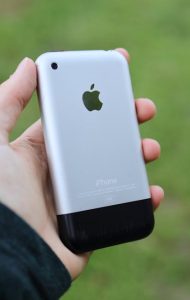
The true game-changer, however, came in 2007 when Apple released the iPhone. It offered a sleek design, a user-friendly interface, and an app store that opened endless possibilities. This device transformed the smartphone from a tool into a lifestyle necessity. How many apps do you use daily now, without even thinking twice?
Reflecting on these milestones, it’s clear how the smartphone’s evolution has shaped modern life. What features do you think will define the next generation of smartphones? Your insights could be part of the ongoing story of innovation.
Pioneering Technologies
Smartphones emerged in 1992 with IBM’s Simon Personal Communicator, blending phone and PDA features. This innovation paved the way for mobile technology’s rapid evolution.
In the realm of technology, few inventions have reshaped our lives as dramatically as the smartphone. When the first smartphones hit the market, they introduced a wave of pioneering technologies that have continuously evolved to become indispensable tools. These devices not only changed the way we communicate but also transformed the way we interact with the world. Let’s dive into the key features and advances that marked the beginning of this technological marvel and explore its profound impact on communication.
Key Features And Advances
The early smartphones were a blend of innovation and promise. Unlike their predecessors, these devices offered a combination of features that were revolutionary at the time. The integration of internet connectivity was a game-changer. Suddenly, you could access emails and browse the web on the go. Touchscreens replaced physical keyboards, offering a new way to interact with devices. This shift created a more intuitive user experience and paved the way for apps that we now rely on daily. The introduction of cameras allowed us to capture moments effortlessly, turning smartphones into essential tools for communication and creativity. Battery life and processing power were vastly improved, enabling longer usage and more complex tasks. These advances propelled smartphones from mere communication devices to powerful mini-computers.
Impact On Communication
Smartphones revolutionized how we communicate. With instant messaging apps, you can chat with friends and family across the globe. This real-time interaction fosters closer relationships and breaks down geographical barriers. Video calls became a reality, changing personal and professional communication. You can attend meetings, celebrate birthdays, or simply catch up with loved ones face-to-face, regardless of distance. Think about how that impacts your daily life. Social media apps became integral, allowing you to share experiences and stay updated with the world instantly. This shift has created new avenues for personal expression and has even influenced global events. Could you imagine life without the constant connectivity provided by smartphones? They have become essential tools for keeping relationships alive and for staying informed. As technology continues to advance, the possibilities for communication will only expand further. What new features would you love to see in future smartphones?
Evolution Through The Decades
Smartphones first emerged in 1992 with IBM’s Simon Personal Communicator. This device combined phone functions with PDA features. It paved the way for future innovations in mobile technology.
In the fascinating journey of smartphones, each decade has brought significant leaps in technology. From the first commercial smartphone in the early ’90s to the sleek devices we hold today, the evolution is a testament to rapid innovation. Let’s dive into how smartphones have transformed over the decades, and what it means for you today.
2000s: Rise Of Touchscreen
The 2000s were a game-changer with the introduction of touchscreens. Remember the BlackBerry? Those tiny keyboards were revolutionary, but they soon gave way to the all-touchscreen devices that began to dominate the market. The launch of the iPhone in 2007 was a pivotal moment, marking the start of a touchscreen era that prioritized ease of use and design. Touchscreens made smartphones intuitive. You could swipe, tap, and zoom with your fingers. It was a technological leap that made interaction more natural and engaging.
2010s: Smart Features Expansion
The 2010s were all about expanding smart features. Smartphones became more than just communication tools. They transformed into mini-computers with the ability to browse the web, play games, and even manage your daily schedule. Apps became the heart of smartphones. From social media to banking, you could do almost anything on your device. How has this changed your daily routine? Consider how many times you reach for your phone to solve a problem or find information.
2020s: Integration And Innovation
The 2020s have brought even more integration and innovation. Smartphones now connect seamlessly with other devices, like smartwatches and home assistants. This interconnected ecosystem is transforming how we interact with technology. Innovation is at the forefront with advancements like 5G, improved AI, and augmented reality. Have you noticed how your phone seems to understand you better? These features are designed to enhance your experience and make life easier. Each decade has brought something unique to the smartphone landscape. Which innovation has impacted you the most? As we look forward, imagine what the next decade could bring for smartphones and your life.
Major Players In The Market
The smartphone emerged in 1992, sparking a technological revolution. Major companies like Apple, Samsung, and Nokia shaped the market’s evolution. Their innovations drove advancements, influencing how people communicate globally.
The smartphone industry has evolved significantly since its inception. Major players have shaped the market’s landscape. Understanding these key contributors helps appreciate the industry’s growth.
Industry Leaders
Industry leaders drive innovation. Apple and Samsung dominate globally. Apple introduced the iPhone in 2007. This changed mobile technology forever. Samsung followed with its Galaxy series. Both brands offer sleek designs and advanced features. They set high standards in the smartphone world. Apple focuses on user experience. Their devices are intuitive and stylish. Samsung emphasizes versatility. Their phones support various applications seamlessly. Both companies invest heavily in research and development. This ensures constant improvement and cutting-edge technology.
Emerging Brands
Emerging brands add diversity. Huawei gained popularity quickly. Known for affordable yet high-quality smartphones. Xiaomi is another key player. Offering budget-friendly options with impressive features. Oppo and Vivo are gaining traction too. Their unique designs attract tech-savvy users. These brands focus on affordability. They appeal to cost-conscious consumers. Their innovative approaches challenge industry norms. New features often appear first in their models. They push boundaries, fostering competition. As they grow, they expand market choices.
Cultural And Social Impact
The introduction of the smartphone marked a pivotal change in society. It reshaped how people communicate, work, and entertain themselves. The smartphone’s impact extends beyond technology. It influences cultural and social behaviors worldwide. From altering daily routines to bridging global gaps, the smartphone’s effect is profound.
Changing Lifestyles
Smartphones have transformed how we live and interact daily. They offer instant access to information and services. Tasks that required effort are now done with a tap. People manage schedules, shop, and even learn from their phones. Social interactions have shifted towards digital platforms. Face-to-face meetings are often replaced by video calls.
Entertainment consumption has also evolved. Streaming services provide movies and music on demand. Traditional media is less influential as smartphones dominate. This shift impacts how people spend free time and consume content.
Global Connectivity
Smartphones play a key role in connecting people globally. They enable communication across continents instantly. Social media apps allow sharing experiences with a wide audience. This connectivity fosters global understanding and relationships.
In remote areas, smartphones provide access to vital information. They bridge gaps where traditional infrastructure is lacking. People can access education, health tips, and news from around the world. The smartphone has become a tool for empowerment.
Future Prospects
The smartphone made its debut in 1992. It has become an essential part of modern life. Future prospects include more advanced features and increased connectivity, shaping how we communicate and interact daily.
The smartphone has transformed communication since its debut. As technology advances, the future of smartphones looks promising. Innovations could change how we interact with the world. Let’s explore the future prospects of smartphones.
Technological Forecasts
Experts predict smartphones will integrate more AI features. Virtual assistants may become more intuitive. With AI, smartphones could anticipate user needs. Augmented reality might enhance our daily experiences. Imagine navigating with real-time overlays. Foldable designs may become mainstream. These could offer larger screens in compact formats. Battery technology might see improvements too. Longer-lasting batteries could reduce charging times. Faster processors could handle complex tasks seamlessly.
Potential Challenges
Privacy remains a big concern with advanced smartphones. More data collection might lead to security risks. Users may worry about unauthorized access. Environmental impact is another challenge. Smartphone production affects natural resources. Recycling efforts need more support. Device affordability could be an issue. Advanced features might increase costs. Access for all might become limited. Balancing innovation with sustainability is crucial.
Credit: fishreportonline.blogspot.com
Frequently Asked Questions
When Did The First Smartphone Debut?
The first smartphone, IBM Simon, debuted in 1992. It was a revolutionary device combining telephone and PDA functionalities. Launched commercially in 1994, it featured a touchscreen, email capabilities, and basic apps. This marked the beginning of the smartphone era, setting the stage for future innovations in mobile technology.
Who Invented The First Smartphone?
IBM created the first smartphone, known as Simon. IBM collaborated with BellSouth to develop this innovative device. Designed by Frank J. Canova, it incorporated features like a touchscreen and email. Simon paved the way for modern smartphones, blending communication and computing in a portable format.
What Was The First Smartphone’s Main Feature?
The IBM Simon’s main feature was its touchscreen interface. It allowed users to navigate the device easily and access various applications. This innovation included email, fax, and basic apps, making it versatile. The touchscreen was a groundbreaking addition, setting a precedent for future smartphone designs.
How Did Smartphones Evolve Over The Years?
Smartphones have evolved significantly since IBM Simon’s debut. Early models focused on basic functionalities, like calls and emails. Modern smartphones offer advanced features, including internet access, high-resolution cameras, and extensive app ecosystems. This evolution reflects ongoing technological advancements and changing consumer demands in mobile technology.
Conclusion
The smartphone’s debut marked a pivotal moment in tech history. It changed how we communicate, work, and live. From the first model to now, the evolution is impressive. Each year brought new innovations and features. Smartphones continue to grow smarter and more essential.
They connect us, entertain us, and organize our lives. Understanding their journey is fascinating. It shows how far technology has come. As smartphones evolve, they will shape our future. The story of the smartphone is ongoing, with much more to come.
Stay tuned for the next chapter in this exciting tech tale.