Affiliate Disclosure: This post may contain affiliate links. If you purchase through links on our site, we may earn an affiliate commission at no extra cost to you.
Imagine holding the world in your hands. That’s what smartphones allow you to do.
But have you ever wondered when this amazing technology first came into existence? You might think it’s a recent innovation, but the story of the first smartphone dates back much further than you might expect. As you read on, you’ll discover not just a date, but a fascinating tale of innovation that laid the foundation for the devices you rely on every day.
Uncover the roots of the smartphone revolution and see how it transformed from a visionary concept into an indispensable part of your life. This is more than just a history lesson—it’s a glimpse into the evolution of your digital companion. Curious? Let’s dive deeper into when the first smartphone was released.
The Dawn Of Mobile Technology
The dawn of mobile technology marked a pivotal moment in history. Our lives changed with the introduction of the first smartphone. It was a blend of communication and computing. This marked the start of a new era. Mobile phones were no longer just for calls. They became mini-computers in our hands. This transformation paved the way for modern devices we use today.
The First Smartphone: A New Age Begins
The IBM Simon was the world’s first smartphone. It was released in 1994. Simon was not just a phone. It had a touchscreen and could send emails. It was a breakthrough for mobile technology. Though basic by today’s standards, it was advanced for its time. Users could fax, email, and use calendars. It showed the potential of mobile devices.
Features That Defined The Early Smartphone
IBM Simon’s features were unique then. It had a monochrome LCD touchscreen. Users could use a stylus to navigate. It came with a suite of apps. These included a calculator and a world clock. The device was bulky and heavy. Yet, it offered functionalities unseen before. It laid the foundation for future smartphones.
The Impact Of Ibm Simon On Later Technologies
The IBM Simon influenced later mobile devices. It inspired the integration of phone and computer functions. Modern smartphones owe a lot to Simon’s design. The idea of combining apps and phone features became standard. Simon’s impact is seen in every smartphone today. It was a catalyst for mobile innovation.
Early Mobile Devices
Early mobile devices paved the way for the smartphone we know today. These devices started as simple communication tools. With time, they evolved into more complex gadgets. This transformation was driven by innovation and technology.
Brick Phones And Their Evolution
The first mobile phones were large and heavy. People called them brick phones. They were not easy to carry around. They had limited features. You could make calls and send messages. That was about it. Over time, these phones began to shrink. Engineers worked on making them lighter. They added more functions. Soon, brick phones became slimmer. They offered better battery life. People started using them more often.
The Rise Of Cellular Networks
Cellular networks changed how mobile phones were used. Initially, phones relied on radio signals. These signals were not always reliable. With cellular networks, connectivity improved. People could talk from different locations. They didn’t worry about losing signal. Networks expanded quickly. More towers were built. This meant better coverage. The rise of these networks made mobile phones more popular. It created demand for advanced devices. This set the stage for the smartphone era.
The Birth Of The Smartphone
The smartphone has transformed the way we communicate. It combines features of a computer and a mobile phone. The journey began with a device named IBM Simon. It was not just a phone. It was a pioneer in mobile technology. This innovation marked the start of a new era.
Ibm Simon: The First Smartphone
IBM Simon debuted in 1994. It was the first smartphone. It looked different from today’s sleek devices. Simon was bulky but innovative. People could make calls and send messages. It had more than basic functions.
Features That Defined A New Era
IBM Simon offered unique features. It had a touchscreen, rare for its time. Users could access a calendar and address book. The phone included a calculator too. It allowed simple tasks, paving the way for modern smartphones.
Simon set the foundation for future mobile technology. It showed a glimpse of what was possible. A phone could be more than just a device for calls. Simon started a trend that continues today.
Technological Milestones
The first smartphone changed the world of technology forever. It brought together communication, information, and entertainment. This marked a new era. Many technological milestones followed its release.
Advancements In Mobile Operating Systems
Early smartphones used simple operating systems. They offered basic functions like calling and texting. As technology advanced, so did mobile operating systems. Newer systems allowed more complex tasks. Users could now run applications smoothly. This improved the smartphone experience greatly.
Operating systems became smarter. They supported touch screens and multi-tasking. This made smartphones more user-friendly. Android and iOS became popular choices. They provided regular updates and new features. This kept users engaged and satisfied.
Integration Of Internet And Multimedia
Smartphones soon integrated the internet. This allowed users to browse the web anytime. Access to information became easier. Users could check emails, social media, and news on the go.
Multimedia capabilities also improved. Smartphones started supporting music, videos, and games. Cameras in smartphones became high quality. Users could take photos and record videos easily. This integration changed how people consumed content.
Streaming services became popular. Users could watch movies and listen to music online. This made smartphones entertainment hubs. The integration of internet and multimedia was a key milestone.
Impact On Society
The release of the first smartphone transformed how people interact. It brought a new era of convenience and connectivity. This device became a crucial part of daily life. Its influence continues to shape modern society in profound ways.
Changing Communication Patterns
Smartphones changed how we talk and connect. Before smartphones, people used landlines or met face-to-face. Now, messaging apps and social media dominate. These tools offer instant communication across the globe. People can share photos, videos, and thoughts in seconds. This constant connection affects relationships and social dynamics.
Smartphones And The Digital Revolution
Smartphones led the digital revolution by putting the internet in our hands. They made it easy to access information anytime, anywhere. People use them for work, learning, and entertainment. Smartphones also changed how businesses operate. Online shopping and mobile banking became the norm.
These devices sparked new industries and job opportunities. App development and digital marketing are just a few examples. The digital revolution continues to evolve with each smartphone update.
Evolution Of Design And Functionality
The smartphone design and functionality have evolved significantly over the years. Initially, phones had basic designs with limited capabilities. Today, they boast advanced features and sleek designs. This transformation reflects changing consumer needs and technological advancements.
From Keypads To Touchscreens
Early smartphones featured physical keypads for navigation and typing. Users had to press buttons to interact with the device. This design was functional but limited. Touchscreens emerged as technology advanced. They offered a more intuitive user experience. Swiping and tapping became the norm. Touchscreens enabled larger displays. This allowed for better viewing and interaction. The shift from keypads to touchscreens marked a significant milestone.
The Role Of Apps In Mobile Experience
Smartphones initially came with pre-installed software. These included basic tools like calendars and calculators. The introduction of app stores changed the landscape. Users could download third-party apps to enhance functionality. Apps became central to the smartphone experience. They catered to various needs, from gaming to productivity. Developers created apps for every conceivable purpose. This contributed to smartphones being essential tools in daily life.
The Future Of Smartphones
The future of smartphones holds great promise and excitement. Technology evolves rapidly. New features and designs are always on the horizon. With each passing year, smartphones become more advanced. They change how we communicate and interact with the world. As we look ahead, what can we expect from the future of smartphones?
Innovations On The Horizon
Smartphones are expected to become even smarter. Artificial Intelligence will play a bigger role. Phones might predict our needs before we do. This could change how we use our devices daily. Foldable phones are another big trend. They offer flexibility and more screen space. Virtual and augmented reality features will likely improve. These could change gaming and shopping experiences. Improved cameras will offer professional-quality photos. Battery life will also see enhancements. Longer-lasting batteries mean less time charging. These innovations will surely enhance user experience.
Challenges And Opportunities Ahead
As smartphones evolve, challenges arise. Privacy and security concerns grow with new tech. Ensuring data safety will be crucial. Companies must address these challenges. Another challenge is environmental impact. E-waste is a growing concern. Sustainable practices in production are needed. Opportunities also lie in global connectivity. More people worldwide will gain access to smartphones. This could bridge digital divides. The potential to improve healthcare through apps exists. Telemedicine can reach more people with better smartphone technology.
Frequently Asked Questions
What Was The First Smartphone Ever Made?
The first smartphone was IBM Simon, released in 1994. It combined the features of a mobile phone and PDA. IBM Simon had a touchscreen, email capability, and built-in apps. It marked a significant milestone in mobile technology, paving the way for modern smartphones.
Who Invented The First Smartphone?
IBM developed the first smartphone, IBM Simon, in collaboration with BellSouth. IBM’s team, led by Frank J. Canova, brought the concept to life. It was initially released in 1994, setting a precedent for future mobile technology innovations.
When Did Smartphones Become Popular?
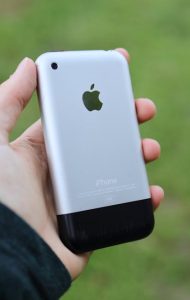
Smartphones gained popularity in the early 2000s, especially after the introduction of the iPhone in 2007. The iPhone revolutionized the market with its user-friendly interface and app ecosystem. This prompted widespread adoption and innovation across smartphone models globally.
What Features Did The First Smartphone Have?
IBM Simon featured a touchscreen, email access, and built-in applications. It offered basic PDA functionalities like calendar and address book. Although primitive by today’s standards, these features were groundbreaking in 1994, initiating the smartphone era.
Conclusion
The first smartphone marked a new era in technology. It blended phone calls with computing power. People could now email, browse, and more on one device. This changed how we communicate and work. Smartphones have evolved rapidly since their debut.
Today, they offer countless apps and features. They connect us to the world instantly. The first release paved the way for modern devices. Understanding this history helps appreciate today’s technology. Smartphones continue to shape our daily lives. They are now essential tools for staying connected and informed.
Their journey from the first release is truly remarkable.