
Affiliate Disclosure: This post may contain affiliate links. If you purchase through links on our site, we may earn an affiliate commission at no extra cost to you.
Imagine having a smartphone that seamlessly integrates with your computer, allowing you to access files, apps, and information with the touch of a button. That’s the power of the Windows Smartphone Operating System.
You might be wondering what makes it different from other smartphone systems. Well, you’re about to uncover how this unique OS can transform your mobile experience into something truly special. As you dive into this article, you’ll discover the benefits of a Windows Smartphone OS, its features, and why it could be the perfect choice for your digital life.
Whether you’re a tech enthusiast or someone looking for a reliable and user-friendly system, this guide will give you insights that could change how you view smartphone technology forever. So, are you ready to explore the world of Windows Smartphone Operating Systems and see how it can enhance your daily life? Let’s get started!
History Of Windows Smartphone Os
Windows Smartphone Operating System has an interesting history. It started with a vision to blend computer functionality with mobile convenience. Over the years, it evolved through multiple phases, each reflecting technological advancements and market demands. This journey is marked by innovation, competition, and unique challenges.
Early Beginnings: Windows Mobile
Windows Mobile was Microsoft’s first mobile OS. It launched in 2000. Designed for Pocket PCs, it offered basic smartphone features. Users could access emails, calendars, and contacts. It was popular among business users.
Transition To Windows Phone 7
In 2010, Microsoft introduced Windows Phone 7. This marked a shift in strategy. The interface was modern and user-friendly. It featured Live Tiles, which provided real-time updates. The focus was on a seamless user experience.
Windows Phone 8: A New Era
Windows Phone 8 arrived in 2012. Built on a new core, it improved performance and app compatibility. The OS supported multiple screen resolutions and dual-core processors. This version aimed to compete with Android and iOS.
The Arrival Of Windows 10 Mobile
Windows 10 Mobile launched in 2015. It sought to unify the experience across devices. Users could sync apps and settings with Windows 10 PCs. This integration was a key feature. Despite its promise, adoption was limited.
The Decline And Legacy
Support for Windows 10 Mobile ended in 2019. The OS struggled against competitors. Limited app availability was a significant challenge. Yet, its influence remains in Microsoft’s ongoing ventures. Lessons learned from the journey continue to shape future innovations.
Key Features And Innovations
Windows Smartphone Operating System has introduced remarkable features and innovations. These enhancements cater to user needs, offering a seamless experience. Explore the user interface design, integration with the Windows ecosystem, and security enhancements.
User Interface Design
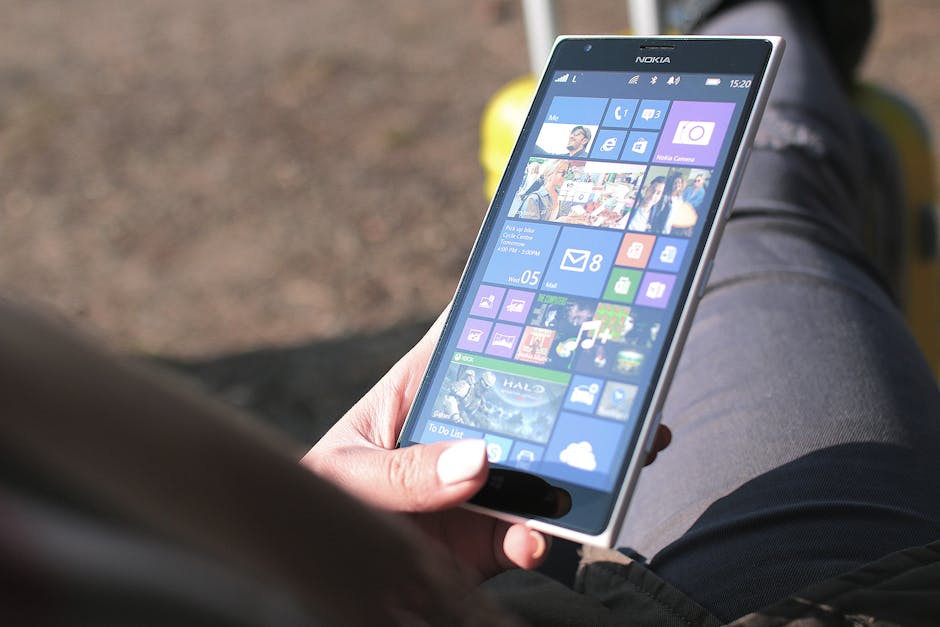
The Windows Smartphone OS boasts a clean, intuitive interface. The design focuses on simplicity and ease of use. Tiles provide quick access to apps and information. Users enjoy personalized experiences with customizable layouts. Smooth transitions enhance usability and interaction.
Integration With Windows Ecosystem
Windows Smartphone OS integrates effortlessly with the Windows ecosystem. Syncing with PCs and tablets is simple and efficient. Users can access files across devices without hassle. The integration supports productivity and convenience. Seamless connectivity enriches user experiences.
Security Enhancements
Security is a priority in Windows Smartphone OS. Enhanced features protect user data effectively. Regular updates ensure the latest security measures are in place. Biometric options offer additional layers of protection. Users can trust the system’s robust security framework.
Competitive Landscape
Windows smartphone operating system stands out in the market. It faces tough competition from Android and iOS. Each platform has its strengths and weaknesses. Understanding these helps users make informed choices.
Comparison With Android
Android offers a wide range of devices. Windows phones focus on simplicity and integration. Android supports numerous apps, giving users flexibility. Windows prioritizes security and streamlined experiences. Many users value Android’s customization options. Windows provides a more uniform experience across devices.
Comparison With Ios
iOS is known for its sleek design. Windows phones offer a different aesthetic. iOS features exclusive apps and services. Windows integrates well with Microsoft products. iOS updates are frequent, enhancing user experience. Windows updates aim for stability and compatibility.
Impact On Mobile Technology
The Windows Smartphone Operating System played a unique role in mobile tech. Its design and features influenced many aspects of mobile development. Despite not being as popular, its contributions are noteworthy. Let’s explore how it impacted app development and the user experience.
Influence On App Development
Windows Smartphone OS changed app development with its unique system. Developers had to adjust to a new platform. This led to creativity and innovation in apps. Many apps had a distinct look and feel on Windows phones. The OS allowed developers to explore new design ideas. It also encouraged cross-platform development, making apps available on multiple devices.
Shift In Mobile User Experience
Windows phones offered a fresh user experience. Their interface was different from others. The tile-based home screen was a standout feature. This design provided quick access to apps and information. Users found it easy to navigate and visually appealing. The OS focused on simplicity and function, making it user-friendly. This approach influenced future mobile designs.
Challenges And Limitations
Windows smartphones have faced many challenges and limitations over the years. Their performance in the market has been a topic of discussion. Let’s explore these challenges in detail.
Market Share Struggles
Windows smartphones struggled to gain a significant market share. Android and iOS dominated the scene. Consumers preferred their user-friendly interfaces. Windows phones offered a different experience. This uniqueness did not attract enough users. Limited brand recognition also hindered growth. People often chose more popular brands.
App Ecosystem Limitations
The Windows app store had fewer apps. Developers focused on Android and iOS platforms. This limited choice affected user experience. Popular apps were often missing. Users felt restricted by the app selection. The lack of popular apps discouraged potential buyers. Many users wanted a wider app variety.
Legacy And Future Prospects
Windows Smartphone Operating System left a significant mark on the tech industry. Known for its unique interface, it provided a fresh alternative. While its market share dwindled, its impact endures. Tech enthusiasts often discuss its potential comeback. Let’s explore its legacy and what the future holds.
Lessons Learned
The Windows Phone taught many lessons to the tech world. First, it highlighted the importance of app ecosystems. Users wanted access to popular apps, not just a smooth interface. This gap affected user adoption rates. Also, integration with other devices was crucial. Windows Phone struggled to connect seamlessly with other platforms. These lessons guide current and future smartphone OS developers.
Possibilities For Revival
Could Windows Phone make a comeback? Some believe it’s possible with strategic changes. A focus on compatibility with major app stores might help. Collaborations with device manufacturers could boost its market presence. Enhanced user experience and innovative features could attract users. While challenging, a revival isn’t entirely off the table.
Frequently Asked Questions
What Is Windows Smartphone Os?
Windows smartphone OS is a mobile operating system developed by Microsoft. It offers a user-friendly interface and seamless integration with Windows PCs. Despite limited app availability, it provides a unique experience with live tiles and Microsoft services. It emphasizes productivity and security features for business users.
Is Windows Phone Os Still Supported?
Windows phone OS is no longer supported by Microsoft. The company ceased support in December 2019. Users are encouraged to switch to Android or iOS devices. Some features may still work, but security updates and new features are unavailable, making it less secure.
Which Phones Use Windows Smartphone Os?
Windows smartphone OS was used in devices like Nokia Lumia and HTC. These phones offered unique features like live tiles and seamless integration with Microsoft services. However, production stopped after Microsoft discontinued support. Users now prefer Android and iOS devices for better app availability.
Can I Install Apps On Windows Phone Os?
Windows phone OS supports apps from the Microsoft Store. However, the app selection is limited compared to Android and iOS. Many popular apps are unavailable, affecting user experience. With the discontinuation of support, app availability is further reduced, making it less viable for modern users.
Conclusion
Windows smartphones offer a unique operating system experience. They integrate well with other Microsoft services. Many users enjoy the familiar interface and seamless connectivity. App availability, though, remains a challenge for some. Developers focus more on Android and iOS platforms.
Despite this, Windows phones have loyal fans. They appreciate the system’s simplicity and security features. It’s crucial to weigh the pros and cons. Consider your specific needs and preferences. Windows smartphones may suit those in the Microsoft ecosystem. They provide reliable functionality for everyday tasks.
Choose wisely based on your tech habits and requirements.



